

Can We Write Affirmations for Others? Unlocking Positive Impact
Can We Write Affirmations For Others
Affirmations have become a common tool for self-improvement, motivation, and personal growth. People use them to boost confidence, change negative beliefs, or reach goals. But a question often comes up—can we write affirmations for others? In other words, is it helpful or even possible to create positive statements for someone else’s benefit?
This topic is not just about words; it’s about influence, intention, and the mysterious way our minds work.
Many people have seen how affirmations help in their own lives. They write or say phrases like, “I am strong,” or “I can handle challenges,” and notice small but powerful shifts in their thinking. But when you try to extend this practice to another person, things become more complex.
Is it encouraging, or does it cross a line? Do affirmations work the same way when they don’t come from within?
This article explores these questions in depth. We’ll look at what affirmations really are, how they work, and what science says about their effectiveness. We’ll also compare writing affirmations for yourself versus for others, and discuss the ethics and impact of the practice.
You’ll find practical examples, helpful tables, and clear answers to common questions. By the end, you’ll know when, why, and how to write affirmations for others—or when it’s best to let them write their own.
What Are Affirmations?
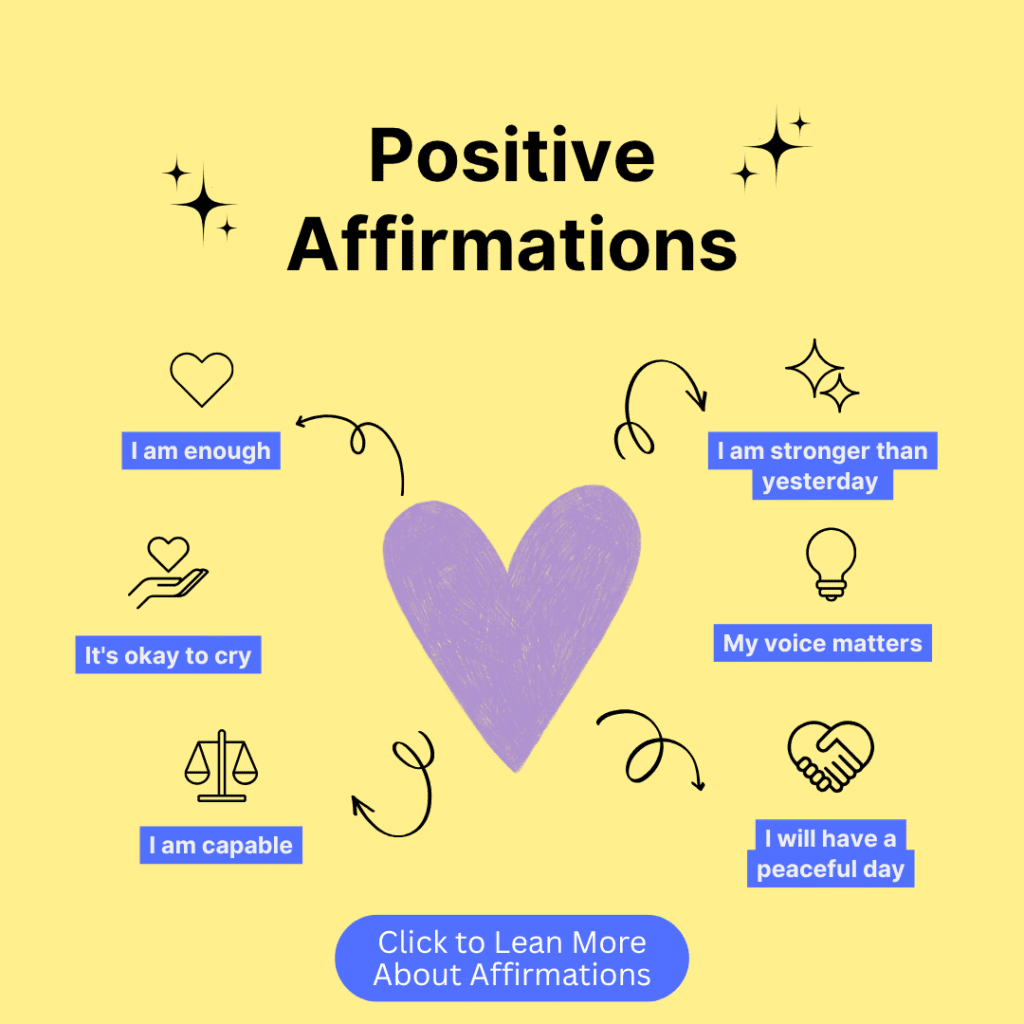
Affirmations are positive statements you repeat to yourself to influence your thoughts, feelings, or behavior. They are usually simple, present-tense sentences, such as “I am confident,” or “I am worthy of love.” The goal is to shift your mindset from doubt and negativity to belief and hope.
People use affirmations for many reasons:
- Building self-esteem
- Reducing anxiety
- Focusing on goals
- Overcoming negative thoughts
- Encouraging good habits
The core idea is that your mind believes what you tell it often enough. If you replace critical self-talk with positive phrases, you may slowly change how you see yourself and the world.
How Affirmations Work
The power of affirmations lies in repetition and belief. When you say or write a positive statement again and again, you start to accept it as true. This process is called self-suggestion or auto-suggestion.
Here’s a simple example: Imagine a student who feels nervous before public speaking. If she repeats, “I am a clear and confident speaker,” every day, she may start to believe it. Over time, her body language and performance improve. The affirmation acts as a mental rehearsal.
But there’s more to it. Research shows that affirmations help by:
- Interrupting negative thought loops—They give your mind something positive to focus on.
- Activating reward centers in the brain—Positive statements can trigger feelings of hope and motivation.
- Supporting goal achievement—When you affirm your abilities, you are more likely to act with confidence.
However, studies also show that affirmations are most effective when they match your current beliefs. If you say something you do not believe at all (“I am a millionaire” when you are in debt), your mind may reject it. The key is to choose realistic, believable statements.
The Science Behind Affirmations
The effectiveness of affirmations has been studied in psychology and neuroscience. While not everyone agrees about how they work, there’s evidence that they can change brain patterns and influence behavior.
A study published in Social Cognitive and Affective Neuroscience found that self-affirmation activates brain regions involved in self-processing and reward. People who practiced affirmations showed more resilience to stress and were more open to positive change.
Another experiment, reported in the journal Psychological Science, revealed that students who used affirmations before exams felt less anxious and performed better. The effect was strongest for students who usually felt the most nervous.
But the science also gives us warnings:
- Affirmations work best when they are personal and meaningful.
- For people with very low self-esteem, positive statements can sometimes backfire, making them feel worse.
- The context matters—affirmations are a tool, not magic.
Writing Affirmations For Others: Does It Work?
Now comes the main question: can we write affirmations for other people? The answer is both simple and complex.
When It Can Help
Writing affirmations for someone else can be helpful in these cases:
- Children or young people who are still learning how to encourage themselves.
- Friends or loved ones who ask for support.
- Team members in a group or workplace setting, when encouragement is needed.
For example, a parent might write, “You are brave and kind,” for a child who is afraid to go to school. A manager might create, “We succeed as a team,” for employees during a tough project.
In these moments, written affirmations can act as external encouragement. They show care and belief. Sometimes, people need to hear positive words from others before they can believe in themselves.
When It Might Not Work
However, there are limits. Writing affirmations for others is less effective when:
- The statements don’t match the person’s reality or feelings.
- The person doesn’t want or accept them.
- The affirmations are forced, insincere, or patronizing.
If you tell someone, “You are always happy,” when they feel sad, it might seem fake or dismissive. If you push affirmations on someone who is not ready, it can create resistance or discomfort.
The most powerful affirmations are those a person chooses for themselves. Outside affirmations can support, but not replace, self-generated belief.
Affirmations: Writing For Self Vs. Writing For Others
To understand the differences, let’s compare writing affirmations for yourself and writing for others.
| For Yourself | For Others |
|---|---|
| Personalized to your beliefs and needs | May not fit the other person's beliefs |
| Strong impact on mindset | Impact depends on acceptance by receiver |
| Easy to update as you grow | Harder to adjust if misunderstood |
| Boosts self-motivation | Can feel supportive or intrusive |
| Greater long-term effect | Often short-term encouragement |
The comparison shows that self-affirmations are usually more effective because they come from within. However, affirmations written by others can still matter—especially when they are wanted and well-matched to the person’s situation.
The Right Way To Write Affirmations For Others
If you want to write affirmations for someone else, it’s important to do it thoughtfully. Here are practical steps to follow:
1. Ask For Permission
Before you write, make sure the person is open to receiving affirmations. Some people love encouragement. Others prefer to motivate themselves. A simple, “Would it help if I wrote something positive for you? ” shows respect.
2. Understand Their Needs
Everyone is different. What lifts one person up might annoy another. Listen to what the person is struggling with or hopes to achieve. For example, if a friend feels anxious before a job interview, focus on affirmations about confidence and preparation.
3. Use Positive, Present-tense Language
Affirmations should be clear and optimistic. Use words like “You are,” “You can,” or “You have. ” Avoid negative words or phrases about what they lack.
Examples:
- “You are strong and capable.”
- “You have the skills to succeed.”
- “You can handle whatever comes.”
4. Keep It Realistic
The statement should be believable. If it’s too exaggerated, the person may reject it. Try to match their current reality and stretch it just a bit.
Not helpful: “You are the best in the world.”
Better: “You are making progress every day.”
5. Make It Personal
Use the person’s name or something specific about them. This adds warmth and shows you really see them.
Example: “Maria, your creativity brings joy to everyone around you.”
6. Keep It Short
Long affirmations are hard to remember or repeat. Stick to one or two sentences.
7. Deliver With Care
You can write affirmations in a card, a note, a text, or even say them out loud. The delivery matters—choose a way that feels natural and safe for the person.
Common Mistakes When Writing Affirmations For Others
Even with good intentions, it’s easy to make mistakes. Here are traps to avoid:
- Being too generic: “You’re great!” is nice but not specific. Make it meaningful.
- Pushing your own beliefs: Don’t write what you think they “should” believe. Listen first.
- Ignoring their feelings: If someone is sad, don’t force happiness. Affirm their strength or resilience instead.
- Using sarcasm or jokes: Humor can be misunderstood, especially in writing.
- Overloading with affirmations: Too many at once can feel overwhelming.
The Emotional Impact Of Affirmations From Others
Receiving an affirmation from someone you trust can be deeply moving. It’s not just about the words—it’s about feeling seen, valued, and supported. For example, a handwritten note from a parent or friend during a tough time can stay with someone for years.
But the impact depends on:
- The relationship: Affirmations from someone you trust have more power.
- The timing: Support during difficult moments is most effective.
- The delivery: A sincere, personal message is best.
Sometimes, people even keep special affirmations in their wallets or on their desks as reminders. The effect is strongest when the affirmation feels true and heartfelt.
When Writing Affirmations For Others May Not Be Helpful
There are times when writing affirmations for others is not the best choice. These include:
- The person is not ready to accept positive statements (for example, during deep grief).
- Affirmations replace real help. Sometimes, action is needed more than words.
- The relationship is strained. If trust is missing, affirmations may seem fake or manipulative.
- The statements are not culturally appropriate. Some cultures value humility or group success over individual praise.
If you are unsure, ask the person what kind of support they want. Sometimes, a listening ear is more powerful than any affirmation.
Examples Of Effective Affirmations For Others
Here are some examples of affirmations you might write for different situations:
For A Friend Facing A Challenge
- “You have faced tough times before, and you always find a way through.”
- “Your courage inspires me every day.”
For A Child Feeling Insecure
- “You are loved, just as you are.”
- “You have a kind heart and a bright mind.”
For A Team At Work
- “We achieve more when we support each other.”
- “Every challenge is a chance for us to grow.”
For A Partner Or Family Member
- “Your love makes our family stronger.”
- “I believe in your dreams and your strength.”
Notice how these affirmations are specific, positive, and realistic. They focus on qualities and effort, not just outcomes.
Cultural And Ethical Considerations
Writing affirmations for others is not a “one size fits all” solution. Culture, personal values, and ethics play a role.
- Cultural differences: In some cultures, direct praise is rare or even uncomfortable. People may prefer group-focused affirmations (“We succeed together”) rather than individual praise.
- Ethical concerns: It’s important not to use affirmations to control, manipulate, or push someone into actions they don’t want.
- Respect for boundaries: If someone says no, respect their choice.
Always approach with humility and a willingness to listen.
How To Encourage Others To Use Affirmations Themselves
The best way to help someone benefit from affirmations is often to guide them in creating their own. Here’s how:
- Share your experience—Explain how affirmations have helped you.
- Offer examples—Give a few sample affirmations and ask which ones feel right.
- Invite them to write their own—Suggest starting with small, believable statements.
- Practice together—Repeat affirmations out loud or write them down as a team.
- Be patient—It takes time for new habits to form.
This approach empowers the other person rather than doing all the work for them.
The Role Of Affirmations In Therapy And Coaching
Many therapists, coaches, and teachers use affirmations to help clients. The process is usually collaborative:
- Therapist suggests possible affirmations based on the client’s goals.
- Client chooses which ones feel right and practices them.
- Feedback is shared to adjust the affirmations as needed.
This partnership makes the affirmations more effective because they are tailored and accepted by the person.
For more on the science and practice of affirmations, see Psychology Today.
Data On The Effectiveness Of Affirmations
Let’s look at how affirmations have worked in different studies and groups.
| Study/Setting | Effect of Affirmations |
|---|---|
| Students before exams | Reduced anxiety, improved scores |
| People under stress | Increased resilience, better coping |
| Individuals with low self-esteem | Mixed results; sometimes less effective |
| Therapy clients | Positive mood, greater motivation |
| Teams at work | Improved collaboration, morale |
The data shows that affirmations are not a cure-all, but they can have a positive impact—especially when used with care and in the right context.

Credit: www.reddit.com
Two Insights Beginners Usually Miss
Many people who start using affirmations for others overlook two key ideas:
- The “fit” is more important than the words. A simple, well-matched affirmation is more powerful than a fancy or poetic one that doesn’t resonate.
- Timing and delivery matter as much as content. A heartfelt note at the right moment can be life-changing, while a random message may be ignored or forgotten.
When To Avoid Writing Affirmations For Others
There are situations where writing affirmations for others may cause harm or confusion. Avoid it when:
- The person is in deep crisis (seek professional help instead).
- You have unresolved conflict (affirmations may seem fake or manipulative).
- You are not sure of their beliefs or needs (ask first).
- It feels like a substitute for real support (sometimes, actions speak louder than words).
How To Evaluate If An Affirmation Is Working
If you write an affirmation for someone, how do you know if it helps? Here are signs to watch for:
- The person repeats it back or refers to it later.
- Their mood or behavior improves after reading or hearing it.
- They ask for more support or want to talk about the message.
- They share the affirmation with others.
If the affirmation is ignored or causes discomfort, it may not be the right fit. Always be open to feedback and adjust as needed.
Alternatives To Writing Affirmations For Others
Sometimes, other forms of support are more effective than written affirmations. Consider:
- Listening with empathy—Simply being present can be very powerful.
- Acts of service—Helping with a task or problem.
- Quality time—Spending time together, showing you care.
- Encouraging questions—Ask, “What’s one thing you’re proud of today?”
- Sharing inspiring stories—Sometimes, real-life examples are more motivating than any affirmation.
Use affirmations as part of a broader toolkit, not the only tool.
Credit: aapsychiatry.com
How To Practice Writing Effective Affirmations For Others
If you want to improve your skill, try this exercise:
- Think of someone you care about.
- List three qualities or strengths you notice in them.
- Write a short, positive statement about each quality.
- Share one affirmation in a way that feels natural (note, card, message).
- Notice their reaction and ask for feedback.
This simple practice builds your awareness and helps you craft affirmations that truly connect.
Real-life Stories: Affirmations That Made A Difference
Story 1: A teacher wrote, “You are a leader” on a student’s project folder. The student, once shy, began taking more initiative and participating in class. She kept the note for years.
Story 2: During a family crisis, a brother sent daily texts: “You have survived so much. I believe in you.” The messages became a lifeline, reminding his sibling not to give up.
These stories show that even small affirmations, given at the right time, can have lasting effects.

Credit: www.reddit.com
Key Takeaways
- Writing affirmations for others can be supportive, but the most powerful affirmations come from within.
- Permission, timing, and sincerity are crucial.
- Effective affirmations are specific, realistic, and matched to the person’s needs.
- Alternatives such as listening, acts of kindness, or empowering questions are sometimes more helpful.
- Always be open to feedback and adjust your approach.
Frequently Asked Questions
What Is The Main Purpose Of Writing Affirmations For Others?
The main purpose is to offer support, encouragement, and belief when someone needs it. Affirmations from others can help people see strengths they may not notice in themselves and provide hope during difficult times.
Do Affirmations Work If The Person Does Not Believe Them?
Affirmations are less effective if the person does not believe them at all. For best results, the affirmation should be believable or at least possible. If the gap between the statement and reality is too wide, it may be ignored or cause discomfort.
How Often Should I Give Affirmations To Someone Else?
There is no fixed rule. The best approach is to be genuine and offer affirmations when they are most needed—such as during stressful times or after achievements. Too many affirmations can lose their impact, so quality is more important than quantity.
Can Affirmations Replace Professional Help Or Therapy?
No, affirmations cannot replace professional help when someone is dealing with serious issues like depression, trauma, or anxiety. They can be part of a support system, but should not be used as a substitute for therapy or medical care.
What If Someone Rejects My Affirmation?
If someone rejects your affirmation, respect their feelings. It may mean the message didn’t fit their needs or timing. You can ask for feedback, offer other forms of support, or simply be present without using affirmations. Everyone is different, and that’s okay.
Writing affirmations for others is both an art and a science. With care, respect, and understanding, your words can make a real difference in someone’s life. But always remember—the most lasting change happens when people find their own voice and write their own affirmations.
