

Can Affirmations Help Self Esteem? Discover the Real Impact
Can Affirmations Help Self Esteem
Everyone faces moments of self-doubt. You might question your abilities, worry about how others see you, or feel less confident in social settings. These feelings are common, but when they happen often, they can lower your self esteem. Many people look for ways to build themselves up and feel better. One simple tool that is getting more attention is affirmations—short, positive statements you repeat to yourself.
But can affirmations really help your self esteem? Or are they just wishful thinking? This article gives you clear answers, practical advice, and real examples. You will learn how affirmations work, what the science says, and how to use them in daily life.
You will also discover common mistakes, what to expect, and how to avoid disappointment.
Let’s explore whether affirmations can truly help you develop stronger self esteem.
What Are Affirmations?
Affirmations are positive statements you say to yourself, often in the present tense. They are designed to challenge negative thoughts and replace them with more helpful beliefs. For example, instead of thinking “I am not good enough,” you might repeat, “I am capable and worthy.”
People use affirmations in many ways:
- Saying them aloud in front of a mirror
- Writing them in a journal
- Setting reminders on their phone
- Listening to recorded affirmations
Affirmations are not magic words. They are tools for training your mind. When you use them often, they can help change the way you think about yourself.
Why Self Esteem Matters
Self esteem is how you value and see yourself. If you have healthy self esteem, you believe you are worthy and able to handle life’s challenges. When your self esteem is low, you may doubt yourself, feel anxious, or have trouble making decisions.
Good self esteem can bring benefits like:
- More confidence in social situations
- Better relationships
- Less stress and anxiety
- Stronger motivation to reach goals
Low self esteem, on the other hand, can lead to problems such as:
- Avoiding new experiences
- Feeling easily hurt by criticism
- Struggling with mental health
Building self esteem can improve many areas of your life. This is why tools like affirmations are worth understanding.
How Affirmations Work
The main idea behind affirmations is self-talk. This is the ongoing conversation you have with yourself in your mind. Many people have a habit of negative self-talk, which can lower self esteem over time. Affirmations try to interrupt this pattern.
The Science Of Self-talk
Research shows that your thoughts shape your feelings and actions. If you keep telling yourself you will fail, you might avoid trying new things. If you tell yourself you can learn and grow, you may feel braver and take more action.
Affirmations use repetition. By repeating a positive message, you train your brain to accept it as true. Over time, this can make your automatic thoughts more supportive.
Affirmations And The Brain
Studies using brain scans show that positive self-affirmation can activate areas related to self-worth and reward. This means affirmations don’t just sound good—they can cause real changes in the brain.
However, the effect is not instant. It takes time and regular practice for new beliefs to settle in. Just like learning a skill, building self esteem with affirmations requires patience.
Can Affirmations Help Self Esteem?
This is the main question. The answer is yes, affirmations can help self esteem, but with important conditions.
When Affirmations Work Best
Affirmations work best when:
- The statement is believable to you
- You use them regularly, not just once
- They are specific to your needs
- You combine them with action
For example, repeating “I am a millionaire” when you are struggling with money may feel fake. But saying “I am learning to manage my money better” is more believable and helpful.
When Affirmations May Not Help
Affirmations can backfire if:
- The statement feels too far from reality
- You use them as a replacement for real action
- You ignore your feelings and try to “force” positivity
If you don’t believe what you are saying, your mind may fight back with more negative thoughts. This is called “cognitive dissonance. ” In these cases, affirmations can make you feel worse.
Research Evidence
Several studies have found that affirmations can help people with low self esteem, especially when the statements are realistic and meaningful. For example, research published in “Social Cognitive and Affective Neuroscience” found that self-affirmation improved problem-solving under stress and increased feelings of self-worth.
But not all studies agree. Some show little effect, especially if the affirmations are too general or unrealistic. The key is to match the affirmation to your current situation and beliefs.
Credit: www.remarkableminds.com.au
Types Of Affirmations For Self Esteem
There are many types of affirmations. Some focus on general self-worth, while others target specific areas like body image or confidence at work.
Here are common types:
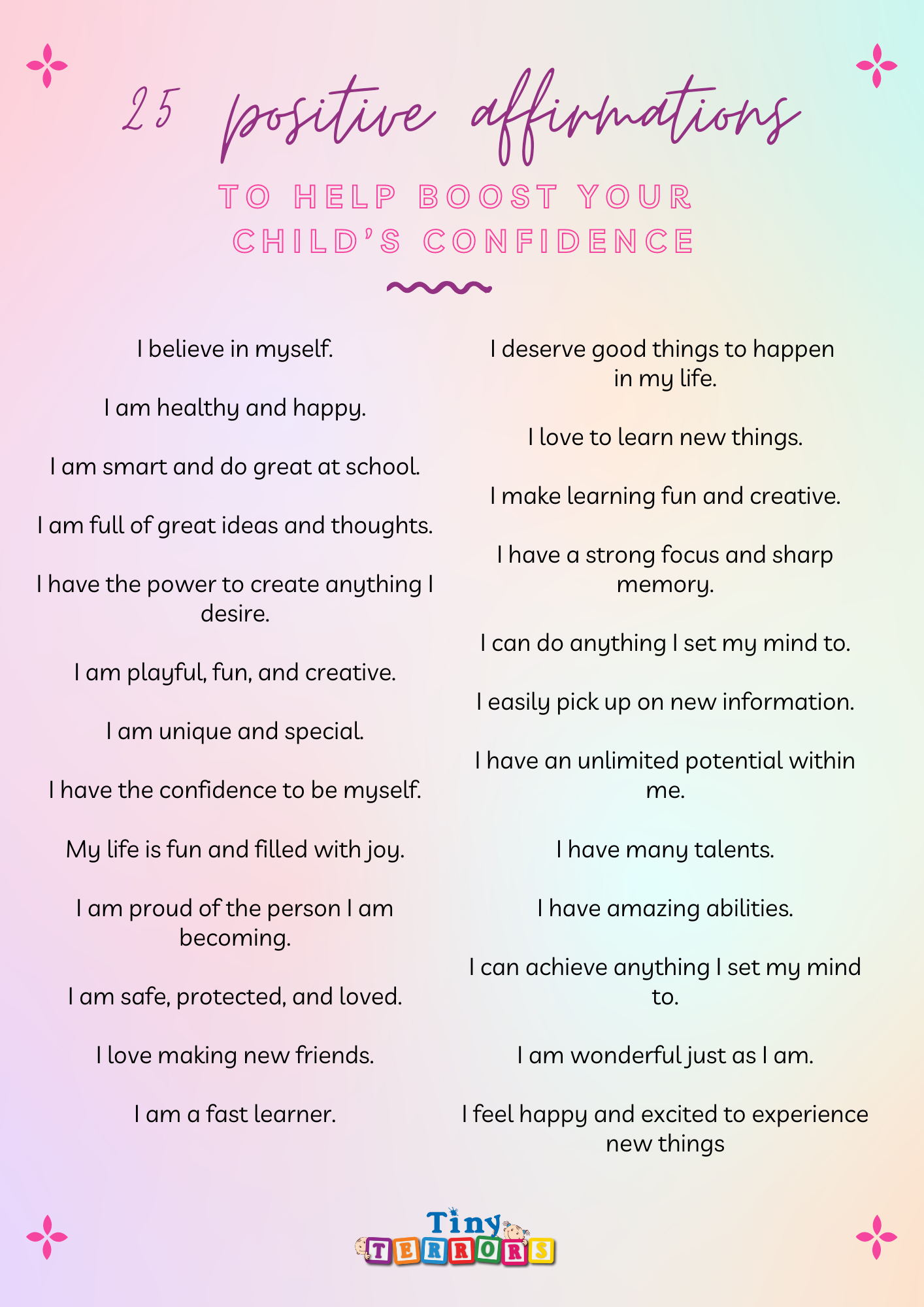
- General Self-Worth: “I am enough just as I am.”
- Confidence: “I trust myself to handle new challenges.”
- Body Image: “My body is strong and valuable.”
- Skills and Abilities: “I am good at learning new things.”
- Relationships: “I deserve respect and kindness.”
- Overcoming Mistakes: “I learn and grow from my experiences.”
- Facing Fear: “I can be brave even when I feel scared.”
- Self-Love: “I am worthy of love, including my own.”
Choosing the right type depends on what you want to improve.
Crafting Effective Affirmations
Not all affirmations are created equal. Some are too vague or unrealistic. To make affirmations work for you, follow these tips:
Keep Them Believable
Choose statements you can accept right now. If “I am confident” feels too strong, try “I am learning to feel more confident every day. ”
Use Present Tense
Say affirmations as if they are already true: “I am capable,” not “I will be capable.”
Make Them Specific
The more specific, the better. Instead of “I am successful,” try “I am making progress toward my goals. ”
Keep Them Short
Short statements are easier to remember and repeat.
Personalize Them
Use words and phrases that matter to you. You can start with “I,” “My,” or even your own name.
Example: Crafting An Affirmation
Original: “i Am Perfect.”
Improved: “i Accept Myself, Even With My Mistakes.”
The improved version is more realistic and helpful.

Credit: nunziadreams.com
How To Use Affirmations In Daily Life
Knowing about affirmations is not enough. You need to practice them in your daily routine.
Here are ways to use affirmations:
- Morning Routine: Start your day by saying affirmations out loud in front of a mirror.
- Write Them Down: Keep a journal and write your affirmations each day.
- Phone Reminders: Set reminders so your phone shows your affirmation at different times.
- Sticky Notes: Place notes on your desk, mirror, or fridge.
- During Stress: Repeat affirmations when you feel nervous or unsure.
- Before Sleep: End your day by reading or listening to positive statements.
Making It A Habit
Consistency matters. Try to repeat your affirmations at least twice a day. It helps to connect them to regular activities, like brushing your teeth or having coffee.
Combining Affirmations With Visualization
Visualize what the affirmation looks like in your life. For example, if you say “I am confident speaking in meetings,” picture yourself doing it successfully.
Common Mistakes When Using Affirmations
Many people try affirmations and give up when they don’t see results. Here are mistakes to avoid:
1. Choosing Unrealistic Statements
If you pick affirmations that are too far from your current reality, your mind may reject them.
2. Not Repeating Enough
Change comes with repetition. Saying an affirmation once is not enough.
3. Ignoring Negative Feelings
Affirmations are not about ignoring your struggles. It’s okay to feel sad or doubtful sometimes. Use affirmations as support, not a way to hide from problems.
4. Forgetting Action
Affirmations work best when you also take real steps in life. Want to feel more confident? Try small actions, like speaking up in a meeting.
5. Expecting Quick Results
Building self esteem is a journey. Affirmations can help, but they are not a quick fix.
Real-life Examples And Stories
Hearing how others use affirmations can make the idea feel more real.
Example 1: Overcoming Self-doubt At Work
Maria felt nervous during work presentations. She started using the affirmation, “I can share my ideas clearly. ” At first, she didn’t believe it. But after repeating it daily and practicing her presentations, she noticed her anxiety dropped. Her boss even praised her for her clear speaking.
Example 2: Building Body Confidence
Jake struggled with body image. Instead of harsh self-talk, he tried saying, “My body lets me do amazing things. ” He wrote this on a sticky note for his bathroom mirror. Over time, he found himself being kinder to his body and focusing on what it could do, not just how it looked.
Example 3: Improving Social Confidence
Lina avoided parties because she worried people would judge her. She used the affirmation, “I am worthy of friendship. ” She started joining small group events. With practice, her confidence grew, and she made new friends.
These stories show that affirmations work best when used with real-life action and patience.
Science And Studies: What Does Research Say?
Several studies have looked at whether affirmations help self esteem. Let’s compare some findings:
| Study Focus | Finding | Notes |
|---|---|---|
| Self-affirmation in stress | Improved problem-solving and self-worth under pressure | Worked best with realistic affirmations |
| Daily affirmation practice | Gradual increase in self esteem over weeks | Consistency was important |
| Unrealistic affirmations | Can lower mood if statements are not believable | Personalization is key |
The overall message is clear: affirmations help most when they are realistic, repeated, and meaningful to you.
Comparing Affirmations To Other Self Esteem Tools
Affirmations are not the only way to build self esteem. Here’s how they compare with other common methods:
| Tool | How It Works | Best For | Limits |
|---|---|---|---|
| Affirmations | Positive self-talk | Everyday support | Needs repetition; may not work if unrealistic |
| Therapy | Professional support, deep exploration | Serious self esteem issues | Can be costly or time-consuming |
| Journaling | Reflecting and tracking growth | Self-awareness | Requires regular effort |
| Goal Setting | Achieving small wins | Building confidence through action | Can trigger pressure if goals are too high |
Using several tools together often brings the best results.
Non-obvious Insights About Affirmations
While many articles cover the basics, here are two important points beginners miss:
- Your mood affects how affirmations work. If you are very upset, affirmations may not help right away. In these moments, it’s okay to pause and return to them later.
- Affirmations can reveal your core beliefs. If a statement makes you feel uncomfortable, it might show a deep belief you want to change. This awareness is a first step to deeper growth.
How To Measure If Affirmations Are Helping
It’s common to wonder, “How do I know if affirmations are working?” Here’s how you can track progress:
- Notice your thoughts. Are you kinder to yourself?
- Check your actions. Are you trying new things or speaking up more?
- Ask for feedback. Sometimes others notice changes before you do.
- Keep a journal. Write about your feelings and look for patterns over weeks.
Progress is often slow and steady. Small changes build up over time.
Tips For Getting The Most From Affirmations
To use affirmations with the best results, keep these tips in mind:
- Start small. Don’t try to change everything at once. Pick one or two affirmations.
- Be patient. Results take time.
- Adjust as needed. If an affirmation stops helping, change it to fit your new goals.
- Say them with feeling. The more you mean the words, the more powerful they become.
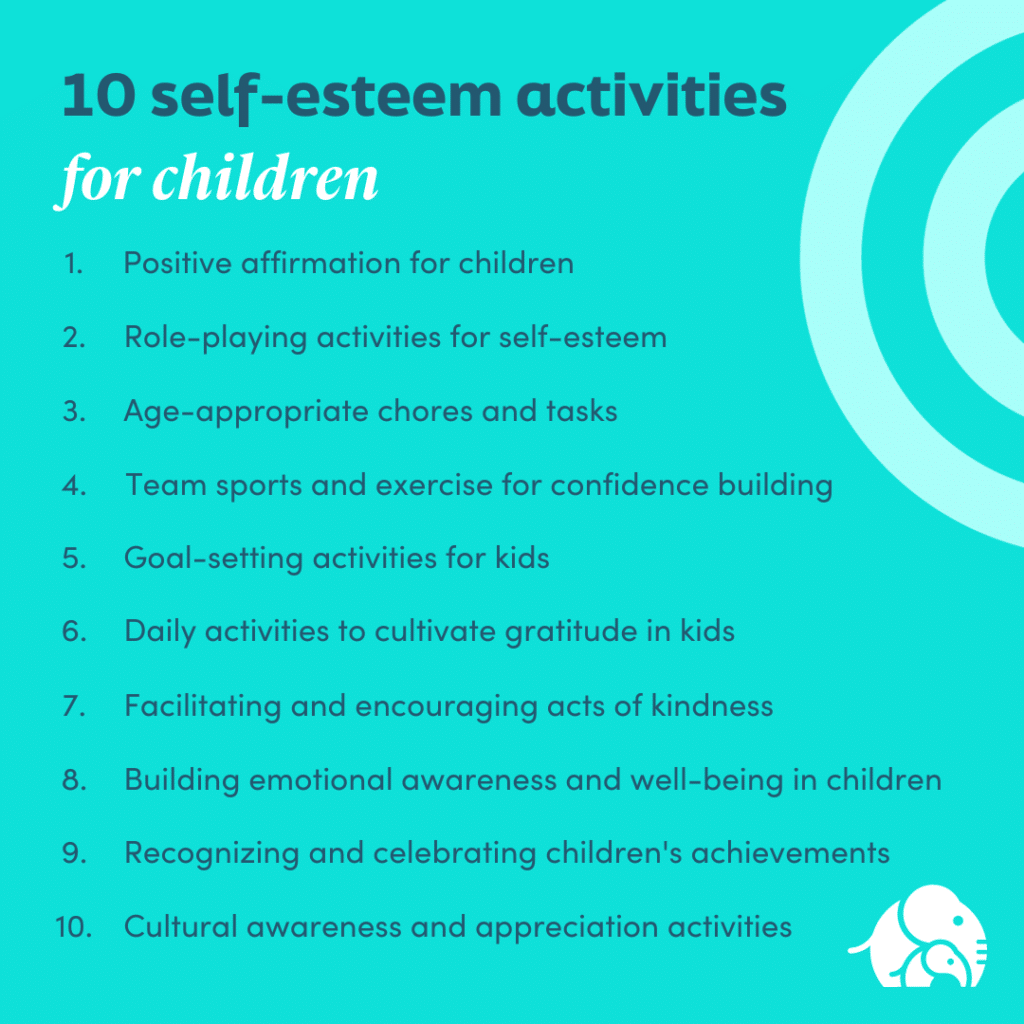
- Combine with other tools. Use affirmations along with journaling, talking to friends, or setting small goals.
Common Myths About Affirmations
Some myths make affirmations sound either too good or too weak. Here’s what you should know:
- Myth: Affirmations are just wishful thinking.
- Truth: When used well, affirmations change thinking patterns over time.
- Myth: Affirmations fix all problems.
- Truth: They are one tool, not a magic cure.
- Myth: You must always be positive.
- Truth: It’s okay to feel negative sometimes. Affirmations help you balance your thoughts, not ignore reality.
- Myth: Only weak people need affirmations.
- Truth: Everyone can benefit from positive self-talk, even confident people.
When To Seek Extra Help
If you try affirmations and still feel stuck, it might be time for more support. Signs you may need extra help include:
- Feeling down or anxious most of the time
- Trouble sleeping or eating because of low self esteem
- Withdrawing from friends and activities
Talking to a counselor or therapist can make a big difference. They can help you find tools that fit your needs. For more on self-help and therapy, you can visit Psychology Today.
Credit: elliementalhealth.com
Sample Affirmations To Try
If you need ideas, here are some affirmations to get you started:
- “I am worthy of respect and kindness.”
- “I am proud of how far I have come.”
- “I choose to focus on my strengths.”
- “I am learning and growing every day.”
- “My feelings and needs matter.”
- “I can handle whatever comes my way.”
- “I forgive myself for past mistakes.”
- “I am enough as I am right now.”
- “I believe in my abilities.”
- “I am open to new experiences.”
Try a few and adjust them to match your situation.
Frequently Asked Questions
What Are The Best Affirmations For Self Esteem?
The best affirmations are personal, realistic, and positive. For example, “I am learning to value myself more each day,” or “I am deserving of good things.” Start with what feels believable to you.
How Long Does It Take For Affirmations To Work?
It often takes several weeks of regular practice to notice changes. Some people see small improvements in a few days, while for others it may take longer. Consistency is key.
Can Affirmations Make Self Esteem Worse?
If the statements feel fake or too far from your reality, they can cause more negative feelings. Always choose affirmations that are realistic and meaningful for you.
Should I Use Affirmations With Other Self-help Tools?
Yes. Combining affirmations with journaling, therapy, or goal-setting usually brings better results. You don’t have to rely on affirmations alone.
How Do I Know If Affirmations Are Helping Me?
Pay attention to your thoughts, actions, and feelings. Notice if you are being kinder to yourself, trying new things, or feeling less anxious. Keeping a journal can help track progress.
Building self esteem is a journey, not a race. Affirmations can be a helpful companion along the way. With patience, practice, and the right approach, you can use them to support a stronger, kinder view of yourself.
