

Can Affirmations Change Your Life: Transform Your Mindset Today
Can Affirmations Change Your Life
Many people search for ways to improve their lives, build confidence, or feel happier. One tool that often comes up is affirmations. These are positive statements you repeat to yourself, hoping to change your thoughts, feelings, or actions. Some people say affirmations are life-changing. Others are unsure or even skeptical. But can affirmations really change your life? Let’s explore this idea in detail, breaking down how affirmations work, what science says, and how to use them effectively.
What Are Affirmations?
Affirmations are simple, positive sentences you say or think. They focus on what you want to believe or achieve. For example, someone who feels nervous might repeat, "I am confident," to help build self-belief.
Affirmations are not magic words, but they are tools to shape your mindset. They help you challenge negative thoughts and replace them with positive beliefs.
Types Of Affirmations
There are many kinds of affirmations. Here are some common ones:
- Self-esteem affirmations: "I am worthy of love."
- Success affirmations: "I can achieve my goals."
- Health affirmations: "I take care of my body."
- Relationship affirmations: "I am a caring friend."
- Stress relief affirmations: "I am calm and in control."
Each type targets a different area of your life. You can create your own affirmation to fit your needs.
How Do Affirmations Work?
Affirmations work mainly by influencing your thought patterns. Your mind often repeats the same thoughts every day. If these are negative ("I will fail," "Nobody likes me"), you may feel unhappy or stressed. Affirmations aim to replace these patterns with positive ones.
The Power Of Repetition
Repeating an affirmation is key. When you say a positive statement often, your mind starts to accept it as true. This process is called self-suggestion. Over time, your beliefs and actions may change.
Example: Changing Self-doubt
Imagine a student who often thinks, "I'm not smart enough. " This belief may cause them to avoid studying or feel anxious. If the student starts repeating, "I am capable of learning," their confidence may grow. They might study more and feel less stress.
Scientific Insights
Research shows affirmations can affect your brain. Studies using brain scans find that positive self-talk can activate areas linked to reward and motivation. For example, a study in the journal Social Cognitive and Affective Neuroscience found that self-affirmation increased activity in the ventromedial prefrontal cortex, which helps control emotions and self-value.
However, not all studies agree. Some find affirmations help only if they match your real beliefs. If you say, "I am rich," but feel poor, it may not work. The key is to choose affirmations you can believe, even a little.
Benefits Of Using Affirmations
Affirmations offer several benefits if used correctly. Here are some of the main advantages:
1. Improved Self-esteem
Repeating positive statements can boost your self-worth. You begin to see yourself in a better light. This can help you feel more confident and take healthy risks.
2. Reduced Stress
Affirmations can calm your mind. When you focus on positive thoughts, you may feel less stressed and more in control. This is useful during tough times or before big events.
3. Increased Motivation
Positive self-talk can inspire you to act. If you believe you can succeed, you are more likely to try new things or stick to your goals.
4. Better Relationships
Affirmations can improve how you interact with others. For example, saying, "I am patient," can help you stay calm during arguments.
5. Enhanced Resilience
People who use affirmations often bounce back faster from setbacks. Positive beliefs help you handle failures and keep moving forward.
Data On Affirmation Benefits
Here is a comparison of common benefits based on self-reported data from several studies:
| Benefit | Percent Reporting Improvement | Notes |
|---|---|---|
| Self-Esteem | 68% | Best results with daily practice |
| Stress Reduction | 60% | Most effective when paired with breathing |
| Motivation | 54% | Works best for realistic goals |
| Relationships | 43% | Improvement often slow but steady |
| Resilience | 51% | Helps after setbacks or failures |
These numbers show many people feel improvement. But results depend on how you use affirmations and your starting beliefs.
Common Misconceptions About Affirmations
Many people misunderstand how affirmations work. Here are some myths and the truth behind them.
1. Affirmations Are Just Positive Thinking
While affirmations are positive, they are more than just thinking happy thoughts. They are focused, repeated statements aimed at changing beliefs. Positive thinking is broader and less structured.
2. Affirmations Work Instantly
Change takes time. You may not feel different after one day. Consistency is important. Most people see effects after weeks or months.
3. Affirmations Replace All Problems
Affirmations help your mindset, but they do not solve every problem. They work best with action. For example, saying "I am healthy" is good, but you also need to eat well and exercise.
4. Only Certain People Benefit
Anyone can use affirmations. They are not limited to a specific age, gender, or background. Success depends on how you use them and your willingness to change.
5. Affirmations Are “fake”
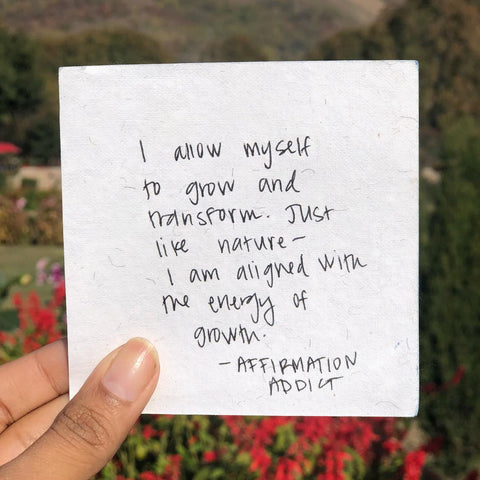
Some people think affirmations are lying to yourself. But they are about building new beliefs. You do not have to fully believe the words at first. Over time, your mind can adapt.
Credit: cleverfoxplanner.com
How To Create Effective Affirmations
Not all affirmations are equally powerful. Here are steps to make yours more effective:
1. Make Them Positive
Focus on what you want, not what you want to avoid. Say "I am confident," instead of "I am not afraid. "
2. Keep Them Simple
Use short, clear sentences. Complicated words can confuse your mind.
3. Use Present Tense
Say your affirmation as if it is already true. For example, "I am successful," not "I will be successful. "
4. Be Specific
General affirmations are less powerful. "I am a good student" is better than "I am good. "
5. Choose Believable Statements
Your affirmation should match your current beliefs. If it feels too far from your reality, adjust it. For example, instead of "I am rich," you might say, "I am improving my finances. "
Example: Building A Personal Affirmation
Suppose you want to feel more confident at work. Instead of saying, "I am the best," try, "I am learning and growing every day. " This is positive, simple, present tense, specific, and believable.
The Science Behind Affirmations
Affirmations are not just wishful thinking. Researchers have studied their effects, especially in psychology and neuroscience.
Brain Activity And Self-talk
Brain scans show that repeating positive statements can change activity in the prefrontal cortex and reward centers. These areas control self-worth and motivation.
Stress Reduction
Studies find affirmations can lower stress responses. When people use affirmations before facing challenges, their bodies produce less cortisol (a stress hormone).
Behavior Change
Affirmations are useful in therapy. For example, cognitive behavioral therapy (CBT) often uses self-talk to change habits. Affirmations are one form of this.
However, affirmations work best when combined with real action. Saying "I am healthy" is helpful, but making healthy choices is needed.
Limitations Of Research
Not all research shows strong effects. Some studies suggest affirmations help most when you already have some positive beliefs. If your self-esteem is very low, affirmations alone may not work.
For more scientific detail, you can visit Wikipedia.
Practical Ways To Use Affirmations
Affirmations are easy to use, but many people make mistakes. Here are some practical tips and examples.
1. Daily Practice
Set aside a few minutes each day. Repeat your affirmation out loud or silently. You can do this in the morning or before bed.
2. Write Them Down
Writing reinforces your belief. Keep a notebook or sticky notes with your affirmation.
3. Use Triggers
Connect your affirmation to daily actions. For example, repeat it while brushing your teeth or before important meetings.
4. Visualization
Imagine your affirmation coming true. If you say, "I am confident," picture yourself speaking clearly in public.
5. Combine With Action
Pair your affirmation with steps toward your goal. If you say, "I am organized," also make a plan for your day.
6. Record And Listen
Record your affirmation and play it during quiet moments. This adds another level of reinforcement.
7. Group Practice
Share affirmations with a friend or support group. Speaking them together can boost motivation.
Common Mistakes
Many beginners use affirmations incorrectly. Here are some mistakes to avoid:
- Choosing statements that feel fake or unbelievable
- Using negative words ("I am not scared")
- Forgetting to repeat them regularly
- Expecting instant results
Correct these mistakes to get better outcomes.
Real-life Examples Of Affirmation Success
Let’s look at some examples where affirmations made a difference.
Example 1: Career Confidence
A young professional felt nervous at work. She repeated, "I am skilled and ready for new challenges," every morning. After a few months, she felt more confident and started leading meetings.
Example 2: Health Improvement
A man wanted to lose weight. He used, "I make healthy choices," before meals. This helped him avoid junk food and stick to his plan.
Example 3: Academic Achievement
A student struggled with exams. He started saying, "I am prepared and focused," before studying. His grades improved as he felt more motivated.
Example 4: Relationship Building
Someone felt lonely and believed, "I am a loving and valued friend. " She started reaching out more and built stronger friendships.
Example 5: Stress Management
A busy parent felt overwhelmed. She repeated, "I am calm and handle challenges," during stressful moments. This helped her stay patient with her family.
These stories show affirmations can help in many areas, but action and belief are needed.
Comparing Affirmations With Other Self-help Methods
Affirmations are one tool among many. How do they compare with other methods?
| Method | Main Focus | Ease of Use | Time to See Results | Requires Action? |
|---|---|---|---|---|
| Affirmations | Changing thoughts | Very easy | Weeks to months | Yes |
| Meditation | Calming mind | Moderate | Weeks | No, but helps focus |
| Visualization | Imagining goals | Easy | Months | Yes |
| Goal Setting | Planning actions | Easy | Depends on goal | Yes |
| Cognitive Therapy | Changing habits | Needs guidance | Months | Yes |
Affirmations are simple and can be used alone or with other methods.
Non-obvious Insights About Affirmations
Most beginners miss these points:
- Affirmations are most powerful when you link them to emotion. If you simply say the words without feeling, your mind may ignore them. Try to feel what you say.
- Affirmations can uncover hidden negative beliefs. If you feel resistance to a statement, it may show an area you need to work on. Use this feeling to guide your growth.
Credit: thechiclife.com
Who Should Use Affirmations?
Affirmations can help almost anyone, but they are especially useful for:
- People with low confidence
- Those facing big changes or challenges
- Students preparing for exams
- Workers wanting to improve performance
- People aiming to build healthy habits
Even if you feel positive, affirmations can keep your mindset strong.
How Long Does It Take To See Changes?
Affirmations are not quick fixes. Most users see small changes after a few weeks. Bigger changes come after months of consistent practice. The key is patience and persistence.
Factors That Affect Speed
- Starting belief: If you already have some positive beliefs, you may change faster.
- Consistency: Daily practice is important.
- Emotional connection: Feeling your affirmation makes it stronger.
- Action: Combining with real steps speeds up change.

Credit: www.amazon.com
Are There Risks Or Downsides?
Affirmations are safe for most people. However, some risks exist:
- If you use affirmations to avoid real problems, you may feel worse later.
- Saying statements you do not believe can cause frustration.
- Overusing affirmations without action may delay growth.
To avoid risks, use affirmations wisely and always pair them with real steps.
Making Affirmations Part Of Your Life
Affirmations work best when they fit your daily routine. Here are ways to make them a habit:
- Set a reminder on your phone
- Write your affirmation and put it where you see it
- Use it before important tasks
- Share it with friends or family
- Reflect on your progress every week
Consistency is the most important factor.
Frequently Asked Questions
What Are Affirmations?
Affirmations are positive statements you repeat to yourself, aiming to change your thoughts and beliefs. They help you focus on what you want to achieve or feel.
How Often Should I Repeat Affirmations?
For best results, repeat your affirmation at least once daily. Many people find success with two or three times a day, especially in the morning and evening.
Can Affirmations Help With Anxiety Or Stress?
Yes, affirmations can reduce anxiety and stress. When you focus on positive self-talk, your mind becomes calmer. Pair affirmations with breathing or relaxation for better results.
Do I Need To Believe My Affirmation Right Away?
No, it is normal if you do not fully believe your affirmation at first. Start with statements you can accept, even a little. Over time, your belief will grow.
Can Children Use Affirmations?
Yes, affirmations are helpful for children. Simple statements like "I am brave" or "I can learn new things" can build confidence and resilience in young people.
---
Changing your life with affirmations is possible, but it takes patience and practice. The most important steps are choosing believable, positive statements, repeating them daily, and connecting them with real actions. Affirmations alone will not solve every problem, but they can shift your mindset, help you handle stress, and motivate you to grow.
If you use affirmations wisely and consistently, they can be a powerful tool for lifelong change.
