

Can Affirmations Change Your Brain? Science-Backed Insights
Can Affirmations Change Your Brain
Many people use affirmations to feel more positive, confident, or motivated. You might have seen phrases like, “I am strong,” or “I can handle any challenge,” written on sticky notes or spoken in front of a mirror. But can repeating these statements actually change your brain?
This question is more than just self-help talk. It touches on psychology, neuroscience, and the way our minds shape our reality.
Understanding whether affirmations can truly affect your brain means looking beyond simple motivation. It involves how your thoughts work, how your brain reacts to repeated statements, and what science says about it. This article will give you a clear, complete look at affirmations, how they may impact your mind, and what you need to know to use them wisely.
What Are Affirmations?
Affirmations are positive statements you say to yourself, often repeatedly, to support change in your thoughts or behavior. People use them for many reasons: to boost self-esteem, reduce anxiety, or help reach goals. Some examples include:
- “I am capable of learning new things.”
- “My life is full of possibilities.”
- “I am at peace with myself.”
These statements are usually simple, direct, and in the present tense. The main idea is to shift your thoughts from negative or doubtful to positive and supportive.
How People Use Affirmations
You can use affirmations in different ways:
- Saying them out loud in the morning.
- Writing them down in a journal.
- Repeating them during meditation.
- Placing them as reminders on mirrors or desks.
Some people use them as part of therapy or self-improvement routines. Others use them during stressful moments to calm their minds.
The Science Of The Brain And Thought Patterns
To understand if affirmations change your brain, it's helpful to know how thought patterns work. Your brain is made of billions of nerve cells called neurons. These neurons connect in pathways that shape how you think, feel, and act.
Neuroplasticity: The Brain’s Flexibility
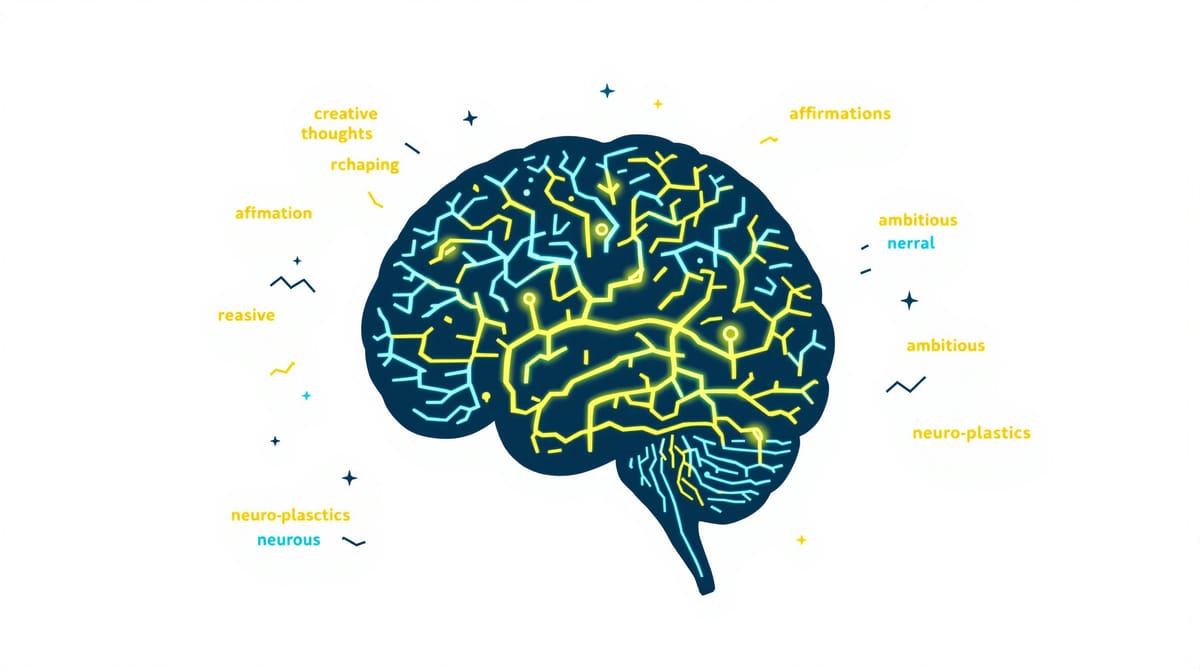
One key concept is neuroplasticity. This means your brain can change and adapt throughout your life. When you repeat a thought or action, the connections between certain neurons become stronger. This is like creating a path in a field; the more you walk on it, the clearer it gets.
For example, if you often think, “I can’t do this,” that pathway becomes stronger. If you replace it with, “I can learn this,” and repeat it often, you can strengthen a new, more positive pathway.
Automatic Thoughts And Their Power
Many of your daily thoughts happen automatically. These automatic thoughts can be positive or negative. If you have many negative automatic thoughts, you may feel more anxious, sad, or unmotivated. Affirmations aim to interrupt these automatic thoughts and replace them with more helpful ones.
How Affirmations May Change Your Brain
Scientists have studied how affirmations affect the brain. The main idea is that saying positive statements might help build new neural pathways. This could make it easier for you to think positive thoughts in the future.
Brain Imaging Studies
Modern brain imaging tools, like fMRI (functional magnetic resonance imaging), let scientists see which parts of the brain are active during certain tasks. Some studies have found that using self-affirmations activates areas linked to self-processing and reward.
For example, when people repeat positive self-statements, areas like the ventromedial prefrontal cortex show more activity. This part of the brain is involved in how you see yourself and how you handle rewards or good feelings.
How Affirmations Affect Stress
Another important area is how affirmations affect stress. Some research shows that people who use self-affirmations are better able to handle stress. Their brains show less activity in areas linked to threat or fear when faced with challenges.
This means affirmations might not just make you feel good. They could actually help your brain respond better to stress.
Changing Negative Self-talk
Negative self-talk is when you often say things to yourself like, “I’m not good enough,” or “I always fail. ” Over time, these thoughts become a habit. Affirmations can help break this habit by creating new, positive pathways in the brain.
But it’s important to know that change takes time. Repeating an affirmation once or twice is usually not enough. The brain needs repeated practice to build new connections.
Evidence: What Research Says About Affirmations
Many people want to know if affirmations are just wishful thinking or if there is real evidence behind them. The answer is a mix of both hope and science.
Key Findings From Studies
- Improved Performance: Some studies found that students who used affirmations before tests had less stress and did better on exams.
- Better Well-Being: People who practiced self-affirmation reported higher levels of happiness and lower levels of worry.
- Health Benefits: Patients using affirmations as part of treatment sometimes recover faster or stick better to healthy habits.
But not all studies show strong effects. Some find little difference, especially if the affirmation feels fake or too different from your current beliefs.
Why Some Affirmations Work Better
For affirmations to work, they should feel believable. If you say, “I am a millionaire,” but don’t believe it at all, your brain may reject it. But if you say, “I am learning how to manage money better,” it feels more real and helpful.
Personal relevance is also important. Affirmations work best when they match your goals or values. If you care deeply about being a good friend, using affirmations about kindness can have more impact.
Insights Beginners Miss
Many beginners think affirmations are magic words that change feelings instantly. In reality, the brain needs regular practice, just like building any skill. Another common mistake is using affirmations that are too general or out of touch with your real life.
The more specific and meaningful the affirmation, the better it works.
The Process: How To Make Affirmations More Effective
Simply repeating words is not enough. The way you use affirmations can make a big difference.
Step 1: Choose The Right Affirmation
Pick statements that:
- Match your real goals or values.
- Feel possible or at least partly true.
- Focus on what you want to grow, not just what you want to avoid.
For example, instead of “I am never afraid,” try, “I am learning to handle fear calmly. ”
Step 2: Repeat With Feeling
Say your affirmation with emotion. If you feel bored or doubtful, it may not help much. Try to connect with the words. Picture what your life would be like if the affirmation were true.
Step 3: Practice Regularly
Just like learning a new language or instrument, practice is key. Repeat your affirmations daily. Morning and night are good times, but you can also use them during stressful moments.
Step 4: Mix With Action
Affirmations work best when you also take action. If your affirmation is, “I am getting stronger,” add small actions like exercising or eating healthy. This helps your brain connect the words with real change.
Step 5: Track Your Progress
Notice how you feel over time. Are you thinking more positively? Are you handling stress better? Keep a journal if it helps. Change is often slow, but small steps add up.
Common Myths About Affirmations
Many people have ideas about affirmations that are not quite true. Clearing up these myths can help you use affirmations more wisely.
Myth 1: Affirmations Are Just Positive Thinking
Affirmations are not only about “thinking happy thoughts.” They are about rewiring your brain to think in new ways. This takes work and practice, not just wishful thinking.
Myth 2: Affirmations Work Instantly
Some people expect to feel better right away. In reality, building new thought patterns takes time—sometimes weeks or months.
Myth 3: Any Affirmation Will Work
The best affirmations are personal and believable. Generic statements often do not stick because your brain does not connect with them.
Myth 4: Affirmations Replace All Other Help
Affirmations can be a helpful tool, but they are not a cure for everything. If you struggle with deep sadness or anxiety, it’s important to seek support from a professional.
Myth 5: You Must Always Be Positive
It’s normal to have negative thoughts sometimes. Affirmations are not about ignoring real problems. They are about creating balance and building healthier thought habits.
How Affirmations Compare To Other Mental Tools
Affirmations are just one tool for changing your brain. Other methods can also help, sometimes even more, depending on your needs.
Here’s how affirmations compare with other common mental tools:
| Tool | Main Focus | How It Works | Best For |
|---|---|---|---|
| Affirmations | Positive Self-Talk | Repeating statements to build new thoughts | Daily confidence and mindset boost |
| Visualization | Mental Rehearsal | Picturing success or positive outcomes | Performance, sports, goal-setting |
| Meditation | Calm and Focus | Observing thoughts without judgment | Stress reduction, clarity |
| Gratitude Journaling | Thankfulness | Writing down what you’re grateful for | Improving mood and perspective |
| Cognitive Behavioral Therapy (CBT) | Changing Thought Patterns | Identifying and challenging negative thoughts | Managing anxiety, depression, deeper issues |
Affirmations are easy to use and can fit into your daily routine. For deeper or longer-lasting problems, other tools like CBT or therapy may be more powerful.
Real-life Examples: When Affirmations Make A Difference
Hearing how real people use affirmations can help you understand their power—and their limits.
Example 1: Building Confidence For Public Speaking
Maria always felt nervous speaking in front of groups. She started each morning by saying, “I can express my ideas clearly. ” At first, it felt strange. But after a few weeks, she noticed less fear and more focus. She still felt nervous, but the affirmation helped her try new strategies, like practicing out loud.
Example 2: Managing Job Stress
Ahmed faced a tough job search. He used the affirmation, “I am learning from every experience. ” This helped him stay patient and open to feedback, instead of feeling like a failure after each interview.
Example 3: Overcoming Negative Self-image
Lina struggled with low self-esteem. She wrote, “I am worthy of respect,” on her mirror. Over time, she started to notice when her inner critic was loud and used the affirmation to respond more kindly to herself.
These examples show that affirmations can help change not just thoughts, but also actions and feelings—when used with patience and effort.

Credit: michiganpsychologicalcare.com
Mistakes To Avoid With Affirmations
Many people give up on affirmations because they make simple mistakes. Here’s what to watch for:
- Choosing Unrealistic Statements: If you pick statements that feel fake, your brain rejects them. Make sure your affirmation feels possible, even if it’s a stretch.
- Skipping Consistency: Doing affirmations once or twice won’t create new pathways. Regular practice is key.
- Ignoring Your Feelings: If you feel upset, don’t just repeat an affirmation to cover it up. Acknowledge your feeling first, then use the affirmation to guide your next step.
- Not Linking to Action: Affirmations work best when tied to small actions. If you say, “I am healthy,” try adding a healthy habit to support the words.
- Giving Up Too Soon: Change takes time. Notice small shifts and keep going, even if you don’t see big results right away.
When Affirmations May Not Work
Affirmations are not magic. There are times when they might not have the effect you want.
Deep-rooted Beliefs
If you have deep negative beliefs about yourself, a simple affirmation may not be enough. These beliefs may come from past experiences, trauma, or long-term self-doubt. In these cases, affirmations alone might feel frustrating or even make things worse. You may need therapy or support to address the root causes.
Severe Mental Health Issues
People facing serious depression, anxiety, or trauma may need more than affirmations. Professional help, medication, or therapy can offer stronger support. Affirmations can be a small part of recovery, but not the whole answer.
Lack Of Personal Connection
If you just copy affirmations from the internet without changing them to fit your life, they may not help much. Personal meaning is important.

Credit: centerforchange.com
Practical Tips For Creating Powerful Affirmations
With practice, you can craft affirmations that really work for your mind and brain.
Keep It Short And Simple
Short statements are easier to remember and repeat. For example, “I am growing stronger” is better than a long, complicated sentence.
Use Present Tense
Say your affirmation as if it’s happening now, not in the future. This tells your brain the change is real and possible.
Make It Personal
Use words that feel true for you. If you want to be more creative, try, “I let new ideas flow,” instead of a generic phrase.
Link To Values
Affirmations tied to your values have more power. If you value kindness, say, “I treat myself and others with kindness. ”
Repeat Consistently
Set a time each day for your affirmation practice. Morning, night, or during breaks all work well.
Combine With Visualization
Picture yourself living the affirmation. This makes it more real to your brain.
The Role Of Emotion And Imagination
Emotion and imagination are powerful tools for making affirmations work. When you say an affirmation with real feeling, your brain pays more attention. When you imagine what it looks and feels like to live your affirmation, you create a stronger mental link.
For example, saying, “I am calm under pressure,” while picturing yourself breathing deeply in a stressful situation, helps your brain connect the words to real-life actions.
Are Affirmations Always Positive?
Most affirmations are positive, but you can also use neutral or growth-focused statements. For example, “I am learning,” or, “I am open to new ideas,” are not overly positive but encourage growth and change.
This approach can feel more comfortable if you struggle with very negative thoughts. It’s a step toward positivity without feeling fake.
How Affirmations Affect The Body
Affirmations may help your brain, but they can also affect your body. Studies show that positive self-talk can:
- Lower stress hormones like cortisol
- Reduce blood pressure during stress
- Help you recover faster after illness or injury
When your brain feels safe and supported, your body often follows. This is one reason athletes and performers use affirmations before big events.
Credit: www.upskillist.com
Cultural And Spiritual Roots Of Affirmations
Affirmations are not new. Many cultures and spiritual traditions use words or mantras to shape thoughts and feelings. In some religions, repeating prayers or positive statements is a way to connect with hope or inner strength.
Today, affirmations are used in both spiritual and non-spiritual ways. You don’t have to believe in anything special to use affirmations, but knowing their roots can add meaning for some people.
Data: How Many People Use Affirmations?
Surveys suggest that a large number of people, especially in the self-help and wellness space, have tried affirmations. Here’s a quick comparison:
| Practice | Percentage of Adults Who Have Tried It |
|---|---|
| Affirmations | About 30-40% |
| Meditation | About 40-50% |
| Gratitude Journaling | About 20-30% |
This shows affirmations are a common tool, but not everyone uses them regularly or in the same way.
The Limits And Potential Of Affirmations
Affirmations are not a cure-all. They have limits, but also real potential when used wisely.
- They are best for building confidence, motivation, and small shifts in mindset.
- They work better with regular practice and action.
- They may not be enough for deep or long-term problems without other help.
But for many people, affirmations are a simple, free tool to start changing their thoughts—and maybe even their brain.
Where To Find More On The Science
If you want to read about the research behind affirmations and the brain, check out this resource from Wikipedia. It explains how the brain changes and adapts through experiences like affirmations.
Frequently Asked Questions
Can Affirmations Help With Anxiety?
Affirmations can help reduce anxiety for some people, especially when used with other tools like deep breathing or therapy. They work best for mild to moderate anxiety, not severe cases. Choose affirmations that help you feel safe and calm, such as, “I am safe in this moment.
”
How Long Does It Take For Affirmations To Work?
It depends on the person and the affirmation. Some people notice small changes in a few days, but most need weeks or months of regular practice. The brain takes time to build new pathways. Consistency is more important than speed.
Do Affirmations Always Need To Be Positive?
Not always. Neutral or growth-focused statements, like “I am learning,” or “I am open to change,” can also help. These can feel more believable if positive statements are hard to accept.
Can Affirmations Replace Therapy Or Medication?
No. Affirmations are a helpful tool, but they do not replace professional help for serious mental health issues. They can be used alongside therapy, medication, or other treatments, but should not be your only support if you are struggling deeply.
What If I Don’t Believe My Affirmation?
It’s normal to feel some doubt at first. Choose affirmations that feel possible or partly true. Over time, as you practice and see small changes, your belief can grow. If an affirmation feels completely fake, adjust it until it feels more real to you.
Affirmations are a simple, flexible tool to help you shape your thoughts and, over time, your brain. Used wisely, they can support your growth and well-being—but remember, real change comes with patience, practice, and sometimes, extra help.
