

Best Positive Affirmations for Kids: Boost Confidence Daily
Best Positive Affirmations For Kids
Positive affirmations are simple phrases that help children build confidence, resilience, and a healthy self-image. Kids face many challenges: school, friendships, social media, and even their own self-doubt. Words can shape how they see themselves. When kids hear and repeat uplifting statements, these messages slowly become part of their mindset. Affirmations do not solve every problem, but they offer a powerful tool for emotional growth.
Parents, teachers, and caregivers often look for ways to support kids emotionally. Positive affirmations are easy to use, require no special equipment, and can fit into almost any daily routine. Studies show that self-talk influences how children feel and act.
When a child believes, "I am capable," they are more likely to try new things and bounce back from setbacks. Still, choosing the right affirmations matters. Not every phrase works for every child or situation.
This guide explores the best positive affirmations for kids, explains how they work, and offers practical ways to use them. You will find examples, tips, common mistakes, and answers to frequent questions. The goal is to help every child feel valued, brave, and ready to grow.
Why Positive Affirmations Matter For Kids
Children learn about themselves from the world around them. Family, teachers, friends, and media all send messages—some positive, some negative. When kids hear supportive words regularly, they start to believe them. This process helps in many ways:
- Boosts confidence: Kids believe in their abilities, which encourages them to try new things.
- Improves resilience: Children handle setbacks better and learn to keep going.
- Reduces anxiety: Positive self-talk lowers stress and helps kids stay calm.
- Strengthens self-worth: Kids feel valued and accepted for who they are.
Research from psychology shows that self-affirmation helps children manage stress and perform better in school. According to the American Psychological Association, positive self-talk can even improve motivation and learning outcomes.
How Affirmations Work In Childhood
Affirmations are not magic. They do not erase difficult feelings or fix every problem. Instead, they shape the way kids think about themselves. Here’s what happens:
- Children repeat a phrase, such as "I am brave."
- Over time, their brains connect this phrase with real experiences.
- The affirmation becomes part of their self-image.
Experts call this process "neuroplasticity. " The brain forms new connections when we repeat thoughts and actions. For kids, this means that positive affirmations can help build a strong foundation for mental health.
Choosing The Right Affirmations For Kids
Not every affirmation fits every child. The best affirmations are:
- Simple: Easy to remember and understand.
- Positive: Focused on strengths, not weaknesses.
- Relevant: Connected to the child’s real life and challenges.
- Actionable: Encourage effort, not just traits.
For example, "I am kind to others" is more effective than "I am perfect. " Kids need affirmations that feel believable and honest.
Age-appropriate Affirmations
Different ages need different affirmations. Younger children may benefit from very simple phrases, while older kids might use more complex ideas. Here’s a quick comparison:
| Age Group | Sample Affirmations | Key Focus |
|---|---|---|
| Preschool | I am loved I can try I am safe |
Safety, belonging, trying |
| Elementary | I am a good friend I can learn new things I am brave |
Friendship, learning, courage |
| Middle School | I can solve problems I am unique I can handle challenges |
Problem-solving, identity, resilience |
Top Positive Affirmations For Kids
Here are some of the most effective affirmations, grouped by theme. You can use them daily, during difficult moments, or as part of routines.
Confidence And Self-worth
- I am important.
- I believe in myself.
- I am proud of who I am.
- I can do hard things.
- I am unique and special.
These statements help children see their value. Kids who repeat them often feel more secure in their identity.
Resilience And Growth
- I learn from my mistakes.
- I keep trying, even when it's tough.
- I can solve problems.
- Every day, I get better.
- I am brave when facing challenges.
Resilience is not just about bouncing back. It’s about learning and growing. These affirmations encourage kids to see setbacks as opportunities.
Kindness And Empathy
- I am a good friend.
- I care about others.
- I can make people smile.
- I am helpful.
- I listen to others.
Empathy starts early. When kids hear these phrases, they remember to treat people with respect and kindness.
Calm And Emotional Balance
- I can calm myself.
- I am patient.
- I can ask for help when I need it.
- I control my feelings.
- I am peaceful inside.
Managing emotions is hard for children. Affirmations like these remind kids that feelings are okay and can be managed.
Learning And Curiosity
- I am curious.
- I love to learn new things.
- I ask good questions.
- I can figure things out.
- I am smart in many ways.
Children often doubt their abilities, especially in school. Positive affirmations about learning help them see growth as exciting, not scary.
How To Use Affirmations With Kids
Affirmations work best when they are part of everyday life. Here are practical ways to use them:
Daily Routines
- Morning: Start the day with a few affirmations. Try saying, "Today, I will be brave," as part of getting ready.
- Bedtime: Reflect on the day and end with positive words. For example, "I did my best today."
- Transitions: Use affirmations before school, sports, or other activities.
Visual Reminders
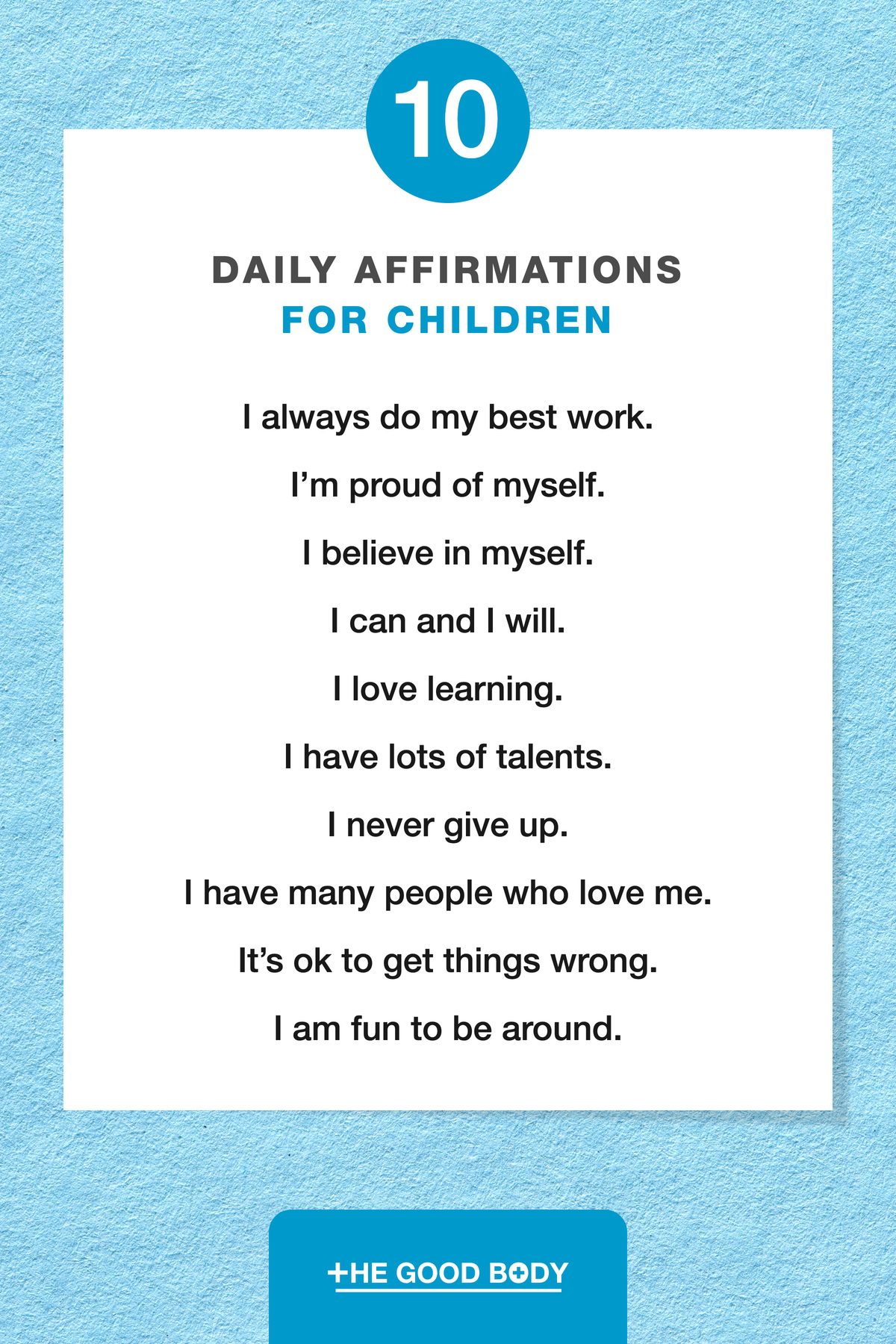
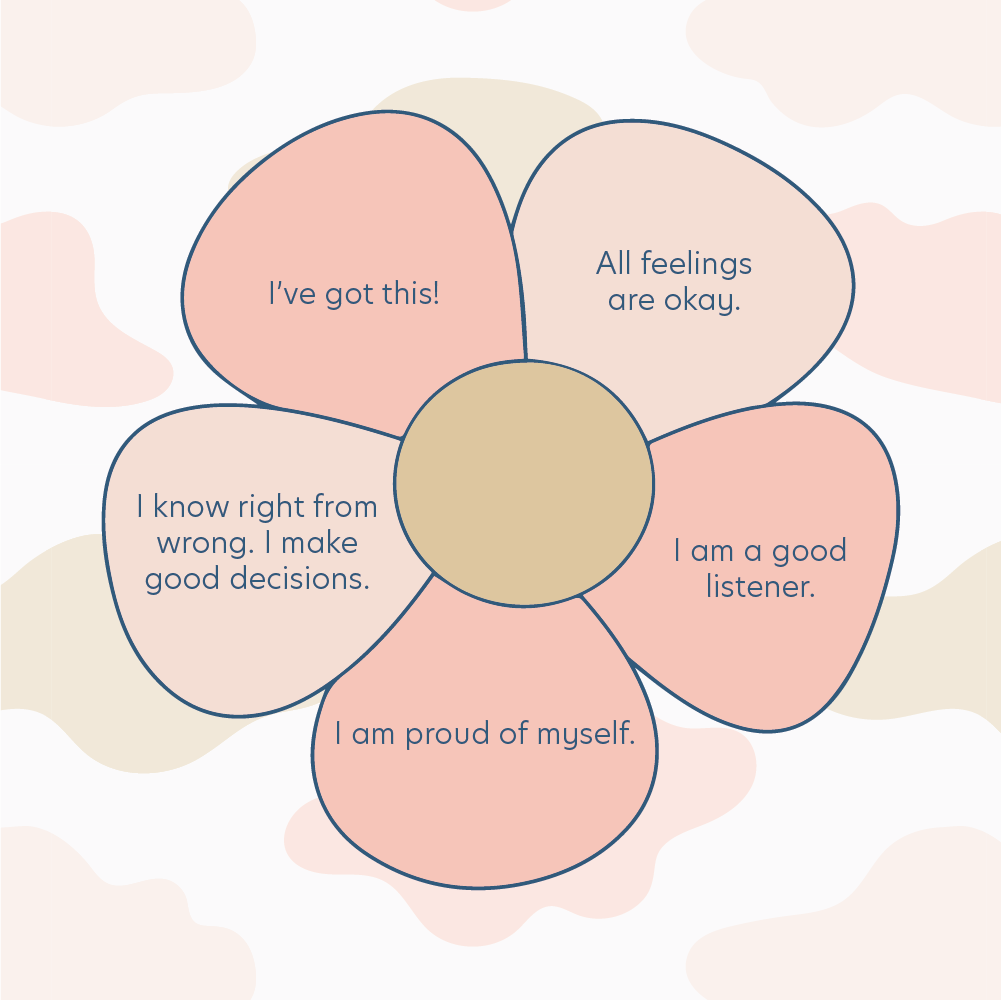
- Write affirmations on sticky notes and place them on mirrors or doors.
- Create affirmation cards for kids to carry.
- Use posters in classrooms or bedrooms.
Activities And Games
- Affirmation Jar: Fill a jar with positive statements. Kids pick one each day.
- Drawing Affirmations: Let kids illustrate their favorite affirmations.
- Affirmation Songs: Turn phrases into simple songs or chants.
Family And Classroom Practice
- Group affirmations: Say them together as a family or class.
- Share personal stories: Talk about times when affirmations helped.
- Encourage kids to make their own affirmations.
Common Mistakes To Avoid
Even well-meaning adults can make mistakes when using affirmations. Here are some pitfalls and how to avoid them:
Making Affirmations Too Complex
Kids need simple, clear statements. Avoid phrases with difficult words or abstract ideas. For example, "I am resilient despite adversity" is too complex for young children.
Using Unrealistic Affirmations
Children sense when something is not true. Saying "I am the best at everything" can feel dishonest. Instead, focus on effort and growth: "I work hard and learn."
Ignoring Feelings
Affirmations do not mean ignoring negative emotions. If a child is sad, acknowledge their feelings first. Positive statements help, but only when kids feel heard.
Forgetting Personalization
Generic affirmations may not connect with every child. Encourage kids to create their own phrases. This makes the process more meaningful.
Credit: www.thegoodbody.com
Practical Tips For Adults
Making affirmations work takes practice and patience. Here are some expert tips:
- Be consistent: Use affirmations daily, not just during tough moments.
- Model positive self-talk: Let kids hear you use affirmations for yourself.
- Encourage repetition: The more often kids repeat affirmations, the more likely they are to believe them.
- Celebrate progress: Notice when affirmations help a child. Celebrate small successes.
Example: Affirmation Success Story
A teacher in Chicago noticed her students struggled with self-confidence. She started a morning routine where the class said, "I am a good learner. " Within a few weeks, students were more willing to try new activities. One student who used to avoid reading volunteered to read aloud.
This simple change made a big difference.
The Science Behind Positive Affirmations For Kids
Psychologists have studied affirmations for years. In children, positive self-talk helps build a healthy self-image and reduces anxiety. According to research published by the American Academy of Pediatrics, kids who practice positive affirmations are more likely to develop coping skills.
Data Comparison: Affirmations And Emotional Well-being
Here’s how kids who use affirmations compare to those who do not:
| Group | Confidence Level | Resilience | Emotional Balance |
|---|---|---|---|
| With Affirmations | High | Improved | Stable |
| Without Affirmations | Low | Reduced | Unstable |
This table shows that affirmations contribute to stronger emotional skills. While affirmations are not a cure-all, they are a helpful part of emotional support.
Making Affirmations A Habit
Habits take time to build. Here are steps to make affirmations a regular part of life:
- Set a routine: Choose a time each day.
- Use reminders: Visual cues help kids remember.
- Keep it fun: Make affirmations playful, not forced.
- Check progress: Talk about changes and feelings.
Example Routine
A parent decides to use affirmations at bedtime. Each night, the child chooses one phrase to say aloud. After a month, the child feels more confident and sleeps better.
Creative Ways To Personalize Affirmations
Kids connect more deeply with affirmations when they make them their own. Personalization increases belief and motivation. Here are ideas:
- Let children write their own affirmations.
- Use their name in the phrase: "Alex is a good friend."
- Tie affirmations to real events: "I was brave when I tried soccer."
- Combine art and affirmations: Draw or paint positive words.
Comparison Table: Generic Vs. Personalized Affirmations
| Type | Example | Impact |
|---|---|---|
| Generic | I am smart | Moderate |
| Personalized | I am smart because I solved the puzzle | High |
Personalized affirmations feel more real and powerful to kids.

Credit: www.thepathway2success.com
Addressing Doubts And Resistance
Some children may resist affirmations at first. They might feel shy, embarrassed, or unsure. Here’s how to address this:
- Start small: Use one simple affirmation.
- Validate feelings: Let kids express doubts.
- Show examples: Share stories of others who benefited.
- Make it private: Allow kids to practice alone if they feel uncomfortable.
It’s normal for kids to need time. Encourage patience and keep the process positive.
The Role Of Schools And Communities
Schools and community groups can support kids with affirmations. Teachers, coaches, and youth leaders can:
- Incorporate affirmations into daily routines.
- Create safe spaces for sharing positive words.
- Encourage group activities focused on self-worth.
Some schools use "affirmation circles," where students share positive statements with each other. This builds trust and belonging.
Overcoming Challenges With Affirmations
Children face many obstacles: bullying, academic pressure, family changes, or illness. Affirmations can help, but only as part of wider support. Here’s what matters:
- Safety: Kids need to feel safe before affirmations help.
- Support: Adults should offer guidance and listen.
- Consistency: Affirmations work best when used regularly.
- Integration: Combine affirmations with other strategies, such as counseling or peer support.
Non-obvious Insights For Using Affirmations
Many parents and teachers overlook these points:
- Timing matters: Affirmations are most powerful when tied to real events. For example, after a child faces a challenge, saying "You were brave today" reinforces growth.
- Body language: Kids believe affirmations more when adults use positive tone and body language. Smile, make eye contact, and use gentle gestures.
- Role modeling: Children copy what adults do. If you use affirmations yourself, kids are more likely to follow.
Credit: brightpathkids.com
Are Affirmations Enough?
Affirmations are one tool. For some children, deeper support may be needed. If a child struggles with severe anxiety, depression, or trauma, professional help is important. Affirmations can still be part of healing, but they should not replace therapy or medical advice.
Combining Affirmations With Other Techniques
To support a child’s growth, combine affirmations with:
- Mindfulness: Teach kids to notice their feelings.
- Goal setting: Help them set small goals and celebrate progress.
- Gratitude practice: Encourage children to notice what they are thankful for.
Together, these techniques build a strong foundation for emotional health.
Examples Of Affirmations In Action
Here are real-life examples:
- Sofia, age 8, felt nervous before a spelling test. Her teacher encouraged her to repeat, "I am ready to try." Sofia felt less anxious and finished the test.
- Jackson, age 11, struggled with making friends. His mom used, "I am a good friend," each morning. Within weeks, Jackson joined a group at recess and felt happier.
These stories show that small steps can lead to big changes.
Frequently Asked Questions
What Are Positive Affirmations For Kids?
Positive affirmations are short, uplifting phrases that children repeat to build confidence and self-esteem. Examples include "I am kind," "I can do hard things," and "I am important." These phrases help kids feel better about themselves and encourage positive behavior.
How Often Should Kids Use Affirmations?
Kids benefit most when affirmations are used daily. Morning routines, bedtime, or before stressful events are good times. Consistent practice helps the phrases become part of the child’s mindset.
Can Affirmations Help With Anxiety Or Stress?
Yes, positive affirmations can reduce anxiety and stress in children. When kids repeat calming phrases like "I can calm myself," they feel more in control. However, if anxiety is severe, affirmations should be used alongside other support, such as counseling.
How Do I Know If Affirmations Are Working?
Look for changes in your child’s attitude and behavior. If they try new things, handle setbacks better, or show more confidence, affirmations are helping. Some kids may take longer to show results. Celebrate progress and keep practicing.
Where Can I Find More Resources About Affirmations?
Many parenting and psychology organizations offer guidance. For detailed studies and practical tips, visit the American Psychological Association website. It provides research and advice for supporting children’s mental health.
Positive affirmations are a simple, effective way to help kids grow into confident, kind, and resilient people. With patience, creativity, and consistency, adults can make affirmations part of a child’s everyday life. The journey may take time, but every positive word helps children build a brighter future.
