

Best Affirmation for Everything: Transform Your Life Daily
Everyone wants to feel better, think positively, and live with more confidence. But how do we do this every day, especially when life gets tough? One answer is affirmations—simple, positive statements that help change our thoughts, feelings, and actions. For many people around the world, affirmations are more than just words. They are tools for building a better life, step by step.
You might wonder, “Is there a best affirmation for everything? ” The truth is, while no single phrase fits every situation, some affirmations are powerful enough to help in almost any part of life. In this guide, you’ll discover how affirmations work, why they matter, and which ones you can use for different needs—from love and health to success, stress, and self-esteem.
You’ll also see examples, learn how to use them, and get tips many beginners miss. Whether you are new to affirmations or want to take your practice deeper, this article is your complete starting point.
What Are Affirmations And Why Do They Matter?
Affirmations are short, positive sentences you say to yourself. Their purpose is to support you mentally and emotionally. When you repeat them often, they can change how you think and feel. For example, saying “I am capable” every morning can help you believe in yourself more, even if you had doubts before.
Why do affirmations matter? Our minds often repeat negative thoughts. “I’m not good enough. ” “I always fail. ” Over time, these thoughts can become habits. Affirmations help break these habits and build new, positive ones instead. Research shows that positive self-talk can improve mood, lower stress, and even boost performance in work and school.
How Affirmations Work In Daily Life
You might think, “Can just saying words really make a difference?” The answer is yes, but there’s a catch. For affirmations to work, you need to:
- Choose statements that feel true or possible for you.
- Repeat them regularly, out loud or in your mind.
- Connect with the meaning, not just the words.
- Use them at times when you need support or motivation.
For example, if you feel nervous before a meeting, saying “I am calm and prepared” can help your brain focus on confidence instead of fear. Over time, these moments add up and change your self-image.

Credit: www.amazon.com
The Qualities Of The Best Affirmations
Not all affirmations are equal. The best ones are:
- Short and simple: Easy to remember and repeat.
- Positive: State what you want, not what you don’t want.
- In the present: Use “I am” or “I have” instead of “I will.”
- Personal: Fit your goals, feelings, and challenges.
Sometimes, people use very general affirmations. These can help, but more specific ones often work better. For example, “I am healthy and strong” is more powerful than “I will not get sick. ”
Best Affirmation For Everything: A Foundation
If you want a single phrase that can help almost anywhere, try this:
“I am enough.”
This simple sentence covers self-worth, confidence, stress, relationships, and more. When you say “I am enough,” you remind yourself that you do not need to be perfect, prove anything, or compare yourself to others. This is the heart of many other affirmations.
Still, different situations need different support. Let’s explore the best affirmations for the main areas of life.
Affirmations For Self-love And Self-esteem
Low confidence and self-doubt are common. These affirmations help you accept and value yourself:
- I love and accept myself as I am.
- I am worthy of happiness and respect.
- I trust myself and my choices.
- I forgive myself for past mistakes.
- I am proud of who I am becoming.
Many people repeat these in the morning, in the mirror. This practice helps set a positive tone for the day.
Affirmations For Success And Motivation
Success is not only about talent. It’s also about mindset. These affirmations build motivation and help you face challenges:
- I am capable of achieving my goals.
- I believe in my abilities.
- I learn from every challenge.
- I am focused and persistent.
- I turn obstacles into opportunities.
Using these before starting a big task can make you feel more ready and less afraid.
Affirmations For Health And Well-being
Your body and mind work together. Positive words can support healing and wellness:
- I am healthy, strong, and full of energy.
- Every cell in my body is alive and well.
- I care for my body with love and respect.
- I listen to my body’s needs.
- I am grateful for my healthy body.
Many people say these affirmations during exercise, meditation, or before sleep.
Affirmations For Love And Relationships
Affirmations can improve not just self-love, but also how you relate to others:
- I attract loving, supportive people into my life.
- I communicate with honesty and kindness.
- I deserve love and respect.
- I am open to giving and receiving love.
- My relationships are full of trust and understanding.
Couples often practice these together to grow closer.
Affirmations For Peace And Stress Relief
Modern life is busy and can be stressful. These affirmations help calm your mind:
- I am safe and at peace.
- I release what I cannot control.
- I breathe in calmness and breathe out tension.
- Peace flows through me with every breath.
- I choose to focus on the present moment.
Try repeating these during stressful moments or deep breathing sessions.
Affirmations For Abundance And Prosperity
Money and success are often linked to mindset. These affirmations help you feel open to receiving more in life:
- I am open to new opportunities.
- Abundance flows to me easily.
- I am worthy of financial success.
- I attract positive outcomes.
- I am grateful for all I receive.
Some people write these down in a journal to reinforce the message.

Credit: www.youtube.com
Affirmations For Personal Growth
Growth means learning, changing, and becoming your best self. These affirmations encourage this journey:
- I am always learning and growing.
- I welcome change and new experiences.
- Every day, I become wiser and stronger.
- I am open to new ideas and ways of thinking.
- I am becoming the best version of myself.
Personal growth affirmations are useful during times of change or when setting new goals.
Affirmations For Forgiveness And Letting Go
Sometimes, we need to forgive ourselves or others to move forward. These affirmations help release old pain:
- I choose to let go of anger and resentment.
- I forgive myself and others with compassion.
- I am free from the past.
- I release all burdens and find peace.
- I am open to healing and new beginnings.
People often use these after a difficult event or when starting fresh.
Affirmations For Courage And Overcoming Fear
Fear can hold us back. These affirmations help build courage and take action:
- I face my fears with strength and confidence.
- I am braver than I think.
- I trust myself to handle any situation.
- I take action, even when I feel afraid.
- I am proud of my courage.
Try these before a new challenge or when you feel nervous.
Affirmations For Gratitude
Gratitude changes your focus from what’s missing to what’s good. These affirmations help develop a thankful mindset:
- I am grateful for all that I have.
- I notice and appreciate the good in my life.
- Every day is a gift.
- I am thankful for new experiences.
- Gratitude fills my heart and mind.
Many people list three things they are grateful for each day to reinforce these affirmations.
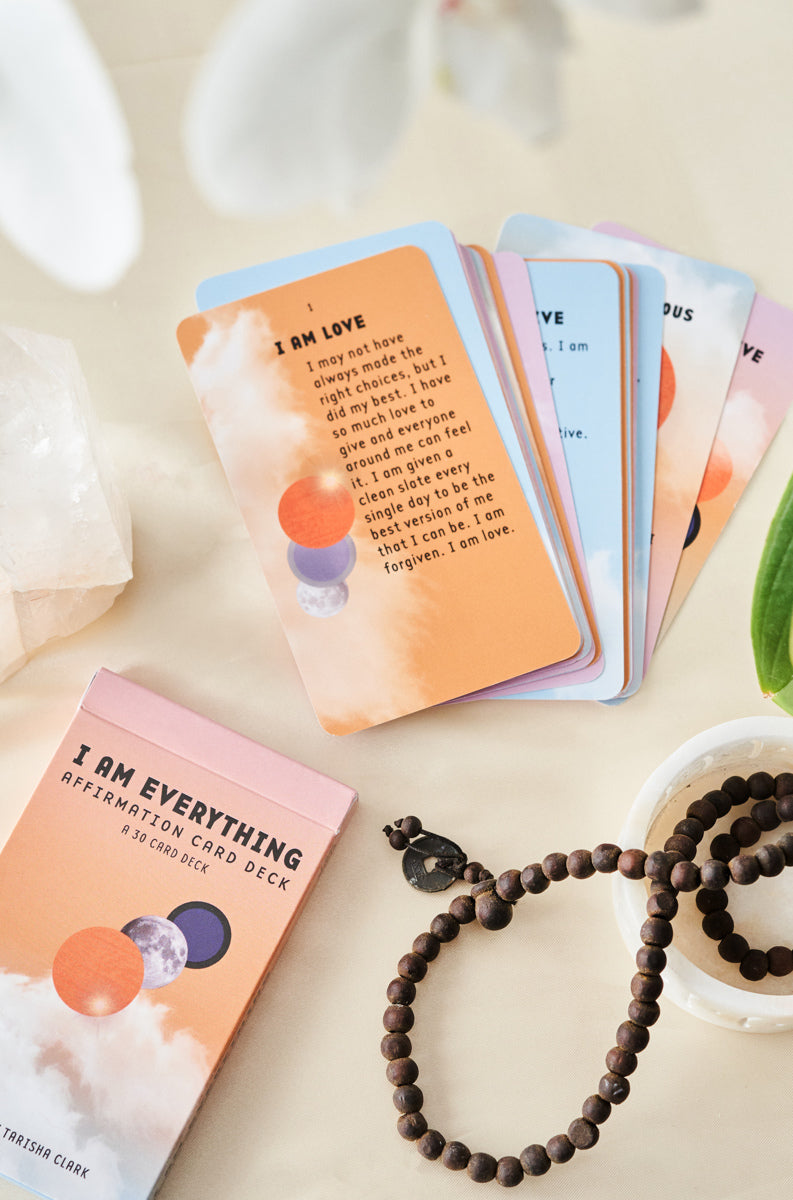
Credit: lovebyluna.co
How To Use Affirmations For Best Results
Knowing affirmations is not enough. Here’s how to get real benefits:
1. Repeat Regularly
Say your affirmations every day. Morning and night are popular times. The more you repeat, the stronger the effect.
2. Speak With Feeling
Don’t just say the words. Feel their meaning. Imagine them as true, even if you doubt.
3. Write Them Down
Writing helps your brain remember and believe. Try keeping a notebook for affirmations.
4. Place Reminders
Stick notes on your mirror, computer, or phone. This keeps affirmations in your daily life.
5. Use In Tough Moments
When you feel stressed or afraid, pause and repeat your affirmation. This can shift your mood quickly.
6. Adjust To Fit You
Change words so they feel natural. “I am strong” might become “I am finding my strength. ” Personal connection is key.
Examples Of Affirmations In Real Life
Let’s see how affirmations work for different people:
- Student: Before exams, saying “I am prepared and confident” helps reduce anxiety.
- Parent: During busy days, “I am patient and loving with my children” keeps the focus on positive parenting.
- Job Seeker: Before interviews, “I am a valuable and capable candidate” builds self-assurance.
- Recovering from Illness: Repeating “My body is healing every day” can support hope and patience.
One beginner mistake is using too many affirmations at once. Start with 2–3 that matter most to you.
Comparing General Vs. Specific Affirmations
Some people wonder: Should I use broad affirmations or focus on my current problem? Here’s a comparison.
| Type | Example | When Useful | Potential Limitation |
|---|---|---|---|
| General | I am enough | Any situation, building overall confidence | May not address specific needs |
| Specific | I am calm during interviews | Facing a special challenge or event | Might not cover wider issues |
A good practice is to use both: a general affirmation daily, plus specific ones as needed.
Common Mistakes Beginners Make
Even though affirmations sound easy, some people do not see results. Here’s why:
- Not believing the words: If you feel your affirmation is a lie, it won’t work. Try softer versions like “I am learning to…” or “I am open to…”
- Saying too many at once: Focus on a few, not a list of twenty.
- Only using them when things are bad: Affirmations work best with regular practice, not just in crisis.
- Ignoring feelings: Don’t just say words—connect with your emotions.
Scientific Insights About Affirmations
Many studies show that affirmations can help. For example, research from top universities found that self-affirmation can:
- Reduce stress and improve problem-solving under pressure.
- Protect self-worth when facing criticism.
- Support changes in health behavior, like eating better.
However, affirmations are not magic. They work best when combined with actions—like setting goals, practicing self-care, or talking with someone you trust. For a deeper scientific overview, see this Wikipedia summary.
Choosing The Right Affirmation For You
How do you pick the best affirmation for your life? Try these tips:
1. Identify Your Main Need
Ask yourself: What area of life feels hardest right now? Is it confidence, health, relationships, or something else?
2. Test Different Affirmations
Try saying a few and notice how you feel. The best affirmation makes you feel hopeful, not stressed.
3. Adjust The Wording
Change the phrase so it feels like your own voice. “I am strong” could become “I am getting stronger every day. ”
4. Stick With It
Give each affirmation at least a week before switching. Change takes time.
The Role Of Visualization With Affirmations
One powerful tip many miss: Combine affirmations with visualization. When you say “I am confident,” imagine yourself walking into a room with your head up, smiling, and feeling sure of yourself. Visualization makes the message stronger for your brain.
When Affirmations Feel Hard
Sometimes, affirmations can feel fake. For example, someone struggling with sadness might not believe “I am happy.” In this case, use bridge statements:
- “I am open to feeling better.”
- “I am learning to find joy each day.”
These smaller steps can lead to bigger changes over time.
Using Affirmations In Groups
Affirmations don’t have to be private. Many teams, families, and friends use them together. For example, teachers may start class with “We are ready to learn. ” Work teams may say, “Together, we succeed. ” Shared affirmations can build unity and trust.
Tracking Your Affirmation Progress
A practical way to see results is to track your feelings and progress. Here’s a simple method:
| Day | Affirmation Used | How I Felt (1-10) | Notes |
|---|---|---|---|
| Monday | I am calm and focused | 7 | Felt less anxious before meeting |
| Tuesday | I am enough | 6 | Started to believe it more |
| Wednesday | I am learning and growing | 8 | Tried a new skill at work |
This habit helps you see small wins and adjust affirmations as you grow.
Advanced Tip: Pair Affirmations With Actions
Another insight most beginners miss: Affirmations are strongest when linked to real actions. For example, say “I am committed to my goals” and then take a small step—like making a plan or sending an email. Words plus action build real change.
Comparing Affirmations To Other Self-help Tools
Affirmations are not the only way to improve your mindset. Here’s a quick look at how they compare:
| Tool | Main Purpose | How to Use | Best For |
|---|---|---|---|
| Affirmations | Change thoughts | Repeat positive statements daily | Building confidence, reducing stress |
| Journaling | Reflect and process feelings | Write thoughts and experiences | Understanding emotions, problem-solving |
| Meditation | Calm mind and body | Focus on breath or a word | Relaxation, clarity |
| Visualization | Imagine success | Picture positive outcomes | Preparation, motivation |
For best results, mix these tools. For example, write an affirmation in your journal, meditate on it, and imagine it coming true.
Inspiring Stories: Real People Using Affirmations
- Maria, a nurse, used “I am strong and capable” during long work shifts. She says it helped her handle stress and stay positive.
- Samir, a student, repeated “I am calm and prepared” before each test. His grades improved and his anxiety dropped.
- Lina, recovering from injury, focused on “My body is healing every day.” She noticed more hope and patience in her recovery.
One insight: Most people do not feel instant results. Change is slow but steady.
How To Teach Affirmations To Children
Even young kids can benefit from affirmations. Use simple phrases like:
- “I am smart.”
- “I am kind.”
- “I am a good friend.”
Say these together in the morning or before school. Children learn confidence from hearing positive words, especially from parents and teachers.
Cultural Differences In Affirmation Use
Affirmations are popular worldwide, but not every culture uses them the same way. In some places, group support is more important than solo self-talk. In others, spiritual or religious phrases are common. Always choose words that fit your values and beliefs.
How Long Does It Take To See Results?
People often ask: How quickly do affirmations work? Most experts say it takes at least a few weeks of daily practice to notice changes. The key is consistency. If you skip days or give up early, you may not see results. Stick with it, even if progress feels slow.
When Affirmations Are Not Enough
Affirmations are a tool, not a cure-all. If you face deep sadness, trauma, or mental health struggles, affirmations alone may not be enough. It’s okay to ask for help—from friends, family, or professionals. Affirmations work best as part of a bigger support system.
Frequently Asked Questions
What Is The Best Affirmation For Everything?
The most universal affirmation is “I am enough.” It supports confidence, peace, and self-worth in almost any situation. For special needs, combine it with specific affirmations for your goals.
How Often Should I Say Affirmations?
Repeat your affirmations at least once in the morning and once before bed. For best results, also use them during stressful moments or when you need a boost.
What If I Don’t Believe My Affirmation?
If your affirmation feels untrue, start with a softer phrase like “I am learning to…” or “I am open to…” This builds belief gradually. Adjust the wording until it feels right.
Can I Write My Own Affirmations?
Yes! Personal affirmations are often more powerful. Use positive, present-tense words that fit your needs. Test different phrases until you find what works.
Do Affirmations Have To Be Spoken Out Loud?
Speaking out loud is strong, but you can also write them, think them quietly, or listen to audio recordings. Choose the method that feels most comfortable and natural for you.
Affirmations are simple, but their power grows with practice, patience, and belief. With the right words and daily commitment, you can change how you think, feel, and live—one sentence at a time.
