

Benefits of Writing Affirmations
Imagine starting your day with a powerful thought: “I am confident and ready to face any challenge.” This is an affirmation—a positive statement about yourself. Many people use affirmations to change their mindset, boost their confidence, and achieve goals. But what happens when you write affirmations instead of just saying them? The simple act of writing can unlock deeper benefits for your mind and daily life. Let’s explore why writing affirmations can be a game-changer, and how you can use them to transform your thinking.
What Are Affirmations?
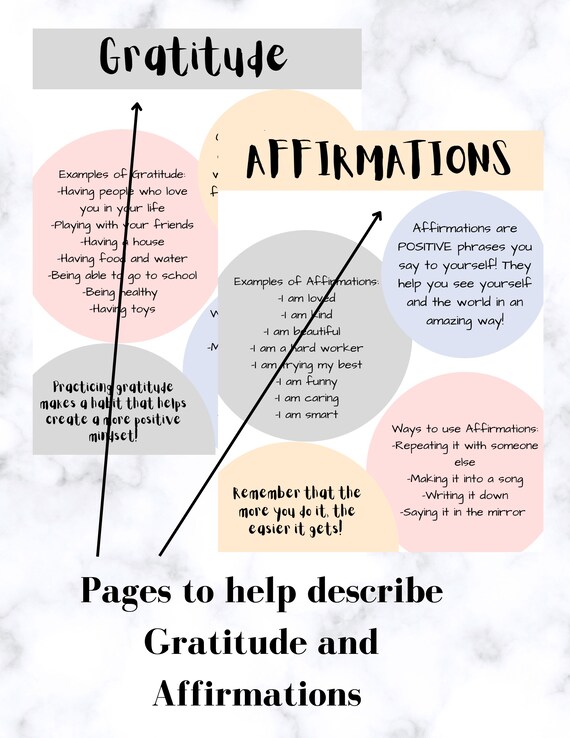
Affirmations are short, positive statements you repeat to yourself. They focus on qualities you want to develop or goals you want to reach. For example, “I am strong,” “I can learn new things,” or “I deserve happiness. ” The purpose is to change how you think and feel, so you can act differently and improve your life.
When you write affirmations, you take these statements and put them on paper. This process is simple, but it can make the affirmations much more powerful. Writing helps your mind focus, and it makes your goals feel real.
How Writing Affirmations Works
Writing affirmations is more than just copying words. It is a practice that connects your thoughts, feelings, and actions. When you write, your brain pays more attention to the words, and you remember them better. This is called the encoding effect—a psychological principle that says information is remembered better when you write it down.
Here’s how the process usually works:
- Choose a positive statement that fits your goal or desire.
- Write it down in a notebook, journal, or on sticky notes.
- Repeat the process daily—some people write the same affirmation multiple times each day.
- Reflect on the words as you write, and try to feel their meaning.
This simple routine can help you change your mindset, and over time, your habits and actions.

Credit: www.teacherspayteachers.com
Key Benefits Of Writing Affirmations
Writing affirmations offers many advantages. Let’s look at the main benefits and how they impact your life.
1. Deepens Self-belief
When you write “I am capable,” your mind starts to accept it. The act of writing makes the statement feel real and personal. Research shows that writing self-affirming statements can boost your self-confidence and reduce self-doubt. This is especially helpful for people who struggle with negative thoughts.
2. Strengthens Focus And Clarity
Writing forces you to concentrate. If you simply say an affirmation, your mind might wander. But when you write, you must pay attention to each word. This creates a clear picture in your mind of what you want. People who write affirmations often find it easier to set goals and plan their day.
3. Activates Positive Emotions
Affirmations are meant to make you feel good. Writing them can trigger positive feelings, such as hope, gratitude, and excitement. These emotions help you stay motivated, especially when life feels difficult. According to studies, positive emotions can improve your health, relationships, and productivity.
4. Rewires Negative Thinking
Our brains often repeat negative thoughts like “I’m not good enough.” Writing affirmations gives you a tool to replace these thoughts with positive ones. Over time, your mind learns to focus on strengths instead of weaknesses. This process is known as neuroplasticity—the brain’s ability to change and adapt.
5. Builds Consistency And Discipline
Creating a daily routine of writing affirmations helps you become more disciplined. You learn to set aside time each day for reflection and growth. This builds consistency, which is key to changing habits. Many successful people use affirmations as part of their morning routine.
6. Boosts Goal Achievement
When you write affirmations about your goals, such as “I will finish my project,” you become more likely to take action. The written words remind you of your purpose. Studies show that people who write their goals are more likely to achieve them compared to those who only think about them.
7. Improves Mental Health
Writing affirmations can reduce stress, anxiety, and depression. Positive statements help you shift your focus from problems to solutions. Some therapists recommend affirmations as part of treatment for mental health issues. This practice is simple, but can be very effective.
8. Enhances Memory And Learning
The act of writing helps you remember information. If you write affirmations, you are more likely to recall them during the day. This is especially useful for students or anyone trying to learn new skills. Writing also helps you understand the meaning of the affirmation more deeply.
9. Makes Affirmations Personal
When you write your own affirmations, you can tailor them to your needs. This makes them more powerful. Instead of repeating generic statements, you create messages that fit your life and dreams. Personal affirmations have a stronger impact on your mindset.
10. Encourages Reflection And Growth
Writing affirmations is a time for self-reflection. You think about what you want, what you value, and where you are going. This helps you grow as a person. Over time, you may notice patterns in your writing, and you can adjust your affirmations to match your progress.
Scientific Evidence Behind Affirmations
Many people wonder if affirmations really work. The science suggests they can be effective, especially when you write them.
A study published in the journal “Psychological Science” found that self-affirmation can reduce stress and improve performance. Participants who wrote affirmations before a stressful task performed better than those who did not.
Another research from Carnegie Mellon University showed that affirmations can help people manage difficult situations. They are especially helpful for people with low self-esteem.
Here is a comparison of the effects of spoken vs. written affirmations:
| Method | Memory Retention | Emotional Impact | Behavior Change |
|---|---|---|---|
| Spoken | Medium | Moderate | Low |
| Written | High | Strong | Medium to High |
This table shows that writing affirmations generally leads to better results.
How To Write Effective Affirmations
Not all affirmations are equal. The way you write them can change their impact. Here are practical tips to make your affirmations more effective:
- Be Positive: Use positive words. Say what you want, not what you don’t want.
- Be Present: Write affirmations in the present tense. For example, “I am confident” instead of “I will be confident.”
- Be Specific: Make your statement clear and detailed. “I am organized and finish my tasks on time” is better than “I am successful.”
- Keep It Short: Use simple language. The best affirmations are easy to remember.
- Make It Personal: Write affirmations that fit your life, values, and goals.
- Repeat Regularly: Write your affirmations daily, preferably at the same time.
Here’s an example of a good affirmation: “I handle challenges calmly and find solutions quickly.” This statement is positive, present, specific, and personal.
Practical Examples Of Written Affirmations
To help you get started, here are some sample affirmations for different situations:
For Confidence
- “I trust myself to make good decisions.”
- “I am proud of my achievements.”
- “I speak up and share my ideas.”
For Health
- “I care for my body with healthy food and exercise.”
- “I am strong and energetic.”
- “I listen to my body’s needs.”
For Relationships
- “I communicate openly with others.”
- “I am kind and patient.”
- “I attract positive, supportive people.”
For Success
- “I am focused and productive.”
- “I reach my goals step by step.”
- “I learn from every experience.”
These examples are simple, but you can create your own. Think about what you want to change or improve, and write a statement that inspires you.
Common Mistakes When Writing Affirmations
Even though writing affirmations is simple, people often make mistakes. Here are some common errors and how to avoid them:
- Being too vague: If your affirmation is not clear, it won’t be effective. Avoid statements like “I am happy,” and try “I find joy in daily activities.”
- Using negative words: Avoid words like “not,” “never,” or “can’t.” Focus on positive language.
- Writing in future tense: “I will be confident” is less powerful than “I am confident.”
- Lack of repetition: Writing an affirmation once is not enough. Make it a habit.
- Ignoring feelings: If the affirmation does not feel true or meaningful, it won’t work. Choose statements that you believe in, or that inspire you.
Who Should Use Written Affirmations?
Written affirmations can help almost anyone. But some people may benefit more:
- Students: To boost learning and confidence.
- Professionals: For focus, productivity, and stress management.
- People with anxiety or low self-esteem: To build a positive mindset.
- Athletes: For motivation and mental strength.
- Anyone facing change: To adapt and stay positive.
Even if you are not facing a big challenge, affirmations can be a tool for personal growth.
How Written Affirmations Compare To Other Techniques
You might wonder how written affirmations compare to other self-improvement methods. Here is a quick comparison:
| Technique | Ease of Use | Emotional Impact | Long-term Effect |
|---|---|---|---|
| Written Affirmations | Simple | High | Strong |
| Meditation | Moderate | Medium | Strong |
| Visualization | Moderate | High | Medium |
| Goal Setting | Simple | Medium | Medium |
Written affirmations are easy to use and have a strong emotional effect. They also work well with other techniques, such as meditation or goal setting.
How Often Should You Write Affirmations?
There is no fixed rule, but most experts suggest writing affirmations daily. Some people write them in the morning to start the day with a positive mindset. Others write them at night to reflect on their progress.
A study published in the “Journal of Experimental Social Psychology” showed that daily repetition increases the effectiveness of affirmations. The more often you write, the stronger the impact.
Here’s a sample daily routine:
- Choose 3-5 affirmations.
- Write each one 3 times.
- Reflect on their meaning for a few minutes.
- Repeat every day.
Consistency is more important than quantity. It’s better to write a few affirmations daily than many once in a while.
Real-life Success Stories
Many people have used written affirmations to change their lives. Here are a few examples:
- A student improved grades: By writing “I am focused and learn easily,” a student managed to stay motivated and achieved higher grades.
- An athlete overcame fear: An athlete wrote “I perform well under pressure,” and noticed less anxiety during competitions.
- A professional found confidence: A manager wrote “I lead my team with trust and respect,” and reported better relationships at work.
These stories show that written affirmations are more than just words—they can create real change.
The Power Of Handwriting Vs. Typing
Some people write affirmations by hand, while others use digital tools. Studies suggest handwriting is more powerful. When you use a pen and paper, your brain engages more areas linked to memory and emotion.
Here is a quick comparison:
| Method | Engagement | Retention | Personalization |
|---|---|---|---|
| Handwriting | High | Strong | Easy |
| Typing | Medium | Moderate | Easy |
If possible, use handwriting for your affirmations. It makes the practice more personal and memorable.
Credit: www.etsy.com
Non-obvious Insights About Written Affirmations
While many people know the basics of affirmations, there are a few insights that beginners often miss:
- Affirmations can reveal hidden beliefs: When you write an affirmation and feel resistance, it may show a limiting belief. This is a chance to explore and challenge your mindset.
- The act of writing can reduce stress: Even before the words have their effect, the physical act of writing can calm your mind. It becomes a form of mindfulness.
- Affirmations work best when linked to action: If you write “I am healthy,” but also plan healthy meals, the impact is much stronger.
- Changing your affirmations over time helps growth: As you progress, update your affirmations to match your new goals and achievements.
- Writing in your own language increases power: If English is not your first language, try writing affirmations in your native tongue. This makes them feel more real and emotional.
Using Affirmations For Different Life Stages
Affirmations are not just for adults. Children, teens, and seniors can benefit from writing positive statements.
- Children: Simple affirmations like “I am a good friend” can build self-esteem.
- Teens: Statements such as “I can handle challenges at school” help with stress and confidence.
- Adults: Affirmations about career, relationships, or health support growth and balance.
- Seniors: Positive statements about wisdom and purpose can help maintain a joyful mindset.
Adjust the language and focus of affirmations to fit your age and needs.
Integrating Affirmations Into Your Daily Routine
To get the most from written affirmations, try adding them to your daily habits. Here are practical ways to do this:
- Write affirmations in a journal every morning.
- Place sticky notes with affirmations on your mirror or desk.
- Add affirmations to your planner or calendar.
- Use a phone app to remind you to write and reflect.
If you combine affirmations with other habits—like meditation, gratitude, or exercise—the effect can be even stronger.
Affirmations And Productivity
One overlooked benefit is that writing affirmations can boost your productivity. When you focus on positive statements about your work, you are more likely to stay motivated and overcome distractions.
For example, writing “I finish tasks efficiently” or “I manage my time well” can help you develop a productive mindset. This is useful for students, professionals, and entrepreneurs.
A survey by Gallup found that positive mindset and engagement can improve productivity by up to 21%. Affirmations help create this positive mindset.
Affirmations And Physical Health
Affirmations can also impact your physical health. Research shows that positive self-talk can lower stress, which is linked to better heart health, lower blood pressure, and improved immune function.
Writing health-focused affirmations, such as “I care for my body” or “I enjoy being active,” can encourage you to make healthy choices. Over time, these statements can support your overall well-being.
Affirmations For Overcoming Challenges
Life is full of challenges. Written affirmations can be a tool to overcome difficulties such as:
- Stress at work or school
- Relationship problems
- Health issues
- Low self-esteem
- Fear of failure
When you write affirmations about your ability to handle these challenges, you build resilience. For example, “I remain calm under pressure,” or “I find solutions to every problem,” can help you face tough situations with confidence.
Combining Affirmations With Visualization
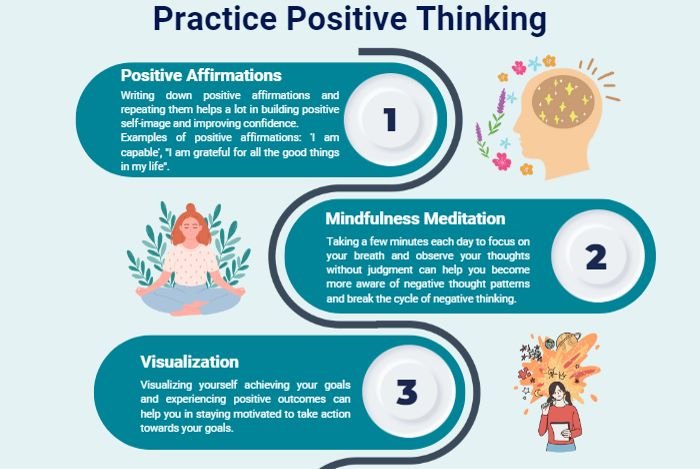
Visualization is another powerful technique. If you combine written affirmations with visualizing your goals, the effect can be stronger. For example, write “I am successful,” then picture yourself achieving a goal.
This combination helps your brain create a clear image of your desired outcome. It makes your goals feel possible and motivates you to take action.
Digital Tools For Writing Affirmations
If you prefer digital tools, there are apps and websites that help you write and track affirmations. These tools can send reminders, store your affirmations, and let you reflect on your progress.
Some popular options include:
- Gratitude Journal Apps
- Affirmation Reminder Apps
- Online Journals
These tools are useful, but remember—handwriting is usually more effective for memory and emotion.
Credit: nupurjalan.com
The Role Of Community And Support
Writing affirmations does not have to be a solo activity. You can share affirmations with friends, family, or support groups. This creates a positive environment and encourages growth.
Some online communities offer affirmation challenges, where members write and share daily affirmations. This can boost motivation and accountability.
If you want to learn more about the science behind affirmations, you can visit Psychology Today.
Frequently Asked Questions
What Is The Best Time To Write Affirmations?
The best time is when you feel calm and focused. Many people write affirmations in the morning to start their day positively, or at night to reflect and relax. Choose a time that fits your routine and stick to it for consistency.
Can Written Affirmations Help With Anxiety?
Yes, written affirmations can reduce anxiety. By focusing on positive statements, you shift attention away from worries. This helps calm your mind and build confidence. For severe anxiety, combine affirmations with other methods like therapy.
How Long Does It Take For Affirmations To Work?
It depends on the person and the situation. Some people notice changes in a few days, others may need weeks or months. The key is daily repetition and belief in the statement. Over time, your mindset will shift.
Should I Write The Same Affirmation Every Day?
You can write the same affirmation daily, or change it as your goals evolve. Consistency helps, but updating your affirmations keeps them relevant and meaningful. Listen to your feelings and adjust as needed.
Is It Better To Write Or Say Affirmations?
Writing is usually more effective than just saying affirmations. It engages your brain more deeply and helps you remember the statement. However, combining both—writing and saying—can strengthen the effect.
Writing affirmations is a simple practice with powerful results. It can change your mindset, boost your confidence, and help you reach your goals. Whether you are a student, professional, or anyone seeking growth, this tool is easy to use and fits any lifestyle.
Try writing your own affirmations today, and see how your life transforms step by step.
