

Benefits of Affirmations
Many people have heard about affirmations—simple positive statements you repeat to yourself. But you might wonder: can repeating words really change anything? The answer is yes. For decades, psychologists and wellness experts have studied how affirmations can shape thoughts, feelings, and actions. This article explores the real benefits of affirmations, backed by science and practical experience. Whether you want to boost your confidence, reduce stress, or reach your goals, you’ll find useful insights here.
Understanding Affirmations
Affirmations are short, positive sentences that you say or write to yourself. Examples include, “I am capable,” “I am healthy,” or “I deserve happiness.” The idea is simple: by repeating these statements, you train your mind to believe them. But affirmations are more than just words. They are a tool to focus your attention, challenge negative thoughts, and build a stronger mindset.
Some people worry that affirmations are just wishful thinking. However, studies show that regular use of affirmations can have real effects. They help you redirect your thinking, which can change how you feel and act. For those who struggle with self-doubt or anxiety, affirmations can be a practical way to start changing habits.
Psychological Benefits
Changing Negative Thought Patterns
One of the main benefits of affirmations is their power to challenge negative self-talk. Many people experience thoughts like “I’m not good enough,” or “I always fail.” These thoughts can become automatic, especially during stress. Affirmations help you notice these patterns and replace them with positive ones.
Research has shown that people who use affirmations are more likely to develop resilient thinking. By repeating positive statements, you teach your brain to look for strengths and possibilities, not just weaknesses.
Boosting Self-esteem
Self-esteem is how you value yourself. Low self-esteem can affect every area of life, from relationships to work. Affirmations are a proven method to improve self-esteem. When you say, “I am worthy,” or “I am strong,” you reinforce positive beliefs about yourself.
A study published in the journal Self and Identity found that self-affirmation improved participants’ self-worth, especially during challenging situations. Even simple affirmations can make a difference if practiced consistently.
Reducing Stress And Anxiety
Affirmations can also help manage stress and anxiety. When you feel overwhelmed, repeating calming statements can help regulate your emotions. For example, saying “I am calm and in control” can remind you to breathe and focus.
Psychologists often recommend affirmations to people dealing with anxiety. The act of repeating positive statements helps distract from worries and shift attention to the present moment. This can reduce the physical and mental effects of stress.
Promoting Motivation And Optimism
If you want to feel more motivated and optimistic, affirmations can help. Positive statements like “I am moving forward,” or “I believe in my abilities,” encourage action. They remind you of your goals and keep you focused.
Studies show that optimistic people tend to achieve more and handle setbacks better. Affirmations are a simple way to build an optimistic mindset. Over time, this can lead to greater success and satisfaction.
Physical And Health Benefits
Supporting Healthy Habits
Affirmations can influence physical health by supporting positive habits. For example, people trying to exercise more might use statements like “I enjoy moving my body,” or “I am getting stronger every day.” This helps create a positive attitude toward healthy actions.
A study in Health Psychology found that affirmations helped participants stick to health routines, such as regular exercise and balanced eating. By focusing on positive outcomes, affirmations make healthy habits feel more rewarding.
Reducing Physical Symptoms Of Stress
Chronic stress can cause real physical problems—headaches, muscle tension, and digestive issues. Affirmations can help lower stress levels, which may reduce these symptoms. When you repeat calming phrases, your body responds by relaxing.
For example, a person experiencing stress might say, “My body is relaxed and at ease. ” Over time, this practice can lead to improved physical well-being.
Improving Sleep Quality
Good sleep is essential for health. Many people struggle with insomnia or restless nights because of worries and negative thoughts. Affirmations can help calm the mind before bed. Phrases like “I am letting go of today,” or “I am ready for peaceful sleep,” can make it easier to relax.
Some wellness coaches recommend combining affirmations with deep breathing. This routine can signal to your body that it’s time to rest, improving sleep quality.
Emotional Benefits
Building Emotional Resilience
Emotional resilience is the ability to bounce back from difficult experiences. Affirmations play a role in building resilience by reminding you of your strengths. When you face challenges, positive statements can help you stay grounded.
For example, during a tough time, saying “I can handle this,” or “I am stronger than I think,” can help you recover faster. This is especially helpful for people dealing with loss, disappointment, or big changes.
Enhancing Emotional Intelligence
Affirmations can also improve emotional intelligence—the ability to understand and manage your emotions. By repeating statements like “I am aware of my feelings,” or “I express myself calmly,” you become more mindful of your emotions.
Emotional intelligence is linked to better relationships and decision-making. Affirmations help you develop this skill by encouraging self-awareness and self-control.
Deepening Self-compassion
Many people are hard on themselves. Affirmations encourage self-compassion—kindness toward yourself. Saying “I forgive myself,” or “I am doing my best,” helps you treat yourself with care.
Self-compassion is important for mental health. It reduces feelings of shame and increases motivation. Affirmations make it easier to practice self-compassion, especially after mistakes.
Social And Relationship Benefits
Improving Communication
Affirmations can help you communicate more confidently. If you are nervous about speaking in public or having a difficult conversation, positive statements can prepare you. For example, “I express myself clearly,” or “I listen with respect,” can boost your confidence.
People who use affirmations often report better interactions with others. They feel more secure in their abilities and less anxious about social situations.
Building Stronger Relationships
Healthy relationships require trust and respect. Affirmations support both. By using statements like “I appreciate my partner,” or “I am a good friend,” you focus on positive qualities in yourself and others.
This practice can improve your attitude toward relationships. You become more patient, understanding, and supportive.
Encouraging Empathy
Empathy is the ability to understand and share another person’s feelings. Affirmations such as “I am open to others’ perspectives,” can help you become more empathetic. This leads to more meaningful connections and fewer misunderstandings.
Empathy is essential for teamwork and leadership. Affirmations can make it easier to develop this skill, especially if you struggle with conflict or communication.
Affirmations And Goal Achievement
Clarifying Goals
Affirmations help clarify your goals by focusing your attention. When you repeat statements like “I am achieving my goals,” or “I am moving toward success,” you remind yourself what you are working for.
Clarity is important. It helps you avoid distractions and stay committed. Affirmations provide a daily reminder, making it easier to track progress.
Enhancing Persistence
Success often depends on persistence. Affirmations encourage you to keep going, even when things get tough. Statements like “I am determined,” or “I never give up,” reinforce your commitment.
Research in psychology shows that people who use affirmations are less likely to quit when facing obstacles. The positive self-talk boosts motivation and strengthens willpower.
Overcoming Fear Of Failure
Fear of failure can stop you from trying new things. Affirmations help reduce this fear by promoting a growth mindset. Saying “I learn from my mistakes,” or “I am not afraid to fail,” makes it easier to take risks.
A growth mindset is key for learning and improvement. Affirmations support this by encouraging curiosity and resilience.
How Affirmations Work: The Science
Cognitive Restructuring
Affirmations are a form of cognitive restructuring. This means changing how you think about yourself and your life. By repeating positive statements, you challenge old beliefs and create new ones.
Psychologists use cognitive restructuring to treat anxiety and depression. Affirmations are a simple way to apply this technique at home.
Neuroplasticity
The brain can change and adapt. This is called neuroplasticity. When you use affirmations, you create new pathways in the brain. Over time, these pathways become stronger, making positive thinking more automatic.
Studies using brain scans show that regular affirmation practice can influence brain activity. This supports the idea that thoughts can shape behavior and emotions.
Self-affirmation Theory
Self-affirmation theory suggests that reminding yourself of your values and strengths can protect you from threats to your self-image. When you use affirmations, you reinforce your identity and feel less defensive.
This theory explains why affirmations work well in stressful situations. They help you stay confident and focused, even when facing criticism or setbacks.
Practical Ways To Use Affirmations
Daily Routine
To see benefits, practice affirmations daily. Choose 3–5 statements that match your goals or challenges. Repeat them in the morning, before bed, or during stressful moments.
Some people write affirmations in a journal. Others say them out loud or silently. The key is consistency.
Personalizing Your Affirmations
Generic statements work, but personalized affirmations are more powerful. Think about what you want to change or achieve. Create statements that reflect your values and needs.
For example, instead of “I am successful,” try “I am confident in my abilities at work. ” This makes the affirmation more relevant.
Visualization
Combine affirmations with visualization. Imagine yourself achieving your goals or feeling positive. This strengthens the effect and makes the statements more believable.
Visualization is used by athletes, performers, and leaders. It helps turn affirmations into real actions.
Using Technology
Apps and digital tools can support your affirmation practice. Many apps send daily reminders or let you record your affirmations. This makes it easier to stay on track.
Some people prefer sticky notes or phone alarms. Choose a method that fits your lifestyle.
Common Mistakes And How To Avoid Them
Using Negative Language
Affirmations should be positive. Avoid statements like “I am not anxious,” or “I will not fail. ” The brain focuses on the main word—“anxious” or “fail. ” Instead, use “I am calm,” or “I am learning. ”
Lack Of Belief
If you don’t believe your affirmations, they won’t work. Start with statements you can accept. For example, instead of “I am perfect,” use “I am improving every day. ”
Over time, you can build up to stronger statements as your confidence grows.
Inconsistency
Affirmations need regular practice. If you only use them once or twice, you won’t see results. Set a routine and stick with it.
Ignoring Emotions
Affirmations are not a magic cure. If you feel strong negative emotions, acknowledge them first. Use affirmations to support your recovery, not to hide feelings.
Comparing Progress
Everyone moves at their own pace. Don’t compare your progress with others. Focus on your own journey.
Real-life Examples Of Affirmations In Action
Athletes
Many athletes use affirmations to boost performance. For example, a runner might say, “I am fast and focused,” before a race. This helps them stay motivated and confident.
Serena Williams, a famous tennis player, has spoken about using positive self-talk to overcome challenges.
Students
Students use affirmations to build confidence and manage exam stress. Statements like “I am prepared,” or “I can handle this test,” help reduce anxiety.
Teachers sometimes encourage students to use affirmations for better learning and focus.
Professionals
In the workplace, affirmations can improve performance and teamwork. For example, “I am a valuable team member,” or “I handle challenges with grace,” are common.
Leaders often use affirmations to stay positive during tough times.
People Managing Health Conditions
Affirmations support people dealing with illness or recovery. Statements like “I am healing,” or “I am strong,” help maintain hope and motivation.
Health coaches often recommend affirmations as part of holistic care.

Credit: www.kelphr.com
Comparison Of Affirmations To Other Mental Wellness Tools
Sometimes people wonder how affirmations stack up against other tools like meditation or therapy. Here’s a quick comparison:
| Method | Main Focus | Ease of Use | Typical Benefits |
|---|---|---|---|
| Affirmations | Positive self-talk | Very easy | Confidence, motivation, stress reduction |
| Meditation | Mindfulness and awareness | Moderate | Calmness, focus, emotional balance |
| Therapy | Deep emotional work | Requires professional | Long-term change, support |
| Journaling | Reflection and clarity | Easy | Insight, stress relief |
Affirmations are simple and quick. They can be used alone or with other methods for best results.
Data On Affirmation Effectiveness
Research has explored how well affirmations work. Here are some findings:
| Study | Participants | Main Outcome | Effect Size |
|---|---|---|---|
| Self-Affirmation and Stress | College students | Reduced stress after affirmation practice | Moderate |
| Affirmations and Self-Esteem | Adults | Improved self-esteem over 4 weeks | Strong |
| Health Affirmations | Patients with chronic illness | Better coping and optimism | Moderate |
While results vary, most studies show that affirmations help, especially when combined with other wellness practices.

Credit: abundantaffirmationsblog.com
Tips For Making Affirmations Work
- Be Specific: Choose statements that relate to your actual goals.
- Keep it Positive: Avoid negative words or phrases.
- Practice Regularly: Daily repetition is key.
- Combine with Action: Use affirmations alongside practical steps.
- Stay Patient: Change takes time; results may be slow but steady.
- Use Visualization: Picture the outcome you want.
- Adjust as Needed: Change your affirmations if your goals or feelings shift.
- Pair with Other Tools: Meditation, journaling, or therapy can enhance results.
- Speak Out Loud: Saying affirmations aloud increases their impact.
- Write Them Down: Writing helps reinforce the message.
Non-obvious Insights Beginners Often Miss
- Timing matters: Using affirmations during emotional highs or lows can make them more effective. For example, during a stressful moment, a calming affirmation helps more than when you’re already relaxed.
- Body language impacts results: If you say affirmations while standing tall and smiling, your brain is more likely to believe them. This is called “embodied cognition.”
- Affirmations can change your environment: When you use affirmations regularly, people around you may notice your confidence and positivity. This can improve relationships and create a better atmosphere at work or home.
- Quality is more important than quantity: Ten strong affirmations you believe are better than 100 generic ones.
- Affirmations can reveal hidden beliefs: Sometimes, when you repeat an affirmation and feel resistance, it shows an area you need to work on.
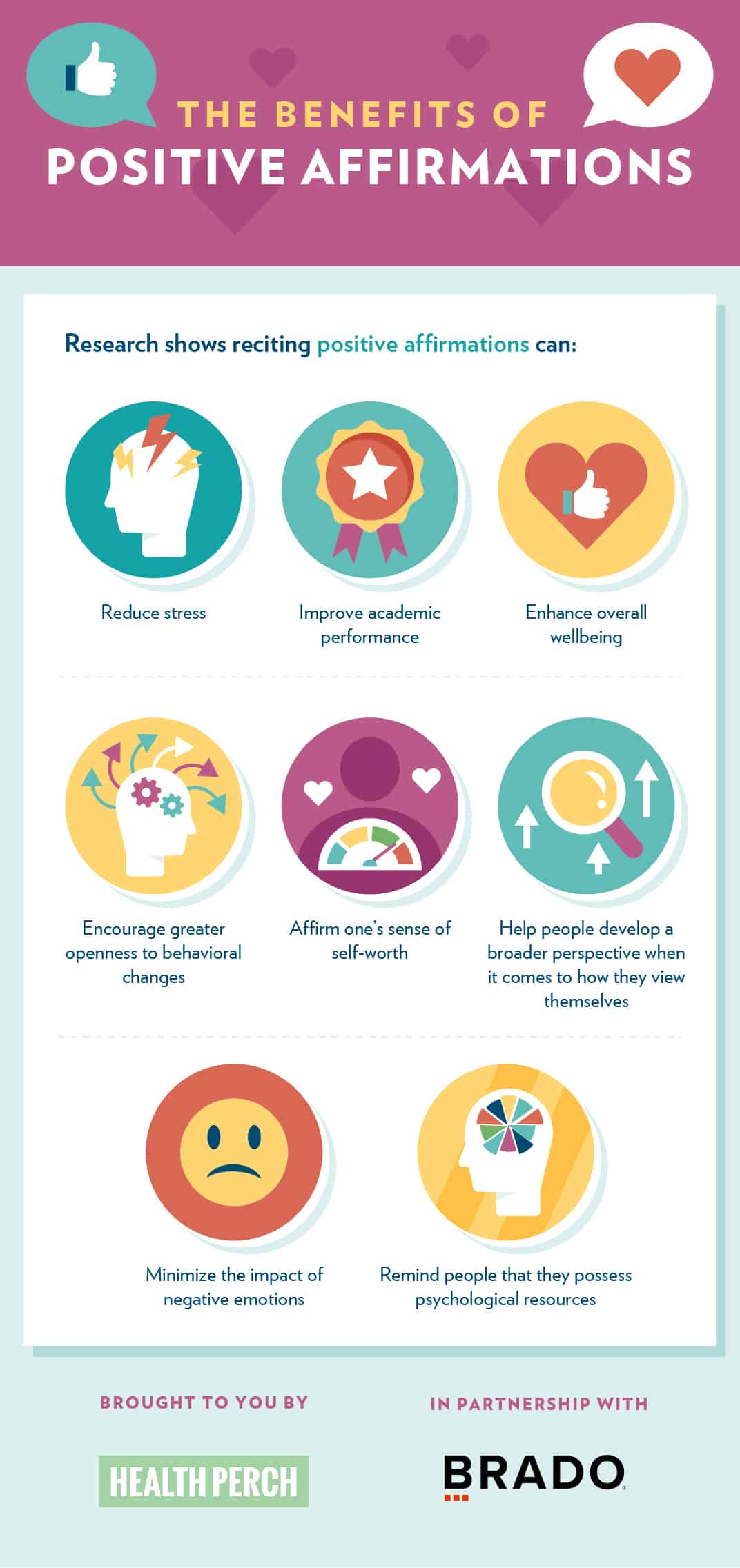
Credit: ecogreenlove.com
Examples Of Effective Affirmations
If you’re unsure where to start, try these examples:
- “I am confident in myself.”
- “I deserve happiness and success.”
- “I am learning and growing every day.”
- “I am calm and centered.”
- “I am grateful for what I have.”
- “I am strong and resilient.”
- “I trust myself to make good decisions.”
- “I handle challenges with grace.”
- “I am worthy of love and respect.”
- “I am open to new experiences.”
Choose affirmations that match your goals or challenges. Personalize them for best results.
When Affirmations Might Not Work
Affirmations are helpful, but not a cure-all. If you have deep emotional pain, trauma, or mental health issues, affirmations alone may not be enough. In these cases, combine affirmations with professional support.
Some people find affirmations uncomfortable at first. This is normal. If you feel resistance, start with gentle statements and build over time.
Affirmation Practice Table: Daily Use
Here’s a simple guide to integrating affirmations into your routine:
| Time | Action | Example Affirmation |
|---|---|---|
| Morning | Repeat 3 affirmations aloud | “I am ready for today’s challenges.” |
| Midday | Write 1 affirmation in your journal | “I am focused and productive.” |
| Evening | Reflect and say 1 affirmation before bed | “I am grateful for today’s experiences.” |
Consistency is key. Choose times that fit your schedule.
Frequently Asked Questions
What Are Affirmations?
Affirmations are short, positive statements you repeat to yourself. Their purpose is to encourage positive thinking and support changes in behavior, emotions, or beliefs. Examples include “I am confident,” or “I am healthy. ”
How Often Should I Use Affirmations?
For best results, practice affirmations daily. You can say them in the morning, before bed, or during stressful times. Some people use affirmations several times a day, while others stick to a single routine.
Can Affirmations Help With Anxiety Or Depression?
Affirmations can support mental health by reducing negative thinking and promoting a positive mindset. However, they are not a substitute for professional treatment. If you struggle with severe anxiety or depression, combine affirmations with help from a therapist or counselor.
What If I Don’t Believe My Affirmations?
It’s normal to feel some resistance at first. Start with statements you can accept and gradually build up to stronger affirmations. Over time, your confidence and belief will grow.
Where Can I Learn More About Affirmations?
Many books, articles, and online resources offer guidance on affirmations. You can read more about the science and practice at Wikipedia for a deeper look into research and methods.
Affirmations are a simple tool, but their effects can be powerful. The key is regular practice, positive language, and personal relevance. With time, you may notice changes in your mood, confidence, and even your life’s direction. The benefits of affirmations are open to anyone willing to give them a real try.
