

Are Affirmations Real? Unveiling the Truth Behind Positive Thinking
Are Affirmations Real?
Many people talk about affirmations as a way to change their mindset, build confidence, or reach goals. Some say affirmations are powerful, while others believe they are just empty words. This topic is more than just repeating positive phrases; it is about understanding if affirmations actually work and how they affect our minds. If you’ve ever wondered if affirmations are real, or if they truly make a difference, this article will guide you through the facts, science, examples, and common misunderstandings. By the end, you’ll see the complete picture and know how affirmations fit into real life.
What Are Affirmations?
Affirmations are short positive statements that people repeat to themselves. These phrases are meant to help change thoughts, beliefs, or actions. For example, someone might say, “I am confident,” or “I can handle challenges.”
People use affirmations for many reasons:
- To build self-esteem
- To reduce stress
- To focus on goals
- To create new habits
Most affirmations are simple sentences. They are often said out loud, written down, or repeated silently. The purpose is to train the mind to accept new ideas.
How Do Affirmations Work?
The idea behind affirmations is that repeating positive statements can help rewire the brain. This process is called neuroplasticity, which means the brain can change and adapt.
When you repeat an affirmation, your mind starts to pay attention. Over time, your beliefs may shift. For example:
- If you often say, “I am capable,” you may start to feel more confident.
- If you repeat, “I deserve success,” you may become more motivated.
Affirmations work best when:
- They are specific and meaningful to you.
- You believe in what you are saying.
- You use them regularly.
But there is more to affirmations than just repetition. Your actions and feelings also play a role. Simply saying a phrase is not enough; you must connect with it emotionally and act in line with your words.
The Science Behind Affirmations
Many studies have looked at whether affirmations are real and effective. Research shows mixed results, but some key findings stand out.
Positive Effects On Stress And Self-esteem
One study found that self-affirmation can help reduce stress. When participants repeated positive statements about themselves, they felt calmer and less anxious. Another study showed that affirmations can boost self-esteem, especially for people who already have some confidence.
Impact On Performance
In research with students, those who used affirmations before a test performed better than those who did not. The reason is that affirmations can help lower fear and increase focus.
Limits And Conditions
However, affirmations do not work for everyone. For people with very low self-esteem, repeating positive phrases sometimes makes them feel worse. This happens because the mind may reject statements that feel untrue.
How The Brain Responds
Scientists use brain scans to study how affirmations affect the mind. When people repeat positive statements, areas linked to reward and motivation become active. This shows that affirmations can trigger real changes in the brain.
Here’s a simple comparison table showing how affirmations affect people differently:
| Type of Person | Effect of Affirmations | Emotional Response |
|---|---|---|
| High Self-Esteem | Boosts confidence | Positive |
| Low Self-Esteem | May cause discomfort | Negative or mixed |
| Neutral Self-Esteem | Gradual improvement | Mostly positive |
Common Types Of Affirmations
Affirmations come in many forms. Some are general, while others are targeted.
- Self-worth affirmations: “I am valuable.”
- Success affirmations: “I will achieve my goals.”
- Health affirmations: “I take care of my body.”
- Relationship affirmations: “I am loved and respected.”
- Stress-relief affirmations: “I am calm and peaceful.”
Different people use affirmations for different purposes. Choosing the right type matters. If your goal is confidence, you should use affirmations about self-worth. For health, focus on statements about well-being.

Credit: watermarkbooks.com
Practical Ways To Use Affirmations
Affirmations are not just for speaking. There are many ways to use them in daily life.
- Writing affirmations: Some people write their affirmations in a journal every morning. This helps the mind focus and remember the statements.
- Mirror practice: Saying affirmations while looking at yourself in a mirror can make them feel more real and personal.
- Recording and listening: You can record your affirmations and play them during the day.
- Visualization: Imagine yourself living the affirmation. For example, picture yourself acting with confidence while saying, “I am confident.”
- Habit stacking: Attach affirmations to existing routines, like brushing your teeth or drinking coffee.
Here’s a comparison table of affirmation methods and their effectiveness:
| Method | Ease of Use | Emotional Impact | Long-Term Effect |
|---|---|---|---|
| Writing | Easy | Medium | Good |
| Mirror practice | Moderate | High | Very good |
| Recording | Easy | Low | Medium |
| Visualization | Moderate | High | Excellent |
| Habit stacking | Easy | Medium | Good |
Real-life Examples And Stories
Many famous people use affirmations. Athletes, business leaders, and artists often repeat positive statements before big events.
- A professional athlete might say, “I am strong and ready,” before a competition.
- A CEO could repeat, “I lead with confidence,” before a meeting.
- Artists may use, “I am creative and inspired,” to boost their motivation.
One less-known insight is that affirmations can help people bounce back from setbacks. For example, after a failure, repeating, “I am resilient,” can help shift focus from the mistake to future possibilities.
Another insight beginners miss: affirmations are more effective when combined with action. If you say, “I am healthy,” but do not eat well or exercise, the affirmation loses power. Linking words to real behavior is critical.
Benefits And Limitations
Benefits
- Improved confidence: People often feel stronger after using affirmations.
- Reduced stress: Positive statements can calm the mind.
- Better focus: Affirmations help keep attention on goals.
- Support for habit change: They make new behaviors easier to start.
Limitations
- Not magic: Affirmations do not solve problems alone.
- Depends on belief: If you do not believe the statement, it may not work.
- May cause discomfort: For some, repeating affirmations feels fake or forced.
- Requires consistency: Results come from regular practice, not one-time use.
Why Some People Say Affirmations Are Not Real
Some critics argue that affirmations are not real because they do not produce instant results. Others feel that repeating phrases does not change anything. These views often come from misunderstandings:
- Expecting quick changes: Real change takes time. Affirmations are like exercise for the mind.
- Ignoring action: Affirmations need to be paired with effort and behavior.
- Choosing wrong statements: If an affirmation does not fit your situation, it feels empty.
One common mistake is using affirmations that are too vague or unrealistic. For example, saying, “I am rich,” without any plan or action, will not bring results. The best affirmations are believable and connected to real goals.
How To Create Effective Affirmations
If you want affirmations to work for you, follow these steps:
- Make them personal: Use “I” statements about yourself.
- Be specific: Choose clear goals, not vague wishes.
- Keep them positive: Focus on what you want to achieve, not what you want to avoid.
- Use present tense: Say, “I am confident,” not “I will be confident.”
- Connect with emotion: Feel the meaning behind the words.
For example, instead of saying, “I am successful,” use, “I am focused and making progress every day. ”
What Makes Affirmations Real?
The reality of affirmations depends on two things:
- Belief: If you believe in the statement, your mind is more likely to accept it.
- Action: Words must be matched by effort and change.
Affirmations are real when they help you:
- Change your thoughts
- Build new habits
- Reach goals
They become less real if you only repeat words without feeling or action.

Credit: realprosperityinc.com
Comparison: Affirmations Vs. Positive Thinking
Some people confuse affirmations with positive thinking. While they are similar, there are important differences.
| Affirmations | Positive Thinking |
|---|---|
| Specific statements | General mindset |
| Repeated daily | Ongoing attitude |
| Linked to goals | Linked to outlook |
| Can be measured | Harder to measure |
Affirmations work best when used with positive thinking. Together, they help create lasting change.
The Role Of Affirmations In Mental Health
Mental health professionals sometimes use affirmations in therapy. For people struggling with anxiety or depression, affirmations can be a tool to shift focus from negative thoughts to positive ones.
But therapists warn that affirmations are not a cure. They are a support, not a replacement for medical treatment.
A common mistake is using affirmations to avoid real problems. Instead, they should be part of a wider plan that includes talking, action, and support.
Evidence And Skepticism
There is strong evidence that affirmations can help some people. But not everyone experiences the same results. Skeptics point to cases where affirmations fail, or where people use them without understanding.
One non-obvious insight: affirmations work better for values-based goals than material goals. Saying, “I am kind and generous,” is easier for the mind to accept than, “I am rich and famous.”
If you want to learn more about scientific research on affirmations, you can visit Wikipedia for detailed studies and reviews.
Tips For Beginners
If you are new to affirmations, follow these tips:
- Start small: Choose one or two statements.
- Repeat daily: Consistency is key.
- Write them down: Seeing the words helps memory.
- Combine with action: Take steps toward your goals.
- Adjust as needed: Change affirmations if they do not feel right.
Many beginners miss the importance of feeling the words. Do not just recite. Try to connect emotionally.
Another insight: You do not need to share your affirmations with others. Some people prefer to keep them private, which can make them feel safer and more personal.
Affirmations In Different Cultures
Affirmations are not just a Western idea. Many cultures use positive statements in their traditions.
- In some Eastern practices, mantras are repeated to create inner peace.
- Religious prayers often include affirmations about hope and faith.
- Motivational speeches around the world use positive phrases to inspire.
This shows that affirmations are a global concept. People everywhere use words to shape their minds and lives.
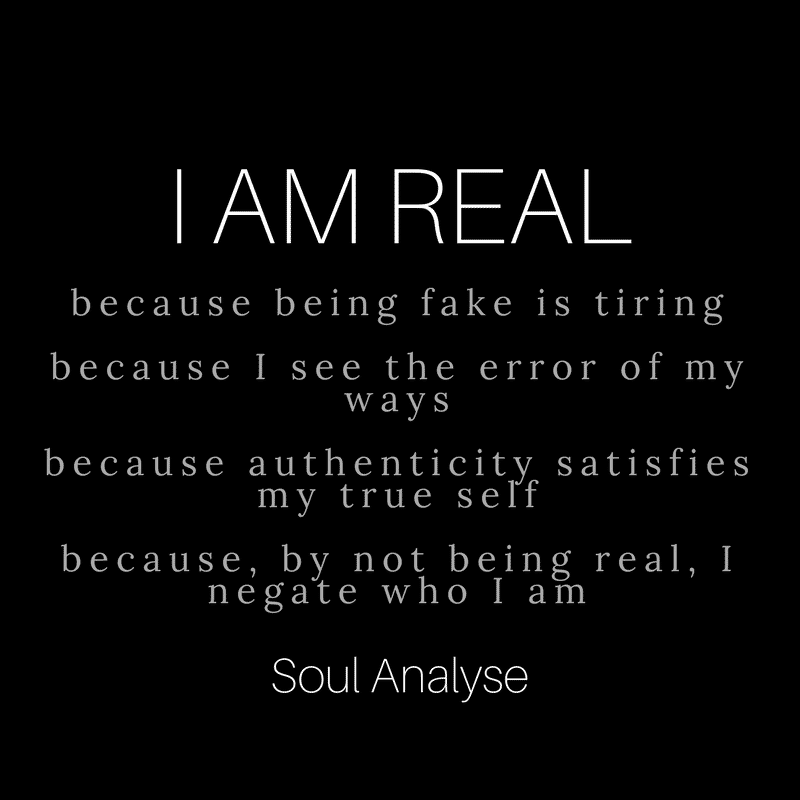
Are Affirmations Real Or Just Placebo?
Some argue that affirmations are just a placebo effect—meaning they work because people believe they work. But even placebos can create real changes. If you feel better or perform better, does it matter how it happens?
The key is that affirmations can trigger real changes in mood, confidence, and behavior. For many, that is proof enough that they are real.
Credit: soulanalyse.com
How Long Does It Take For Affirmations To Work?
Results vary. Some people notice changes in days, while others need weeks or months. The process depends on:
- Your starting beliefs
- How often you use affirmations
- Whether you combine words with action
One common mistake is expecting instant change. Like exercise, affirmations take time. Patience is important.
Affirmations For Children And Teens
Affirmations are not just for adults. Children and teens can benefit too. Using positive statements helps build self-esteem, confidence, and resilience.
Tips for using affirmations with young people:
- Make them simple: “I am smart,” “I am kind.”
- Use daily routines: Repeat during breakfast or bedtime.
- Encourage creativity: Let children make their own affirmations.
One insight: Affirmations can help children recover from bullying or setbacks. Positive self-talk builds inner strength.
When To Avoid Affirmations
While affirmations are safe for most people, there are times to avoid them:
- If you feel worse after repeating them
- If you use affirmations to ignore real problems
- If the statements feel fake or forced
In these cases, talk to a counselor or therapist. They can help find better tools for your situation.
Are Affirmations Real In The Workplace?
Many companies use affirmations to help employees. Teams may repeat phrases like, “We work together,” or “We solve problems. ” These statements create a positive culture and boost morale.
However, affirmations must be matched by real actions. If a company says, “We value teamwork,” but does not support employees, the words feel empty.
A non-obvious insight: Group affirmations can build trust. When everyone repeats the same statement, it creates unity.
Digital Tools And Apps For Affirmations
Technology makes using affirmations easier. Many apps help people set reminders, record affirmations, or track progress.
Some popular features include:
- Daily notifications
- Guided audio sessions
- Personalization options
- Progress tracking
Digital tools can help you stay consistent and motivated.
Common Myths About Affirmations
There are several myths about affirmations:
- Myth: Affirmations are magic.
- Reality: They are a tool, not a miracle.
- Myth: Affirmations work for everyone.
- Reality: They work best for people who believe in them and use them regularly.
- Myth: You must say affirmations out loud.
- Reality: Writing or thinking affirmations can be just as powerful.
- Myth: Affirmations only help mental health.
- Reality: They can support physical health, relationships, and performance too.
- Myth: Affirmations are only for adults.
- Reality: Children and teens can benefit as well.
Measuring The Effectiveness Of Affirmations
You can measure the impact of affirmations by tracking changes in mood, behavior, and goal progress. Here are some ways to check effectiveness:
- Keep a journal: Write how you feel before and after using affirmations.
- Notice changes: Look for improvements in confidence or performance.
- Set milestones: Track goal achievement.
Remember, results may be small at first. Over time, consistent practice brings bigger changes.
Frequently Asked Questions
What Are Affirmations?
Affirmations are positive statements you repeat to yourself. They help change beliefs, build confidence, and focus on goals. People use them to improve mood, performance, and mental health.
Do Affirmations Really Work?
Affirmations can work for many people. They help shift thoughts and boost confidence when used regularly and with belief. However, they are not a magic solution and must be paired with action.
How Often Should I Use Affirmations?
Most experts suggest using affirmations daily. Repetition helps the mind accept new ideas. You can say them in the morning, before sleep, or during stressful times.
Can Affirmations Make Me Feel Worse?
Yes, for some people, especially those with low self-esteem, affirmations can feel uncomfortable or fake. If this happens, try changing the statements or talk to a counselor for help.
Are Affirmations Only For Mental Health?
No, affirmations can support many areas: physical health, relationships, work, and even sports performance. The key is to choose statements that fit your goals and needs.
Final Thoughts
Affirmations are more than just positive words. They are tools that can help you change your mindset, build confidence, and reach goals. For many people, affirmations are real and powerful, but they work best when combined with belief and action.
Understanding how affirmations fit into your life, and using them with patience and honesty, will help you see their true value. If you approach affirmations thoughtfully, you can make real changes that last.
