

Are Affirmations Real? The Truth Behind Positive Thinking
Are Affirmations Real? The Truth Behind Positive Self-talk
Everyone wants to feel more confident, happier, and successful. You may have seen phrases like “I am enough” or “I will succeed” on social media, in books, or even stuck to mirrors. These are known as affirmations—short positive statements people repeat to themselves. Many people claim that affirmations can change your life. But are affirmations real? Do they truly work, or are they just wishful thinking? Let’s explore the facts, science, and real-world experiences behind affirmations so you can decide for yourself.
What Are Affirmations?
Affirmations are positive statements that you say to yourself, usually in the present tense. The idea is to repeat them often, so your mind starts to believe them. For example, saying “I am confident” every morning. People use affirmations for many reasons: to boost self-esteem, reduce stress, improve performance, or even change habits.
Affirmations are not magic spells. They don’t instantly change your life. Instead, they are a mental tool. They help guide your thoughts and focus your mind on what you want. Many people use them along with other practices, such as meditation or goal setting.
The Science Behind Affirmations
The question “Are affirmations real?” often means: is there real evidence that they work? Scientists have studied this topic, especially in psychology.
How Affirmations Affect The Brain
Research shows that the brain responds to positive self-talk in unique ways. When you repeat positive statements, certain areas of your brain become more active. These areas are related to self-processing and reward.
A study published in the journal Social Cognitive and Affective Neuroscience found that self-affirmation activates the brain’s ventromedial prefrontal cortex. This part helps you process information about yourself and makes you more open to positive change.
Self-affirmation Theory
This theory explains why affirmations might work. It says that people want to see themselves as good, capable, and moral. When something threatens this view, affirmations help protect it. For example, if you fail a test, telling yourself “I am intelligent and hardworking” can reduce stress and keep your self-image strong.
Evidence From Studies
Some studies show that affirmations can help:
- Reduce stress: People who use affirmations before a stressful event, like public speaking, often feel calmer.
- Improve performance: Athletes and students who use positive self-talk sometimes perform better.
- Change habits: Affirmations can support people trying to quit smoking or develop healthier routines.
However, not all research is positive. Some studies find little or no effect, especially if the person does not believe in the affirmation or if the statement feels too far from reality.
How Affirmations Work In Real Life
Many people use affirmations daily and believe they make a difference. Here’s how affirmations work for different people:
- Athletes: Professional athletes often use affirmations to boost confidence before games.
- Students: Some students repeat positive statements to reduce test anxiety.
- People with anxiety: Affirmations can help calm nerves and focus the mind.
Let’s look at a simple example. Imagine you are nervous about a job interview. If you repeat “I am prepared, and I can handle this,” you may feel more confident and less anxious.
But here’s something most beginners miss: affirmations work best when combined with action. Saying “I am healthy” is not enough—you also need to eat well and exercise.
Common Myths About Affirmations
There are many myths and misunderstandings about affirmations. Let’s clear up some of the most common ones.
1. Myth: Affirmations Are Magic
Truth: They are a tool, not a miracle. They guide your mindset but do not replace real effort.
2. Myth: Anyone Can Use Any Affirmation
Truth: Affirmations need to feel believable. If you say something you don’t believe at all, it may not help and can even make you feel worse.
3. Myth: You Must Repeat Affirmations Hundreds Of Times
Truth: Quality matters more than quantity. It’s better to say one statement that feels real to you a few times, with focus.
4. Myth: Affirmations Can Replace Therapy Or Medical Treatment
Truth: Affirmations can support mental health but are not a replacement for professional help if you need it.
When Affirmations Work Best
Not every affirmation works for every person or situation. Here are the conditions where affirmations are most effective:
- Personal belief: You must believe the affirmation, at least a little. For example, “I am learning to be more confident” works better than “I am the most confident person in the world” if you struggle with self-esteem.
- Specific and realistic: Vague statements like “I am happy” are less effective than focused ones like “I am finding small moments of joy each day.”
- Consistent practice: Using affirmations every day, especially in the morning or before stressful events, helps build new thought patterns.
- Action-oriented: Linking affirmations with real actions (like studying, practicing, or exercising) makes them stronger.
Types Of Affirmations
Affirmations come in different forms, depending on your goals. Here are a few common types:
1. Self-worth Affirmations
Example: “i Am Enough Just As I Am.”
2. Success Affirmations
Example: “i Achieve My Goals Through Hard Work.”
3. Health Affirmations
Example: “i Care For My Body And Mind Every Day.”
4. Relationship Affirmations
Example: “i Attract Positive And Supportive People.”
5. Stress Reduction Affirmations
Example: “i Am Calm And Handle Stress With Ease.”
You can create your own affirmations or use those from books and trusted sources. The key is to make them personal and meaningful.
Affirmations Vs. Negative Self-talk
Many people are surprised to learn that negative self-talk—telling yourself “I can’t do this” or “I’m not good enough”—is a form of affirmation too, just in the wrong direction. Negative statements can shape your beliefs and actions over time, often without you noticing.
Switching from negative to positive self-talk is one of the big benefits of using affirmations. You start to notice the things you say to yourself and choose words that help instead of hurt.
Here’s a simple comparison:
| Negative Self-Talk | Positive Affirmation |
|---|---|
| I always mess up. | I learn from my mistakes and improve. |
| I’m not good enough. | I am worthy and capable. |
| I can’t handle stress. | I manage stress with calm and focus. |
What Makes Affirmations Fail?
Not all affirmations work for everyone. Here are some reasons why they can fail:
- Lack of belief: If you don’t believe the affirmation, it may feel fake.
- Too big a gap: If the statement is too far from your current reality, your mind may reject it.
- No action: Affirmations alone don’t create change; you must also act.
- Repeating negative patterns: If you only use affirmations but keep negative habits, you may not see results.
A non-obvious insight: Sometimes, affirmations reveal your true beliefs. If you feel uncomfortable saying “I am deserving of love,” it may show where you need to focus your growth.
Scientific Data And Real-world Examples
To understand the impact of affirmations, let’s compare some data from studies:
| Group | Use of Affirmations | Reported Stress Levels | Performance Outcome |
|---|---|---|---|
| Students (control) | No | High | Average |
| Students (affirmations) | Yes | Lower | Above Average |
| Athletes (control) | No | Moderate | Normal |
| Athletes (affirmations) | Yes | Lower | Improved |
These results show that affirmations can help reduce stress and improve performance in some cases. However, the effect is usually small, and it works best when combined with other positive habits.
How To Write Effective Affirmations
If you want to try affirmations, here are some tips for making them work:
- Keep them short and clear. Simple statements are easier to remember and repeat.
- Use present tense. Say “I am” instead of “I will be.”
- Make them believable. Start with something close to your reality.
- Focus on what you want, not what you fear. Say “I am calm” instead of “I am not anxious.”
- Personalize them. Use your own words and focus on your true goals.
For example, instead of saying, “I am a millionaire,” try, “I am learning to manage my money well. ”

Credit: realprosperityinc.com
Using Affirmations In Daily Life
Adding affirmations to your routine is simple. Here are some practical ways:
- Morning routine: Start your day by repeating your affirmation while brushing your teeth.
- Journaling: Write your affirmation at the top of your daily journal page.
- Sticky notes: Place notes with your affirmation on your mirror, fridge, or computer.
- Before challenges: Use affirmations before a test, interview, or important meeting.
- During exercise: Repeat positive statements while running or doing yoga.
A helpful insight: Consistency is more important than intensity. Saying your affirmation every day for a month has more effect than repeating it 100 times in one day.
Benefits Of Affirmations
Affirmations can bring several benefits, especially when used correctly:
- Improved self-esteem: Reminding yourself of your strengths can boost confidence.
- Better stress management: Positive self-talk helps you handle pressure.
- Increased focus: Affirmations can keep you on track with your goals.
- Building new habits: Repeating positive statements can support healthy changes.
- More positive outlook: Over time, your thoughts may become more optimistic.

Credit: watermarkbooks.com
Limitations And Criticisms Of Affirmations
While affirmations can be helpful, they are not a cure-all. Here are some of their limitations:
- May not work for everyone: People with very low self-esteem or deep emotional wounds may not benefit from affirmations alone.
- Can backfire: If you don’t believe your statement, it may make you feel worse.
- No substitute for action: Affirmations help set your mindset, but real change requires effort and practical steps.
- Potential to avoid real issues: Repeating positive statements is not a way to avoid facing difficult problems or emotions.
Some psychologists warn that overusing affirmations can become a way to deny reality. It’s important to balance positive thinking with honest self-reflection and action.
Comparing Affirmations With Other Self-help Methods
How do affirmations compare with other personal growth tools? Here’s a quick overview:
| Method | Main Focus | How It Works | Best For |
|---|---|---|---|
| Affirmations | Positive self-talk | Repeat positive statements | Boosting confidence, mindset |
| Meditation | Calm and awareness | Focus on breath or present moment | Reducing stress, improving focus |
| Journaling | Reflection and growth | Write thoughts and feelings | Understanding emotions, tracking progress |
| Therapy | Professional support | Talk with a trained expert | Complex or deep issues |
Affirmations are simple and easy to start, but often work best when combined with other methods like meditation or journaling.
Real Stories: Do Affirmations Make A Difference?
Hearing real-life experiences can help you understand the impact of affirmations.
- Maria, a student: She used to panic before exams. By saying, “I am prepared and can stay calm,” she noticed her anxiety drop and her grades improve.
- James, a job seeker: After months of rejection, he started saying, “I bring value to every interview.” He found he was less nervous and finally got a job offer.
- Nina, a new parent: Overwhelmed and tired, she began using, “I am patient and doing my best.” It helped her stay positive during stressful days.
These stories are common, but remember: affirmations are not the only thing that changed their lives. They also worked hard, learned new skills, and kept trying.
Common Mistakes Beginners Make
If you’re new to affirmations, here are some mistakes to avoid:
- Choosing statements that feel fake: Pick affirmations that feel possible and true for you.
- Expecting quick results: Change takes time. Be patient and keep going.
- Ignoring negative feelings: It’s okay to feel doubt or discomfort. Use it as a sign to explore what you need.
- Skipping action: Use affirmations as a support, not a replacement for real effort.
- Comparing to others: Your journey is unique. Choose affirmations that fit your goals, not someone else’s.
A subtle insight: Sometimes, the best affirmation is simply, “I am willing to try.” Starting small builds momentum.
Are Affirmations Real? A Balanced Answer
So, are affirmations real? The answer depends on what you expect. Affirmations are real in the sense that they can shape your thoughts, feelings, and actions over time. They are not magic, and they don’t work for everyone or every situation.
But for many people, they are a practical tool for building confidence, reducing stress, and focusing on goals.
The key to making affirmations work is to use them with intention, belief, and consistent action. Personalize your statements, combine them with healthy habits, and give yourself time to see results.
For a deeper dive into the science behind affirmations, you can check resources like Wikipedia’s Self-Affirmation page.
Frequently Asked Questions
What Is The Best Time Of Day To Use Affirmations?
The best time is when you can focus and repeat your affirmation without distraction. Many people find mornings effective, as it sets a positive tone for the day. Others use affirmations before stressful events or at bedtime. The key is consistency—use them at the same time each day if possible.
Can Affirmations Help With Mental Health Issues Like Anxiety?
Affirmations can support mental health by reducing negative self-talk and boosting confidence. However, they are not a replacement for therapy or medication if you have serious anxiety or depression. Use affirmations as one part of a broader self-care plan.
How Long Does It Take For Affirmations To Work?
It varies for each person. Some people notice small changes within a few days, while others take weeks or months. The most important factors are belief in the statement, consistency, and combining affirmations with real action.
Should I Write Or Say My Affirmations?
Both methods can be effective. Speaking affirmations out loud helps you hear and feel the words. Writing them can make them more real and help you remember them. Try both and see which feels best for you.
Can Affirmations Be Harmful?
In most cases, affirmations are safe and positive. But if you use statements that feel untrue or ignore real problems, they can create frustration or disappointment. Choose affirmations that feel honest and use them as part of a balanced approach to growth.
Affirmations are a simple, powerful tool when used wisely. By understanding how they work—and what they can and cannot do—you can use them to support your journey toward a more positive and confident life.
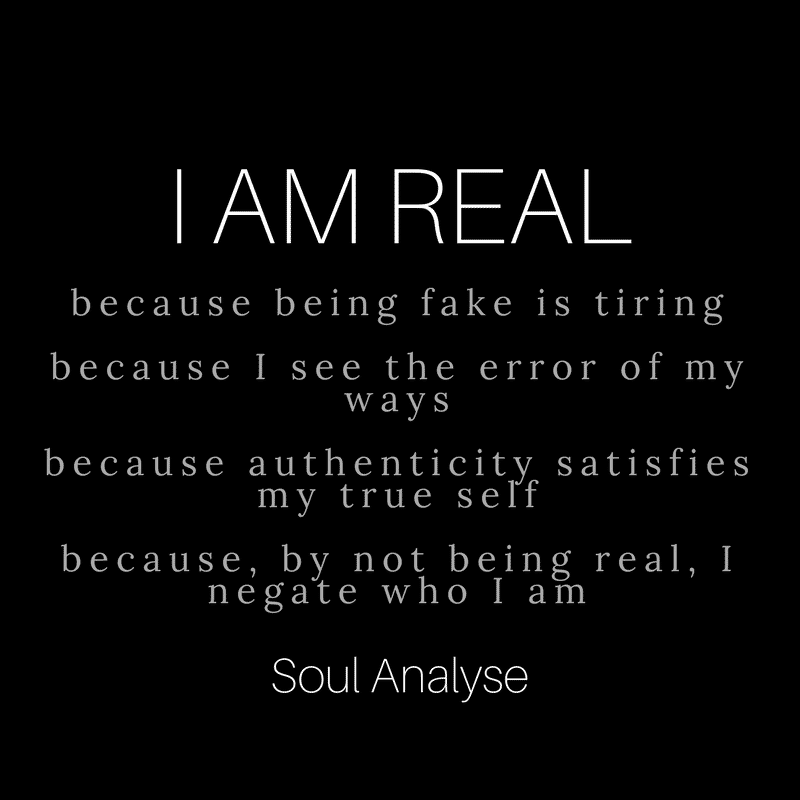
Credit: soulanalyse.com
