

Are Affirmations Good for Kids? Benefits Every Parent Should Know
Are Affirmations Good For Kids
Children are growing, learning, and trying to understand themselves and the world. As parents and teachers look for ways to help kids develop confidence and emotional strength, affirmations have become a popular tool. But are affirmations really good for kids? Do they work, and if so, how can adults use them in ways that actually help children? This article dives deep into how affirmations affect children, explores what science says, and gives practical advice for anyone considering affirmations for kids. Whether you’re a parent, teacher, or caregiver, you’ll find clear answers and helpful guidance to make the best choices for your child’s growth.
What Are Affirmations?
Affirmations are simple, positive statements that people repeat to themselves. The goal is to build self-belief, boost mood, and create a positive mindset. For kids, affirmations often sound like:
- “I am brave.”
- “I can learn new things.”
- “I am a good friend.”
Children can say these statements out loud, write them down, or think about them quietly. The idea is that repeating positive words helps change the way a child thinks about themselves and their abilities.
Why Affirmations Are Used With Kids
Many adults use affirmations with kids because they want to support:
- Self-esteem: Children who feel good about themselves tend to try new things and take healthy risks.
- Resilience: Affirmations can help kids bounce back from challenges and mistakes.
- Mental health: Positive words may reduce anxiety and stress.
- Behavior: Children may act in more positive ways when they believe good things about themselves.
Affirmations are easy to use and require no special equipment. Anyone can start, and they can fit into routines like bedtime, morning, or during stressful moments.
How Affirmations Affect Children’s Minds
When kids repeat affirmations, they may start to believe the words, especially if the statements feel true. This can lead to:
- Stronger self-image: Children may see themselves as capable and worthy.
- Reduced negative thinking: Positive statements can replace harmful thoughts.
- Better motivation: Kids may feel more willing to try hard tasks.
- Improved emotional regulation: Affirmations can help calm children during stress.
However, this effect depends on several factors. For example, a child who says “I am smart” but often struggles in school may not believe the affirmation. If the statement feels too far from their reality, it may not help and could even cause frustration.
Scientific Evidence: Do Affirmations Work For Kids?
Research on affirmations in children is still growing. Some studies show promising results, while others highlight limits.
Positive Findings
- Boosted self-esteem: In several studies, children who used affirmations showed higher self-confidence.
- Reduced anxiety: Kids who repeated positive statements before a stressful event felt calmer.
- Improved performance: Affirmations before tests or presentations sometimes helped children do better.
Limits And Challenges
- Believability matters: If a child doubts the statement, affirmations can backfire.
- Age differences: Younger kids may not understand the meaning or purpose of affirmations.
- Consistency is key: Occasional use may not have lasting effects.
In one experiment, children who practiced self-affirmation before a test felt less nervous and performed better. But when affirmations were not matched to real experience, some kids felt more anxious. This shows that affirmations are not a magic solution; they must be chosen carefully and used with understanding.
The Right Way To Use Affirmations With Kids
Affirmations can be powerful, but only if used correctly. Here are practical steps to make affirmations more effective:
- Keep statements realistic: Choose affirmations that match the child’s experience. For example, instead of “I am the best,” use “I try my best.”
- Make it personal: Tailor affirmations to what the child needs. If a child struggles with making friends, “I am a good friend” is helpful.
- Use simple words: Kids understand short, easy language.
- Repeat regularly: Affirmations work best with daily practice.
- Model positive self-talk: Adults should show how to use affirmations themselves.
- Encourage reflection: Ask kids how the affirmation makes them feel.
Common Mistakes To Avoid
- Using affirmations that feel fake or unreachable.
- Forcing kids to repeat statements they dislike.
- Ignoring a child’s feelings or real struggles.
- Overusing affirmations for all problems.
Affirmations should never replace real support or honest conversations. They are a tool, not a cure.
Comparing Affirmations To Other Methods
Affirmations are just one way to help children develop confidence and resilience. Other methods include praise, mindfulness, and storytelling. Here’s a comparison of how these approaches work:
| Method | Main Benefit | Ease of Use | Best For |
|---|---|---|---|
| Affirmations | Builds self-belief | Very easy | Daily routines |
| Praise | Recognizes effort | Easy | Motivation |
| Mindfulness | Calms emotions | Moderate | Anxiety, stress |
| Storytelling | Teaches lessons | Easy | Social skills |
Each method has strengths. Many experts suggest mixing approaches for the best results.

Credit: www.thepathway2success.com
Examples Of Affirmations For Kids
Choosing the right affirmation depends on the child’s needs and age. Here are some examples for different situations:
- “I am kind.”
- “I can ask for help.”
- “I am learning every day.”
- “I can solve problems.”
- “I am important.”
- “I can handle change.”
- “I am proud of myself.”
For younger children, affirmations should be extra simple, like “I am loved” or “I am safe.” For older kids, statements can be more specific: “I can finish my homework,” or “I am improving in math.”
When Affirmations Are Not Enough
Affirmations are helpful, but they have limits. Children facing serious challenges—such as bullying, trauma, or mental health struggles—need more than positive words. In these cases, professional support, counseling, and honest conversations are essential.
One insight many adults miss is that affirmations can sometimes hide real problems. For example, if a child is struggling with sadness, repeating “I am happy” may push them to ignore their feelings. It’s important to listen to children and support them with empathy and solutions, not just affirmations.
The Role Of Adults: Parents, Teachers, And Caregivers
Adults play a big role in how affirmations affect kids. Children learn best by watching and listening to adults they trust. Here’s how grown-ups can help:
- Model positive self-talk: Say affirmations aloud in front of children.
- Create a safe space: Let kids share feelings and ideas without judgment.
- Encourage, not force: Invite kids to try affirmations, but never push.
- Give honest feedback: Balance affirmations with real praise and constructive advice.
- Support with actions: Help children see that positive words match positive actions.
Adults sometimes overlook their own influence. If a parent or teacher uses negative self-talk, kids may copy this, even if they use affirmations. The environment matters as much as the statements.
Are Affirmations Good For All Kids?
Not every child responds the same way to affirmations. Some kids love repeating positive words, while others feel awkward or silly. Here are factors that affect how well affirmations work:
- Personality: Shy or introverted kids may prefer written affirmations.
- Age: Younger kids need simple, concrete statements.
- Culture: Some cultures value group affirmation, others focus on individual statements.
- Experience: Children with low self-esteem may need extra support.
One mistake many adults make is assuming affirmations will help every child equally. It’s important to watch how the child reacts and adjust the approach.
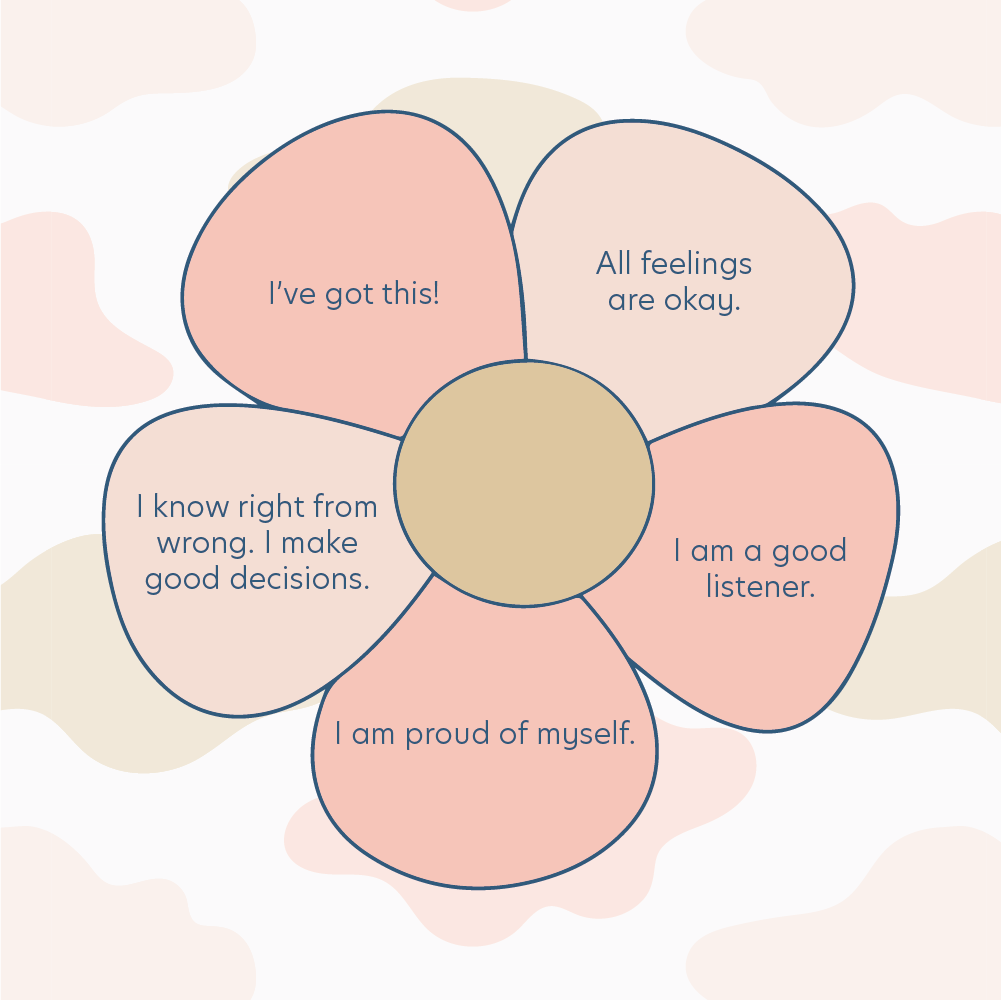
Credit: brightpathkids.com
Real-life Stories: Affirmations In Action
Many parents and teachers have shared stories about affirmations helping children. Here are a few examples:
- A teacher started each day with a class affirmation: “We are smart, we are kind, we are ready to learn.” Students felt more positive and focused.
- A parent used bedtime affirmations with a child afraid of sleeping alone. Over time, the child felt safer and more confident.
- A coach used affirmations before games: “I am ready, I am strong.” Players became less nervous and played better.
But not all stories are positive. In some cases, children felt pressured or confused by affirmations. This shows the importance of matching statements to the child’s real feelings and needs.
Common Questions Adults Have About Affirmations
Many adults wonder if affirmations are just a trend or if they really work. Here are some frequent questions:
- Are affirmations safe for kids? Yes, when used in a gentle and supportive way.
- Can affirmations change behavior? Sometimes, but they work best with other positive actions.
- Do kids need to believe the affirmation for it to work? Belief helps, but repeated practice can build belief over time.
- Should affirmations be used for all children? It depends on the child’s personality and needs.
- Can affirmations help with anxiety or stress? Yes, especially when matched with breathing or mindfulness.
Potential Risks And Downsides
Affirmations can sometimes cause problems if misused. Here are risks to watch for:
- Unrealistic statements: Children may feel worse if they cannot live up to the affirmation.
- Ignoring real feelings: Affirmations should not cover up sadness, worry, or anger.
- Overuse: Too many affirmations can become meaningless.
- Pressure: Forcing kids to use affirmations may cause resistance.
To avoid these problems, adults should listen, observe, and adjust as needed.
How To Create Effective Affirmations For Kids
If you want to make affirmations for a child, follow these steps:
- Start with strengths: Notice what the child does well.
- Use clear, simple language: Avoid long or complex statements.
- Connect to real experience: Make sure the affirmation matches what the child knows.
- Repeat regularly: Consistency helps build belief.
- Make it fun: Use songs, rhymes, or art to share affirmations.
Sample Affirmations For Different Ages
| Age Group | Sample Affirmation |
|---|---|
| Preschool | I am loved |
| Early Elementary | I can try again |
| Late Elementary | I am a good friend |
| Middle School | I can learn new skills |
| High School | I am strong and capable |
Practical Tips: Getting Kids Started With Affirmations
Introducing affirmations to kids doesn’t have to be complicated. Here are practical ways to begin:
- Use routines: Add affirmations to morning or bedtime habits.
- Write them down: Create affirmation cards for children to read.
- Make it creative: Draw or paint affirmations together.
- Pair with activities: Use affirmations before tests, games, or stressful moments.
- Let kids choose: Invite children to pick or invent their own affirmations.
Adults often miss the benefit of involving kids in the creation process. When children help create their affirmations, they feel more connected and motivated.
Affirmations And Self-esteem: What The Data Shows
Studies suggest a link between affirmations and improved self-esteem in children. In one school survey, over 60% of children who used daily affirmations reported feeling more confident after a month. Another study found that kids using affirmations before exams had lower stress levels.
Table: Effects Of Affirmations On Children’s Self-esteem
| Group | Affirmation Use | Self-Esteem Change | Stress Level |
|---|---|---|---|
| Group A | Daily | +20% | -15% |
| Group B | Weekly | +10% | -7% |
| Group C | None | 0% | 0% |
While data is promising, it’s important to remember that affirmations are most effective when combined with other supports, such as encouragement and positive environment.
Cultural Differences In Affirmations
In some cultures, affirmations are shared in groups, such as families repeating positive statements together. In others, individual affirmations are more common. Children may respond differently based on cultural background. For example, group affirmations can build a sense of community, while personal affirmations focus on individual growth.
Adults should respect cultural values and adjust affirmations to fit the child’s world.
Non-obvious Insights: What Most Adults Miss
Many beginners overlook these important points:
- Timing matters: Affirmations are most powerful during moments of challenge or transition. For example, before a new school year or after a setback.
- Connection boosts effectiveness: When affirmations are linked to real actions or feedback, children believe them more. For example, after finishing a tough homework assignment, saying “I can finish what I start” reinforces the experience.
Affirmations For Kids With Special Needs
Children with learning differences, autism, or emotional challenges may need special affirmations. Statements should focus on effort, progress, and self-acceptance, like “I am making progress” or “I am unique. ”
Teachers and parents should use affirmations alongside other supports, such as therapy or special education, and avoid comparing children to others.
How Schools Use Affirmations
Many schools have started using affirmations in classrooms. Teachers may start the day with a group statement, or use affirmations to calm students before tests. Some schools display affirmation posters or encourage kids to write their own.
Results show that regular use can lead to:
- Improved classroom mood
- Reduced bullying
- Higher student motivation
But schools must train staff and use affirmations thoughtfully. Generic statements or forced repetition may not work.
Building A Positive Environment
Affirmations are most powerful when part of a positive environment. Here’s how adults can create this:
- Use kind words and actions every day.
- Celebrate effort, not just results.
- Listen to children’s concerns.
- Encourage teamwork and sharing.
- Show respect for all feelings.
Affirmations should be one tool in a toolbox, not the only strategy.
Are Affirmations Just A Trend?
Some people wonder if affirmations are just a fad. But positive self-talk has roots in psychology and education. While trends can change, the idea of helping kids believe in themselves is timeless. Affirmations may change in style or popularity, but the core goal remains: helping children grow strong and confident.

Credit: www.almazandco.com
Frequently Asked Questions
Are Affirmations Safe For All Kids?
Affirmations are generally safe if used gently and with respect. Problems can happen if statements are unrealistic or forced. Always listen to the child’s feelings and adjust as needed.
How Often Should Kids Use Affirmations?
Daily use is helpful, but quality matters more than quantity. Short, regular practice—like at bedtime or before school—works well. Avoid overusing affirmations, which can make them feel meaningless.
What If A Child Says Affirmations But Doesn’t Believe Them?
Belief grows with practice and real experience. Start with statements that feel true, and build confidence over time. If a child struggles to believe, support them with encouragement and actions.
Can Affirmations Help Children With Anxiety?
Yes, affirmations can help calm anxious feelings, especially when matched with breathing exercises or mindfulness. For severe anxiety, combine affirmations with professional support.
Where Can I Learn More About Affirmations For Kids?
For more information, visit Positive Psychology. This site offers research and practical tips for using affirmations with children.
Final Thoughts
Affirmations can help children develop confidence, resilience, and a positive self-image. When used with care, matched to the child’s needs, and combined with other supports, affirmations are a simple yet powerful tool. They work best when adults model positive self-talk, listen to children, and create a nurturing environment.
Remember, affirmations are not a cure-all, but a helpful step toward raising strong, happy kids. If you’re considering affirmations for your child, start small, be patient, and watch for positive change.
