

Affirmations Can Change Your Life: Unlock Lasting Positive Transformation
Affirmations Can Change Your Life
Imagine waking up each day feeling more positive, confident, and ready to face any challenge. Many people find that their thoughts shape how they feel and act. What if you could train your mind to work in your favor, not against you? This is where affirmations come in. Affirmations are simple, powerful statements you repeat to yourself. They help you believe in your abilities, change negative thinking, and create a better mindset. Over time, people from all walks of life have used affirmations to improve their self-worth, manage stress, and reach their goals. If you feel stuck, anxious, or struggle with self-doubt, learning about affirmations might be the best step you take for your personal growth. This guide will show you how affirmations can change your life, explain the science behind them, and give you practical steps to start using them today.
What Are Affirmations?
Affirmations are short, positive statements that you say to yourself, often out loud or in your mind. These statements focus on the person you want to become or the goals you want to achieve. For example, someone might say, “I am confident and calm under pressure,” or “I deserve success and happiness.” The key is to state them in the present tense, as if they are already true.
Many people use affirmations to:
- Build self-confidence
- Overcome negative thoughts
- Improve mental health
- Achieve specific goals
Unlike wishful thinking, affirmations are about training your mind to accept new beliefs. When repeated often, they can slowly replace old, unhelpful patterns with new, empowering ones.
The Science Behind Affirmations
You might wonder: do affirmations really work, or are they just feel-good phrases? Research shows that affirmations can change the way your brain works and improve your well-being.
How Affirmations Affect The Brain
When you repeat positive statements, your brain begins to form new connections. This is called neuroplasticity. It means your brain can change and adapt, even as an adult. By focusing on positive ideas, you are “rewiring” your mind. Over time, your brain becomes more used to positive thinking.
A study published in Social Cognitive and Affective Neuroscience found that self-affirmation activates the brain’s reward centers. These areas light up when you experience pleasure or receive something valuable. Affirmations can reduce stress and improve performance by making you feel more secure and motivated.
Evidence From Real Life
Some of the world’s most successful people credit affirmations for their growth. Athletes use them to stay focused under pressure. Entrepreneurs repeat them to overcome self-doubt. Even doctors recommend them for patients struggling with anxiety or depression.
In one experiment, students who practiced self-affirmation before a stressful test scored higher and felt less anxious. Another study found that people who used daily affirmations had stronger self-worth and were more likely to stick with healthy habits.
Not Just Positive Thinking
It’s important to know that affirmations are not magic. They work best when you combine them with action. Simply repeating “I am rich” will not create money. But saying “I am open to new opportunities and work hard for my goals” can help you notice chances you might otherwise ignore.
Why Negative Self-talk Holds You Back
Before affirmations can help, you need to understand the power of negative self-talk. This is the inner critic that says, “I’m not good enough,” “I always fail,” or “No one likes me.” These thoughts can become habits. Over time, they shape your beliefs and actions.
Negative self-talk can:
- Lower your confidence
- Increase stress and anxiety
- Make it harder to achieve goals
- Affect your relationships
If you always expect the worst, you might avoid trying new things. You might also miss out on opportunities because you don’t believe you deserve them.
Affirmations can break this cycle. By choosing your thoughts, you can build a healthier mindset. The goal is not to ignore problems, but to face them with hope and strength.
How To Create Effective Affirmations
Not all affirmations are equal. Some work better than others. The best affirmations are:
- Personal: They fit your life and values.
- Present tense: State them as if they are true right now.
- Positive: Focus on what you want, not what you don’t want.
- Specific: Clear and detailed statements have more impact.
Here’s a step-by-step guide to creating powerful affirmations:
- Identify what you want to change: Think about an area of your life where you feel stuck or negative. Is it confidence, health, relationships, or work?
- Notice your current thoughts: Write down the negative beliefs you have about this area.
- Turn negatives into positives: Change “I always mess up” to “I learn and grow from my mistakes.”
- Keep it short and clear: Simple statements are easier to remember.
- Feel the meaning: When you say the affirmation, try to feel it emotionally. This makes it more powerful.
Examples:
- “I am worthy of love and respect.”
- “I trust myself to make good choices.”
- “I am getting stronger and healthier every day.”
- “I attract positive people and experiences.”
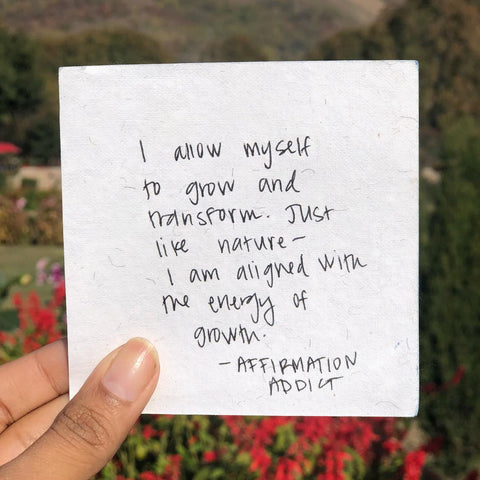
Credit: cleverfoxplanner.com
Practical Ways To Use Affirmations Every Day
Saying an affirmation once is not enough. Like any new skill, you need to practice. Here are some simple ways to use affirmations in your daily life:
Morning Routine
Start your day by looking in the mirror and repeating your chosen affirmations. This sets a positive tone for the day.
Write Them Down
Keep a journal and write your affirmations each morning or night. Writing makes them feel more real.
Use Reminders
Place sticky notes with affirmations on your bathroom mirror, fridge, or computer. You can also set reminders on your phone.
Say Them Out Loud
Speaking affirmations out loud, with confidence, helps you believe them more.
Meditate With Affirmations
Spend a few minutes each day sitting quietly, repeating your affirmations. Focus on your breathing and the meaning of the words.
Combine With Visualization
Picture yourself living as if your affirmation is true. Imagine the feelings, sights, and sounds of your success.
During Stressful Moments
When you feel anxious or doubtful, pause and repeat your affirmations. This can calm your mind and help you refocus.
Common Mistakes People Make With Affirmations
Affirmations are simple, but beginners often make a few mistakes. Avoiding these can help you get better results.
- Not believing the words: If you say something you truly don’t believe, it won’t feel real. Start with smaller, more believable statements and build up.
- Being too vague: “I want to be happy” is less effective than “I choose to see the good in my life every day.”
- Only using them when things go wrong: Affirmations work best when you use them daily, not just in a crisis.
- Giving up too soon: It takes time to see changes. Be patient and consistent.
- Ignoring action: Affirmations should inspire action, not replace it. Use them as motivation to take real steps toward your goals.
Real-life Stories: How Affirmations Changed Lives
Many people find affirmations life-changing. Here are a few examples that show how they work in real life.
Overcoming Self-doubt At Work
Maria always felt nervous in meetings. She believed her ideas were not good enough. She started using the affirmation, “My voice matters and I have valuable ideas to share. ” After a few weeks, she felt more confident. Soon, she began speaking up more.
Her boss noticed her contributions and praised her effort.
Building Healthy Habits
James wanted to eat healthier but struggled with cravings. He used the affirmation, “I choose foods that nourish my body. ” He repeated this every morning and before meals. Over time, he found it easier to make better choices. He lost weight and felt more energetic.
Healing From Past Hurt
After a difficult breakup, Aisha felt unworthy of love. She used the affirmation, “I am whole and deserving of love. ” At first, it felt strange. But as she repeated it daily, her self-esteem grew. She learned to enjoy her own company and later found a healthy relationship.
Beating Performance Anxiety
Athletes often use affirmations to stay calm under pressure. One runner, Daniel, felt anxious before races. He started saying, “I am focused and ready to perform my best. ” This simple phrase helped him stay calm at the starting line.
His times improved, and he began to enjoy racing again.
Affirmations For Different Areas Of Life
Affirmations can help in many parts of your life. Here are some examples for different goals:
Confidence And Self-esteem
- “I am confident in my abilities.”
- “I trust myself to handle whatever comes my way.”
Health And Wellness
- “Every day I am getting healthier and stronger.”
- “I respect my body and take care of it.”
Relationships
- “I attract positive and supportive people.”
- “I communicate with love and respect.”
Success And Career
- “I am open to new opportunities for growth.”
- “I am worthy of success and abundance.”
Stress And Anxiety
- “I am calm and in control.”
- “I let go of what I cannot change.”
Happiness
- “I choose to focus on the good in my life.”
- “I am grateful for today.”
Using specific affirmations for your personal goals makes them more effective. You can even create your own by following the steps explained earlier.
Comparing Affirmations With Other Self-help Techniques
Affirmations are just one tool for personal growth. How do they compare with other methods? The table below highlights the main differences.
| Technique | What It Involves | Main Benefit | Common Challenge |
|---|---|---|---|
| Affirmations | Repeating positive statements about yourself | Builds self-belief and motivation | Can feel fake at first |
| Meditation | Sitting quietly and focusing the mind | Reduces stress and improves focus | Hard to stay focused |
| Visualization | Imagining your goals as already achieved | Boosts clarity and motivation | Needs vivid imagination |
| Journaling | Writing about your thoughts and feelings | Increases self-awareness | Requires time and honesty |
Affirmations work well with other techniques. For example, you can meditate and repeat affirmations at the same time. Or, you can write about your experiences in a journal and include your favorite affirmations.
How Long Does It Take To See Results?
Many people ask, “How fast will affirmations work for me? ” The truth is, everyone is different. Some notice changes in a few days, others need a few months. On average, habits take several weeks to form.
Factors That Affect Results
- Consistency: Using affirmations daily brings faster results.
- Belief: If you believe in your statements, your mind accepts them more easily.
- Emotion: Adding feeling to your words makes them stronger.
- Action: Taking real steps toward your goals speeds up change.
Don’t get discouraged if you don’t see quick results. Change takes time and practice. The most important thing is to keep going, even on days when it feels hard.
The Role Of Affirmations In Mental Health
Affirmations can be a valuable part of mental health self-care. They are not a cure for serious mental health problems, but they can help manage stress, anxiety, and low mood.
Reducing Stress
Repeating calming statements, like “I am safe and in control,” can lower stress levels. Studies show that self-affirmation can reduce the body’s stress response, making it easier to handle challenges.
Managing Anxiety
Affirmations help you shift your focus from fear to hope. For example, “I am stronger than my worries” can make anxiety feel less powerful.
Improving Self-worth
Negative thinking often causes low self-esteem. Affirmations can slowly build a more positive self-image. This helps you feel better about yourself and your abilities.
If you struggle with serious mental health issues, consider talking to a professional. Affirmations can support, but not replace, medical help.
Common Myths About Affirmations
There are many misconceptions about affirmations. Let’s clear up some of the most common myths:
- Affirmations are just wishful thinking: Real affirmations work best when you pair them with action. They help you believe in yourself so you can take the right steps.
- You must say them hundreds of times: Quality matters more than quantity. A few meaningful repetitions are better than mindless chanting.
- They work for everyone, instantly: People respond differently. Some need more time, or a different approach.
- Affirmations are only for positive people: Anyone can use affirmations, even if you feel negative right now.
- They can fix everything: Affirmations are a tool, not a miracle cure. Use them with other healthy habits.
Understanding these myths can help you use affirmations in a more realistic and effective way.
Tips For Making Affirmations Work Faster
If you want to get better results from your affirmations, try these practical tips:
Be Consistent
Repeat your affirmations at the same time each day. Make them part of your routine, like brushing your teeth.
Use Visual Cues
Write your affirmations on cards or notes and put them where you will see them often.
Involve Your Senses
Say your affirmations out loud, look at yourself in the mirror, and even write them by hand. The more senses you use, the deeper the impact.
Track Your Progress
Keep a journal of your thoughts and feelings. Notice how your mindset changes over time.
Adjust As Needed
If an affirmation stops feeling right, change it. Your needs and goals can evolve.
Pair With Action
After saying your affirmation, ask yourself, “What small step can I take today to make this true? ”
Get Support
Share your affirmations with a trusted friend or join a group. Supporting each other can keep you motivated.
Data: The Impact Of Affirmations
Let’s look at some data to understand how affirmations affect people in different ways.
| Area of Life | Percentage Reporting Improvement | Common Benefits |
|---|---|---|
| Self-Confidence | 68% | Felt more capable and assertive |
| Stress Reduction | 61% | Less anxiety and better sleep |
| Goal Achievement | 54% | Reached personal or work goals |
| Relationships | 47% | Improved communication and trust |
These numbers are based on self-reported surveys and studies. They show that most people experience at least some benefit from using affirmations regularly.

Credit: thechiclife.com
Overlooked Ways To Supercharge Your Affirmations
While most people stick to speaking or writing affirmations, there are extra methods that can make them even more powerful.
- Record your voice: Use your phone to record your affirmations and play them back throughout the day. Hearing your own voice can make the statements more personal.
- Use music or rhythm: Singing your affirmations or saying them with a beat can help them stick in your mind.
- Combine with movement: Walk, stretch, or even dance as you say your affirmations. This links positive feelings with action, making the message stronger.
Many beginners miss these techniques, but they can make a big difference. Try different methods to see what feels best for you.
Building A Sustainable Affirmation Habit
To get lasting change, affirmations need to become a habit. Here’s how to make them part of your life for the long term.
Start Small
Choose one or two affirmations to focus on. Trying too many at once can feel overwhelming.
Set Reminders
Use phone alarms, sticky notes, or calendar alerts to remind you.
Track Your Practice
Use a habit tracker or journal to mark each day you practice your affirmations.
Celebrate Progress
Notice even small changes in your thoughts or behavior. Give yourself credit for sticking with it.
Be Patient
Habits take time. If you miss a day, don’t give up. Start again the next day.

Credit: forum.spells8.com
When To Change Your Affirmations
As your life changes, your affirmations should too. Review them every few months. Ask yourself:
- Do these statements still fit my goals?
- Have I outgrown any affirmations?
- Is there a new area of my life I want to improve?
Adjust or create new affirmations as needed. This keeps your practice fresh and meaningful.
The Power Of Community And Affirmations
Practicing affirmations with others can multiply their effect. Some ways to involve community include:
- Joining an online group where people share their favorite affirmations
- Starting a daily affirmation challenge with friends or family
- Attending workshops or classes focused on positive thinking
Hearing how others use affirmations can inspire you and help you stay motivated. Community support also helps you stick to your goals.
Using Technology To Support Your Affirmations
Technology can make your affirmation practice easier and more fun. Here are some tools you might try:
- Affirmation apps: These send daily reminders and let you record your favorite statements.
- Voice memos: Record your affirmations and play them during your commute or workout.
- Digital sticky notes: Use your phone or computer to display positive statements where you will see them often.
These tools can help you remember to practice and make affirmations a regular part of your day.
When Affirmations Are Not Enough
Affirmations are a helpful tool, but they are not the answer to every problem. If you feel overwhelmed by stress, sadness, or anxiety, it’s important to seek professional help. Therapists and counselors can help you explore deeper issues and find the right support.
Affirmations can be a valuable part of your self-care routine, but real change often comes from a combination of tools and support.
For more on the science of affirmations, see this Wikipedia article.
Frequently Asked Questions
What Are The Best Times To Say Affirmations?
The best times are when you wake up and before you go to bed. You can also use them during stressful moments or before important events, like a meeting or exam. Consistency is key, so choose times you can stick with every day.
Can Affirmations Really Change My Life?
Yes, when practiced regularly and paired with action, affirmations can shift your mindset, boost your confidence, and help you reach your goals. They are not magic, but they can make a real difference over time.
How Do I Know If My Affirmation Is Working?
You may notice small changes, like more positive thoughts, feeling calmer, or being more willing to try new things. Tracking your progress in a journal can help you see your growth.
Should I Write Or Speak My Affirmations?
Both methods work. Speaking out loud can make the message stronger, while writing helps you focus on the words. Many people do both for the best results.
What If I Don’t Believe My Affirmation At First?
It’s normal to feel doubt at first. Start with statements that feel possible, and build up from there. Over time, as you repeat and take action, your belief will grow.
Affirmations are a simple yet powerful way to take control of your thoughts and change your life for the better. With patience, consistency, and the right techniques, you can use affirmations to build confidence, reduce stress, and achieve your goals.
Start today, and see how far a few positive words can take you.
