

Affirmations Bible: Transform Your Life with Powerful Scripture
The Power And Practice Of The Affirmations Bible
Affirmations have become a common tool for people who want to change their mindset, improve their lives, or find motivation. But for millions of believers, biblical affirmations hold a special meaning. They are more than positive statements; they are rooted in scripture, connecting faith to daily thoughts and actions. The concept of an "Affirmations Bible" is gaining popularity. It is not a new translation but a way of using the Bible’s words as daily affirmations to guide thinking, shape emotions, and transform behavior. Let’s explore how this practice works, why it matters, and how you can use it to make real changes in your life.
What Is The Affirmations Bible?
The term Affirmations Bible does not refer to a separate book. Instead, it means using the Bible’s verses as personal affirmations. These are short statements taken directly from scripture, repeated to yourself to reinforce faith, build confidence, or find peace.
For example, instead of saying, "I am strong," someone might use Philippians 4:13: “I can do all things through Christ who strengthens me.” This links positive thinking to a spiritual foundation.
People use the Affirmations Bible in different ways. Some write verses on sticky notes, others repeat them aloud in prayer, and some keep a special journal filled with these biblical affirmations. The core idea is to let God’s words shape your thoughts and guide your actions.
Why Use Biblical Affirmations?
Many people know about positive affirmations from psychology and self-help. But using biblical affirmations offers unique benefits:
- Spiritual Confidence: When you repeat scripture, you remind yourself of God’s promises. This can bring comfort and courage, especially during hard times.
- Deep Roots: Instead of relying only on willpower, you draw strength from centuries-old truths that have helped many before you.
- Daily Guidance: Biblical affirmations keep your mind focused on spiritual values, not just personal goals.
- Reducing Negative Self-Talk: Sometimes, our minds fill with doubts or fear. Repeating scripture helps replace these with hope and trust.
Scientific studies show that positive self-talk can help reduce stress and improve performance. When those affirmations are based in faith, they can also boost spiritual well-being and resilience.
How Affirmations Work In The Brain
Affirmations are not magic, but they do have a real effect on the mind. Neuroscience explains that when you repeat positive statements, your brain creates new pathways. These neural pathways can make it easier to believe and act on those statements over time.
When you use scripture-based affirmations, you’re not just repeating empty words. You are connecting your thoughts to a deeper spiritual meaning. This can make affirmations even more powerful for believers.
Example: Changing Thought Patterns
Imagine someone who always thinks, “I am not good enough.” Over time, this thought can become automatic. But if that person starts repeating Romans 8:37 — “In all these things we are more than conquerors through Him who loved us” — the mind slowly starts to accept a new truth. This process is called cognitive restructuring.
Choosing The Right Verses For Affirmation
Not every Bible verse works as an affirmation. Some verses are stories or laws. The best verses for affirmation are often promises, statements about God’s character, or truths about believers.
Here are some tips for choosing verses:
- Look for positive, clear statements.
- Find verses that speak to your current need (courage, peace, hope, etc. ).
- Use translations that are easy to understand.
- Personalize the verse if needed, but keep its meaning.
Common Themes In Biblical Affirmations
People often use scripture affirmations for:
- Strength (“The Lord is my strength and my shield”)
- Peace (“My peace I give to you”)
- Identity (“You are God’s masterpiece”)
- Guidance (“He will direct your paths”)
- Provision (“God will supply all your needs”)
Popular Affirmation Verses And Their Uses
Let’s look at some well-loved Bible verses used as affirmations and how they can help in daily life.
| Verse | Affirmation Theme | How to Use |
|---|---|---|
| Philippians 4:13 | Strength & Endurance | Repeat before facing challenges or new tasks |
| Jeremiah 29:11 | Hope & Future | Use when feeling uncertain about what lies ahead |
| Psalm 23:1 | Provision & Trust | Say during times of worry or need |
| Romans 8:37 | Victory & Identity | Repeat when facing self-doubt or setbacks |
| Isaiah 41:10 | Courage & Comfort | Affirm when feeling afraid or anxious |
These verses are not just words to be repeated. When you say them, you are reminding yourself of God’s promises and your place in His plan.
How To Practice Affirmations From The Bible
Practicing biblical affirmations can be simple. Here is a step-by-step guide to help you start:
- Choose a Verse: Pick a scripture that fits your need or goal.
- Personalize It: Make it your own by saying “I” or “me” if it helps, but always respect the verse’s meaning.
- Repeat Daily: Say the affirmation out loud, write it, or meditate on it several times a day.
- Reflect: Think about what the verse means and how it applies to your life.
- Act on It: Let the affirmation shape your actions and decisions.
Example: Using An Affirmation
Suppose you are facing a difficult job interview. You choose Joshua 1:9: “Be strong and courageous. Do not be afraid; do not be discouraged, for the Lord your God will be with you wherever you go.” You might say, “I am strong and courageous because God is with me.” Repeat this before and after the interview to calm nerves and boost confidence.
Affirmations Bible Vs. Regular Affirmations
Many people wonder about the difference between biblical affirmations and regular positive affirmations. Both can be helpful, but there are key differences.
| Aspect | Biblical Affirmations | Regular Affirmations |
|---|---|---|
| Source | Scripture (the Bible) | Personal or motivational phrases |
| Focus | God’s promises, character, and truth | Self-improvement, goals, and desires |
| Spiritual Dimension | Links directly to faith and spirituality | Usually secular or non-religious |
| Emotional Impact | Brings comfort through faith | Boosts self-esteem and motivation |
| Longevity | Rooted in ancient, time-tested texts | Often based on trends or personal beliefs |
Many people combine both types, but biblical affirmations add a spiritual layer that regular affirmations cannot provide.
Creating Your Own Affirmations Bible
You don’t need to buy a special book to create your own Affirmations Bible. Here’s how you can build a collection that is meaningful and useful:
- Gather Verses: Start with a list of your favorite scriptures or those that speak to your current challenges.
- Write Them Out: Use a notebook, index cards, or a digital app.
- Organize by Theme: Group verses under headings like “Peace,” “Strength,” “Healing,” or “Wisdom.”
- Make It Personal: Add your own thoughts, prayers, or reflections next to each verse.
- Review Regularly: Set aside time to read, repeat, and meditate on your affirmations.
Sample Themes And Verses
Here are some ideas for themes and sample verses you can include:
- Peace: “Peace I leave with you; my peace I give you.” (John 14:27)
- Courage: “Fear not, for I am with you.” (Isaiah 41:10)
- Guidance: “He will direct your paths.” (Proverbs 3:6)
- Healing: “By His stripes, we are healed.” (Isaiah 53:5)
- Provision: “My God will supply all your needs.” (Philippians 4:19)
- Identity: “You are God’s workmanship.” (Ephesians 2:10)
Non-obvious Insight: Avoid Overloading
A common mistake is trying to memorize or repeat too many affirmations at once. It’s better to focus on a few that are most meaningful to you. This way, the truths can sink in deeply and change your thinking over time.

Credit: wellnessmanifest.wordpress.com
When And How Often To Use Biblical Affirmations
There is no strict rule about timing, but consistency is important. Here are some practical ideas:
- Morning Routine: Start your day by repeating affirmations to set a positive, faith-filled tone.
- Before Challenges: Use affirmations to calm nerves before a big test, meeting, or confrontation.
- During Prayer: Incorporate affirmations into your regular prayer time for deeper reflection.
- Before Sleep: End your day by focusing on God’s promises, which can improve sleep quality and reduce anxiety.
Some people use reminders on their phone, while others post verses around their home or workspace. The key is to keep the affirmations visible and top of mind.
Non-obvious Insight: Affirm In Difficult Seasons
It’s easy to repeat affirmations when life is good. The real power comes when you use them during tough times—illness, loss, or big changes. Speaking truth in pain can help you find hope and direction when you need it most.
Mistakes To Avoid With The Affirmations Bible
While biblical affirmations are a powerful tool, beginners often make a few common mistakes:
- Using Verses Out of Context: Always check the meaning of a verse before using it as an affirmation. Some verses are specific to certain people or situations and may not apply to every circumstance.
- Treating Affirmations Like Magic: Repeating words is not a formula for instant change. Affirmations work when you believe them, reflect on them, and let them shape your actions.
- Neglecting Action: Affirmations are meant to inspire you to live differently, not just feel better in the moment.
- Comparing Yourself: Don’t worry if you don’t feel instant results or if others seem to “get it” faster. Faith grows over time.
Biblical Affirmations For Different Life Areas
Here are examples of how you can use the Affirmations Bible in specific areas of life:
For Anxiety And Worry
- “Cast all your anxiety on Him because He cares for you.” (1 Peter 5: 7)
- “Do not let your hearts be troubled.” (John 14: 1)
- “The Lord is near to the brokenhearted.” (Psalm 34: 18)
For Confidence
- “The Lord will be your confidence.” (Proverbs 3: 26)
- “You are a chosen people.” (1 Peter 2: 9)
- “God has not given us a spirit of fear.” (2 Timothy 1: 7)
For Relationships
- “Love one another as I have loved you.” (John 13: 34)
- “Be kind and compassionate to one another.” (Ephesians 4: 32)
- “Above all, love each other deeply.” (1 Peter 4: 8)
For Purpose And Direction
- “Trust in the Lord with all your heart.” (Proverbs 3: 5)
- “He will instruct you and teach you.” (Psalm 32: 8)
- “You are the light of the world.” (Matthew 5: 14)
For Healing
- “He heals the brokenhearted.” (Psalm 147: 3)
- “By His wounds we are healed.” (Isaiah 53: 5)
- “I am the Lord who heals you.” (Exodus 15: 26)
These examples show that you can find affirmations in the Bible for almost any area of life.
Scientific Evidence And Affirmations
While the Bible is a spiritual book, research from psychology supports the idea behind affirmations. Studies suggest that self-affirmation can:
- Lower stress and anxiety
- Increase problem-solving ability
- Improve performance under pressure
One study from the University of Pennsylvania found that people who practiced self-affirmations before a stressful event had lower levels of the stress hormone cortisol.
However, faith-based affirmations may go even further. They combine the benefits of positive thinking with the comfort and strength of spiritual beliefs. For more on the science, see the National Institutes of Health.
Using Affirmations In Groups And Families
Affirmations are often seen as a personal tool, but they can also be used in groups:
- Family: Recite a verse together at breakfast or bedtime to build unity and teach children faith.
- Church Groups: Share affirmations at the start of meetings or Bible studies to focus hearts and minds.
- Support Groups: Use affirmations to encourage one another during recovery or life changes.
Group affirmations can make the experience more powerful and help everyone feel supported.
Comparing Affirmations Bibles And Devotionals
Many people ask about the difference between an Affirmations Bible and a devotional. Here’s a quick comparison:
| Feature | Affirmations Bible | Devotional |
|---|---|---|
| Main Content | Scripture-based affirmations | Bible passages with reflection and stories |
| Use | Quick reminders, daily repetition | Deeper study, longer reflection |
| Format | Short, focused statements | Longer readings, questions, prayers |
| Goal | Change mindset and habits | Grow understanding and faith |
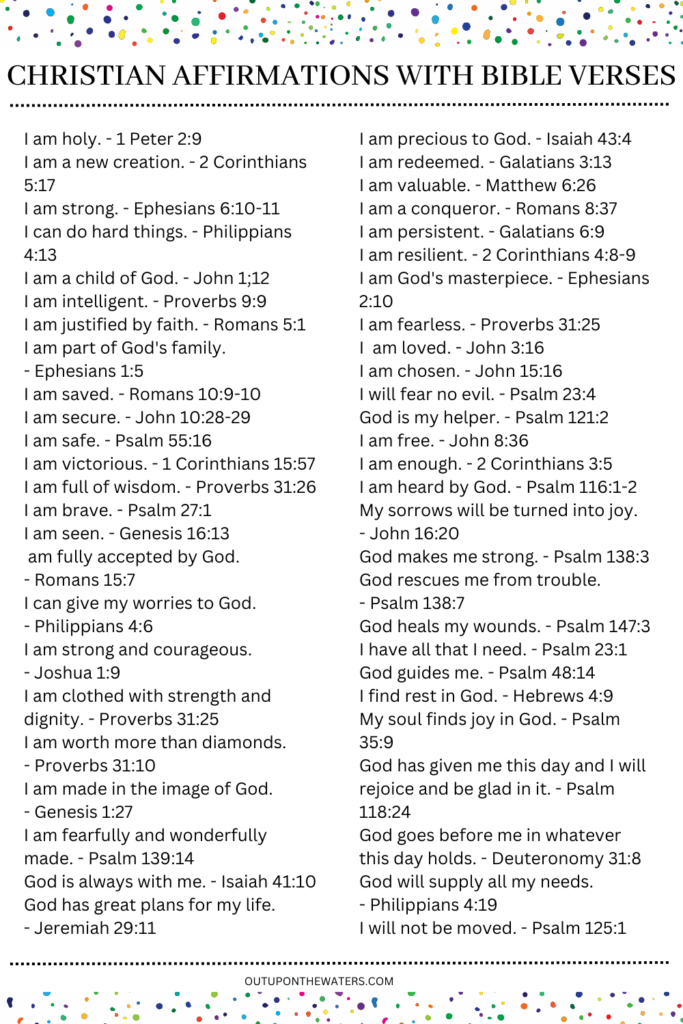
Both tools are helpful. If you want a quick boost, use affirmations. If you want to dive deeper, try devotionals.
Credit: outuponthewaters.com
Digital Tools And Resources
Technology has made it easier to use biblical affirmations. Here are some digital tools that can help:
- Bible Apps: Many apps allow you to highlight, save, and repeat favorite verses.
- Affirmation Reminders: Set up notifications on your phone to remind you to repeat your daily affirmation.
- Online Communities: Join forums or social media groups to share affirmations and encourage others.
- Printable Cards: Download and print cards with your favorite verses to keep around your home or office.
You can also find ready-made affirmation lists online, but building your own collection is often more meaningful.
Affirmations Bible For Children And Teens
Teaching kids to use biblical affirmations can help them develop faith, confidence, and resilience. Here are some practical tips:
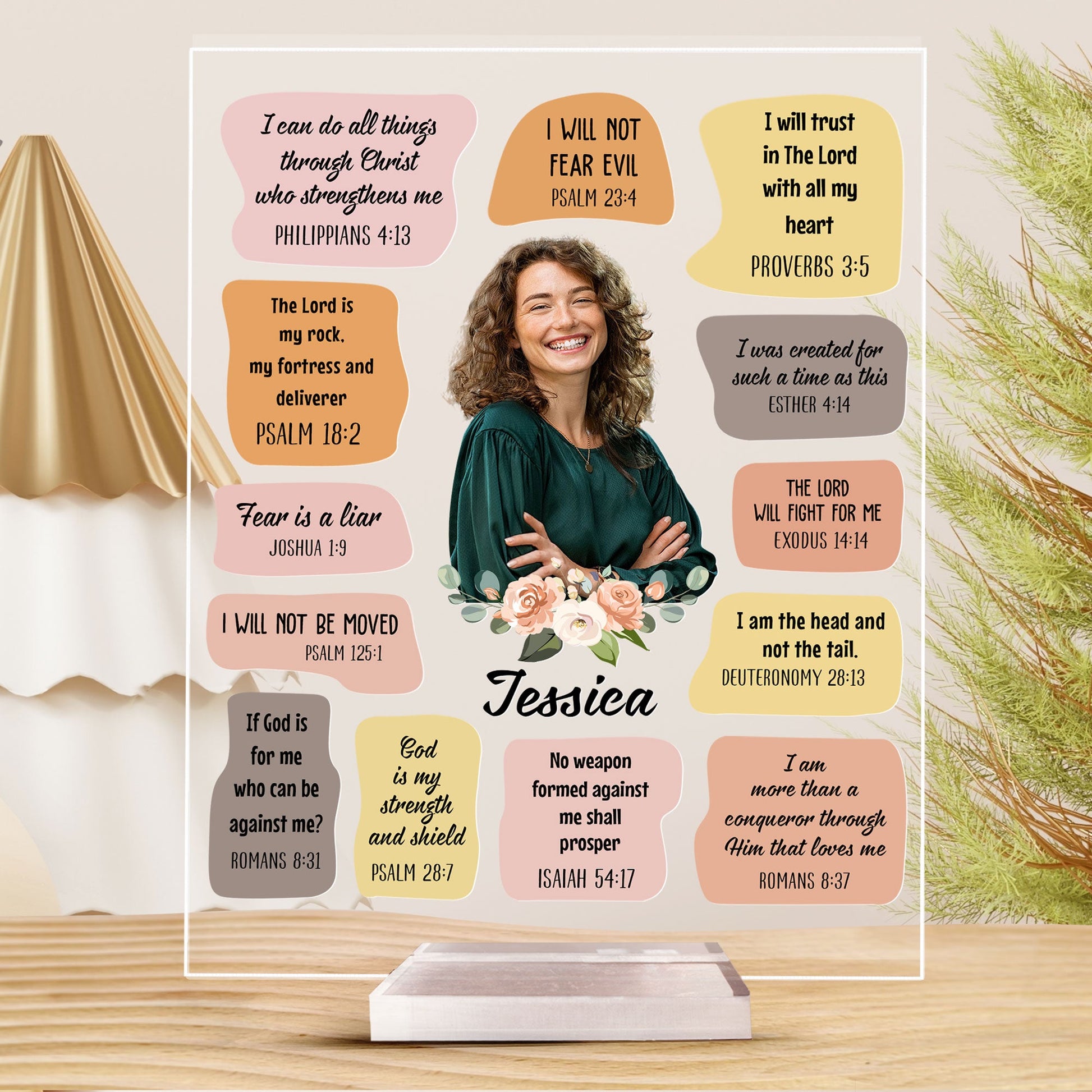
- Choose simple, short verses that are easy to remember.
- Use visuals or crafts to help kids connect with the message.
- Make it a habit by repeating affirmations together every day.
- Encourage teens to write their own affirmation journals.
Helping children build a foundation of truth early on can make a big difference in their future.
Credit: macorner.co
The Role Of Faith In Affirmations
One of the most important things to remember is that faith is key. Affirmations are not just about repeating words, but about believing in the truth behind them. When you connect your affirmations with prayer and trust in God, they become much more powerful.
If you struggle with doubt, it’s normal. Faith grows as you practice, reflect, and see changes over time. Remember, the goal is not perfection but progress.
Frequently Asked Questions
What Is The Difference Between An Affirmations Bible And A Regular Bible?
An Affirmations Bible is not a new translation or version of the Bible. It refers to the practice of using specific Bible verses as daily affirmations—short statements that you repeat to yourself. The regular Bible contains all scripture, while an Affirmations Bible is a personalized collection of verses chosen for encouragement, guidance, or strength.
Can I Use Any Bible Verse As An Affirmation?
Not every Bible verse is suitable for affirmation. The best verses are positive, clear, and speak to God’s promises or truths about believers. Avoid using verses out of context or those that do not apply to your situation.
How Often Should I Repeat Biblical Affirmations?
There’s no set rule. Many people repeat affirmations daily—morning, evening, or whenever they need encouragement. Consistency is more important than frequency. The key is to make it a regular habit so the words shape your thoughts and actions.
Are Biblical Affirmations Effective For Non-christians?
Anyone can use positive affirmations, but biblical affirmations are rooted in faith and the teachings of Christianity. Non-Christians may find comfort in some verses, but the full benefit comes when the words align with your personal beliefs.
Where Can I Find More Resources On Biblical Affirmations?
There are many books, websites, and apps dedicated to this topic. A good starting point is reading articles from trusted Christian organizations or exploring resources like the Bible Gateway for verse searches and daily inspiration.
The Affirmations Bible is more than a trend—it’s a way to connect faith to daily life, strengthen your mindset, and face challenges with courage. By choosing the right verses and making them part of your routine, you can unlock new hope and confidence, grounded in something far greater than yourself.
