

Affirmation What Does It Mean: Unlocking the Power Within
Affirmation What Does It Mean
Most people have heard about affirmations, but many are unsure what they actually mean or how they work. You might see quotes on social media or hear people talk about repeating positive statements to themselves each day. But is that all there is to it? The truth is, affirmations are much deeper than repeating a few nice words. They are a powerful tool that can shape your thoughts, actions, and even your life direction.
Understanding what affirmation means can be life-changing. This article will give you a complete, clear guide to affirmations. You’ll find out where the idea comes from, why it works, and how you can use it in your daily life. Whether you’re new to the concept or already using affirmations, you’ll discover practical tips, common mistakes, and surprising facts most beginners miss.
Ready to learn how simple words can change your mind and your world? Let’s dive in.
What Is An Affirmation?
An affirmation is a positive statement that you say or think to yourself. It is used to challenge and overcome negative thoughts or self-doubt. The purpose of affirmations is to help you believe in yourself, focus on your goals, and build a stronger, more positive mindset.
At its core, an affirmation is not just wishful thinking. It is a deliberate choice of words that reflect what you want to become, achieve, or feel. For example, saying “I am confident” is an affirmation aimed at building self-confidence.
The idea is that repeating these statements can influence your subconscious mind, which in turn changes your beliefs and behaviors.
Affirmations are not magic spells or instant solutions. They work through practice and consistency. Over time, repeating affirmations helps you reshape your mental habits and see yourself in a more positive light.
The Science Behind Affirmations
Many people wonder if affirmations really work or if they are just empty words. Research in psychology and neuroscience suggests that affirmations can have real effects on the brain and behavior.
Studies have shown that self-affirmation activates areas of the brain involved in self-processing and positive valuation. When you use affirmations, you are training your mind to notice opportunities, focus on strengths, and reduce anxiety. This is called the self-affirmation theory in psychology.
For example, one experiment found that people who practiced affirmations before a stressful event performed better and felt less anxious. The reason? Affirmations help you see yourself as capable and worthy, which lowers stress and boosts confidence.
However, affirmations are not a replacement for action. They are most effective when combined with real effort and positive behavior. Just repeating “I am healthy” will not improve your health unless you also make healthy choices.
Where Do Affirmations Come From?
Affirmations are not a new idea. They have roots in many spiritual and psychological traditions. Ancient cultures used chants, prayers, and positive statements to guide their thoughts and actions. In modern times, affirmations became popular through books, self-help programs, and therapy techniques.
Some of the earliest uses of affirmations can be found in meditation and mindfulness practices. People have used positive statements for centuries to calm the mind and encourage positive change. In psychology, affirmations are linked to cognitive behavioral therapy (CBT), which uses positive self-talk to replace negative thinking patterns.
Today, affirmations are used by athletes, students, business leaders, and anyone who wants to improve their mindset. The approach has evolved, but the core idea remains the same: your words shape your reality.
Types Of Affirmations
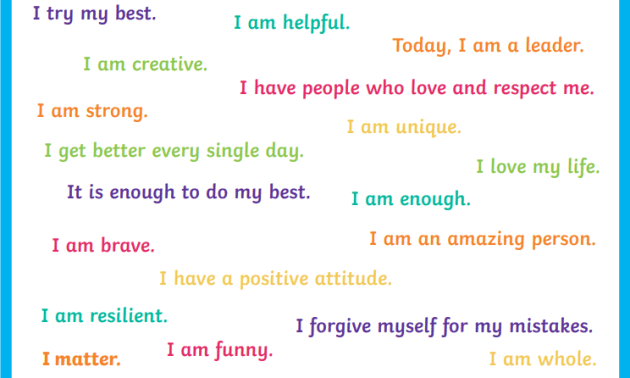
Not all affirmations are the same. There are different types, each with its own purpose and effect. Understanding these can help you choose the right one for your needs.
1. Self-affirmations
These focus on your core values and strengths. Examples include:
- “I am worthy of love.”
- “I can handle any challenge.”
Self-affirmations help you build self-esteem and inner strength.
2. Goal-oriented Affirmations
These are about what you want to achieve. For example:
- “I am becoming more organized every day.”
- “I am reaching my career goals.”
Such affirmations keep you focused on your dreams and remind you of your direction.
3. Healing Affirmations
These support your emotional or physical healing. Examples:
- “I am patient with myself as I heal.”
- “My body is getting stronger every day.”
They help you stay positive during tough times.
4. Relationship Affirmations
These improve your connections with others. For example:
- “I communicate clearly and listen with empathy.”
- “I attract healthy relationships.”
Relationship affirmations build trust and understanding.
5. Abundance Affirmations
These focus on wealth, success, or gratitude. Examples include:
- “I am attracting prosperity into my life.”
- “I am grateful for all I have.”
They help you focus on abundance instead of lack.
Credit: www.twinkl.com
How To Create Effective Affirmations
Not all affirmations work the same way. Some are much more effective than others. Here are key steps to create powerful, meaningful affirmations:
- Use present tense. Say “I am” or “I have” instead of “I will be” or “I want to.”
- Keep it positive. Focus on what you want, not what you don’t want. For example, use “I am calm” instead of “I am not stressed.”
- Be specific. Vague affirmations are less effective. “I am confident during meetings” is better than just “I am confident.”
- Make it personal. Use words that feel true and important to you.
- Keep it simple. Short, clear statements work best.
Example: Instead of saying “I want to stop being scared of public speaking,” try “I speak in public with confidence and ease.”
When And How To Use Affirmations
Affirmations can be used any time, but some situations make them especially effective:
- Morning routines: Start your day with positive energy by repeating affirmations after waking up.
- Before challenges: Use affirmations before a big meeting, exam, or performance to calm nerves.
- During meditation: Include affirmations in your mindfulness or meditation practice for deeper impact.
- At bedtime: End your day on a positive note by repeating affirmations before sleep.
To get the best results, repeat your chosen affirmation several times, either aloud or silently. Some people like to write them down, post them on mirrors, or set reminders on their phone.
Common Mistakes People Make With Affirmations
Many beginners struggle with affirmations because they make simple mistakes. Avoiding these can make a big difference:
- Choosing statements you don’t believe. If you say “I am a millionaire” but don’t believe it’s possible, your mind will resist. Start with something believable, like “I am open to new opportunities for success.”
- Being too vague. Statements like “I am happy” are not specific enough to create change.
- Forgetting to take action. Affirmations work best when matched with real effort.
- Only using them when things are bad. Consistency is key; use affirmations daily, not just in crisis.
- Expecting instant results. Change takes time and patience.
Real-life Examples Of Affirmations Changing Lives
Affirmations have helped many people around the world. Here are a few examples that show how simple statements can make a real impact:
- Athletes often use affirmations to boost performance. One Olympic swimmer credited daily affirmations for helping him stay calm and focused before competitions.
- Students who struggle with exams use affirmations like “I am prepared and capable” to reduce anxiety and improve grades.
- A manager who struggled with confidence began using “I lead my team with clarity and strength” each morning. Over time, her team noticed her improved communication and leadership.
These stories show that affirmations can work in different areas: sports, studies, work, and personal growth. The key is regular practice and believing in the process.
Data And Statistics On Affirmations
You may wonder about the evidence supporting affirmations. Here are some key findings from research:
| Study | Key Finding | Impact Area |
|---|---|---|
| Self-Affirmation and Stress | Reduced cortisol (stress hormone) levels during challenges | Stress management |
| Affirmations in Education | Improved academic performance for underperforming students | Learning |
| Positive Self-Talk in Sports | Increased motivation and better results | Athletics |
One non-obvious insight: affirmations are especially helpful for people under pressure or facing self-doubt. They do not just make you feel good—they can actually improve your performance and help you handle stress better.
Comparing Affirmations With Other Self-help Tools
Affirmations are just one tool among many for personal growth. How do they compare to other popular self-help methods?
| Method | Main Focus | Time Required | Best For |
|---|---|---|---|
| Affirmations | Changing self-talk and beliefs | 1-5 minutes daily | Building confidence, reducing stress |
| Journaling | Reflecting on thoughts and feelings | 10-20 minutes daily | Self-discovery, emotional processing |
| Meditation | Calming the mind, focusing attention | 10-30 minutes daily | Reducing anxiety, improving focus |
| Visualization | Imagining positive outcomes | 5-10 minutes daily | Achieving goals, mental rehearsal |
As you can see, affirmations are quick and easy to use, making them a practical option for busy people. They work well with other tools like meditation or visualization for even better results.
Practical Tips For Making Affirmations Work
If you want to get the most from affirmations, here are some expert tips:
- Repeat often. The more you say your affirmations, the stronger the impact.
- Feel the words. Don’t just say them—try to feel the emotion behind the statement.
- Visualize success. Picture yourself living the affirmation as you repeat it.
- Write them down. Writing helps reinforce the message in your mind.
- Share with others. Some people find power in sharing their affirmations with friends or family.
A practical tip many beginners miss: Use your affirmations as passwords or reminders on your phone. Every time you type or see them, your brain gets another boost of positivity.
Affirmations For Different Areas Of Life
Affirmations can be used for almost any part of your life. Here are examples for some common areas:
Personal Growth
- “I am growing and learning every day.”
- “I embrace challenges as opportunities.”
Health And Wellness
- “My body is healthy, my mind is strong.”
- “I make choices that support my well-being.”
Relationships
- “I am a caring and supportive friend.”
- “I deserve respect and kindness.”
Career And Success
- “I am confident in my abilities.”
- “Opportunities are opening up for me.”
Confidence And Self-esteem
- “I believe in myself and my skills.”
- “I am enough just as I am.”
You can create your own affirmations based on what you need most. The most important thing is to make them personal and meaningful.
The Benefits Of Affirmations
Affirmations offer many benefits, both mental and emotional. Here are some of the main advantages:
- Reduced stress. Positive self-talk helps you stay calm during tough situations.
- Improved self-esteem. Repeating affirmations boosts your belief in yourself.
- Greater focus. Affirmations keep your mind on your goals and priorities.
- Better performance. Athletes and students often see improved results.
- Healthier relationships. Positive beliefs about yourself make it easier to connect with others.
One insight many overlook: affirmations can also help you let go of negative experiences from the past. By focusing on who you want to be now, you become less attached to old mistakes or regrets.
Limitations And Misconceptions
While affirmations can be powerful, they are not a cure-all. Here are some common misconceptions:
- Affirmations are not magic. You need to take real action to see change.
- They don’t work for everyone the same way. Some people need more time, or a different approach.
- They can’t replace therapy or medical help. If you have serious mental health issues, affirmations should be used together with professional help, not as a substitute.
A key limitation: If your affirmation is too far from your current reality, your mind may reject it. Start with statements that feel believable and build up from there.
How To Tell If Affirmations Are Working
You may wonder how to know if your affirmations are making a difference. Here are signs to look for:
- You notice more positive thoughts during the day.
- You feel less anxious about challenges.
- You start taking small positive actions toward your goals.
- Others notice a change in your attitude or confidence.
It’s normal for change to be slow. Keep practicing, and track your feelings and progress over time.
Combining Affirmations With Other Positive Habits
For best results, use affirmations with other positive habits. Here are some ways to combine them:
- Pair affirmations with morning exercise. While stretching or walking, repeat your statements.
- Use affirmations during journaling. Write about how you are living your affirmation.
- Add affirmations to your meditation practice. Focus on your statement as you breathe deeply.
- Set reminders to repeat affirmations during breaks at work or school.
Combining habits makes each one stronger and more effective.

Credit: 7esl.com
Frequently Asked Questions
What Is The Main Purpose Of Affirmations?
The Main Purpose Of Affirmations Is To Help You Replace Negative Or Limiting Thoughts With Positive, Empowering Beliefs. This Shift In Mindset Can Increase Confidence, Reduce Stress, And Help You Reach Your Goals.

Credit: beadage.net
Can Anyone Use Affirmations, Or Do They Only Work For Certain People?
Affirmations Can Be Used By Anyone, Regardless Of Age, Background, Or Beliefs. However, They Work Best For People Who Practice Regularly And Combine Them With Real Actions Toward Their Goals.
How Long Does It Take For Affirmations To Work?
The Time It Takes Varies From Person To Person. Some See Changes In A Few Days, While Others May Need Weeks Or Months Of Practice. The Key Is Consistency And Choosing Affirmations That Feel True And Meaningful.
Should I Say My Affirmations Out Loud Or Just Think Them?
Both Methods Can Be Effective. Saying Affirmations Out Loud Can Make Them More Powerful, But Repeating Them Silently Or Writing Them Down Also Works. Choose The Method That Feels Most Comfortable For You.
Where Can I Learn More About The Science Behind Affirmations?
You Can Find More Information From Psychology Research And Trusted Sources Such As wikipedia. These Sources Explain The Evidence And Theories Behind How Affirmations Work.
Affirmations are more than just positive words. They are a practical tool for changing your mindset, overcoming doubt, and moving toward the life you want. With the right approach and regular practice, you can make affirmations a powerful part of your daily routine—one that supports your growth, confidence, and happiness.
