

Affirmation What Does It Mean and How It Transforms Your Life
Affirmation What Does It Mean
Understanding a word as common as “affirmation” might seem simple. Many people hear it in conversations about self-help, motivation, or therapy. But what does affirmation really mean? Why do so many people talk about it, and how can it affect your life?
This article explores the meaning of affirmation, its uses, its science, and how you can apply it to everyday situations. You will also discover some insights that many beginners overlook, making sure you get a clear, deep understanding of this important concept.
What Is An Affirmation?
An affirmation is a positive statement that people repeat to themselves, often to encourage a desired belief or behavior. It is like giving yourself a short message of hope, confidence, or success. The goal is to influence your thoughts and, over time, your actions.
For example, someone might say, “I am confident in my abilities,” or “Every day, I grow stronger. ” These simple sentences are designed to help you believe in yourself or achieve a goal.
Affirmations can be spoken out loud, written down, or even thought silently. They are used in many areas, such as psychology, sports, education, and wellness.
The Core Meaning
At its core, an affirmation is about self-approval and positive reinforcement. It is a way of telling yourself, “I can do this,” or, “I am worthy.” It does not mean ignoring reality or pretending problems do not exist. Instead, it is about focusing your mind on the positive possibilities and reminding yourself of your strengths.
Different Types Of Affirmations
People use affirmations for different reasons. Some common types include:
- Self-esteem affirmations: “I am valuable and loved.”
- Health affirmations: “I take care of my body every day.”
- Success affirmations: “I am achieving my goals.”
- Relationship affirmations: “I attract positive and loving people.”
Each type serves a unique purpose, depending on what you want to improve or believe.
The History And Origin Of Affirmations
The word “affirmation” comes from the Latin word “affirmare,” which means “to make steady” or “to strengthen. ” The idea of repeating positive statements is not new. Many ancient cultures used similar practices. For example, in meditation or prayer, people would often repeat positive phrases.
In modern times, affirmations became popular through self-help books and motivational speakers. Today, you can find them in therapy, sports psychology, and even business training.
It is important to understand that while the language of affirmation has changed, the basic idea — using words to shape your mind — is very old.
How Affirmations Work In The Mind
Affirmations are more than just words. They can actually change the way your brain works. This is because of a concept called neuroplasticity. Neuroplasticity means that your brain can change and grow, even as an adult. When you repeat positive statements, you are training your brain to think in new ways.
The Science Behind Affirmations
Research shows that positive affirmations can:
- Increase self-esteem and confidence
- Reduce stress and anxiety
- Improve performance at work or school
- Help people manage negative thoughts
For example, a study published in a well-known psychology journal found that people who used affirmations before a stressful test performed better than those who did not. They felt less nervous and made fewer mistakes.
Here is a simple comparison of how affirmation can affect two people facing a challenge:
| Without Affirmation | With Affirmation |
|---|---|
| Feels anxious and doubtful | Feels prepared and calm |
| Focuses on possible failure | Focuses on possible success |
| May give up easily | Keeps trying, even if it is hard |
Over time, using affirmations can help you build a more positive outlook on life. However, it is not a magic trick. Consistency and belief are important for affirmations to work.
Non-obvious Insight: The Role Of Emotion
Many beginners miss one important point: emotions matter. Simply repeating words without feeling them does not create change. When you say an affirmation, try to feel the emotion behind the words. If you say, “I am confident,” try to imagine what confidence feels like. This helps your brain accept the statement as true.
Common Misunderstandings About Affirmations
There are several myths and mistakes about using affirmations. Understanding them will help you avoid common pitfalls.
Myth 1: Affirmations Are Just Wishful Thinking
Some people believe that affirmations are just empty words. They think, “Saying I am successful will not make me rich. ” This is partly true. Affirmations do not replace action. They are not a shortcut or a way to avoid hard work.
Instead, they help create the right mindset for taking action.
Myth 2: You Must Always Be Positive
Another mistake is thinking you must ignore all negative feelings. This is not healthy. Affirmations should support, not hide, your real emotions. It is okay to feel sad or worried sometimes. The key is to use affirmations to encourage yourself, not to deny problems.
Myth 3: One Size Fits All
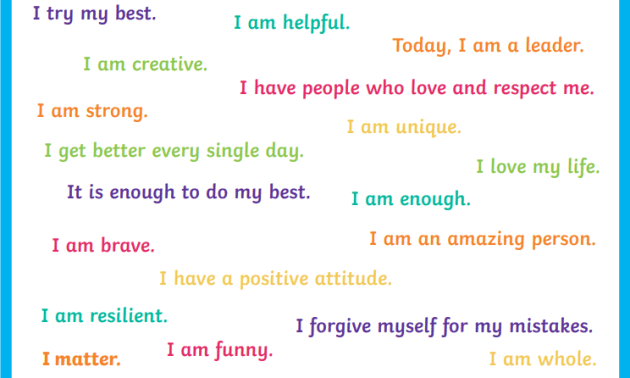
Many people copy affirmations from books or online lists. But what works for one person may not work for another. The best affirmations are personal and meaningful to you. For example, if you struggle with public speaking, “I speak clearly and confidently” is more powerful than a general statement.
Credit: www.twinkl.com
Benefits Of Using Affirmations
Affirmations can help in many areas of life. Here are some of the most important benefits:
Building Self-confidence
When you repeat positive statements about yourself, you start to believe them. This can boost your confidence, making it easier to try new things or face challenges.
Reducing Negative Thoughts
Many people have a “negative voice” in their head. Affirmations can help quiet this voice and replace it with more helpful thoughts.
Supporting Personal Goals
If you want to achieve something, such as learning a new skill or improving your health, affirmations can keep you focused and motivated.
Improving Relationships
Positive affirmations can also help you relate better to others. When you believe in your own worth, you are more likely to treat others with respect and kindness.
Managing Stress And Anxiety
Repeating calming affirmations can help you feel more relaxed during stressful times. For example, saying “I am calm and in control” can help slow your breathing and reduce tension.
How To Create Effective Affirmations
Creating your own affirmation is simple, but there are some important tips to make them work better.
1. Use The Present Tense
Affirmations should be in the present tense, as if they are true right now. For example, say “I am healthy,” not “I will be healthy. ”
2. Keep It Positive
Focus on what you want, not what you want to avoid. Instead of “I am not afraid of failure,” say “I am confident in my success. ”
3. Make It Believable
If your affirmation feels too far from reality, your mind may reject it. For example, if you feel very unhappy, “I am always happy” may not work. Instead, try “I am learning to find joy every day. ”
4. Be Specific
The more specific your affirmation, the better. “I handle stress well at work” is clearer than “I am calm. ”
5. Add Emotion
Try to include a feeling in your affirmation. For example, “I feel grateful for the support I receive. ”
6. Repeat Regularly
Consistency is key. Repeat your affirmation several times a day. Many people say them in the morning or before bed.
Example Affirmations
Here are some examples that show these rules:
- “I am confident when I speak in meetings.”
- “I treat my body with kindness and care.”
- “I am open to learning and growing every day.”
- “I attract positive relationships into my life.”
- “I am grateful for every opportunity.”
Practical Ways To Use Affirmations
You can use affirmations in many different situations. Here are some practical ideas for adding them to your daily routine:
1. Morning Routine
Start your day with a positive mindset by saying your affirmations as soon as you wake up. This sets the tone for your whole day.
2. Before A Challenge
If you are about to do something difficult, like a job interview or a test, repeat your affirmation to boost your confidence.
3. During Stressful Times
When you feel anxious or upset, take a deep breath and say your affirmation to calm your mind.
4. Written Affirmations
Write your affirmation on a sticky note and place it where you will see it often — on your mirror, desk, or phone screen.
5. Meditation Or Prayer
Many people include affirmations in their meditation or prayer practice. This helps connect the words to a sense of peace and focus.
6. Visualization
Imagine yourself living out your affirmation. For example, if your affirmation is, “I am a confident speaker,” picture yourself giving a great speech.
Comparison: Common Vs. Personalized Affirmations
Here is how common, generic affirmations compare with personalized ones:
| Common Affirmation | Personalized Affirmation |
|---|---|
| I am successful. | I complete my projects on time and feel proud of my work. |
| I am happy. | I find joy in helping my friends every day. |
| I am healthy. | I make healthy food choices and enjoy being active. |
Personalized affirmations are often more powerful because they connect directly to your life and goals.
The Science: Do Affirmations Really Work?
Many people want to know if affirmations are truly effective. The answer is: they can be, but not always in the way people expect.
What Research Shows
Some scientific studies show that affirmations:
- Can reduce stress
- Help students do better in school
- Improve health behaviors, like eating better or exercising
For example, one study found that people who used self-affirmation before a stressful event had lower stress hormones in their body. Another research project showed that students who wrote about their values (a form of affirmation) had higher grades.
When Affirmations May Not Work
Affirmations are not a cure for everything. They may not help if:
- You do not believe the statement at all
- You use affirmations without taking any action
- You only use them to avoid real problems
For people with very low self-esteem, some affirmations can even make things worse if the words feel like a lie. In this case, it is better to start with gentle, believable statements, like “I am open to seeing my strengths.
”
Non-obvious Insight: The Power Of Small Changes
Many beginners think affirmations must be big or dramatic. In reality, small, realistic affirmations often work better. For example, “I am learning to manage stress” is easier to accept than “I am never stressed.” Over time, small changes add up to bigger results.

Credit: beadage.net
Affirmations In Daily Life: Real Examples
Let’s look at how people use affirmations in real situations.
Affirmations At Work
Imagine you have a big project at work. You feel nervous and worry you are not good enough. Using the affirmation, “I am capable and prepared for this task,” can help shift your focus from fear to confidence.
Affirmations For Health
Someone trying to eat healthier might use, “I choose foods that fuel my body,” to support good choices at meals.
Affirmations For Students
A student facing exams might repeat, “I learn quickly and remember easily,” to reduce anxiety and boost performance.
Affirmations For Relationships
If you want to improve your relationships, an affirmation like, “I listen with kindness and understanding,” can help you be more patient and caring.
Data: How People Use Affirmations
A survey by a large mental health organization found that:
| Purpose | Percent of Users |
|---|---|
| Reduce stress | 42% |
| Improve confidence | 38% |
| Support health goals | 27% |
| Enhance relationships | 19% |
Many people use affirmations for more than one reason.
Mistakes To Avoid With Affirmations
Even though affirmations seem simple, there are some common mistakes:
1. Using Negative Words
Saying “I am not afraid” still focuses on fear. Always use positive words.
2. Being Unrealistic
If your affirmation feels impossible, it may not work. Start with something believable.
3. Forgetting To Take Action
Affirmations alone cannot change your life. You must combine them with real steps toward your goals.
4. Ignoring Your Feelings
Do not use affirmations to hide or deny strong emotions. It is okay to feel sad or angry sometimes.
5. Lack Of Consistency
Saying an affirmation once is not enough. Repeat it every day for the best results.
How To Know If Affirmations Are Working
It can be hard to measure the effect of affirmations. Here are some signs they are helping:
- You notice your self-talk is more positive.
- You feel more confident facing challenges.
- You are more motivated to take action.
- You feel less stressed in difficult situations.
- Others notice changes in your attitude or behavior.
Remember, change takes time. Be patient with yourself.
Making Affirmations Part Of Your Life
To get the most from affirmations, try these tips:
- Choose 1-3 affirmations that matter most to you.
- Repeat them daily, out loud or in writing.
- Connect the words with real feelings.
- Use them before challenges or when you need a boost.
- Adjust your affirmations as your goals change.
You can also learn more about the science of affirmations from trusted sources like Wikipedia.

Credit: 7esl.com
Frequently Asked Questions
What Does “affirmation” Mean In Simple Words?
An affirmation is a positive statement that you say to yourself to help you believe in your abilities or reach a goal. It is like giving yourself a short message of encouragement.
Do Affirmations Really Change Your Life?
Affirmations can help you think more positively and feel more confident. They are most effective when you repeat them often and also take real action toward your goals. They are not magic, but they can support real change.
How Do I Create My Own Affirmation?
Start by thinking about what you want to improve. Use positive words in the present tense. Make your statement specific and believable. For example, “I am learning to be more patient.”
Can I Use Affirmations For Anxiety Or Stress?
Yes, many people use affirmations to calm themselves during stressful times. For example, you can say, “I am calm and in control. ” Remember to also use other healthy habits, like deep breathing or talking to someone you trust.
How Long Does It Take To See Results From Affirmations?
It depends on the person and how often you use them. Some people notice changes in a few days, while others may need weeks or months. The key is to be consistent and patient with yourself.
Affirmations are a powerful tool that anyone can use to build confidence, manage stress, and support personal growth. With the right approach, they can help you see yourself and your future in a more positive light. Whether you are new to affirmations or looking to deepen your practice, the most important step is to start — and to keep going, even when it feels challenging.
Every positive word you say to yourself is a step toward the person you want to become.
