

Affirmation Ideas: Transform Your Mindset for Lasting Success
Affirmation Ideas: How to Use Positive Statements for a Better Life
Feeling stuck, overwhelmed, or low in confidence is common for everyone at some point. But what if you could gently guide your mind to think differently, just by repeating a few simple words each day? That’s the power of affirmations—positive statements that help shape your beliefs and actions. They may sound simple, but the right affirmation ideas, used with intention, can help you reduce stress, build self-esteem, and move toward your goals.
In this guide, you’ll find practical advice on how to create and use affirmations, why they work, and a wide variety of affirmation ideas for different areas of your life. Whether you’re new to affirmations or want to make them work better for you, this article is full of tips, examples, and real insights to support your journey.
What Are Affirmations And Why Do They Work?
Affirmations are short, positive sentences you say to yourself. They focus your mind on what you want, instead of what you fear or dislike. By repeating these statements regularly, you can begin to believe them—and act on them.
Psychology studies have found that affirmations can reduce stress, improve performance, and even change how you see yourself. When you repeat positive ideas, your brain starts to build new pathways, making it easier to think and act in ways that support your goals. This is known as self-affirmation theory.
It’s not magic. Affirmations work best when you truly believe in them and combine them with action. They’re not about denying reality, but about focusing on your strengths and possibilities.
Key Reasons Affirmations Help
- Reinforce positive beliefs: They help you remember your strengths and values.
- Reduce negative self-talk: They counter thoughts that hold you back.
- Boost motivation: They remind you of your goals.
- Lower stress: They help you manage anxiety and worry.
A simple example: If you often think, “I can’t do this,” an affirmation like, “I am capable and prepared,” gently pushes your mind in a new direction.
How To Create Effective Affirmations
Not all affirmations are created equal. Some work better because they are specific, personal, and present-focused. Here are steps to create your own affirmations that can truly help:
- Use the present tense: Say “I am strong,” not “I will be strong.”
- Keep it positive: Focus on what you want, not what you don’t want.
- Make it personal: Use “I” statements.
- Be specific: “I am confident speaking in meetings” is better than “I am confident.”
- Keep it short and clear: Easy to remember, easy to repeat.
- Add emotion: Connect with how it feels, such as “I feel grateful for my talents.”
Example: Turning A Negative Thought Into An Affirmation
If you often worry about making mistakes at work, you might think, “I always mess up.” Turn this into: “I learn from every experience and grow stronger.”
Tip: Don’t pick affirmations that feel completely untrue or impossible. Start with statements that feel possible or at least believable.
50 Affirmation Ideas For Daily Life
Affirmations can be about almost anything—confidence, health, relationships, work, money, or peace of mind. Here are fifty affirmation ideas you can use or adapt for your own needs:
- I am enough just as I am.
- I trust myself to make good decisions.
- I am worthy of love and respect.
- I handle challenges with strength and courage.
- I am growing and learning every day.
- I attract positive energy into my life.
- I am calm and in control.
- I forgive myself and let go of guilt.
- I am grateful for today.
- I am open to new opportunities.
- I deserve happiness and success.
- I am confident in my abilities.
- I am healthy and strong.
- I am surrounded by loving people.
- I choose to focus on what I can control.
- I welcome change as a chance to grow.
- I am proud of what I have achieved.
- I am at peace with my past.
- I am creative and resourceful.
- I listen to my needs and honor them.
- I let go of fear and embrace courage.
- I trust that everything is unfolding for my highest good.
- I am resilient in difficult times.
- I am worthy of good things.
- I am focused and productive.
- I speak kindly to myself.
- I am a positive influence on others.
- I am open to love in all forms.
- I respect my boundaries and the boundaries of others.
- I am patient with myself and others.
- I am grateful for my body and all it does for me.
- I am responsible for my own happiness.
- I am free from worry about things I cannot control.
- I am in charge of my thoughts and feelings.
- I am deserving of rest and relaxation.
- I am motivated to achieve my goals.
- I release the need for approval from others.
- I am worthy of forgiveness and understanding.
- I am comfortable being myself.
- I trust the timing of my life.
- I am open to learning from others.
- I am a unique and valuable person.
- I am grateful for the small joys in my day.
- I am safe and protected.
- I am always growing and improving.
- I am surrounded by abundance.
- I am kind to myself and others.
- I am able to find solutions to my problems.
- I am excited about my future.
- I am love, and I am loved.
Insight: Why Variety Matters
Repeating the same affirmation every day can be helpful, but using a mix can keep your mind engaged and meet your changing needs. Try rotating your affirmations based on what you need that day.
Affirmations For Specific Goals And Challenges
Sometimes, you need more targeted affirmations for certain areas of life. Here are examples for some of the most common situations.
Confidence And Self-esteem
- I believe in my abilities and express my ideas with confidence.
- I accept myself unconditionally.
- I am proud of who I am becoming.
Stress And Anxiety
- I breathe deeply and let go of tension.
- I am safe, calm, and centered.
- I trust that I can handle whatever comes.
Health And Wellness
- I honor my body and give it what it needs.
- Every day, I get stronger and healthier.
- My body is a source of energy and joy.
Relationships
- I communicate with honesty and kindness.
- I am worthy of healthy, loving relationships.
- I attract people who respect and support me.
Career And Success
- I am capable of achieving my career goals.
- I handle challenges at work with confidence.
- I am open to growth and learning new skills.
Money And Abundance
- I deserve financial abundance and security.
- I use my money wisely and confidently.
- Abundance flows to me from many sources.
Table: Example Affirmations By Life Area
Here is a comparison of affirmation ideas for different life areas:
| Life Area | Sample Affirmation |
|---|---|
| Confidence | I am confident in my abilities. |
| Stress Relief | I let go of what I cannot control. |
| Health | My body is healthy and strong. |
| Relationships | I attract kind and supportive people. |
| Money | Abundance comes to me easily. |
How To Use Affirmations Effectively
Saying affirmations once is not enough. The way you use them can make a big difference in how well they work.
1. Repeat Daily
Choose a few affirmations and say them out loud every morning and night. Repetition helps your brain accept the new idea as true.
2. Write Them Down
Writing your affirmations in a journal or on sticky notes makes them feel more real. Keep them where you can see them—on your mirror, desk, or phone.
3. Visualize As You Say Them
Picture yourself living out the affirmation. For example, if you say, “I am confident speaking in public,” imagine yourself on stage, speaking clearly and confidently.
4. Feel The Emotion
Don’t just say the words—try to feel the emotion behind them. This helps your mind connect more deeply with the message.
5. Personalize And Adjust
Adapt affirmations to fit your own needs and situation. If an affirmation doesn’t feel right, change it until it does.
6. Combine With Action
Affirmations are most powerful when paired with action. If you affirm, “I am healthy,” also make healthy choices in your diet and exercise.
Table: Methods To Use Affirmations
Here’s a look at different ways to practice affirmations and their benefits:
| Method | How It Works | Best For |
|---|---|---|
| Speaking Aloud | Say affirmations out loud each day. | Building confidence and presence. |
| Writing | Write affirmations by hand repeatedly. | Deepening belief and memory. |
| Visualization | Picture yourself living the affirmation. | Goal achievement and motivation. |
| Sticky Notes | Place reminders where you see them. | Ongoing, gentle reinforcement. |
| Phone Reminders | Set daily reminders on your device. | Busy lifestyles and tech users. |
Common Mistakes People Make With Affirmations
Many people try affirmations and give up, saying they “don’t work.” Usually, this is because of one of these common mistakes:
1. Picking Unrealistic Statements
If you choose affirmations that feel like a lie (“I am a millionaire” when you’re in debt), your mind will resist them. Start with statements you can believe, or at least that feel possible.
2. Using Negative Words
Avoid phrases like “I am not afraid” or “I don’t make mistakes. ” Your mind focuses on the main words (“afraid,” “mistakes”). Use positive language instead.
3. Being Inconsistent
Affirmations need regular practice. If you only use them once in a while, they won’t make much difference.
4. Ignoring Feelings
Saying affirmations with no emotion or belief makes them less effective. Try to connect with the feeling behind the words.
5. Forgetting To Take Action
Affirmations are a tool, not a magic spell. You still need to act in ways that support your goals.
Non-obvious insight: If you feel resistance or discomfort when you say an affirmation, that’s a sign it’s touching a limiting belief. This can be an opportunity to gently explore and work with that belief, not just ignore it.
Affirmations For Kids And Teens
Children and young people can benefit from affirmations, too. In fact, starting this habit early can build lifelong confidence and resilience. Here are some simple, child-friendly affirmation ideas:
- I am brave and strong.
- I can learn anything I set my mind to.
- My feelings matter.
- I am a good friend.
- I am creative and smart.
- I am kind to others.
Using Affirmations With Kids
- Encourage kids to say affirmations out loud, perhaps as part of a morning routine.
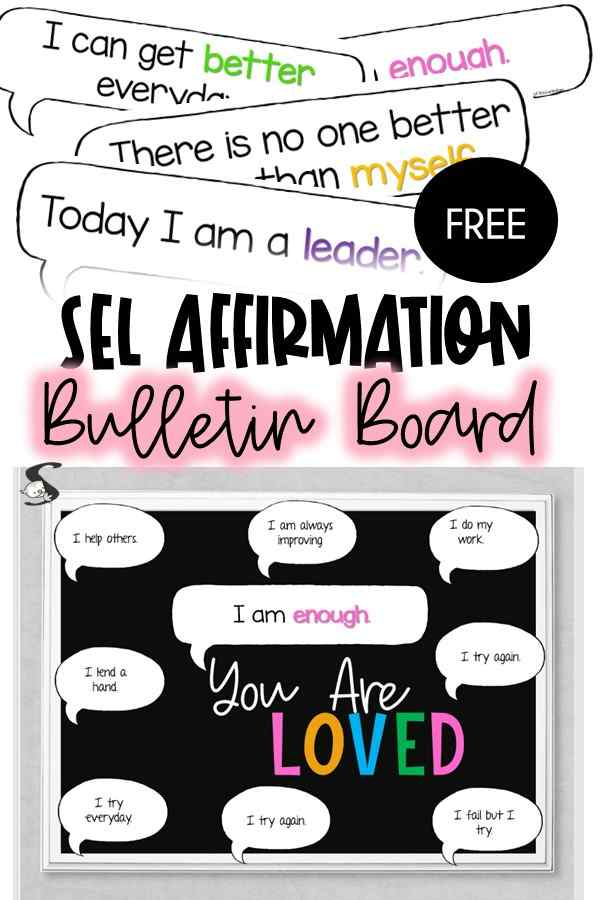
- Use visual aids—like posters or cards—to make it fun and memorable.
- Help them create their own affirmations that fit their personality and challenges.
Scientific Evidence Behind Affirmations
While affirmations may sound too simple to be powerful, there is real research showing their benefits. For example, studies published in respected journals have found that self-affirmation can reduce stress, improve academic performance, and even change brain activity related to self-processing.
One notable study found that people who practiced affirmations had lower levels of cortisol (the stress hormone) when facing challenges. Another found that affirmations helped students perform better in school, especially those who felt at risk of failing.
For more details, you can read this summary from Wikipedia on self-affirmation theory.
Non-obvious Insight: Affirmations May Not Always “feel” Like They Are Working At First, But Studies Show That Even Small Changes In Self-talk Can Have A Lasting Impact Over Time—especially When Combined With Real-world Actions.

Credit: lotanner.com
Advanced Tips: Making Affirmations Work Even Better
If you’ve tried affirmations and want even better results, consider these advanced strategies:
1. Pair With Breathwork Or Meditation
Practicing affirmations while breathing deeply or during meditation helps relax your body and makes your mind more open to new ideas.
2. Use “bridge Statements”
If an affirmation feels too far from your current reality, use a bridge statement: “I am open to the possibility of being confident,” or “I am learning to love myself.” This builds a path from where you are now to where you want to be.
3. Record Your Voice
Hearing your own voice say affirmations can make them more powerful. Record yourself and listen during your commute or before sleep.
4. Create Visual Reminders
Make vision boards or use images alongside your affirmations. This can help your brain connect the words with real-life goals.
5. Combine With Journaling
After saying your affirmation, write a short paragraph about how it could show up in your life. This practice deepens your commitment and gives you new ideas for action.
Table: Affirmation Strategies And Their Benefits
| Strategy | How It Helps |
|---|---|
| Breathwork/Meditation | Calms body and mind, opens you to new ideas. |
| Bridge Statements | Makes affirmations feel more believable, reduces resistance. |
| Voice Recording | Personalizes affirmations, increases impact. |
| Visual Reminders | Strengthens mental imagery, supports goals. |
| Journaling | Deepens understanding, sparks action ideas. |
Using Affirmations During Difficult Times
It’s easy to say positive things when life is going well. But the real power of affirmations shows up during hard moments—when you feel afraid, uncertain, or disappointed. Here’s how to make them work when you need them most:
- Acknowledge your feelings: It’s okay to feel upset or worried. Use affirmations that accept where you are, like “I am allowed to feel what I feel, and I trust I will get through this.”
- Focus on small steps: If a big affirmation feels too hard, focus on a small, gentle one that feels true right now.
- Repeat often: In tough times, you may need to repeat affirmations more frequently to help shift your mindset.
Real example: A person going through job loss might use: “I am resilient and open to new possibilities,” instead of “I am successful and secure,” which might feel false in that moment.
Why Some People Resist Affirmations (and How To Overcome It)
It’s normal to feel silly or uncomfortable when you first try affirmations. Some people worry that saying positive things is just “lying to themselves.” Here’s why this happens and what to do about it:
- Your brain is used to old patterns: Changing thoughts can feel strange at first. Be patient and gentle with yourself.
- Belief takes time: You may not believe every affirmation immediately. That’s okay. Consistency is more important than instant belief.
- Start small: Pick affirmations that feel believable, or use bridge statements.
- Notice small changes: Pay attention to even minor improvements in your feelings or actions. This builds confidence in the process.
Affirmation Ideas For Different Personalities
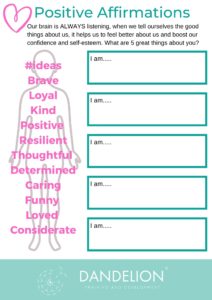
Not everyone responds to the same kind of affirmation. Some people prefer strong, direct statements. Others like gentle, caring words. Here are some examples for different styles:
- Direct: “I am unstoppable.”
- Gentle: “I am learning to treat myself with kindness.”
- Action-oriented: “I take steps each day toward my dreams.”
- Reflective: “I grow wiser from every experience.”
Try different styles to see what feels most natural and helpful for you.
Credit: dandeliontraininganddevelopment.com
Building A Daily Affirmation Habit
Making affirmations part of your daily routine increases their power. Here are steps to build the habit:
- Pick a regular time: Morning, before bed, or during breaks.
- Keep them visible: Use notes, reminders, or alarms.
- Pair with another habit: Say affirmations while brushing your teeth or making coffee.
- Track your progress: Write down any changes you notice in your mood or actions.
- Stay patient: Habits take time. Even small steps add up.
Frequently Asked Questions
What Is The Best Time To Practice Affirmations?
The best time is when you can be consistent. Many people prefer mornings to start the day positively, or evenings to end the day calmly. Some use affirmations during stressful moments. Choose a time that fits your routine.
Can Affirmations Help With Anxiety And Depression?
Affirmations alone are not a cure for anxiety or depression, but they can be a helpful tool. They may reduce negative thinking and support other treatments. If you struggle with mental health, combine affirmations with professional help and self-care.
How Long Does It Take For Affirmations To Work?
There’s no fixed time. Some people notice changes in a few days; for others, it takes weeks or months. The key is regular practice and choosing affirmations that feel believable and meaningful.
What If I Don’t Believe My Affirmation?
Start with statements that feel possible, or use “bridge statements” like “I am learning to…” As you repeat them and take supportive actions, belief will often grow over time.
Are Affirmations Backed By Science?
Yes, research in psychology supports the benefits of affirmations, especially for reducing stress and improving confidence. For more details, see Wikipedia’s article on self-affirmation theory.
Harnessing the power of affirmation ideas is about more than just repeating words—it’s about shaping your mindset, building habits, and taking real steps toward a better life. Choose the statements that fit your needs, practice regularly, and watch how small changes in thinking can lead to big results.
Credit: www.seaofknowledge.org
