

Affirmation Ideas for Adults: Boost Confidence and Well-Being
Affirmation Ideas For Adults
Positive self-talk can change how you see yourself and the world. For many adults, life becomes busy, stressful, and sometimes overwhelming. It’s easy to forget your strengths, your dreams, or even the small wins you achieve every day. Affirmations are short, powerful sentences you say to yourself to build self-belief and motivation. Used the right way, they help you grow stronger, stay calm, and develop a more positive mindset.
Many people think affirmations are just for children or those with low confidence. That’s a common mistake. Adults at every stage of life benefit from them, whether you’re starting a new job, feeling stuck, managing family life, or simply wanting to feel happier.
The key is to choose affirmations that fit your real life and speak to your needs. In this guide, you’ll discover many affirmation ideas for adults, how to use them, and practical advice for making them part of your routine.
What Are Affirmations?
Affirmations are short, clear statements that help you focus on your goals or strengths. They are not magic words, but when repeated often, they can change the way you think and behave. For example, saying “I am capable” helps remind your mind of your ability, especially when facing challenges.
A common myth is that affirmations are just wishful thinking. In reality, studies show that positive self-affirmation can reduce stress, improve problem-solving, and even help people achieve their goals. For adults, this means affirmations aren’t just “feel-good” phrases – they are tools for real change.
Why Adults Need Affirmations
Life as an adult is complicated. You might face work pressure, family expectations, health issues, or personal doubts. Negative thoughts can creep in and affect your mood, performance, and even your relationships. Affirmations help you:
- Replace negative self-talk with positive beliefs
- Stay motivated during difficult times
- Build resilience against stress and setbacks
- Increase your sense of control and hope
For example, if you keep thinking “I’ll never get this job,” you may lose confidence and give up. Changing that to “I am learning and improving every day” shifts your focus to growth, not failure.
How To Use Affirmations Effectively
Just repeating affirmations is not enough. Here’s how to make them work for you:
- Be specific. Use affirmations that fit your real situation. Instead of “I am happy,” try “I find joy in small things every day.”
- Say them daily. Consistency is key. Morning and evening are good times.
- Believe in your words. If you don’t believe the affirmation, adjust the words until they feel true.
- Combine with action. Affirm what you want, then take steps toward it.
- Write them down. Putting affirmations on paper or sticky notes helps your brain remember them.
A practical tip: Record yourself saying your favorite affirmations and listen while commuting or exercising. This makes them part of your life, not just words.
Types Of Affirmations For Adults
Adults have many roles and needs. Here are some main areas where affirmations can help:
- Self-confidence
- Stress relief
- Career growth
- Relationships
- Health and wellness
- Personal growth
- Financial mindset
- Gratitude and happiness
You don’t need to use all types. Choose the areas where you need support or want to grow.

Credit: fixmassaazid.ee
Self-confidence Affirmations
Feeling unsure is normal. But confidence can be built, not just wished for. Try these affirmations to boost your self-worth:
- “I trust myself to make good decisions.”
- “I am enough, just as I am.”
- “I handle challenges with courage and wisdom.”
- “I learn from my mistakes and keep growing.”
- “I am proud of what I have achieved.”
When you repeat these, focus on real moments in your life where you showed strength or made progress. Linking affirmations to real experiences makes them more powerful.
Stress Relief And Calm Affirmations
Stress is a part of modern life. While you can’t always avoid it, you can change how you respond. Affirmations for calm and peace include:
- “I am calm and centered, even in difficult moments.”
- “I let go of what I cannot control.”
- “Every breath I take fills me with peace.”
- “I choose to respond with patience.”
- “My mind is clear and focused.”
Some people find it helpful to combine these affirmations with deep breathing. For example, inhale while saying “I am calm,” exhale while thinking “I let go. ”
Career And Work Affirmations
Work can bring stress, but also a chance to grow. Career affirmations help you stay focused and confident:
- “I am skilled and valuable at my job.”
- “Every day I improve and learn new things.”
- “I create success through hard work and smart choices.”
- “I am open to new opportunities.”
- “I balance ambition with self-care.”
Use these before important meetings, interviews, or when facing workplace challenges. They remind you of your strengths and keep your mind on solutions.
Relationship Affirmations
Healthy relationships need trust, respect, and communication. Affirmations in this area can help you nurture love and connection:
- “I listen with understanding and speak with kindness.”
- “I am worthy of love and respect.”
- “I attract positive and caring people.”
- “I forgive others and let go of anger.”
- “My relationships are built on trust and honesty.”
A common mistake is to use affirmations to change someone else. Instead, focus on your own actions and attitudes. This creates real change.
Health And Wellness Affirmations
Physical and mental health are linked. Positive affirmations help you develop good habits and a healthy self-image:
- “I respect my body and care for it every day.”
- “I make healthy choices that support my well-being.”
- “I am strong, healthy, and full of energy.”
- “I listen to my body’s needs with compassion.”
- “I am healing and growing stronger every day.”
Many people overlook the power of self-talk in health. Saying “I am healthy” may seem simple, but it can encourage better habits and reduce anxiety about illness.
Personal Growth Affirmations
Personal growth is about learning, changing, and becoming your best self. Affirmations in this area support your journey:
- “I am always learning and growing.”
- “I welcome change as a chance to improve.”
- “I am open-minded and curious.”
- “I turn challenges into opportunities.”
- “I believe in my ability to achieve my goals.”
Using these during times of change, such as a new job or a big move, can help you adapt and stay positive.
Financial Mindset Affirmations
Money is a major source of stress for adults. A healthy financial mindset is not just about having more, but feeling in control and confident:
- “I am responsible and smart with my money.”
- “I attract opportunities for growth and abundance.”
- “I am worthy of financial success.”
- “My actions today create my financial future.”
- “I am grateful for what I have and open to more.”
Don’t use affirmations to deny money problems. Instead, use them to support wise choices and a positive relationship with money.
Gratitude And Happiness Affirmations
Gratitude is proven to boost mood and life satisfaction. Affirmations for happiness help you focus on the good:
- “I am grateful for the simple joys in my life.”
- “I choose happiness in every moment.”
- “I see beauty in the world around me.”
- “I celebrate my successes, big and small.”
- “I am content and at peace with where I am.”
Try starting or ending your day with a gratitude affirmation. Over time, you’ll notice a shift in your outlook.

Credit: www.teacherspayteachers.com
Practical Ways To Use Affirmations
It’s easy to read affirmations, but how do you make them work in real life? Here are some practical strategies:
Morning And Evening Routines
Begin and end your day with affirmations. This bookends your day with positive energy and intention. Some people like to stand in front of a mirror, look themselves in the eye, and say their affirmation out loud.
Write Them Down
Keep a journal where you write your favorite affirmations every day. Writing by hand makes your brain remember them better. Sticky notes on your desk, mirror, or fridge also serve as helpful reminders.
Digital Reminders
Set reminders on your phone or computer to pop up with your chosen affirmation. This technique is simple but effective, especially during busy days.
Combine With Visualization
Picture yourself living out the affirmation. For example, if you say “I am confident in meetings,” imagine yourself speaking up and being heard.
Share With Others
Tell a friend or family member about your affirmation practice. Sometimes, sharing your goals and positive statements makes them feel more real.
Common Mistakes And How To Avoid Them
People often give up on affirmations because they don’t see instant results. Here are some mistakes to avoid:
- Choosing unrealistic affirmations. If you don’t believe what you’re saying, your brain will reject it. Start with statements that feel almost true, then build up.
- Repeating too many at once. Focus on one or two affirmations at a time. Quality is better than quantity.
- Expecting quick changes. Affirmations work with time and repetition. Be patient.
- Ignoring negative feelings. Affirmations are not about denying problems. Use them alongside real action and self-care.
Data And Research On Affirmations
Research shows that self-affirmation can improve health, well-being, and performance. For example, a study published in the journal “Social Cognitive and Affective Neuroscience” found that affirmations activate brain areas linked to reward and self-processing.
Below is a comparison of how people feel before and after practicing affirmations regularly:
| Emotional State | Before Affirmations | After 4 Weeks of Affirmations |
|---|---|---|
| Self-confidence | Low | Medium to High |
| Stress Levels | High | Lower |
| Mood | Negative or Neutral | Positive |
| Motivation | Inconsistent | Consistent |
While results vary for each person, consistency is the most important factor for success.
Comparing Affirmation Practices
There are different ways to practice affirmations. Here is a comparison of three popular methods:
| Method | How It Works | Best For | Potential Downsides |
|---|---|---|---|
| Spoken Affirmations | Say affirmations out loud daily | Building confidence, motivation | May feel awkward at first |
| Written Affirmations | Write affirmations in a journal | Memory, deeper reflection | Requires regular time commitment |
| Visual Affirmations | Combine with images or visualization | Big goals, creative thinking | May be hard for logical thinkers |
Choose the method that feels natural, or combine more than one. The best practice is the one you’ll actually use.
Building An Affirmation Routine: Step-by-step
Creating a routine makes affirmations stick. Here’s how to start:
- Pick two or three affirmations that match your current goals or struggles.
- Decide on a time and place. Morning by the mirror, evening before bed, or during your lunch break.
- Repeat your affirmations three times. Speak slowly and clearly, focusing on the meaning.
- Write them in a notebook. This doubles the effect by engaging more senses.
- Keep it up for at least three weeks. Habits need time to form.
A non-obvious tip: Don’t force yourself to use the same affirmations forever. Update them as your needs and life change.
Choosing The Right Affirmations For You
Not all affirmations fit every person. To choose the best ones:
- Focus on areas where you feel least confident or most stressed.
- Use words you actually say in daily life.
- Test a few for a week and notice how you feel.
- Adjust the wording until it feels natural and believable.
For example, if you struggle with public speaking, “I speak clearly and confidently” is better than “I am always perfect. ” Make affirmations personal.
Advanced Tips: Making Affirmations Stick
Beginners often miss these advanced strategies:
- Pair with habits. Link affirmations to daily actions like brushing teeth or making coffee.
- Use sensory cues. Light a favorite candle or listen to calming music while repeating affirmations.
- Track your progress. Notice small changes in mood, behavior, or outlook.
- Ask questions. Sometimes, turning an affirmation into a question boosts results. For example, “How am I becoming more confident each day?” This engages your mind to find answers.
Real-life Examples Of Affirmation Success
Many successful people credit affirmations for their progress. For instance, athletes use affirmations like “I am ready and prepared” before competitions. Leaders often start meetings with positive statements to set the tone.
One example: A busy manager struggling with work-life balance began saying, “I manage my time wisely and make space for rest.” Over several weeks, she noticed she was scheduling breaks and feeling less burned out.
Another insight: Sometimes, you’ll notice your inner critic arguing with your affirmations. This is normal. With practice, positive self-talk gets louder and more natural.
When Affirmations Might Not Work
Affirmations are not a cure for all problems. They won’t replace professional help if you are facing serious mental health issues like depression or anxiety. In those cases, use affirmations alongside therapy or other treatments, not instead of them.
If you feel stuck, ask yourself if your affirmations are too big or unrealistic. Adjust them until they feel true and helpful.
Combining Affirmations With Other Tools
To get the most from affirmations, combine them with:
- Meditation or mindfulness: Focus on the present while repeating affirmations.
- Gratitude journaling: Write three things you’re grateful for alongside your affirmations.
- Goal setting: Set a small, clear goal and use affirmations to support it.
This holistic approach creates stronger, lasting change.
Below is a simple example of how to use these tools together:
| Tool | How to Use with Affirmations | Benefit |
|---|---|---|
| Meditation | Repeat affirmations while focusing on breath | Calms mind, improves focus |
| Journaling | Write affirmations and reflect on progress | Deepens self-awareness |
| Visualization | Imagine achieving your affirmation goal | Boosts motivation |
Where To Find More Affirmation Ideas
There are many resources online and in books about affirmations. If you want to learn more, check out Wikipedia’s page on Affirmations for a deeper look at their history and science.
Frequently Asked Questions
What Is The Best Time To Practice Affirmations?
The best time is when you can be consistent. Many people prefer mornings to set a positive tone for the day, or evenings to unwind and reflect. Choose a time when you are not rushed and can focus for a few minutes.
Do Affirmations Really Work For Everyone?
Affirmations work best when they feel believable and are used consistently. Some people see quick changes, while others notice small improvements over time. If you struggle with belief, start with simple, true statements and build up.
Can Affirmations Replace Therapy Or Medication?
No. Affirmations are a helpful tool for mindset and motivation, but they are not a replacement for professional support. If you have serious mental health concerns, talk to a doctor or therapist.
How Long Does It Take To See Results From Affirmations?
Most people notice small changes in mood or outlook within a few weeks if used daily. Long-term changes in behavior or confidence may take months. Patience and consistency are important.
Should I Write My Own Affirmations Or Use Popular Ones?
Writing your own is often best because they fit your life and language. However, using popular affirmations can be a good starting point. Feel free to change the wording until it feels right for you.
Affirmations can help adults handle stress, grow in confidence, and live with more purpose. With the right approach, you can make positive self-talk a powerful part of your daily life. Remember, the most important thing is to start small, stay consistent, and adjust as you grow.
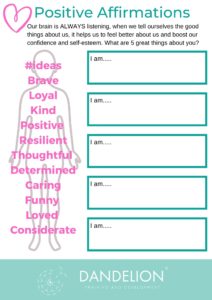
Credit: dandeliontraininganddevelopment.com
