

Womens Rash Guard Guide for Surf and Swim Success Tips
Updated on: 2026-01-19
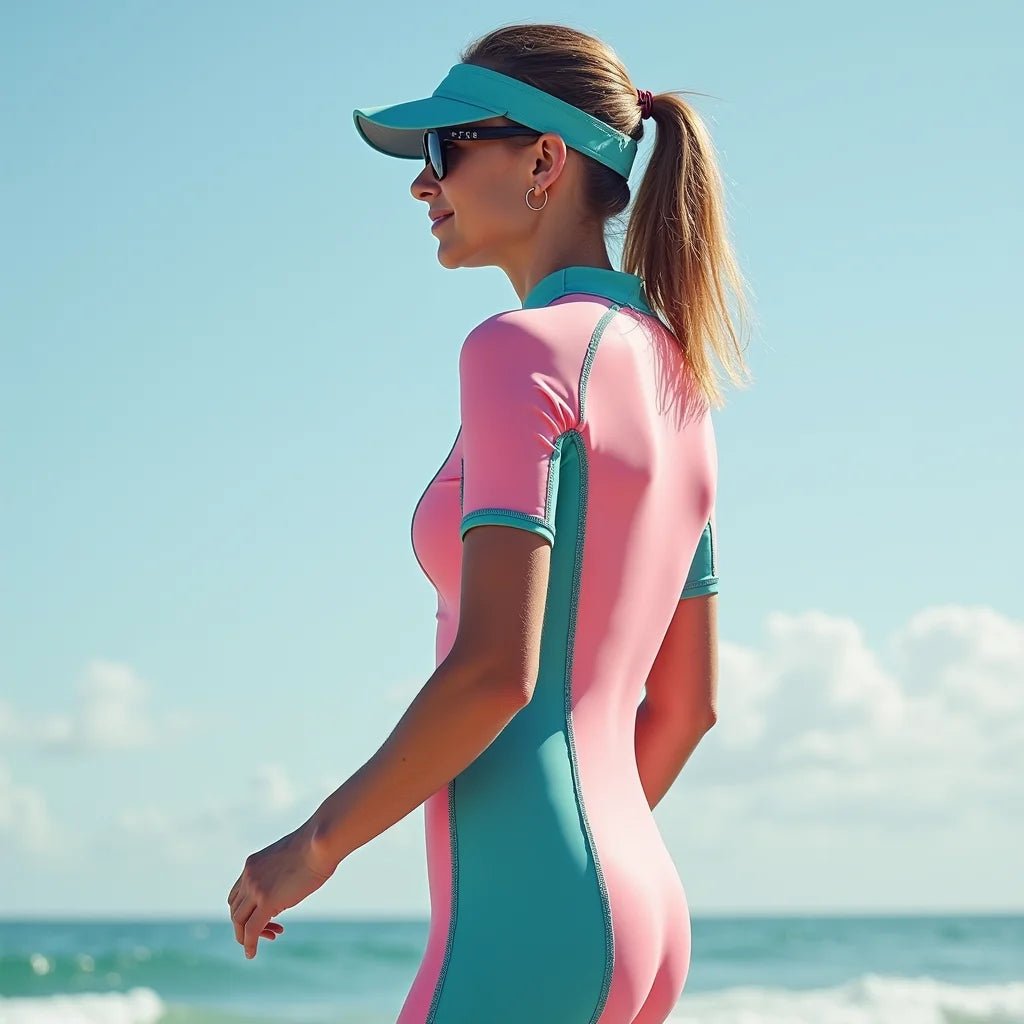
Think a women's rash guard is just glorified spandex? Think again, rebel. This essential piece of armor protects your skin from sun, chlorine, and existential dread while keeping you looking fierce in and out of the water. Whether you're diving into the ocean, hitting the pool, or simply refusing to conform to societal expectations about athletic wear, discover why this versatile garment deserves a spot in your anti-mediocrity wardrobe.
Table of Contents
- Introduction: Breaking Free from Beach Day Basics
- Product Spotlight: The Ultimate Protective Layer
- Myths vs. Facts: Separating Truth from Tan Lines
- Frequently Asked Questions
- Final Recommendations: Your Action Plan
- Q&A Section: Deep Dive Questions
- About the Author
Introduction: Breaking Free from Beach Day Basics
Let's be real—nobody wakes up excited about sunburn. You're not out here trying to look like a lobster ready for the dinner table. Yet every summer, millions of people abandon logic and expose their skin to UV rays like they're auditioning for a crispy commercial. This is where the women's rash guard enters the chat as your personal rebellion against preventable skin damage and discomfort.
For decades, these protective shirts were relegated to surfers and divers, relegated to the sidelines while everyone else suffered in silence. But times are changing, and the rash guard has evolved into a legitimate fashion-forward choice for anyone who refuses to compromise between style and safety. Whether you're a water sports enthusiast, a fitness fanatic, or someone who simply enjoys looking incredible while maintaining skin integrity, understanding what makes these garments special is essential.
Throughout this guide, we'll explore everything you need to know about selecting, wearing, and maximizing the benefits of a women's rash guard. You'll discover why dermatologists quietly approve of this choice, how to find the perfect fit for your body type, and why this piece deserves prime real estate in your athletic rotation. By the end, you'll understand that choosing protective wear isn't about limitation—it's about liberation.
Product Spotlight: The Ultimate Protective Layer
A women's rash guard is engineered with a singular mission: to shield your skin while maintaining mobility and comfort. These garments typically feature UPF (Ultraviolet Protection Factor) ratings of 50+, which means they block approximately 98 percent of harmful UV rays. That's basically superhero-level sun defense wrapped in stretchy, breathable fabric.
The construction matters significantly. Quality rash guards feature flat-seam stitching that prevents chafing during extended wear, moisture-wicking technology that draws sweat away from your skin, and chlorine-resistant materials that won't degrade after constant pool exposure. The fabric blend typically includes nylon, spandex, or polyester—materials chosen specifically for their durability and performance characteristics.
What makes modern protective shirts so compelling is their versatility. They're not limited to water activities anymore. Athletes wear them under uniforms, yogis layer them for studios, and fashion-conscious individuals style them as standalone pieces. Check out options like the So I Dance collection to see how contemporary designs elevate this practical garment into genuine style territory.
The fit spectrum ranges from fitted silhouettes that hug your contours to relaxed styles offering maximum freedom of movement. Sleeve variations include sleeveless for maximum airflow, short-sleeve for moderate coverage, and long-sleeve for serious sun warriors. Color options have exploded beyond basic black—vibrant hues, patterns, and artistic prints make finding a guard that matches your personality genuinely exciting.
Beyond aesthetics, the functional benefits are undeniable. These garments reduce friction between your body and water or equipment, minimize the risk of heat rash, provide coverage in environments where exposed skin feels vulnerable, and maintain water temperature regulation during extended aquatic sessions. They're practical armor disguised as athletic wear.
Myths vs. Facts: Separating Truth from Tan Lines
Myth: Rash Guards Make You Look Bulky
Fact: Modern designs are form-fitting and flattering. The right size hugs your body without creating bulk. Most women find that quality protective shirts actually provide subtle shaping and confidence-boosting coverage. Check the Beauty x Love design to see how contemporary cuts celebrate feminine silhouettes.
Myth: They're Only for Serious Athletes
Fact: Anyone can benefit from wearing a protective shirt, regardless of athletic ability. Casual swimmers, beachgoers, paddleboarders, and outdoor enthusiasts all gain legitimate protection and comfort advantages. This isn't reserved for elite performers—it's for anyone smart enough to avoid unnecessary sun damage.
Myth: They're Uncomfortable and Restrictive
Fact: Quality rash guards offer exceptional stretch and mobility. Four-way stretch fabrics move with your body, and ergonomic designs ensure you can perform full range of motion without constraint. Many wearers report they forget they're wearing one after five minutes.
Myth: They Don't Really Prevent Sun Damage
Fact: UPF 50+ protection blocks approximately 98 percent of UV rays. Scientific studies consistently demonstrate that wearing protective clothing reduces skin cancer risk significantly. This isn't mystical thinking—it's evidence-based dermatology.
Myth: They're Only Available in Boring Colors
Fact: The market now offers an incredible spectrum of designs, from minimalist aesthetics to bold artistic expressions. Whether you prefer subtle elegance or vibrant rebellion, protective wear now celebrates individuality. Explore the Go Purple collection to experience contemporary design possibilities.
Frequently Asked Questions
How Often Should I Replace My Rash Guard?
Quality garments typically last two to three years with proper care. However, if you wear yours constantly or notice fabric degradation, UV protection loss, or aesthetic wear, replacement might be warranted sooner. Signs include fading, loose seams, or reduced stretch. Treating your protective shirt well extends its lifespan considerably.
Can I Wear a Rash Guard for Non-Water Activities?
Absolutely. Many athletes wear them while cycling, hiking, doing outdoor fitness training, or practicing open-air yoga. The UV protection and moisture-wicking benefits apply regardless of your activity. They've become legitimate athleisure pieces that transition seamlessly between categories.
What's the Difference Between Men's and Women's Rash Guards?
Women's versions feature tailored cuts designed for female anatomy—typically narrower shoulders, defined waistlines, and contoured torso shaping. They're not just smaller versions of men's styles; they're engineered specifically for feminine comfort and fit. Construction quality and protection levels remain equivalent.
Do Rash Guards Work Better Than Sunscreen Alone?
They're complementary strategies. Protective wear offers consistent, reapplication-free protection, while sunscreen covers exposed areas. Using both maximizes your defense. Think of the rash guard as your first line of defense and sunscreen as backup for any exposed skin.
What Water Temperature Range Do They Support?
Most rash guards function in temperatures ranging from 50°F to 90°F+ (10°C to 32°C+). Some advanced designs incorporate thermal properties for cooler conditions. Check specific product specifications for temperature ratings before purchasing for extreme environments.
Final Recommendations: Your Action Plan
Prioritize Fit First: Before considering aesthetics, ensure the sizing aligns with your measurements. A garment that's too loose offers less support; too tight creates discomfort. Most brands provide detailed sizing charts—use them ruthlessly.
Verify UPF Ratings: Look for UPF 50+ protection labels. This indicates maximum UV blocking according to industry standards. Lower ratings provide some protection but aren't optimal for serious sun exposure.
Consider Your Primary Use: Water sports require chlorine-resistant materials; beach use prioritizes breathability; fitness training emphasizes moisture-wicking. Match the garment to your main activity for optimal performance.
Invest in Quality: Budget options exist, but mid-range to premium garments justify their cost through durability, comfort, and aesthetic longevity. You're not buying a disposable item; you're investing in protective infrastructure.
Coordinate Your Wardrobe: Pair your protective shirt with complementary pieces like yoga leggings or matching bottoms for cohesive, confidence-boosting ensembles.
Establish a Care Routine: Rinse after saltwater or chlorine exposure, wash in cold water, air dry, and avoid fabric softeners. Proper maintenance preserves both aesthetics and functionality far longer than neglectful treatment.
Embrace Personal Style: Don't settle for generic options. Your protective wear should reflect your personality and aesthetic. Designs like Heroine prove that safety and self-expression coexist beautifully.
Q&A Section: Deep Dive Questions
Can I Wear a Rash Guard While Pregnant?
Yes, many pregnant women find protective garments beneficial during water-based exercise. The UV protection remains valuable, and the supportive compression can feel comfortable during water activities. Opt for larger sizing or maternity-specific options to accommodate body changes. Always consult your healthcare provider before starting new exercise routines.
Are Rash Guards Effective Against Chlorine Damage?
While they don't prevent all chlorine contact, protective garments minimize direct skin exposure to pool chemicals. This reduces irritation, protects against chlorine-related skin reactions, and helps preserve skin barrier health. They're particularly beneficial for individuals with sensitive skin or chlorine sensitivity.
How Do Rash Guards Compare to Swim Shirts or Traditional Swimwear?
Rash guards offer superior UV protection, targeted chafe prevention, and enhanced durability compared to traditional swimwear. Swim shirts provide similar protection but often sacrifice style and versatility. Rash guards bridge the gap between function and fashion more effectively, making them increasingly popular across demographics. Explore contemporary options to experience modern protective wear design.
Can I Layer a Rash Guard Under Other Clothing?
Absolutely. Many athletes layer protective shirts under uniforms, practice gear, or other athletic wear for additional UV protection. The thin, moisture-wicking construction prevents excess bulk while maintaining breathability. This strategy works particularly well for outdoor sports practitioners.
What's the Environmental Impact of Rash Guards?
Quality garments have longer lifespans, reducing replacement frequency and overall environmental burden. Choose brands committed to sustainable manufacturing and materials. While no clothing is perfectly eco-friendly, purchasing durable, well-made options represents a responsible choice compared to disposable fast fashion alternatives.
About the Author
Ryver Greene
Ryver Greene is a certified fitness specialist and athletic wear strategist with over a decade of experience helping people align their wardrobes with their most authentic selves. Passionate about functional fashion that refuses mediocrity, Ryver believes protective clothing shouldn't require sacrifice. Beyond her expertise in water sports gear and performance wear, she's dedicated to empowering rebels who insist on living wild while looking incredible. When she's not researching the latest protective innovations, Ryver can be found exploring coastal trails or perfecting her paddle game.
