

Find Your Best Yoga Leggings for Comfort and Mobility
Updated on: 2026-01-07
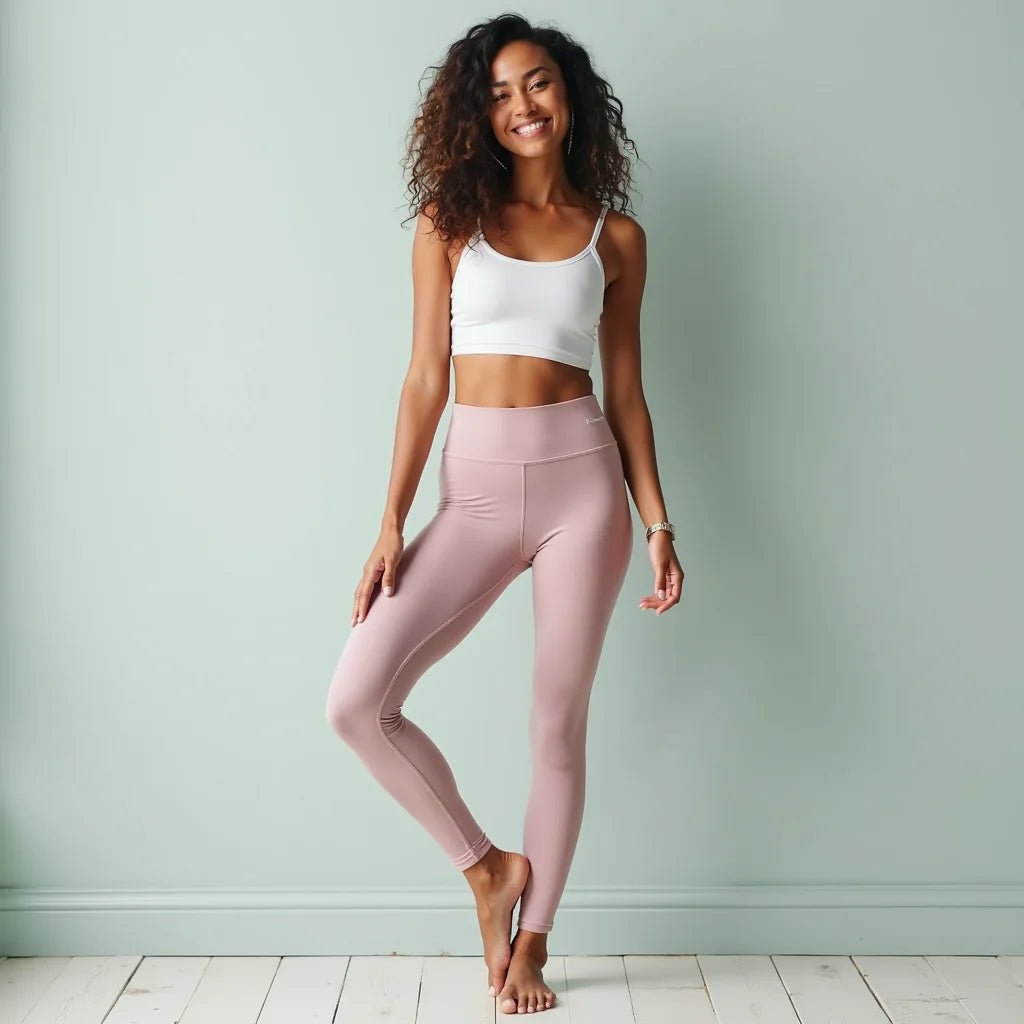
Ready to stop playing tug-of-war with slippery workout pants? This guide shows you how to pick tights that stay up, stretch smart, and make every squat a non-event. Learn the myths to ignore, the features that matter, and a simple routine to keep your gear in hero condition. You’ll get practical tips, a quick buying checklist, and clever styling advice for studio-to-street flair. For the record: yes, you can absolutely find yoga leggings that behave in real life.
- 1. Introduction
- 2. Myths vs. Facts About Yoga Leggings
- 3. Step-by-Step Guide
- 4. Frequently Asked Questions
- 5. Summary & Key Takeaways
- 6. Q&A Section
- 7. About the Author Section
Introduction
If your current workout pants slide down faster than your motivation on a rainy morning, you deserve a glow-up. The right performance tights are like a supportive best friend—quietly reliable, surprisingly uplifting, and never judging your half-lunge-half-sandwich lifestyle. Choose well, and your gear will power through squats, stretches, and spontaneous dance breaks with zero drama.
Think of them as anti-mediocrity armor for everyday rebels who prefer freedom over fuss. We’re talking four-way stretch that moves like a mind-reader, waistbands that stay put, and fabrics that don’t turn into a personal sauna. Bonus points for pockets that don’t yeet your keys during jump squats. Want a cosmic vibe while you train? Meet the stellar print of Cosmos Leggings—bold art, real performance, zero compromise. Go Rogue. Live Wild. And yes, a great pair can make your warm-up feel like a victory lap.
Myths vs. Facts About Yoga Leggings
- Myth: Thicker fabric means higher quality. Fact: Quality is about knit density and stretch recovery, not just thickness. A dense, breathable knit can outlast a heavy, stiff fabric.
- Myth: Compression equals discomfort. Fact: Good compression hugs, it doesn’t harass. Look for gentle support that improves stability without limiting movement.
- Myth: All seams are the same. Fact: Flatlock seams reduce chafing and add durability. A gusseted crotch helps prevent stress points and awkward tugging.
- Myth: High-rise always rolls. Fact: A wide, contoured waistband with proper elastic placement stays secure even during deep bends.
- Myth: Bright prints show through. Fact: With the right density and dye method, bold patterns can be just as opaque as solids.
- Myth: One size fits all bodies. Fact: Inseam length, rise, and paneling matter. Sizing charts are a starting line; fit testing is the finish line.
Step-by-Step Guide
- Measure your reality. Use your current best-fitting tights as a benchmark. Note waist, hip, and inseam measurements so you compare apples to apples, not apples to “hope.”
- Check the stretch recipe. Fabrics with a balanced blend (think polyester or nylon with elastane) offer snap-back recovery. Four-way stretch should move north-south and east-west without white-out lines.
- Do the window test. Hold the fabric up to light and gently stretch. If you can read your phone through it, pass. If the knit stays opaque and resilient, green light.
- Inspect the seams. Flatlock or well-covered seams mean less irritation. A diamond or triangular gusset spells comfort in the zones that matter.
- Waistband audit. Look for a wide, double-layer band. It should contour to your shape, not dig. If there’s a hidden elastic channel, it should be evenly distributed, not twisting.
- Move like you mean it. Perform a mini workout: squats, lunges, forward folds. If the waistband migrates or the fabric shifts, they’re not training-ready. Feel free to style-test with a statement pair like I Blossom Leggings—if it stays put and still looks epic, you’ve found a winner.
- Mind the pockets. Side pockets should secure a phone without flapping. If they distort the silhouette or bounce, skip.
- Breathability vs. warmth. Choose smooth, moisture-wicking knits for sweaty sessions, or slightly weightier ones for cooler days. Comfort beats “suffering for the look.”
- Care like a pro. Cold wash, gentle spin, no fabric softener, air dry. It keeps fibers snappy and colors bold, extending the life of your gear.
Frequently Asked Questions
Do I need compression? Light-to-moderate compression can boost comfort and reduce jiggle without restricting movement. If you feel squeezed or your range drops, the fit is off.
Are patterns less squat-proof than solids? Not inherently. Opacity depends on knit density and color saturation. A well-made print stays opaque when stretched.
What rise is best for core work? A wide high-rise helps many athletes feel secure during planks and twists. If you have a short torso, a mid-rise with a firm band can feel more natural.
Summary & Key Takeaways
Great training tights are built—not wished into existence. Focus on dense, stretchy fabric, flatlock seams, and a contoured waistband that doesn’t bail mid-burpee. Test opacity, move intentionally, and care for them like the trusty sidekicks they are. When you’re ready to upgrade, scan bold, performance-minded pieces that match your vibe and your routine.
- Fit first: measure, compare, then test with real movement.
- Fabric matters: dense knit, four-way stretch, breathable, moisture-wicking.
- Comfort is a feature: wide waistband, gusset, and flat seams.
- Care extends life: cold wash, gentle cycle, air dry.
Want statement gear that actually trains? Explore our studio-ready picks, go galactic with Cosmos Leggings, and layer with the resilient Heroine Rash Guard. Break the mold without breaking your flow—and if you love floral power, cue I Blossom Leggings for a fresh bloom of energy. Consider this your permission slip to train bold.
Final note: yoga leggings that fit and feel right make consistency easier. Less fuss, more focus, and a healthy dose of swagger.
Q&A Section
How tight is “right” without feeling squeezed?
You should feel hugged, not held hostage. If the waistband leaves marks or your stride shortens, size up or try a different rise. You want smooth support that returns to shape after stretches without pinching.
What makes a pair truly squat-proof?
Opaque knit density plus good stretch recovery. Do a full-depth squat under bright light and check for show-through. If the fabric stays even in color and the seams don’t strain, you’re set.
High-rise vs. mid-rise—who wins for training?
High-rise wins for most core-heavy sessions thanks to extra coverage and security. Mid-rise can shine if you prefer less torso coverage or have a shorter frame. The hero is a wide, stable band that doesn’t roll.
How do I keep them from pilling or fading?
Wash cold, turn inside out, skip fabric softener, and air dry. Avoid rough surfaces (looking at you, velcro and concrete). This keeps fibers intact and colors crisp far longer.
About the Author Section
Ryver Greene
Ryver Greene is a performance-wear nerd and content strategist who believes gear should earn its keep. When not testing stretch panels or decoding seam maps, Ryver writes punchy guides that make training feel fun and fearless. Anti-mediocrity is the mission—artful design plus real-world grit. See you on the mat, in the streets, or somewhere delightfully off-program.
