

Comfortable Workout Wear Elevate Comfort Without Sacrifice
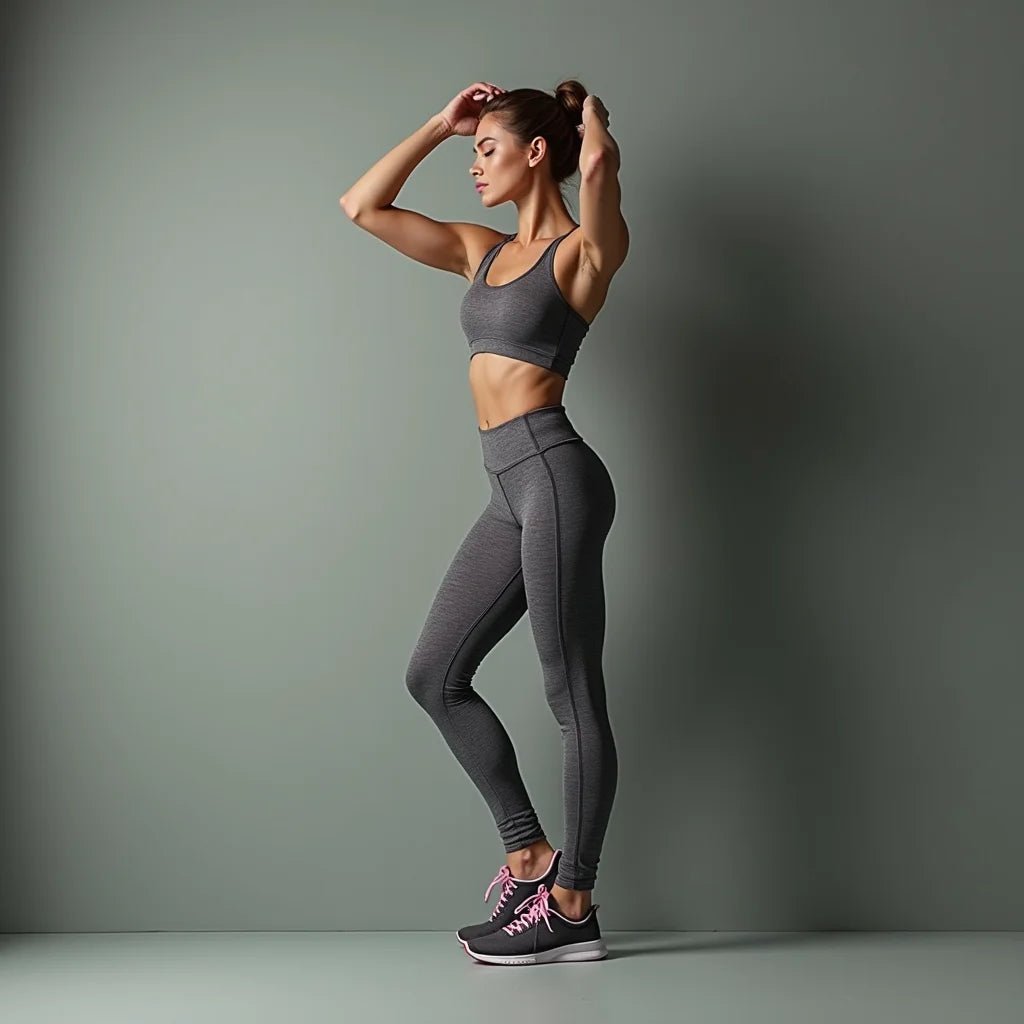
Updated on: 2026-01-24
Ready to stop squirming in your workout gear like a fish out of water? This guide explores everything you need to know about finding apparel that actually lets you move, breathe, and feel like the athletic superhero you're becoming. From fabric choices to fit hacks, we're breaking down how to dress for success without looking like you're wearing a straightjacket at the gym.
Table of Contents
- Introduction: The Great Gym Wardrobe Rebellion
- Practical Guide to Finding Your Perfect Fit
- Key Advantages of Quality Athletic Apparel
- Summary and Next Steps
- Frequently Asked Questions
- About the Author
Introduction: The Great Gym Wardrobe Rebellion
Let's be real—your grandmother's cotton t-shirt is not an acceptable workout companion in 2026. If you've ever finished a training session looking like you just emerged from a swimming pool fully clothed, it's time to join the revolution and invest in truly comfortable workout wear. This isn't just about vanity; it's about respecting your body enough to dress it properly while you're pushing your limits.
The right athletic ensemble can transform your entire fitness experience. When your garments fit well, move with your body, and wick moisture away like tiny invisible ninjas, something magical happens—you actually enjoy exercising. Shocking, we know. But here's the truth: uncomfortable gear sabotages your performance, kills your motivation, and makes you question your life choices somewhere around rep fifteen.
Whether you're into yoga, CrossFit, running, or just pretending to exercise while scrolling your phone at the gym (no judgment), comfortable workout attire is non-negotiable. This guide will help you navigate the wild world of athletic fashion and actually find pieces that make you feel like the warrior you are.
Practical Guide to Finding Your Perfect Fit
Step One: Know Your Fabric Like It's Your Best Friend
Not all fabrics are created equal, and treating them as such is basically a crime against your comfort. Synthetic blends like polyester, nylon, and spandex are your holy trinity of performance materials. These fabrics breathe, stretch, and dry faster than your ability to make excuses about skipping leg day. Look for moisture-wicking technology—that's the fancy term for "keeps you from feeling like a soggy sponge."
Cotton, bless its soul, is the enemy of active wear. It absorbs sweat like it's being paid commission and holds onto moisture like it's guarding state secrets. Unless you enjoy the sensation of wearing a damp blanket, skip the cotton when choosing athletic options. Merino wool is making a comeback though—it's temperature-regulating and doesn't smell like a locker room after three days, which is basically sorcery.
Step Two: Master the Art of Strategic Layering
Layering isn't just for fashion influencers pretending it's winter. Smart layering with well-designed athletic wear means you can adjust your comfort level as your body temperature fluctuates. Start with a moisture-wicking base layer, add a breathable mid-layer if needed, and throw on a lightweight jacket you can tie around your waist when things get spicy.
The beauty of proper layering is versatility. You can start a morning run fully covered, then ditch the outer layer as you warm up. It's like having multiple outfits without actually carrying multiple outfits—the ultimate hack for people who can't figure out what to wear (which is basically everyone).
Step Three: Find Pieces That Actually Fit Your Body Shape
This is where the magic happens. Forget vanity sizing and misleading online photos. Your body is unique, which means your athletic wardrobe should be too. If you're pear-shaped, bottom-heavy, or carry weight differently than the fitness model on the website, that's completely normal and also completely addressable. Look for brands that offer multiple fit options and actually test their gear with real human bodies of different shapes.
High-rise leggings work brilliantly for taller frames, while petite athletes might prefer capris to avoid tripping over excess fabric. Consider trying modern legging designs that cater to different body types with thoughtful construction. The goal is clothing that moves with you, not against you.
Step Four: Invest in Supportive Pieces Without Sacrificing Movement
Support and comfort aren't opposing forces—they're dance partners. A quality sports bra, compression shorts, or supportive tops provide stability without restricting your range of motion. This matters whether you're doing high-impact activities or chill yoga sessions. Look for seams that won't dig into your skin and materials that maintain their stretch after fifty washes (not that we're counting).
Explore options like well-designed rash guards that offer both support and flexibility for various workout styles. These pieces often feature strategic paneling and construction techniques that actually anticipate how your body moves during exercise.
Step Five: Test Drive Before You Commit
Just like dating, you shouldn't marry a piece of athletic wear without testing compatibility first. Wear it around the house. Do some jumping jacks. Squat aggressively. If seams are riding up, underarms feel tight, or you're questioning every life choice that led you to this garment, it's not the one. Return it guilt-free and move on to the next candidate.
Key Advantages of Quality Athletic Apparel
- Enhanced Performance: Properly fitted, moisture-wicking gear lets you focus on your workout instead of adjusting straps every thirty seconds
- Injury Prevention: Supportive, well-constructed pieces reduce friction and chafing that can lead to discomfort and skin irritation
- Confidence Boost: When you look good, you feel good—and that translates directly into better workout intensity and consistency
- Durability: Quality athletic wear maintains its shape, stretch, and color through countless wash cycles, proving your investment was worthwhile
- Versatility: Pieces designed thoughtfully work for multiple activities, meaning you actually get to wear them instead of them sitting in a drawer
- Moisture Management: Superior fabric technology keeps sweat moving away from your skin, preventing that unpleasant clammy feeling
- Freedom of Movement: Strategic construction allows full range of motion without fabric binding, riding up, or creating awkward bunching
- Long-Term Comfort: Comfort today means motivation tomorrow, and motivation tomorrow means consistency that actually changes your life
Consider pieces like thoughtfully designed rash guards that combine style with functionality, or quality leggings that deliver on comfort promises without compromising aesthetics.
Summary and Next Steps
Finding genuinely comfortable workout wear isn't complicated—it requires knowing what fabrics work best for your body, understanding the importance of proper fit, and refusing to accept mediocre gear that makes exercise harder than it needs to be. Comfort in athletic apparel directly impacts your performance, motivation, and long-term consistency.
Here's your action plan: Start by assessing your current wardrobe and identifying what actually works versus what you're tolerating out of guilt. Research brands that prioritize comfort alongside style (yes, you can have both). Try on options with the same intensity you'd bring to actual exercise, then invest in pieces that make you excited to work out. Your future self, mid-burpee, will thank you for prioritizing comfort today.
Browse options like quality rash guards and premium legging collections to see what resonates with your style and needs. Remember: Go rogue. Live wild. And definitely wear gear that doesn't make you miserable.
Frequently Asked Questions
What's the Difference Between Athletic Wear and Regular Clothing?
Athletic wear is engineered specifically for movement and moisture management. Regular clothing uses natural fabrics like cotton that absorb sweat, restrict movement, and take forever to dry. Athletic gear features synthetic blends with stretch technology, moisture-wicking capabilities, and construction designed to move with your body rather than against it. It's the difference between running in pajamas and running in actual athletic attire—theoretically possible, but practically terrible.
How Often Should I Replace My Workout Gear?
Quality pieces typically last six months to two years depending on how frequently you wear them and how well you care for them. Signs it's time to replace include loss of elasticity, pilling, permanent discoloration, or that magical moment when fabric stops wicking moisture and returns to feeling like a wet blanket. Investing in quality means replacement happens less frequently than with cheaper alternatives that wear out after three months of actual use.
Can Comfortable Workout Wear Actually Improve My Fitness Results?
Absolutely. When your gear is comfortable, you're more likely to actually work out consistently. You'll feel more confident, move with better form, and stay focused on your workout rather than being distracted by uncomfortable seams or moisture issues. Plus, proper support reduces risk of injury, which keeps you in the game longer. It's not magic—it's just removing obstacles between you and your potential.
What Should I Look for in Fabric Composition?
Look for blends that include polyester, nylon, or spandex. These materials offer stretch, breathability, and moisture-wicking properties. Check percentage composition—more synthetic content means better performance. Avoid 100% cotton unless you specifically want to feel like you're swimming in your shirt. Quality athletic brands list exact fabric percentages because they're not hiding anything; they're proud of their material choices.
Is Expensive Always Better When It Comes to Athletic Wear?
Not necessarily, but you generally get what you pay for. Ultra-cheap gear often skimps on quality materials and construction. Mid-range options usually offer excellent value, balancing quality with affordability. Expensive brands sometimes charge for marketing rather than actual material superiority. The sweet spot is finding brands that invest in fabric technology, construction quality, and thoughtful design without unnecessary luxury markups.
About the Author
Ryver Greene
Ryver Greene is a fitness and wellness content strategist with over eight years of experience helping people find gear that actually supports their active lifestyles. Specializing in athletic wear design, fabric technology, and the intersection of comfort and performance, Ryver believes that properly fitted, quality apparel is non-negotiable for anyone serious about their fitness journey. When not researching the latest in moisture-wicking innovations, Ryver can be found testing gear through actual workouts, because theory means nothing without real-world validation. Let's go rogue and live wild, together.
