

Women’s Glute and Leg Workout: Sculpt Stronger, Toned Legs Fast
Women’s Glute and Leg Workout: The Complete Guide to Stronger, Shapelier Lower Body
A well-designed glute and leg workout does more than shape your body—it builds strength, supports healthy joints, and boosts confidence. For many women, training the lower body is about more than looks. Strong glutes and legs improve posture, support daily activities, and even help prevent injuries. Yet, there’s confusion everywhere: Which exercises work best? How often should you train? And how do you get results without spending hours at the gym?
This guide answers those questions. It covers the best exercises, proper training structure, key mistakes to avoid, and practical tips for progress. Whether you’re a beginner or looking to take your routine to the next level, you’ll find science-backed advice and real-world solutions here.
Why Glute And Leg Training Matters For Women
Many women naturally want toned legs and a firm, rounded backside. However, glute and leg training is about more than looking good in jeans. Here’s why it’s essential:
- Functional strength: Your glutes and legs power daily actions like walking, climbing stairs, and lifting groceries. Weakness in these muscles often leads to back pain or knee issues.
- Metabolism boost: Lower body muscles are some of the largest in your body. Training them burns more calories and helps manage weight.
- Posture and injury prevention: Strong glutes stabilize your hips and spine, reducing the risk of injury during exercise and everyday life.
- Athletic performance: Whether you run, cycle, play sports, or just want to move better, strong legs and glutes improve speed, balance, and agility.
Many women also find that training these muscles helps with body confidence and mental health. Completing a challenging lower body workout can make you feel empowered and resilient.
The Basics: Understanding Glute And Leg Muscles
Before choosing exercises, it helps to know which muscles you’re working. The main muscle groups are:
- Gluteus maximus: The largest glute muscle, responsible for hip extension and giving the backside its shape.
- Gluteus medius and minimus: Smaller glute muscles that stabilize your hips, especially when standing on one leg.
- Quadriceps: The large muscle group at the front of your thighs, important for knee extension.
- Hamstrings: The muscles at the back of your thighs, responsible for knee flexion and hip extension.
- Adductors: Inner thigh muscles that help bring your legs together.
- Calves: Lower leg muscles, involved in ankle movement.
Working all these muscles creates a balanced, strong, and athletic lower body.
Structuring An Effective Glute And Leg Workout
Many women make the mistake of doing random exercises or only focusing on one area, like squats for glutes. For the best results, your workout should:
- Hit all major muscles: A mix of compound and isolation moves ensures every part is trained.
- Include progressive overload: Gradually increasing weight, reps, or intensity is key for growth and strength.
- Balance intensity and recovery: Muscles need time to repair and grow. Two to three focused sessions per week is enough for most people.
Here’s a simple weekly structure:
| Day | Workout Focus | Key Exercises |
|---|---|---|
| Monday | Glute & Hamstring Emphasis | Hip Thrusts, Romanian Deadlifts, Glute Bridges |
| Wednesday | Quads & Glutes | Squats, Lunges, Step-Ups |
| Friday | Full Lower Body | Deadlifts, Split Squats, Leg Curls, Calf Raises |
If you’re short on time, two sessions per week can still work—just increase the intensity and use compound movements.
Best Glute And Leg Exercises For Women
Choosing the right exercises matters. Compound movements (using multiple joints) are most effective for building strength and muscle. Isolation exercises target specific muscles for extra shape and activation.
Compound Exercises
- Squats
- Targets: Glutes, quads, hamstrings, core
- Variations: Bodyweight, goblet, barbell back, front squat
- Why: Squats are the gold standard for lower body strength. They also improve balance and core stability.
- Deadlifts
- Targets: Hamstrings, glutes, lower back
- Variations: Romanian deadlift, sumo deadlift, conventional deadlift
- Why: Excellent for glute and hamstring development. Teaches proper hip hinge—a movement most people need.
- Hip Thrusts
- Targets: Glutes (especially maximus)
- Variations: Barbell, single-leg, banded
- Why: Hip thrusts maximize glute activation more than almost any other exercise.
- Lunges
- Targets: Quads, glutes, hamstrings, core
- Variations: Forward, reverse, walking, Bulgarian split squat
- Why: Lunges work each leg independently, fixing muscle imbalances and improving coordination.
- Step-Ups
- Targets: Glutes, quads, hamstrings
- Why: Great for everyday strength. Step-ups mimic movements like climbing stairs.
Isolation And Accessory Exercises
- Glute Bridges
- Easier than hip thrusts but still powerful for glute activation.
- Leg Curls
- Focuses on hamstrings. Use a machine or resistance band.
- Leg Extensions
- Targets quads. Best used sparingly if you have knee issues.
- Cable Kickbacks
- Isolates the gluteus maximus. Use light weight and focus on squeeze.
- Abductor Machine or Band Walks
- Hits glute medius/minimus for hip stability.
- Calf Raises
- Don’t forget calves—balanced lower legs look better and prevent ankle injuries.
Sample Exercise Table
Here’s a quick look at how different exercises target each muscle:
| Exercise | Glutes | Quads | Hamstrings | Adductors | Calves |
|---|---|---|---|---|---|
| Squat | High | High | Medium | Medium | Low |
| Hip Thrust | Very High | Low | Medium | Low | None |
| Deadlift | High | Low | High | Medium | Low |
| Lunge | High | High | Medium | Medium | Low |
| Glute Bridge | High | Low | Low | Low | None |
Full Glute And Leg Workout Routine
Here’s a balanced lower body routine you can follow twice a week. Adjust weights and reps to your fitness level.
Warm-Up: (5–10 minutes)
- Light cardio (walking, cycling)
- Dynamic stretches (leg swings, hip circles)
- Bodyweight squats
Main Workout:
1. Barbell Hip Thrusts
3 Sets X 8–12 Reps
Focus: Squeeze glutes at the top. Lower under control.
2. Squats (bodyweight Or Weighted)
3 Sets X 10–15 Reps
Focus: Go as low as you can with good form.
3. Bulgarian Split Squats
3 Sets X 8–10 Reps Per Leg
Focus: Keep torso upright, knee in line with foot.
4. Romanian Deadlifts
3 Sets X 8–12 Reps
Focus: Hinge at hips, slight knee bend, feel stretch in hamstrings.
5. Glute Bridges
2 Sets X 15–20 Reps
Focus: Pause at the top for 2 seconds.
6. Standing Calf Raises
2 Sets X 15–20 Reps
Focus: Full range of motion, slow tempo.
Cooldown: (5 minutes)
- Gentle stretching (quads, hamstrings, glutes, calves)
- Deep breathing
Rest: 60–90 seconds between sets
Modifications For Beginners
- Start with bodyweight exercises until you learn the form.
- Reduce sets to 2 per exercise.
- Use support (hold onto a chair) during balance moves.
Progression For Advanced
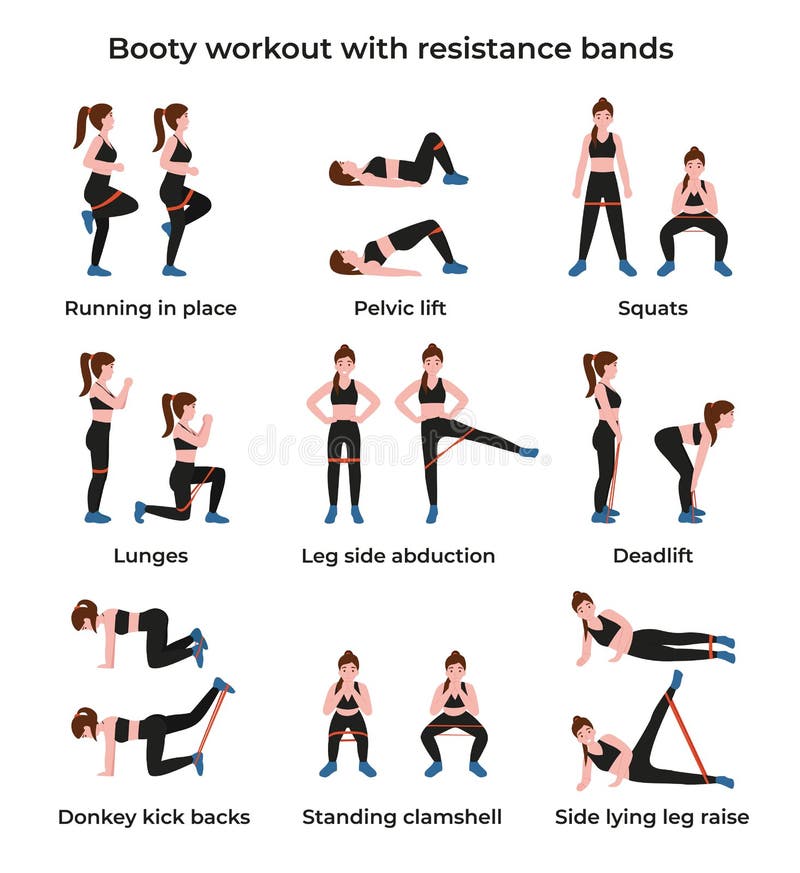
- Add weight to all exercises (dumbbells, barbells, resistance bands).
- Try advanced moves: Pistol squats, single-leg Romanian deadlifts.
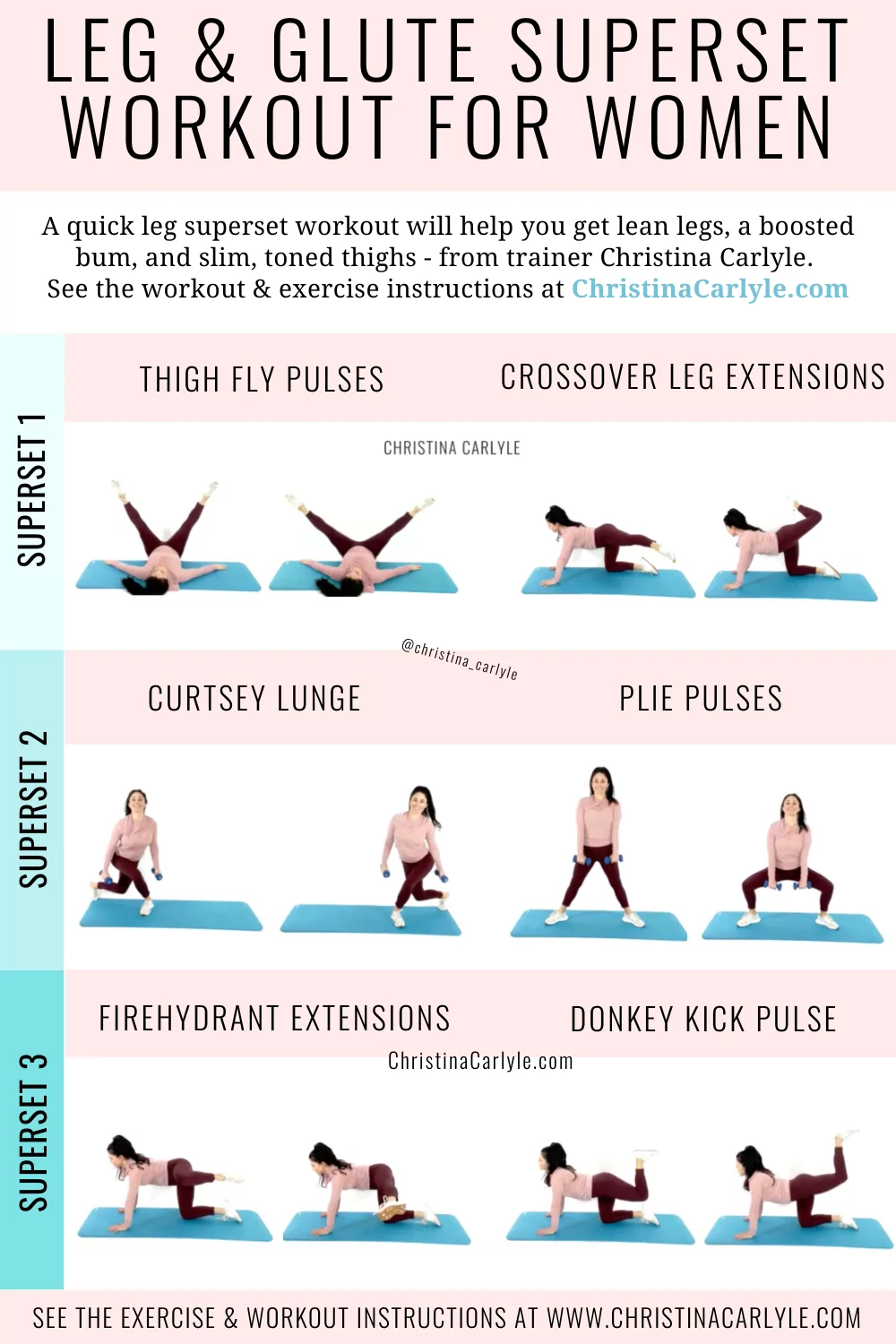
- Use supersets (two exercises back-to-back) to increase intensity.
Common Mistakes In Women’s Glute And Leg Workouts
Even with the best intentions, many women fall into these traps:
- Only doing cardio: Running or cycling is great, but it won’t build muscle like resistance training.
- Neglecting glute activation: Many people have “sleepy” glutes from sitting all day. Always warm up with activation drills (bridges, band walks).
- Poor technique: Rushing reps, letting knees cave in, or rounding your back can lead to injury and poor results.
- Not using enough resistance: Lifting too light won’t challenge your muscles. Don’t be afraid to gradually increase weight.
- Overtraining: Training legs every day or with too much intensity can backfire. Muscles need rest to grow.
How To Get The Most Out Of Your Glute And Leg Workouts
Focus On Mind-muscle Connection
One of the most powerful tools for muscle growth is the mind-muscle connection. This means you consciously focus on squeezing the target muscle during each rep. For example, when doing hip thrusts, think about squeezing your glutes at the top—not just moving the weight. Studies show this improves muscle activation and results.
Use Full Range Of Motion
Partial reps (not going low enough in a squat, for example) limit your gains. Aim for a full range of motion, but only as far as your mobility allows. Going lower activates more muscle and helps flexibility.
Add Variety, But Don’t Overcomplicate
Switch up your exercises every 4–6 weeks. Try new variations to challenge your muscles and keep workouts interesting. But don’t chase novelty—master the basics first.
Track Your Progress
Keep a workout journal or use an app. Write down weights, reps, and how you felt. Tracking helps you see improvements, stay motivated, and plan for progression.
Nutrition Matters
Building muscle and shaping your legs and glutes is about more than exercise. Your body needs protein to repair and grow muscle. Aim for about 0.7–1 gram of protein per pound of body weight. Don’t be afraid of healthy carbs (like rice, oats, sweet potatoes) for energy, and include healthy fats (avocado, nuts, olive oil) for hormonal balance.
Drinking enough water is also essential. Muscles are about 75% water, and dehydration can reduce performance and recovery.
Home Vs. Gym: Where Should You Train?
Both options work, but each has pros and cons. Here’s a comparison:
| Feature | Home Workouts | Gym Workouts |
|---|---|---|
| Equipment Needed | Bodyweight, bands, dumbbells | Full range (machines, barbells, heavy weights) |
| Cost | Low (one-time equipment purchase) | Gym membership fees |
| Convenience | Very high, no travel | May require travel, waiting for equipment |
| Best for | Beginners, busy schedules, privacy | Advanced lifters, max strength, variety |
Tip: If you train at home, invest in a set of adjustable dumbbells and a resistance band. That’s enough for most people to get great results.
Realistic Expectations: How Fast Will You See Results?
Many women want fast changes, but real progress takes time. With consistent workouts and good nutrition, you’ll likely notice:
- Improved strength: In 2–4 weeks, you’ll lift more and feel stronger.
- Better muscle tone: In 4–8 weeks, muscles feel firmer, and shape improves.
- Visible changes: In 8–12 weeks, most women see noticeable differences in their legs and glutes.
Remember, genetics also play a role. Some people build muscle faster or store fat differently. Focus on your own progress. Take photos and measurements every few weeks to track real changes.
Common Questions About Glute And Leg Training
Many myths and uncertainties surround lower body workouts for women. Here are answers to the questions women ask most:
- Will lifting weights make my legs bulky?
No, building large muscles requires years of focused effort, high calories, and sometimes genetics. Most women become leaner and more toned.
- Do I need to squat heavy?
Not always. Perfect form with moderate weights works well. You can also use bodyweight or resistance bands.
- How often should I train glutes and legs?
Two to three sessions per week is ideal. More is not always better—recovery matters.
- Is soreness a sign of a good workout?
Soreness means your muscles worked, but it’s not the only measure of success. Progress is about consistency, not pain.
- Can I train glutes and legs if I have knee pain?
Yes, but choose low-impact moves (like glute bridges, hip thrusts) and avoid deep squats or lunges until your pain improves. Consult a physical therapist if needed.
Advanced Strategies For Glute And Leg Development
If you’ve been training for a while and want to break through plateaus, try these advanced techniques:
Glute Activation Drills
Before your main workout, do 5 minutes of targeted glute work:
- Banded side steps
- Clamshells
- Donkey kicks
This “wakes up” your glutes, ensuring they fire during big lifts.
Tempo Training
Slowing down the lowering (eccentric) phase of an exercise increases muscle tension and growth. For example, lower into a squat over 3 seconds, then stand up quickly.
Single-leg Training
Unilateral exercises (single-leg moves) fix muscle imbalances, improve balance, and challenge your core:
- Single-leg Romanian deadlifts
- Bulgarian split squats
- Step-ups
Supersets And Tri-sets
Pair two or three exercises back-to-back with little rest. For example:
- Hip thrust + squat (superset)
- Glute bridge + lunge + calf raise (tri-set)
This saves time and increases workout intensity.
Periodization
Change your workout structure every 4–6 weeks. For example, do higher reps (12–20) for a month, then switch to lower reps (6–8) with heavier weights. This keeps your muscles guessing and growing.
Recovery: The Overlooked Key To Results
Your muscles grow and strengthen during rest—not just during workouts. Here’s how to optimize recovery:
- Sleep: Aim for 7–9 hours per night. Growth hormone is released during deep sleep.
- Active recovery: Gentle walks, yoga, or stretching between heavy workout days help blood flow and reduce soreness.
- Foam rolling: Rolling your muscles after workouts can ease tightness and improve mobility.
- Nutrition: Eat protein and carbs after workouts to aid repair.
Don’t ignore signs of overtraining: chronic fatigue, mood swings, or loss of motivation. If you feel these, take an extra rest day or reduce workout intensity.
Credit: www.dreamstime.com
Glute And Leg Training For Different Goals
For Fat Loss
Combine your strength workouts with moderate cardio (walking, cycling) and a slight calorie deficit. Building muscle helps burn more calories, even at rest.
For Muscle Gain
Eat a small calorie surplus, focus on progressive overload, and use heavier weights. Recovery and sleep are even more important.
For Toning And Shape
Stick to moderate weights, higher reps (12–15), and focus on form. Add some isolation moves for extra shape.
Non-obvious insight: Many women believe high reps with light weights are best for “toning.” In reality, some heavier lifting (in the 6–10 rep range) is critical for muscle definition.
Age And Hormones: Do They Affect Glute And Leg Training?
Women of all ages can benefit from strength training. However, your body may respond differently at various life stages.
- In your 20s and 30s: Muscle builds fastest now. Take advantage of your body’s natural recovery and energy.
- In your 40s and beyond: Muscle loss (sarcopenia) can start, but regular training slows or reverses it. Focus on joint-friendly moves and longer warm-ups.
- During hormonal changes (pregnancy, menopause): You may need to adjust intensity and frequency. Prioritize recovery and listen to your body.
Strength training can help maintain bone density, balance, and independence as you age. If you’re unsure how to adapt, consult a qualified trainer or medical professional.

Credit: leatheritalia.com.au
The Role Of Genetics In Glute And Leg Shape
It’s important to understand that genetics partly determine your body shape and how you store fat or build muscle. Some women naturally have fuller glutes or leaner thighs, while others need to work harder for the same look.
Focus on what you can control: effort, consistency, and mindset. Celebrate your progress and unique shape. Comparing yourself to others only steals motivation.
Non-obvious insight: Even if you have a “flat” glute shape due to genetics, you can create the illusion of more curves by building both the gluteus maximus and gluteus medius (side glute). Lateral band walks and single-leg moves help with this.
Motivation And Staying Consistent
Building strong, shapely legs and glutes takes time. Here are ways to stay motivated:
- Set clear, realistic goals (e.g., “squat 100 pounds,” “do 20 lunges per leg”).
- Celebrate small wins—every extra rep or weight increase counts.
- Find a workout partner or join a group for support.
- Change up your playlist or try new routines to keep things interesting.
- Focus on how you feel, not just how you look.
Remember, everyone has slow days or setbacks. What matters is showing up and doing your best. Progress is not always linear, but every workout adds up over time.
Credit: www.afvt.org
Frequently Asked Questions
How Can I Activate My Glutes If I Sit All Day?
Sitting for long periods can make your glutes “sleepy.” Before workouts, do activation drills like banded side steps, glute bridges, and clamshells. Stand up and stretch every hour during your workday. This improves muscle firing and helps prevent back pain.
What If I Don’t Have Gym Equipment?
Bodyweight exercises (squats, lunges, step-ups, glute bridges) are effective. Resistance bands and a set of dumbbells add challenge. Be creative—use stairs for step-ups or water bottles as weights. Focus on high reps and slow tempo for muscle growth.
How Do I Prevent Knee Pain During Leg Workouts?
Use proper form: keep knees in line with toes, don’t let them cave inward, and avoid deep bending if it hurts. Strengthen your glutes and hips, as weak glutes often lead to knee issues. If pain continues, consult a physical therapist.
Should I Do Cardio Before Or After My Glute And Leg Workout?
If strength and muscle growth are your main goals, do cardio after weights or on separate days. Doing intense cardio first can tire your legs and reduce lifting performance. Light cardio warm-ups are fine before strength training.
Are Supplements Necessary For Building Glutes And Legs?
Supplements are not required. A balanced diet with enough protein, carbs, and healthy fats is most important. Some women use protein powder for convenience. Creatine has research support for muscle growth (Examine.com). Always check with your doctor before starting new supplements.
Building stronger, shapelier glutes and legs is possible for every woman—no matter your age, starting point, or equipment. With the right exercises, smart planning, and consistent effort, you’ll see real, lasting results. Remember: every rep is a step closer to your goals. Stay patient, enjoy the process, and celebrate your progress.
