

Weighted Glute Workout: Build Stronger, Rounder Glutes Fast
Weighted Glute Workout: Build Stronger, Shapelier Glutes
A powerful lower body does much more than help you look good. Strong glutes improve your posture, support your back, and boost athletic performance. But bodyweight exercises, while helpful, often plateau. If you want real progress, adding weights to your glute routine is the game-changer.
Weighted glute workouts help you activate more muscle fibers, get better results, and reach your fitness goals faster.
Many beginners worry that lifting weights will make their legs bulky or cause injury. The reality is different. When done with proper form and gradually increased resistance, weighted glute exercises sculpt, strengthen, and protect your body. This guide will show you how to create a safe, effective, and balanced weighted glute workout.
You’ll learn about key exercises, programming tips, common mistakes, and how to track your progress. Whether you’re new to training or already lifting, you’ll find practical advice to build your best glutes.
Why Weighted Glute Workouts Matter
Most people have weak glutes from sitting too much and not moving enough. Weak glutes cause problems like poor posture, lower back pain, and slow athletic performance. Weighted glute workouts solve these problems by making your glutes work harder.
The gluteus maximus, gluteus medius, and gluteus minimus are the main glute muscles. Each plays a unique role:
- Gluteus maximus: Makes your hips extend and helps you stand up or jump.
- Gluteus medius: Stabilizes your hips and pelvis, especially when you walk or run.
- Gluteus minimus: Supports hip rotation and keeps your legs aligned.
Adding weights forces these muscles to grow stronger and larger. A study from the National Strength and Conditioning Association found that resistance training with weights increases glute strength by up to 40% compared to bodyweight exercises alone.
Weighted glute workouts also:
- Improve your balance and stability
- Protect your knees and lower back
- Make everyday movements easier
- Shape your hips and thighs
Essential Equipment For Weighted Glute Training
You don’t need a fancy gym to train your glutes with weights. Many tools can help:
- Dumbbells: Easy to use and adjust. Great for lunges, squats, and hip thrusts.
- Barbells: Allow heavier loads. Key for hip thrusts and deadlifts.
- Kettlebells: Useful for swings and single-leg exercises.
- Resistance bands: Can be combined with weights for extra tension.
- Weight plates: Add them to hip thrusts or hold during step-ups.
- Medicine balls: Useful for dynamic movements or extra resistance.
- Smith machine: Offers safety and support for heavy lifts.
Choose equipment based on your goals, space, and safety. Beginners should start with lighter weights, focusing on form. As you progress, increase weight slowly.
Credit: www.antillespr.edu
Key Weighted Glute Exercises
Weighted glute workouts work best with compound movements. These exercises use more than one muscle group and burn more calories. Here are some of the most effective exercises, with tips for each:
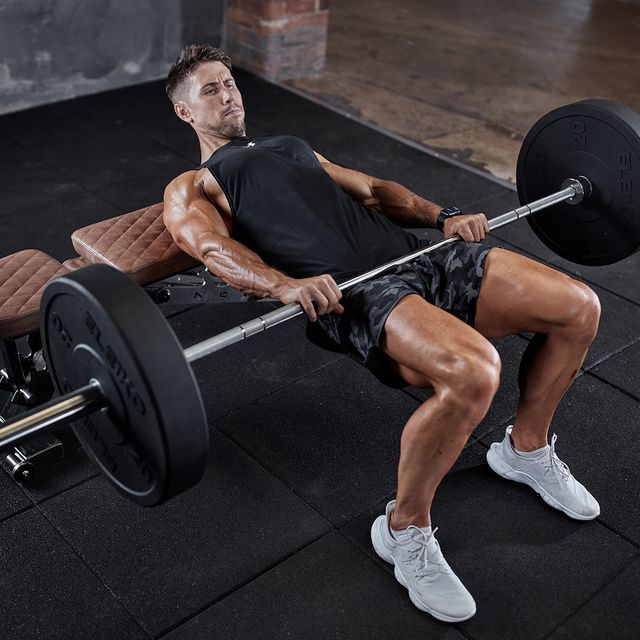
1. Barbell Hip Thrust
The barbell hip thrust is a favorite among fitness experts. It targets the gluteus maximus and helps build size and power.
- Sit on the ground with your upper back against a bench.
- Roll a barbell over your hips.
- Plant your feet hip-width apart, knees bent.
- Push through your heels to lift your hips. Squeeze your glutes at the top.
- Lower slowly. Repeat.
Tip: Use a padded barbell or towel to protect your hips.
2. Dumbbell Bulgarian Split Squat
This single-leg squat challenges balance and glute strength.
- Stand a few feet in front of a bench.
- Place one foot on the bench behind you.
- Hold dumbbells at your sides.
- Lower your body until your front thigh is parallel to the ground.
- Push up through your heel. Repeat.
Tip: Keep your chest up and don’t let your knee go past your toes.
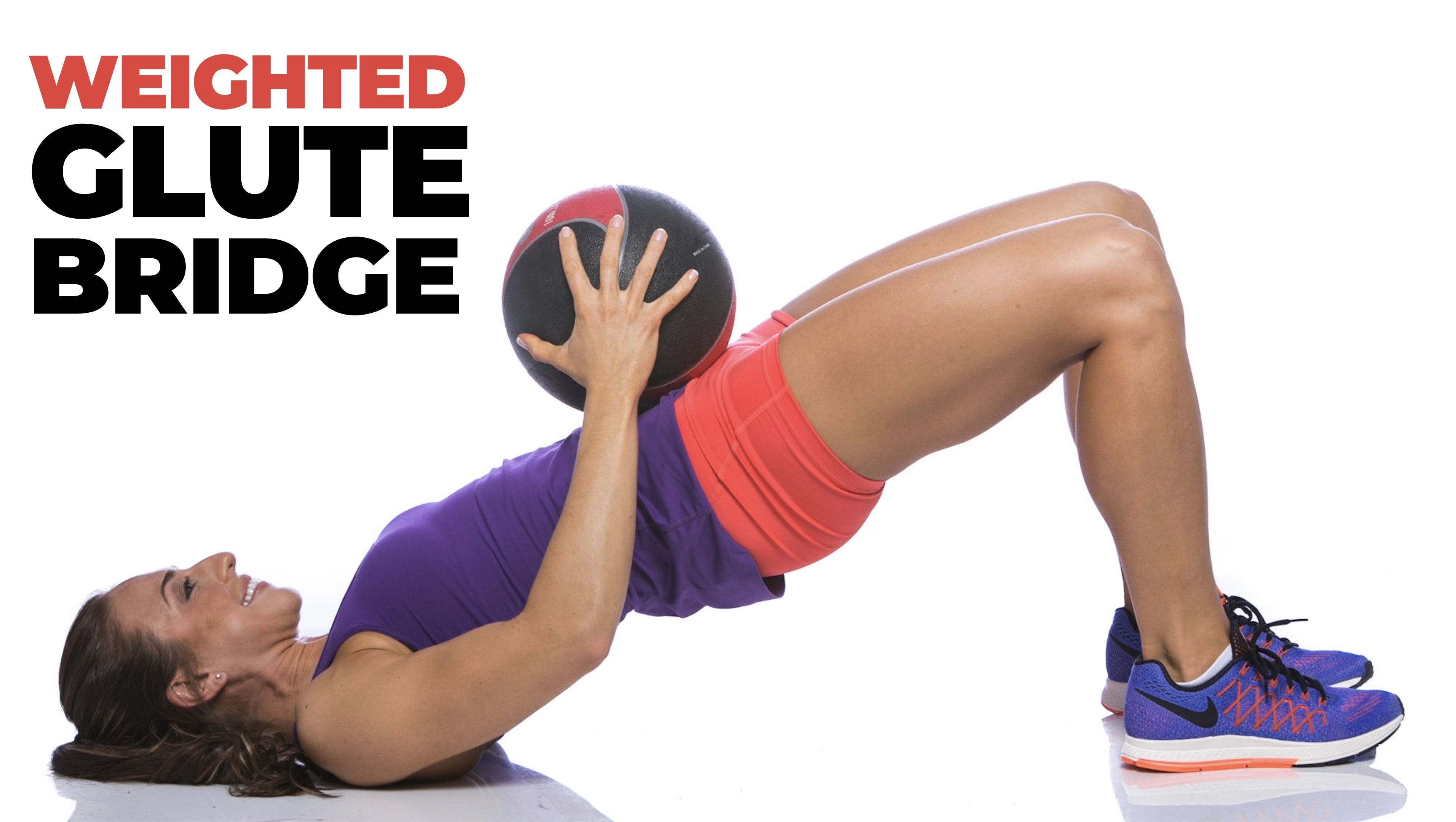
3. Weighted Glute Bridge
A glute bridge builds lower-body power and can be done with a dumbbell or barbell.
- Lie on your back, knees bent, feet flat.
- Place a weight on your hips.
- Lift your hips, squeezing your glutes.
- Lower slowly and repeat.
Tip: Don’t arch your back. Focus on hip movement.
4. Kettlebell Swing
This dynamic exercise builds explosive glute strength.
- Stand with feet wider than shoulder-width.
- Hold a kettlebell with both hands.
- Bend your knees slightly, swing the kettlebell between your legs.
- Thrust your hips forward to swing it up to chest level.
- Repeat in a smooth rhythm.
Tip: Use your hips, not arms, to generate power.
5. Barbell Deadlift
The deadlift is a classic for building glutes and hamstrings.
- Stand with feet hip-width apart, barbell on the floor.
- Bend at hips and knees to grip the bar.
- Keep your back flat, lift the bar by straightening hips and knees.
- Lower with control.
Tip: Don’t round your back. Engage your core.
6. Weighted Step-up
Step-ups improve unilateral glute strength.
- Stand in front of a bench or sturdy box.
- Hold dumbbells at your sides.
- Step up with one foot, push through your heel.
- Step down and repeat.
Tip: Alternate legs to train both sides evenly.
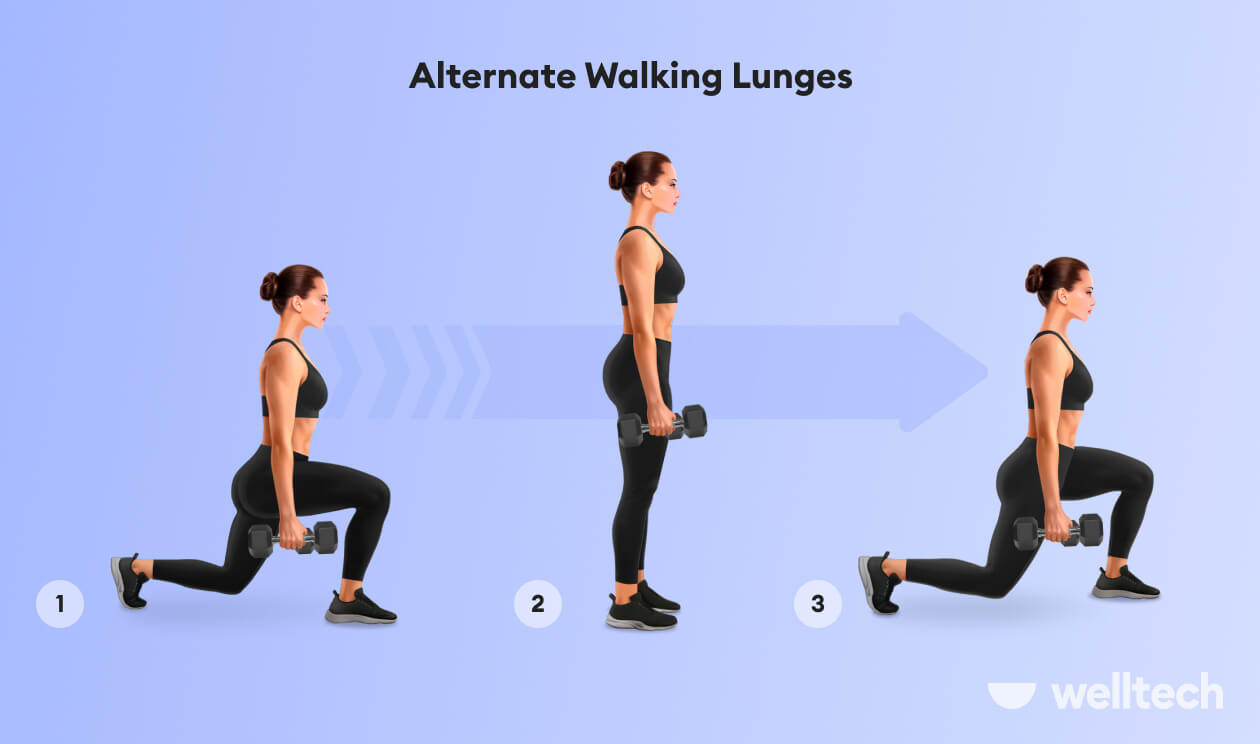
7. Dumbbell Walking Lunge
Walking lunges activate glutes and improve coordination.
- Hold dumbbells at your sides.
- Step forward, lowering your body.
- Push through your front heel to stand and step forward with the other leg.
- Continue for desired reps.
Tip: Keep your stride long and chest upright.
8. Smith Machine Hip Thrust
A variation of the barbell hip thrust, the Smith machine offers extra stability.
- Set up on the Smith machine with your back against a bench.
- Place the bar over your hips.
- Lift your hips, squeeze glutes, lower and repeat.
Tip: Adjust the bench and bar height for comfort.
9. Weighted Lateral Band Walk
Add a dumbbell or plate to increase resistance.
- Place a resistance band around your thighs.
- Hold a weight at your chest.
- Step sideways, keeping tension on the band.
- Repeat for both directions.
Tip: Keep knees bent and glutes engaged.
10. Single-leg Romanian Deadlift
Great for balance and targeting the gluteus medius.
- Hold a dumbbell in one hand.
- Stand on one leg, bend at hips to lower the weight.
- Keep your back straight.
- Return to start and repeat.
Tip: Don’t rush. Control the movement.
Weighted Glute Workout Routine Example
Here’s a sample routine to build strong glutes. Adjust weights and reps for your fitness level.
Beginner Routine
- Barbell Hip Thrust – 3 sets x 10 reps
- Dumbbell Bulgarian Split Squat – 3 sets x 8 reps (each leg)
- Weighted Glute Bridge – 3 sets x 12 reps
- Kettlebell Swing – 3 sets x 15 reps
Intermediate Routine
- Barbell Hip Thrust – 4 sets x 12 reps
- Barbell Deadlift – 4 sets x 8 reps
- Dumbbell Walking Lunge – 4 sets x 10 reps (each leg)
- Weighted Step-Up – 4 sets x 8 reps (each leg)
Advanced Routine
- Smith Machine Hip Thrust – 5 sets x 10 reps
- Single-Leg Romanian Deadlift – 4 sets x 10 reps (each leg)
- Weighted Lateral Band Walk – 4 sets x 20 steps
- Dumbbell Bulgarian Split Squat – 5 sets x 10 reps (each leg)
Rest 60–90 seconds between sets. Start with lower weights and increase as you get stronger.
How To Progress With Weighted Glute Workouts
Progress means making your workouts harder over time. If you repeat the same exercises with the same weight, your muscles stop growing. Here’s how to improve:
Increase Weight
When you can do all reps easily, add more weight. For example, if you can hip thrust 10 reps with 50 lbs, move to 60 lbs.
Increase Reps Or Sets
Add more repetitions or sets to challenge your muscles. If you do 10 reps, try 12 next week.
Change Exercise Variation
Switch from glute bridge to hip thrust, or from bodyweight lunge to dumbbell lunge.
Track Your Progress
Write down weights, reps, and sets. This helps you see improvement and keeps you motivated.
Use Proper Form
Never sacrifice form for heavier weight. Poor form increases injury risk and reduces muscle activation.
Common Mistakes In Weighted Glute Training
Weighted glute workouts are powerful, but many people make mistakes. Avoid these pitfalls:
1. Using Too Much Weight
Trying to lift heavy before mastering form leads to injury. Start light, focus on technique, then increase weight.
2. Neglecting Warm-up
A good warm-up protects your joints and muscles. Spend 5–10 minutes on dynamic stretches and light cardio.
3. Poor Range Of Motion
Don’t cut movements short. Full range of motion activates more muscle fibers.
4. Ignoring Recovery
Muscles need rest to grow. Train glutes 2–3 times a week, not daily. Get enough sleep and nutrition.
5. Not Balancing Exercises
Doing only hip thrusts or squats creates imbalances. Use a mix of movements to target all glute muscles.
6. Skipping Mind-muscle Connection
Focus on squeezing your glutes during exercises. This boosts activation and results.
Glute Training And Body Type: What You Need To Know
Everyone’s body responds differently to training. Some people see glute growth quickly, others take longer. Your genetics, diet, and training style all matter.
- Ectomorphs (thin, lean): May need extra calories and heavier weights to see results.
- Mesomorphs (muscular): Respond well to moderate weights and volume.
- Endomorphs (curvier): Should combine glute training with cardio and diet for best results.
Don’t compare your progress to others. Track your own improvement and celebrate small wins.
How Weighted Glute Training Helps Your Whole Body
Strong glutes are more than just for looks. They support your body in many ways:
- Reduce lower back pain: Glutes stabilize your pelvis and protect your spine.
- Boost sports performance: Athletes need strong glutes for running, jumping, and agility.
- Improve posture: Glutes keep your hips aligned, reducing slouching.
- Protect your knees: Glutes control leg movement, lowering injury risk.
A study from the American Council on Exercise found that people who trained their glutes with weights improved their running speed and stability much faster than those doing only cardio.
Comparing Weighted Vs. Bodyweight Glute Workouts
Many people wonder if bodyweight exercises are enough. Let’s compare both approaches:
| Factor | Weighted Glute Workout | Bodyweight Glute Workout |
|---|---|---|
| Muscle Growth | High | Moderate |
| Strength Gain | High | Low |
| Progression | Easy to increase weight | Limited |
| Injury Risk | Higher if poor form | Lower |
| Equipment Needed | Dumbbells, barbells, etc. | None |
Weighted workouts offer more benefits, but require careful technique. Bodyweight exercises are safer for beginners but may not produce big changes.
How Often Should You Train Glutes With Weights?
Most experts recommend training glutes 2–3 times a week. This gives your muscles time to recover and grow. For example:
- Monday: Weighted glute workout
- Thursday: Weighted glute workout
- Saturday: Optional lighter session or bodyweight
If you train more often, reduce workout intensity. Overtraining leads to fatigue and slower progress.
Nutrition For Glute Growth
Muscle grows when you combine training with proper nutrition. Here’s what helps:
- Protein: Needed to repair and grow muscle. Aim for 0.6–0.8 grams per pound of bodyweight.
- Healthy fats: Support hormone production. Include avocados, olive oil, and nuts.
- Carbohydrates: Fuel your workouts. Choose oats, rice, potatoes.
- Hydration: Drink water before, during, and after workouts.
Eating enough calories is key. If you eat too little, your body won’t build muscle. Track your food and adjust as needed.
Practical Tips For Better Weighted Glute Workouts
Getting the most from your weighted glute workouts requires more than just lifting. Try these tips:
- Warm up with light cardio and dynamic stretches.
- Focus on squeezing your glutes at the top of each movement.
- Use mirrors or film yourself to check your form.
- Change exercises every 4–6 weeks to avoid plateaus.
- Rest and recover between sessions.
- Listen to your body. Stop if you feel pain, not just muscle fatigue.
One non-obvious insight: Many people forget about eccentric training (lowering phase). Slow down the lowering part of lifts (like hip thrusts), which activates more muscle and increases growth.
Another tip: Try paused reps at the top of hip thrusts or bridges. Hold for 2–3 seconds, then lower. This improves muscle activation and shapes your glutes faster.
Tracking Progress: How To Measure Glute Gains
It’s easy to miss progress if you don’t track it. Here’s how:
- Write down weights, sets, and reps in a notebook or app.
- Take photos every 4 weeks. Compare side-by-side.
- Measure your hips and thighs with a tape measure.
- Notice improvements in everyday tasks like climbing stairs or running.
If you don’t see progress after 6–8 weeks, adjust your weights or routine.
Sample Weekly Weighted Glute Workout Plan
Here’s how a week of glute-focused training might look:
Monday
- Barbell Hip Thrust – 4 sets x 12 reps
- Dumbbell Bulgarian Split Squat – 3 sets x 10 reps (each leg)
- Weighted Step-Up – 3 sets x 8 reps (each leg)
Thursday
- Barbell Deadlift – 4 sets x 10 reps
- Weighted Glute Bridge – 3 sets x 12 reps
- Kettlebell Swing – 3 sets x 15 reps
Saturday
- Smith Machine Hip Thrust – 4 sets x 10 reps
- Weighted Lateral Band Walk – 4 sets x 20 steps
- Single-Leg Romanian Deadlift – 3 sets x 10 reps (each leg)
Rest and stretch on other days. Adjust weights, reps, and sets for your level.
Credit: www.antillespr.edu
Weighted Glute Workout For Home Vs. Gym
Not everyone has access to a gym. Here’s how you can train glutes at home and in the gym:
| Exercise | Home | Gym |
|---|---|---|
| Hip Thrust | Dumbbell, resistance band | Barbell, Smith machine |
| Bulgarian Split Squat | Dumbbells, chair | Dumbbells, bench |
| Glute Bridge | Dumbbell, plate | Barbell, plate |
| Step-Up | Chair, dumbbells | Bench, dumbbells |
| Kettlebell Swing | Kettlebell | Kettlebell |
| Lateral Band Walk | Resistance band | Resistance band, weights |
At home, use dumbbells, resistance bands, or household items. In the gym, you can use barbells and machines for heavier loads.
Glute Activation: Why It Matters And How To Improve
Activating your glutes means waking up the muscles so they work during exercises. Many people have “lazy” glutes because of sitting all day. Try these before your main workout:
- Bodyweight glute bridge: 2 sets x 15 reps
- Donkey kicks: 2 sets x 15 reps (each leg)
- Monster walks with band: 2 sets x 20 steps
This makes your main glute muscles fire properly and improves results.
How To Avoid Injuries In Weighted Glute Training
Safety is key. Here’s how to protect yourself:
- Warm up before lifting.
- Use proper form and don’t rush.
- Start with light weights and build up slowly.
- Keep your core tight during all movements.
- Rest between sessions.
- Don’t ignore pain. It’s a warning sign.
If you’re unsure about your form, ask a trainer or watch reliable video guides.
Advanced Weighted Glute Training Techniques
Once you master basics, try advanced methods:
- Drop sets: Do a set with heavy weight, then reduce weight and continue.
- Supersets: Pair two glute exercises with no rest between.
- Tempo training: Slow down lifts, especially lowering phase.
- Pyramid sets: Start with light weight, increase each set, then decrease.
These methods challenge your muscles and prevent plateaus.
Glute Training For Men Vs. Women
Both men and women benefit from weighted glute workouts. Women often focus on shape and tone, while men aim for strength and performance. The exercises are the same, but goals may differ.
Women may need to focus more on gluteus medius for hip shape. Men often benefit from adding explosive movements like kettlebell swings.
Combining Weighted Glute Training With Cardio
Cardio helps burn fat and improve health. Combine glute workouts with cardio for best results:
- Do short cardio sessions after your glute workout.
- Try stair climbing, cycling, or brisk walking.
- Avoid long, intense cardio before glute training (it tires your muscles).
Balance is key. Too much cardio can slow muscle growth.
The Science Behind Glute Activation
Research shows that weighted hip thrusts, bridges, and squats activate glute muscles the most. Electromyography studies found that hip thrusts recruit more glute fibers than squats or lunges.
For best results, include hip thrusts or bridges in every routine. Focus on squeezing glutes at the top.
For more details on glute muscle anatomy and training science, visit Wikipedia.
Frequently Asked Questions
How Much Weight Should I Use For Glute Exercises?
Start with a weight you can lift for 10–12 reps with good form. If you can do more than 15 reps easily, increase the weight. If you struggle after 5 reps, it’s too heavy. Always prioritize form over heavier loads.
Can I Do Weighted Glute Workouts Every Day?
No. Glutes need rest to grow. Train them 2–3 times per week. Overtraining can cause fatigue and increase injury risk.
Will Weighted Glute Workouts Make My Legs Bulky?
Weighted glute exercises build muscle, but don’t always make legs bulky. Most people see more shape and tone. Genetics, diet, and workout style affect results.
What’s The Best Exercise For Building Glutes?
Hip thrusts and deadlifts are considered the most effective. Hip thrusts activate the gluteus maximus strongly. Use a mix of exercises for best results.
How Long Does It Take To See Results From Weighted Glute Workouts?
Most people notice changes in strength and shape within 6–8 weeks if they train consistently and eat well. Everyone is different, so results may vary.
A weighted glute workout is one of the best ways to build strength, shape, and protect your body. Whether you train at home or in the gym, use proper form, track progress, and be patient. Strong glutes are possible for everyone.
Stay consistent, adjust your routine as you improve, and enjoy the journey to a healthier, fitter you.
Credit: julielohre.com
