

Triceps Workout And Biceps: Build Bigger Arms Fast
When you walk into a gym or scroll through fitness content online, two muscle groups always stand out: triceps and biceps. These arm muscles are not just about looking strong—they play a big role in daily movements and overall upper body power. Whether you want to fill out your shirt sleeves, boost your pushing and pulling strength, or simply improve your fitness, working on these muscles makes a difference.
But many people focus on one and forget the other, or they do the same workouts without real progress. Understanding the unique roles of each muscle, how they work together, and the best ways to train them can transform your results. This guide will break down everything you need to know about triceps workout and biceps, from anatomy to advanced routines, so you can train smarter—not just harder.
Why Triceps And Biceps Matter
The upper arm might seem simple, but it’s a system of muscles that support almost every upper body movement. When you lift a bag, open a door, or push yourself up from a chair, your triceps and biceps are working.
Biceps are on the front of your upper arm. Their main job is to bend the elbow and turn your palm up. Triceps are at the back of your upper arm, and they straighten the elbow. Together, they balance your arm movements. Training both means more strength, better muscle definition, and less risk of injury.
Another key point: triceps actually make up about two-thirds of your upper arm size. If you want bigger arms, focusing on triceps is just as important—sometimes more—than working on your biceps.
Anatomy Of Triceps And Biceps
Understanding the structure of these muscles helps you choose the best exercises and avoid mistakes.
Triceps
The triceps brachii has three heads:
- Long head: Runs along the back of your arm and helps with shoulder and elbow movement.
- Lateral head: Gives the triceps its “horseshoe” look.
- Medial head: Sits deep and helps with all elbow extensions.
All three heads work together, but different exercises can target one more than the others.
Biceps
The biceps brachii has two main parts:
- Long head: The outer part, which helps with arm shape and shoulder movement.
- Short head: The inner part, which adds bulk to the biceps.
There’s also a smaller muscle below called the brachialis. It doesn’t show much, but developing it pushes your biceps up for a fuller look.
Knowing these parts helps you pick moves that build balanced arms, not just one area.
Credit: www.afvt.org
Key Benefits Of Training Triceps And Biceps
Focusing on these muscles brings more than just visible changes.
- Increased strength: Both muscles are important for pushing, pulling, and lifting.
- Better joint health: Strong, balanced muscles keep your elbows and shoulders stable.
- Improved appearance: Well-developed arms look strong and fit, even in regular clothes.
- Daily function: Simple tasks, from carrying groceries to opening jars, become easier.
People often miss a less obvious benefit: strong triceps and biceps protect your elbows from overuse injuries. When one muscle is weak, the other has to work harder, which can lead to pain.
Common Mistakes People Make
Even experienced gym-goers sometimes fall into these traps:
- Neglecting triceps: Many do endless curls for biceps but skip triceps, missing out on most arm growth.
- Using too much weight: Swinging heavy weights with poor form doesn’t build muscle—it risks injury.
- Not changing exercises: The body adapts quickly. Doing only one or two moves for months slows progress.
- Overtraining: Arms are smaller muscles. Training them hard every day can slow growth or cause soreness.
- Ignoring full range of motion: Partial reps cheat your results.
A less obvious mistake: not training your arms after a back or chest workout. These big muscle groups already work your arms—so you might not need as many direct sets.
Best Triceps Exercises
Each triceps move targets the three heads differently. Mixing them builds complete strength and shape.
1. Close-grip Bench Press
This move uses a barbell or Smith machine. Place your hands about shoulder-width apart and lower the bar to your chest, keeping elbows close to your body.
- Focus: Hits all three heads, but especially the long head.
- Tip: Don’t go too narrow, or it strains your wrists.
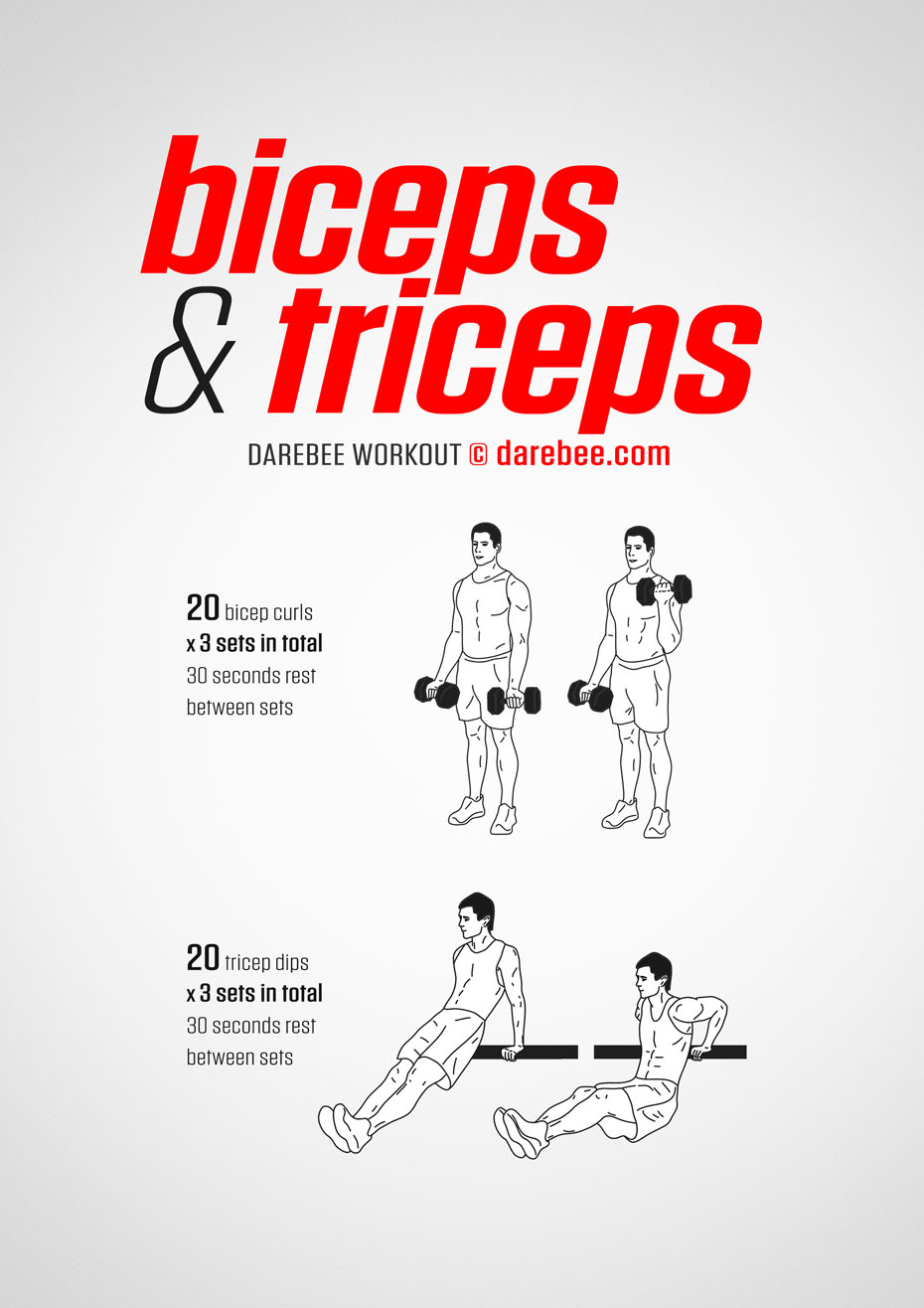
2. Triceps Dips
Dips work more than just triceps, but changing your body angle can make them the main focus.
- How: Use parallel bars. Lower your body until your upper arms are parallel to the floor, then push back up.
- Variation: Lean forward for more chest, stay upright for more triceps.
3. Overhead Triceps Extension
Using a dumbbell or cable, extend your arms above your head and lower the weight behind you.
- Focus: Stretches the long head, which many people miss.
- Tip: Keep elbows close and move slowly.
4. Triceps Pushdown
With a cable and bar or rope, push the weight down until arms are straight.
- Focus: Hits the lateral and medial heads.
- Common error: Using too much body swing—keep elbows locked by your sides.
5. Skull Crushers (lying Triceps Extension)
Use an EZ-bar or dumbbells. Lie on a bench and lower the weight to your forehead, then extend arms up.
- Focus: All three heads, strong muscle stretch.
- Tip: Move slowly, and don’t lock out the elbows at the top.
6. Diamond Push-ups
Classic push-up but with hands close together, forming a diamond shape with your fingers.
- Focus: More triceps than regular push-ups.
- Tip: Go slow to protect your wrists.
Best Biceps Exercises
You don’t need dozens of curl variations—just the right ones, done well.
1. Barbell Curl
A classic for a reason. Stand tall, hold the barbell with palms up, and curl toward your chest.
- Focus: Hits both heads, allows heavier weight.
- Tip: Don’t swing the bar—slow, controlled motion works best.
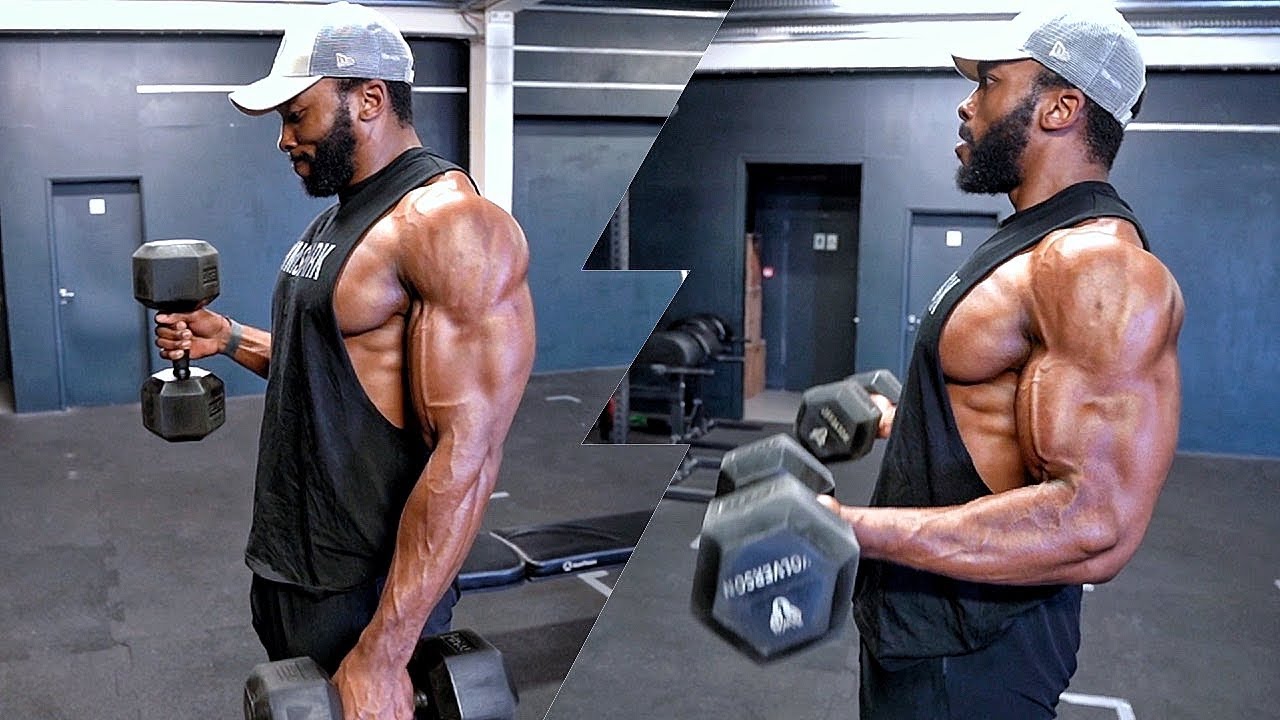
2. Dumbbell Curl
Use one or two arms at a time. You can twist your wrist as you lift (“supinate”) for more muscle activation.
- Focus: Works the long and short heads, allows a bigger range of motion.
3. Hammer Curl
Hold dumbbells with palms facing each other and curl.
- Focus: Hits the brachialis and brachioradialis (forearm muscle).
- Benefit: Builds arm thickness and forearm strength.
4. Preacher Curl
Rest your upper arms on a sloped bench, curl a bar or dumbbell up.
- Focus: Isolates biceps, reduces cheating.
- Tip: Use light to moderate weight for best results.
5. Concentration Curl
Sit down, brace your elbow inside your thigh, and curl a dumbbell slowly.
- Focus: Puts all tension on the biceps, great for detail and “peak.”
6. Chin-up
Using an underhand grip (palms facing you), pull your body up to a bar.
- Focus: Uses biceps and back, but biceps work hardest.
Table: Triceps And Biceps Exercise Comparison
Here’s a quick look at how some top exercises compare for muscle activation and difficulty.
| Exercise | Main Muscle | Difficulty | Muscle Activation |
|---|---|---|---|
| Close-Grip Bench Press | Triceps | Medium | High (all heads) |
| Barbell Curl | Biceps | Medium | High (both heads) |
| Triceps Dips | Triceps | Hard | Very high |
| Hammer Curl | Biceps/Brachialis | Medium | Medium |
| Overhead Extension | Triceps (long head) | Medium | High |
| Preacher Curl | Biceps | Medium | High (short head) |
Sample Triceps And Biceps Workout Routine
If you’re new, start with one workout per week. For more experience, try two. Here’s a balanced routine that you can adjust based on your level.
Warm-up (5–10 Minutes)
- Arm circles, light push-ups, and band pull-aparts
- Goal: Increase blood flow and prevent injury
Main Workout
1. Close-Grip Bench Press
3 Sets X 8–10 Reps
2. Barbell Curl
3 Sets X 8–10 Reps
3. Triceps Pushdown
3 Sets X 10–12 Reps
4. Hammer Curl
3 Sets X 10–12 Reps
5. Overhead Triceps Extension
2 Sets X 12–15 Reps
6. Concentration Curl
2 Sets X 12–15 Reps
Rest
- 60–90 seconds between sets
- Longer rests for heavy lifts (close-grip bench), shorter for isolation moves
Tip: Beginners often skip rest, thinking more is better. Quality reps matter more than speed.
How To Progress Over Time
Your body adapts quickly. To keep growing stronger and bigger, you must challenge your muscles.
Increase Weight Gradually
When you can do the top number of reps with good form, add a little more weight next time.
Change The Order
Switch the order of exercises. Start with dumbbell curls one week, barbell curls the next.
Try New Variations
Add in new moves—like cable curls or single-arm pushdowns—to challenge your muscles.
Watch Your Recovery
Muscles grow when you rest, not just when you train. If your arms stay sore for days, cut back on sets.
A less obvious tip: Write down your weights and reps. Tracking progress is one of the simplest ways to keep improving, but most people ignore it.
Table: Sample Weekly Arm Training Plan
This plan fits easily alongside other workouts.
| Day | Workout Focus | Notes |
|---|---|---|
| Monday | Chest + Triceps | Push movements, finish with triceps isolation |
| Wednesday | Back + Biceps | Pull movements, end with biceps curls |
| Friday | Arm Focus (Triceps & Biceps) | Direct arm work, higher reps |
Choosing The Right Weight And Reps
Finding the best weight can be confusing. Here’s a simple rule: The last two reps should feel hard, but you should always keep good form.
- For muscle growth (hypertrophy): 8–12 reps, moderate to heavy weight
- For strength: 4–8 reps, heavier weight, more rest
- For endurance: 12–15+ reps, lighter weight
Don’t copy someone else’s weights. Your body is unique. Start light and build up.
Advanced Triceps And Biceps Training Tips
Once you’re comfortable with basics, these tips can help you break through plateaus.
Supersets
Do a triceps exercise, then a biceps exercise with no rest between. Example: Triceps pushdown, then barbell curl.
- Saves time and keeps your arms pumped
- Pushes your muscles to work harder
Eccentric Reps
Lower the weight slowly (3–5 seconds) on curls or extensions. This increases muscle tension and can boost growth.
Mind-muscle Connection
Focus on feeling the muscle work, not just moving the weight. Studies show this boosts activation, but most beginners rush through reps without control.
Try Cables And Bands
Cables keep tension on the muscle the whole time. Bands are great for home workouts and joint-friendly.
Table: Free Weights Vs. Cables For Arm Training
Here’s how different tools compare for arm growth.
| Tool | Benefits | Drawbacks |
|---|---|---|
| Free Weights | Builds stabilizer muscles, easy to increase weight | More risk of poor form, harder to isolate |
| Cables | Constant tension, joint-friendly | Needs special equipment, less “real-world” carryover |
| Bands | Portable, low joint stress | Harder to measure progress, resistance changes through range |
Nutrition For Arm Growth
Training is just one side of the story. Your body needs the right fuel to build new muscle.
Protein
Muscles are made from protein. Aim for about 0.7–1 gram of protein per pound of body weight each day. Chicken, fish, eggs, beans, and Greek yogurt are great sources.
Carbohydrates
Carbs give you energy for tough workouts. Oats, rice, potatoes, and fruit are good choices.
Fats
Healthy fats help hormones that build muscle. Add nuts, olive oil, and avocados.
Hydration
Even slight dehydration can hurt performance. Drink water before, during, and after your workout.
Practical insight: Many people try to “bulk up” by eating junk food for more calories. This just adds fat, not muscle. Quality food matters as much as quantity.
Recovery: The Secret Ingredient
You don’t get bigger or stronger during workouts. Growth happens while you rest.
Sleep
Aim for 7–9 hours of good sleep each night. Muscles repair best while you sleep.
Rest Days
Don’t train the same muscles every day. Triceps and biceps need at least 48 hours to recover.
Stretching And Mobility
After your workout, stretch your arms for 5–10 minutes. This keeps your joints healthy and helps prevent soreness.
Triceps And Biceps For Different Goals
Your approach changes based on what you want most.
For Bigger Arms
- Focus on muscle growth sets: 8–12 reps, 3–4 sets per exercise.
- Use both compound (multi-joint) and isolation (single-joint) moves.
- Eat enough calories and protein.
For Strength
- Use heavier weights, fewer reps (4–8), and longer rest.
- Stick to basics: Close-grip bench, barbell curl, dips, and chin-ups.
- Progress slowly to avoid injury.
For Definition
- Add higher-rep sets (12–15+).
- Use cables for continuous tension.
- Watch your diet—lower body fat shows muscle.
Hidden tip: For maximum definition, train your triceps just as much as your biceps. Defined triceps make your whole arm look leaner.

Credit: www.antillespr.edu
At-home Arm Workouts
No gym? No problem. You can build strong arms at home with just a few items.
Bodyweight Moves
- Diamond push-ups (triceps)
- Chair dips (triceps)
- Inverted rows under a sturdy table (biceps/back)
Resistance Bands
- Band curls
- Band triceps extensions
- Band overhead extensions
Household Items
- Use water bottles or bags of rice for curls and extensions.
Important: Focus on slow reps and squeezing the muscle. More is not always better.
Triceps And Biceps Training For Women
Many women worry about “bulky” arms. The truth: building visible muscle takes time and effort, especially for women. Arm training brings:
- Better muscle tone and shape
- More daily strength (carrying, lifting)
- Stronger bones (important for health)
Women should use the same exercises and routines as men. There is no “special” women’s exercise—just adjust the weight and reps for your level.
Credit: www.fondation-enovos.lu
Injury Prevention For Arm Training
It’s easy to get excited and overdo it. Protect your arms with these habits:
- Warm up: Start every workout with a few minutes of light cardio and arm movements.
- Use good form: Don’t swing weights or lock elbows harshly.
- Listen to your body: Pain is a warning. Stop if you feel sharp or unusual pain.
- Stretch after workouts: Keeps your muscles and joints healthy.
- Don’t train every day: Muscles need time to recover.
A less obvious tip: If you have elbow or shoulder pain, sometimes the cause is poor wrist position or too much grip tension. Adjust your grip and see if it helps.
How Arm Training Fits Into A Full-body Plan
Triceps and biceps are just part of your upper body. For best results:
- Train chest, back, and shoulders too. These big muscles help arms grow.
- Don’t skip legs. Full-body workouts increase hormones that build muscle everywhere.
- Add arm-focused days only if you want extra growth.
Many top trainers suggest pairing triceps with chest and biceps with back. This way, you get both direct and indirect work, leading to better results.
Supplements: Do You Need Them?
Supplements are not magic. But some can help if your diet isn’t perfect.
- Whey protein: Easy way to get more protein, especially after workouts.
- Creatine: Safe and proven to increase strength and muscle size.
- Branched-chain amino acids (BCAAs): Can help with recovery, especially if you train while fasting.
But remember: Food first, supplements second. Most people can build great arms with just good food and training.
For more on safe supplements, you can visit the Examine.com Creatine Guide.
Frequently Asked Questions
How Often Should I Train Triceps And Biceps?
For most people, 1–2 times per week is enough. If you’re a beginner, once a week works well. More advanced lifters can train arms twice a week, but always allow at least 48 hours between sessions.
Can I Train Triceps And Biceps On The Same Day?
Yes, you can. Many routines combine both in one workout. You can do all your triceps exercises first, then biceps, or alternate between the two. This can save time and give you a great arm pump.
Should I Use Heavy Weights Or Light Weights For Arms?
Both can work. For growth, use moderate to heavy weights for 8–12 reps. For endurance or definition, use lighter weights for higher reps (12–15+). The key is to challenge the muscle and use good form.
Why Aren’t My Arms Getting Bigger?
Common reasons include:
- Not eating enough protein or calories
- Not increasing weights over time (progressive overload)
- Using poor exercise form or too much body swing
- Overtraining (not enough rest)
Track your food and workouts to spot what you can improve.
What’s The Difference Between Triceps And Biceps Soreness?
Biceps soreness is usually felt in the front of the upper arm, especially after curls or pulling moves. Triceps soreness is at the back of the upper arm, common after pushing moves like presses or pushdowns. Mild soreness is normal, but sharp pain is not—rest if you feel it.
Building strong, defined arms takes more than just curls and pushdowns. With smart training, good nutrition, and proper rest, your triceps and biceps will respond—helping you look, feel, and move better every day. Remember, progress is not about doing more, but doing better.
Stay consistent, track your results, and enjoy the journey to stronger arms.
