

Top Glute Workout: Sculpt Stronger, Rounder Glutes Fast
Top Glute Workout
The glutes are not just about aesthetics. Strong glute muscles play a key role in walking, running, jumping, and even standing. They help stabilize your hips, support your lower back, and power many daily movements. Whether you want a firmer, rounder shape or you’re seeking better athletic performance, a top glute workout can help you reach your goals.
Many people train legs but overlook the glutes, missing out on strength, injury prevention, and mobility benefits. This article guides you step-by-step through the best glute exercises, program tips, expert advice, and common mistakes. You’ll find practical routines and learn how to build glute strength safely and effectively.
Understanding The Glute Muscles
The glutes are made of three main muscles: the gluteus maximus, gluteus medius, and gluteus minimus. Each muscle has a special function.
- Gluteus maximus: The largest muscle, responsible for hip extension (moving your leg backward), outward rotation, and giving your glutes their shape.
- Gluteus medius: Located on the side of your hip, it helps with hip abduction (moving your leg away from your body) and stabilizes your pelvis.
- Gluteus minimus: The smallest, under the medius, it also helps with hip abduction and stabilization.
These muscles work together to allow you to walk, run, climb stairs, and balance. Weak glutes can lead to lower back pain, knee injuries, and poor posture.
Why Train Glutes?
There are many reasons to focus on glute training. Here are the most important:
- Improved athletic performance: Strong glutes help you run faster, jump higher, and lift heavier weights.
- Injury prevention: Glutes stabilize the pelvis and lower back, reducing risk of injuries.
- Better posture: Weak glutes often cause pelvic tilt and back pain.
- Aesthetic benefits: Well-developed glutes shape your hips and legs.
- Functional strength: Everyday movements like walking, standing, and lifting rely on glute strength.
Many beginners miss the link between glute weakness and lower body injuries. Also, glute training helps balance muscle development, preventing overuse of the quadriceps and hamstrings.
Top Glute Exercises
Some exercises activate the glutes much more than others. Here are the most effective ones, based on research and real-world results.
1. Hip Thrust
The hip thrust is a powerful glute builder. You perform it by sitting on the ground, leaning your upper back against a bench, feet flat, knees bent. Place a barbell or weight across your hips. Push your hips upward, squeezing your glutes at the top.
Benefits: High glute activation, easy to adjust weight, improves strength and shape.
Tip: Pause for 2 seconds at the top for extra activation.
2. Barbell Glute Bridge
Similar to hip thrust, but your upper back is flat on the ground. Place a barbell across your hips, feet hip-width apart, push your hips up.
Benefits: Less equipment needed, easier for beginners.
3. Bulgarian Split Squat
Stand in front of a bench, place one foot behind you on the bench. Lower your body until your front thigh is parallel to the ground, keeping your torso upright.
Benefits: Builds single-leg strength, targets glutes and quads.
4. Romanian Deadlift
Hold a barbell or dumbbells. Keep your knees slightly bent, hinge at the hips, lower the weights toward your feet, keeping your back straight, then return to standing.
Benefits: Stretches and strengthens glutes and hamstrings.
5. Step Up
Hold dumbbells, step onto a bench or box with one foot, press through the heel to lift your body up, then step down.
Benefits: Improves balance, activates glutes, easy to adjust height.
6. Cable Kickback
Attach a cable to your ankle, stand facing the machine, kick your leg backward, squeezing your glute.
Benefits: Isolates glutes, good for high reps.
7. Single-leg Glute Bridge
Lie on your back, one foot flat on the floor, the other leg straight up. Push through your heel to raise your hips.
Benefits: Builds unilateral strength, improves balance.
8. Sumo Squat
Stand with feet wider than shoulder-width, toes out. Hold a dumbbell or barbell, squat down, keeping chest up.
Benefits: Targets inner thighs and glutes.
9. Frog Pump
Lie on your back, soles of feet together, knees apart. Push your hips up, squeezing glutes.
Benefits: High glute activation, low impact.
10. Lateral Band Walk
Place a resistance band above your knees, squat slightly, step side to side.
Benefits: Activates glute medius, improves hip stability.
11. Curtsy Lunge
Step one leg behind and across your body, lower into a lunge, return to standing.
Benefits: Hits glute medius and minimus, improves hip mobility.
12. Fire Hydrant
On all fours, lift one knee out to the side, keeping hip bent.
Benefits: Great for glute medius, easy for beginners.
13. Reverse Hyperextension
Lie face down on a bench, legs hanging off. Lift your legs up behind you, squeezing glutes.
Benefits: Good for lower back and glutes, improves spinal health.
14. Kettlebell Swing
Swing a kettlebell between your legs, thrust hips forward to bring it up to chest level.
Benefits: Explosive power, targets glutes and hamstrings.
15. Clamshell
Lie on your side, knees bent, feet together. Open your top knee like a clamshell, keeping feet touching.
Benefits: Strengthens glute medius, prevents knee injuries.
Exercise Comparison: Glute Activation
The following table shows how different exercises activate the glutes, based on EMG studies.
| Exercise | Glute Activation (Relative %) | Difficulty Level |
|---|---|---|
| Hip Thrust | 95% | Intermediate |
| Barbell Glute Bridge | 90% | Beginner |
| Bulgarian Split Squat | 85% | Intermediate |
| Romanian Deadlift | 80% | Intermediate |
| Step Up | 75% | Beginner |
| Cable Kickback | 70% | Beginner |
| Single-Leg Glute Bridge | 70% | Beginner |
| Sumo Squat | 65% | Beginner |
| Frog Pump | 60% | Beginner |
| Lateral Band Walk | 60% | Beginner |
| Curtsy Lunge | 55% | Beginner |
| Fire Hydrant | 50% | Beginner |
| Reverse Hyperextension | 50% | Intermediate |
| Kettlebell Swing | 50% | Intermediate |
| Clamshell | 45% | Beginner |
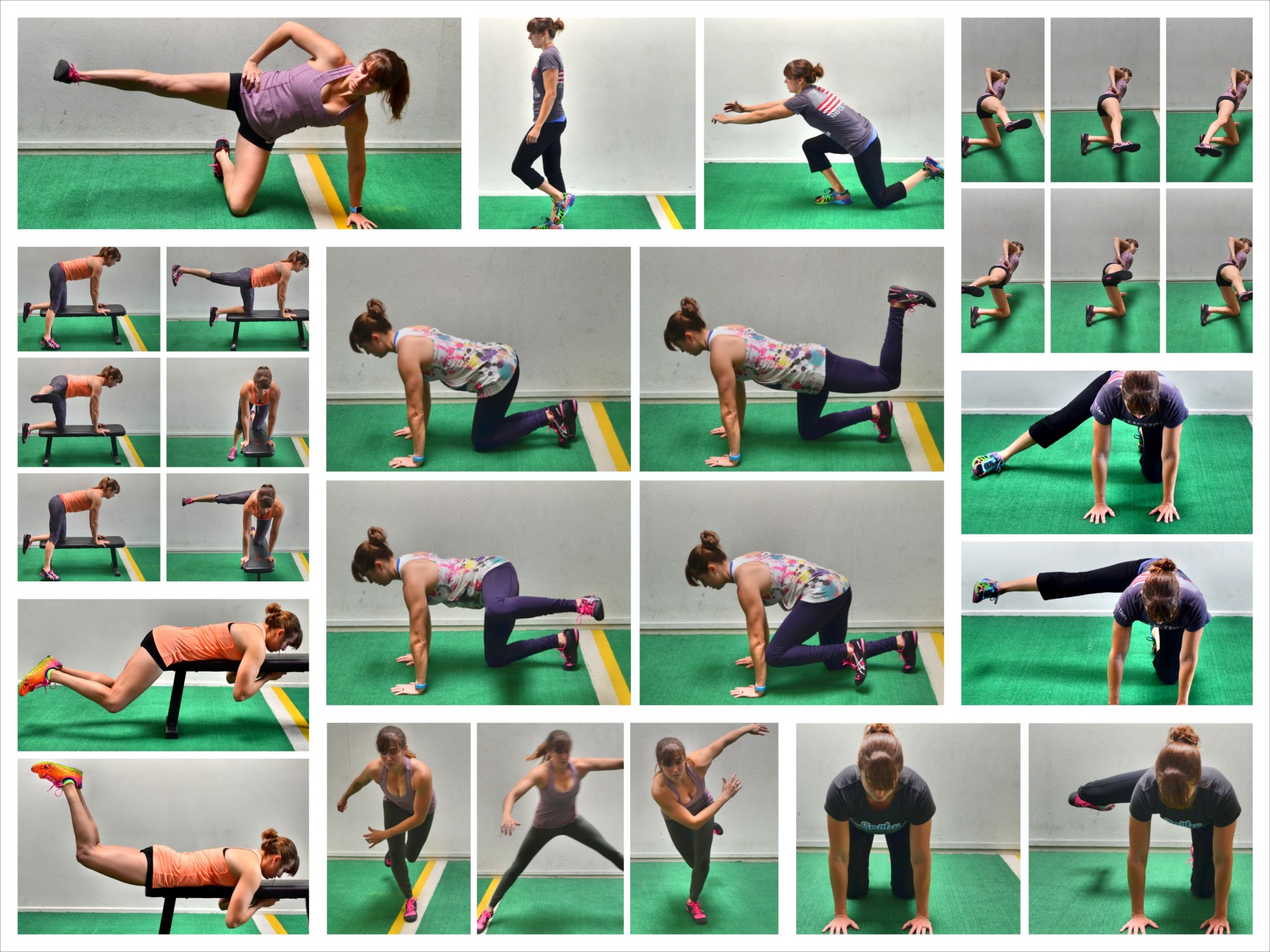
Credit: redefiningstrength.com
Structuring Your Glute Workout
For best results, you need a structured workout. Here’s how to organize your glute training:
Frequency
Train glutes 2-3 times per week. This gives your muscles time to recover and grow.
Sets And Reps
For Strength: 3-5 Sets, 6-10 Reps Per Exercise
For Muscle Size (hypertrophy): 3-4 Sets, 8-15 Reps
For Endurance: 2-4 Sets, 15-25 Reps
Rest Between Sets
Rest 1-2 minutes for higher reps, 2-3 minutes for heavy sets.
Exercise Order
Start with compound movements (hip thrust, squats, deadlifts) first. Finish with isolation exercises (kickbacks, clamshells).
Sample Top Glute Workout Routine
Here’s a practical routine for building strong glutes:
- Hip Thrust – 4 sets x 10 reps
- Bulgarian Split Squat – 3 sets x 12 reps (each leg)
- Romanian Deadlift – 3 sets x 10 reps
- Frog Pump – 3 sets x 15 reps
- Lateral Band Walk – 2 sets x 20 steps
Tip: For beginners, start with bodyweight exercises, then add weights.
Exercise Progression And Variation
You need to challenge your muscles to see progress. Increase the difficulty by:
- Adding more weight
- Increasing repetitions
- Using slower tempo
- Trying new exercise variations
Variation prevents plateaus and keeps your workouts interesting. For example, switch from hip thrust to single-leg hip thrust, or use a resistance band for extra tension.
Non-obvious insight: Many people forget to change the angle of their foot or hip position. Small changes can shift the focus and activate different parts of the glute.
Glute Training Tips From Experts
Based on expert advice and scientific studies, here are some key tips:
- Mind-muscle connection: Focus on squeezing your glutes during each rep. This increases muscle activation.
- Full range of motion: Go through the complete movement, not just partial reps.
- Proper form: Quality is more important than quantity. Poor form can lead to injuries.
- Warm-up: Always warm up with dynamic stretches and activation drills like glute bridges or band walks.
- Recovery: Give your glutes time to rest. Avoid training them every day.
Non-obvious insight: Use pauses or isometric holds at the peak of each exercise. This boosts activation and helps build muscle faster.
Common Glute Training Mistakes
Even experienced gym-goers make mistakes when training glutes. Here’s what to avoid:
- Neglecting hip thrusts: Many focus only on squats and lunges, missing the power of hip thrusts.
- Using too much weight too soon: It’s better to master technique first.
- Not training glutes directly: Relying only on leg exercises can lead to weak glutes.
- Skipping warm-up: Cold muscles are less effective and more prone to injury.
- Ignoring unilateral exercises: Single-leg moves fix imbalances and improve stability.
- Poor mind-muscle connection: Not focusing on glute activation reduces effectiveness.
Glute Growth: Nutrition And Recovery
Training alone isn’t enough for glute growth. Nutrition and recovery matter too.
Protein Intake
Muscles need protein to repair and grow. Aim for 1. 2-2. 0 grams of protein per kilogram of body weight daily.
Carbohydrates And Fats
Carbs fuel workouts and help recovery. Healthy fats support hormone balance and joint health.
Hydration
Drink enough water, especially if you sweat a lot. Dehydration reduces performance.
Sleep
Aim for 7-9 hours of quality sleep. Sleep is when muscles recover and grow.
Supplementation
Some people use protein powder, creatine, or BCAAs. These can help, but focus on whole foods first.
Glute Workout Vs. Leg Workout
Many people think squats and lunges are enough for glutes. But leg workouts often target the quadriceps and hamstrings more than the glutes. A true glute workout focuses on hip extension, abduction, and rotation.
Here’s a comparison:
| Exercise | Main Muscles Worked | Glute Activation |
|---|---|---|
| Squat | Quads, Glutes, Hamstrings | Moderate |
| Lunge | Quads, Glutes, Hamstrings | Moderate |
| Hip Thrust | Glutes | High |
| Romanian Deadlift | Glutes, Hamstrings | High |
| Clamshell | Glute Medius | Low |
Tip: To build glutes, include hip thrusts, bridges, and abduction moves. Use squats and lunges as secondary exercises.
Home Glute Workout: No Equipment Needed
You don’t need a gym for a great glute workout. Here’s a bodyweight routine:
- Single-Leg Glute Bridge – 3 sets x 12 reps each leg
- Frog Pump – 3 sets x 20 reps
- Fire Hydrant – 3 sets x 15 reps each side
- Clamshell – 3 sets x 15 reps each side
- Lateral Band Walk (if you have a resistance band) – 2 sets x 20 steps
Tip: Slow down each rep and hold at the top for maximum activation.
Glute Training For Different Goals
Your workout should match your goals.
For Athletes
Focus on explosive moves like hip thrusts, kettlebell swings, and step ups. Use heavier weights and lower reps.
For Aesthetics
Use a mix of heavy compound lifts and high-rep isolation exercises. Include pauses and slow reps.
For Seniors
Choose low-impact exercises like bridges, clamshells, and band walks. Focus on balance and stability.
For Beginners
Start with bodyweight moves, learn proper form, then add resistance.
Advanced Glute Training Techniques
For those looking to take their glute training to the next level, try these advanced methods:
- Dropsets: Perform a set, reduce the weight, keep going with more reps.
- Supersets: Pair two exercises together, rest after both are done.
- Tempo training: Slow down the lowering phase, pause at the bottom, explode up.
- Isometric holds: Hold the peak contraction for 3-5 seconds.
Non-obvious insight: Include both vertical and horizontal hip extension exercises for full glute development. Hip thrusts (horizontal) and squats (vertical) work different fibers.
Tracking Progress
To keep improving, track your workouts. Record:
- Exercises performed
- Sets and reps
- Weight used
- Rest times
Take progress photos every 4-6 weeks. Measure your hips and thighs. Small gains add up over time.
Tip: Don’t rely only on the scale. Muscle growth can happen without big changes in weight.
Glute Activation For Injury Prevention
Weak glutes can cause lower back pain, knee injuries, and poor movement patterns. Many physical therapists recommend glute activation drills before workouts. These include:
- Glute bridges
- Band walks
- Clamshells
Activation drills “wake up” the glutes, improve muscle firing, and help prevent injuries.
Glute Workout For Women Vs. Men
Both women and men benefit from glute training, but there are some differences:
- Women often have wider hips, making hip abduction exercises like band walks and clamshells more important.
- Men may focus more on strength, using heavier weights.
- Both should include hip thrusts, bridges, and single-leg moves.
Tip: Tailor your routine to your body type and goals, not just gender.

Credit: www.fondation-enovos.lu
Best Practices For Glute Training
Follow these best practices for safe and effective glute workouts:
- Always warm up with 5-10 minutes of cardio and activation drills.
- Use proper form, never sacrifice technique for heavier weights.
- Train glutes 2-3 times per week, with at least one rest day between sessions.
- Eat enough protein and calories to support muscle growth.
- Track your progress to stay motivated.
Real-world Example: Glute Workout Progression
Let’s look at how a beginner can progress:
Week 1-2:
Bodyweight Glute Bridge, Frog Pump, Fire Hydrant, Clamshell
Week 3-4:
Add Dumbbells Or Resistance Bands, Increase Reps, Try Single-leg Variations
Week 5-8:
Include Hip Thrusts, Bulgarian Split Squats, Romanian Deadlifts
Week 9+:
Use Heavier Weights, Advanced Techniques Like Supersets, Dropsets
Tip: Progress slowly and listen to your body. Avoid rushing into advanced moves.

Credit: angradoheroismo.pt
Glute Workout Equipment Guide
Here’s a quick comparison of equipment you can use:
| Equipment | Benefits | Common Exercises |
|---|---|---|
| Barbell | Heavy resistance, builds strength | Hip thrust, glute bridge, deadlift |
| Dumbbell | Versatile, easy to use | Step up, lunge, split squat |
| Kettlebell | Explosive moves | Kettlebell swing |
| Resistance band | Portable, great for activation | Band walk, clamshell, kickback |
| Bench | Support, increases range | Hip thrust, step up, reverse hyper |
| No equipment | Accessible for everyone | Glute bridge, frog pump, fire hydrant |
Staying Motivated
Glute training takes time. Results may not show quickly, but consistency pays off. Try these strategies:
- Set clear goals (strength, shape, injury prevention)
- Track progress with photos and measurements
- Change your routine every 4-8 weeks
- Train with a friend or coach
- Celebrate small wins
Science Behind Glute Activation
Research shows hip thrusts and bridges activate the glutes much more than squats or lunges. According to National Institutes of Health, hip thrusts lead to higher muscle recruitment, better strength gains, and more growth.
Frequently Asked Questions
How Often Should I Train My Glutes?
Train glutes 2-3 times per week. This allows enough recovery for muscle growth. Avoid training them every day, as overworking can cause fatigue and injury.
Can I Build Glutes Without Weights?
Yes. Bodyweight exercises like glute bridges, frog pumps, fire hydrants, and clamshells are effective. Adding resistance bands increases activation. Focus on slow reps and hold the contraction.
What Is The Best Glute Exercise?
Hip thrusts are the top exercise for glute activation and growth. They target the gluteus maximus and use a full range of motion. Bridges, split squats, and Romanian deadlifts are also excellent.
How Long Before I See Results?
It depends on your starting point, routine, and nutrition. Most people notice changes in 8-12 weeks with consistent training, proper nutrition, and enough rest.
What If I Have Knee Or Back Pain?
Glute training can help relieve pain if done with proper form. Start with low-impact exercises like bridges and clamshells. Always check with a physical therapist if pain persists.
Building strong, functional glutes is possible for anyone—whether you are at home or in the gym. The right exercises, smart programming, and consistent effort will help you develop glute strength, shape, and performance. Focus on quality movement, listen to your body, and stay motivated.
Your efforts will pay off in daily life, sports, and confidence.
