

Resistance Bands for Glute Workout: Sculpt and Strengthen Fast
Resistance Bands For Glute Workout
Many people dream of strong, toned glutes. But gym memberships, heavy weights, or fancy machines are not always needed. Resistance bands are a simple tool that can help you build your glute muscles anywhere, anytime. These stretchy bands offer a unique way to challenge your body, and they are easy to use for beginners and experts alike.
Glute workouts are not only about looking good. Strong glutes help your posture, balance, and athletic performance. They protect your lower back and knees, making daily movements easier and safer. If you feel your glutes are weak or you want to shape them, resistance bands can give you fast results with less risk of injury.
This article explores how resistance bands can transform your glute workouts. You’ll learn about the best band types, effective exercises, workout routines, and how to avoid common mistakes. Practical tips, real examples, and clear guidance will help you get started and make progress.
Whether you exercise at home, outdoors, or in a gym, resistance bands can become your secret weapon for strong, healthy glutes.
Why Resistance Bands Are Ideal For Glute Training
Resistance bands have become popular for glute workouts because they are affordable, portable, and easy to use. Unlike dumbbells or machines, bands create constant tension throughout the movement, making your muscles work harder.
Benefits Of Using Resistance Bands
- Versatility: Bands can be used for a wide range of glute exercises. They fit any fitness level, from beginner to advanced.
- Joint-Friendly: Bands reduce stress on joints compared to heavy weights. This is helpful for people with knee or back problems.
- Progressive Resistance: Bands come in different strengths. You can start with a light band and move to a heavier one as your glutes get stronger.
- Portability: You can carry bands anywhere. They take up little space and are perfect for travel or home workouts.
- Activate Glutes Better: Research shows bands help activate glute muscles more than some traditional exercises. This means better results in less time.
A study published in the Journal of Strength and Conditioning Research found that banded glute exercises increase muscle activation by up to 30% compared to bodyweight movements. This makes bands a smart choice for anyone wanting to build and tone their glutes efficiently.
Types Of Resistance Bands For Glute Workouts
Choosing the right resistance band is important for a safe and effective glute workout. Not all bands are equal. Some are better for certain exercises, while others offer more comfort or durability.
Main Types Of Resistance Bands
- Loop Bands: These are closed circles, usually made of latex or fabric. They are perfect for glute bridges, lateral walks, and squats.
- Mini Bands: Smaller loop bands that fit around your legs. Ideal for activating glutes and adding resistance to lower body moves.
- Long Bands: Also called power bands. These can be used for full-body exercises, but they work for glute training too.
- Tube Bands with Handles: Designed for standing exercises. They are less common for glute workouts but useful for lunges or kickbacks.
Fabric Vs Latex Bands
Fabric bands are thicker and do not roll or pinch your skin. They are comfortable for moves like squats or hip thrusts. Latex bands are thinner and more flexible, but they sometimes slide or break with heavy use.
Comparison Of Band Materials
| Band Type | Comfort | Durability | Best For |
|---|---|---|---|
| Fabric Loop | High | High | Squats, Bridges |
| Latex Loop | Medium | Medium | Lateral Walks |
| Mini Band | Medium | Medium | Activation Exercises |
| Tube with Handles | Low | High | Standing Moves |
Non-obvious insight: Beginners often overlook fabric bands because they cost more. But for glute exercises, they are worth the investment since they do not slip or roll, making your workout smoother.
Essential Glute Exercises Using Resistance Bands
To build strong glutes, you need to target all three muscles: the gluteus maximus, gluteus medius, and gluteus minimus. Resistance bands can help you do this with simple but powerful movements.
Banded Glute Bridge
Place a loop band just above your knees. Lie on your back, feet flat on the ground, knees bent. Push your hips up, squeeze your glutes, and keep knees apart. Lower your hips slowly.
- Sets: 3
- Reps: 12–15
Tip: Press knees outward against the band to activate the glute medius.
Banded Squat
Stand with feet shoulder-width apart, band above knees. Lower into a squat, keeping chest up and pushing knees outward. Stand up and repeat.
- Sets: 3
- Reps: 10–12
Tip: Do not let knees collapse inward. The band helps train proper form.
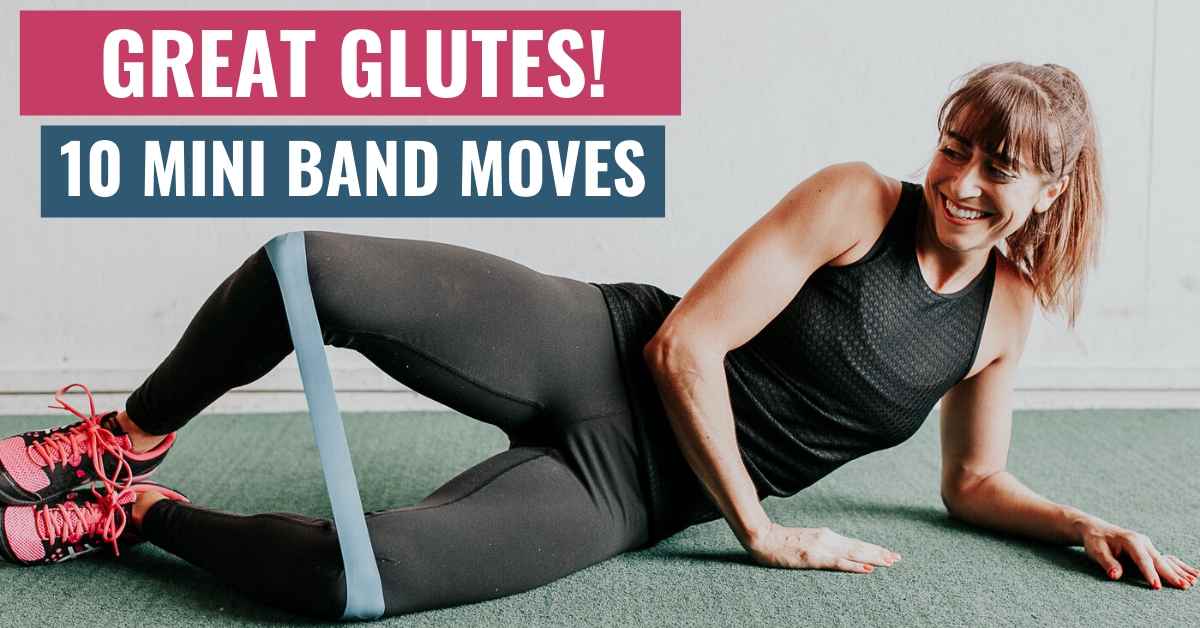
Side-lying Clamshell
Lie on your side, knees bent, band above knees. Keep feet together and lift the top knee, then lower back down.
- Sets: 3
- Reps: 15 per side
Tip: Pause at the top for extra muscle activation.
Lateral Band Walk
Place band above ankles or knees. Stand with knees slightly bent. Step sideways, keeping tension on the band.
- Sets: 2–3
- Reps: 10 steps each direction
Tip: Stay low and move slowly. This targets glute medius for hip stability.
Standing Kickback
Attach band around your ankles. Stand tall, hold onto a wall if needed. Kick one leg straight back, squeeze glutes, then return.
- Sets: 3
- Reps: 12 per leg
Tip: Keep your torso steady. Focus on glute, not lower back.
Fire Hydrant
Band above knees, on all fours (hands and knees). Lift one knee out to the side, keeping hip bent. Lower back down.
- Sets: 3
- Reps: 12–15 per side
Tip: Do not arch your back. The movement should come from your hip.
Hip Thrust With Band
Sit on the floor, upper back against a bench, band above knees. Roll barbell over hips (optional), feet flat. Push hips up, squeeze glutes, press knees outward, then lower.
- Sets: 3
- Reps: 10–12
Tip: Bands add tension. Start with bodyweight, then add resistance.
Non-obvious insight: Many people skip lateral exercises like clamshells or lateral band walks, but these moves help build the shape and strength of the upper glute. Do not focus only on bridges and squats.
Building An Effective Glute Workout Routine
Creating a balanced glute routine with resistance bands is simple but important. You need to hit all glute areas, mix exercises, and adjust intensity over time.
Sample Beginner Routine
- Banded Glute Bridge – 3 sets x 12 reps
- Side-Lying Clamshell – 3 sets x 15 reps per side
- Lateral Band Walk – 2 sets x 10 steps each way
- Banded Squat – 3 sets x 10 reps
Rest 30–60 seconds between sets. Do this routine 2–3 times per week.
Sample Intermediate Routine
- Hip Thrust with Band – 3 sets x 12 reps
- Fire Hydrant – 3 sets x 15 reps per side
- Standing Kickback – 3 sets x 12 reps per leg
- Banded Squat – 3 sets x 15 reps
Increase band resistance or sets if you feel too comfortable.
Advanced Routine
Combine band exercises with bodyweight or weights.
- Banded Hip Thrust (with barbell) – 4 sets x 10 reps
- Banded Bulgarian Split Squat – 3 sets x 12 reps per leg
- Lateral Band Walk – 3 sets x 15 steps each way
- Fire Hydrant – 3 sets x 20 reps per side
Practical advisor tip: Rotate routines every 4–6 weeks to avoid plateaus. Mix up band types and exercise order for new challenges.
How To Progress
- Increase band resistance as you get stronger.
- Add more sets or reps.
- Combine two exercises for a “superset” (for example, glute bridge then clamshell without rest).
- Track your progress weekly.
Most beginners make the mistake of sticking to one routine for too long. Changing intensity and exercises keeps your muscles growing and prevents boredom.

Credit: www.youtube.com
Resistance Levels: How To Choose And Use Correctly
Resistance bands come in various strengths, usually marked as light, medium, heavy, and extra heavy. The right resistance depends on your fitness level and the exercise you do.
What Resistance Level Is Best?
- Light Bands: Good for activation moves, warm-up, or beginners.
- Medium Bands: Suitable for most glute exercises, moderate strength.
- Heavy Bands: For advanced users or big muscle groups.
- Extra Heavy Bands: Used for strong athletes or hip thrusts with weights.
Resistance Level Comparison
| Band Strength | Typical Resistance (lbs) | Ideal For |
|---|---|---|
| Light | 10–20 | Activation, Warm-up |
| Medium | 20–35 | Regular Glute Exercises |
| Heavy | 35–50 | Advanced Moves |
| Extra Heavy | 50+ | Hip Thrusts, Deadlifts |
Straight-to-the-point helper tip: If a band feels too easy, upgrade to a stronger one. If you can do more than 20 reps without effort, the band is too light for glute building.
Common Mistakes When Using Resistance Bands For Glutes
Even with the best bands, mistakes can limit your progress or cause injury. Here are the most frequent errors and how to fix them.
Not Maintaining Tension
If you let the band slack during the exercise, your glutes will not work fully. Keep the band tight throughout each movement.
Letting Knees Collapse Inward
During squats or bridges, knees often fall inward. This reduces glute activation. Always push knees outward against the band.
Using Wrong Band Placement
Placing the band too high or too low can change the exercise. For most glute moves, the band should sit just above the knees or around the ankles.
Skipping Warm-up
Jumping straight into intense exercises without warming up increases risk of injury. Do a few light band moves to prepare your muscles.
Rushing Through Reps
Slow, controlled movements are better than fast, sloppy reps. Focus on squeezing the glutes and feeling the tension.
Ignoring Progression
Sticking to the same band or routine for months will not give results. Change resistance, reps, or exercises regularly.
Experience-based guide insight: Many people use bands for “burn” but do not track progress. Set goals, measure improvements, and update your routine for lasting glute gains.

Credit: www.sekompos.com
How Resistance Bands Compare To Weights And Machines
Some people ask if resistance bands can replace weights or gym machines for glute training. The answer depends on your goals and situation.
Bands Vs Weights
Bands offer constant tension and are safer for joints. Weights allow for heavier loads and muscle growth. Combining both is ideal for strength and size.
Bands Vs Machines
Machines help isolate muscles and control movement. Bands need more balance and core stability. Bands are portable and cheap, while machines are expensive and fixed.
Glute Training Tool Comparison
| Tool | Muscle Activation | Portability | Cost | Best For |
|---|---|---|---|---|
| Resistance Bands | High | Excellent | Low | Home, Travel |
| Dumbbells | Medium-High | Medium | Medium | Strength Gains |
| Machines | High | Low | High | Isolation, Gyms |
Non-obvious insight: Bands can improve muscle “activation,” which means your glutes fire more during each rep. Even if you use weights, adding a band can make the exercise more effective.
Practical Tips For Better Results With Resistance Bands
You can get faster and safer results if you follow some simple but effective strategies.
Mix Activation And Strength Moves
Start your routine with light band activation (clamshells, lateral walks), then switch to heavier strength exercises (hip thrusts, squats). This wakes up your glutes and helps you use them properly.
Use Bands For Warm-up
Before any lower-body workout, use a band for a 5–10 minute warm-up. This improves blood flow and muscle readiness.
Focus On Mind-muscle Connection
During each move, concentrate on squeezing the glutes. This “mind-muscle” connection increases muscle growth.
Record Your Progress
Keep a notebook or app to track sets, reps, and band resistance. Adjust your routine every month.
Combine With Cardio
Add band walks or kickbacks to your cardio routine. This burns calories and shapes glutes at the same time.
Try New Band Exercises
Do not stick only to the basics. Try banded step-ups, single-leg bridges, or frog pumps for variety.
Stretch After Workouts
Bands make muscles tight. Stretch your glutes, hips, and hamstrings after each session to improve flexibility and reduce soreness.
Friendly mentor tip: If your bands slip or roll, try wearing leggings or use fabric bands. The right gear makes your workout more comfortable and effective.
Safety And Injury Prevention
Resistance bands are safer than heavy weights, but injuries can still happen. Protect yourself by following these simple rules.
Check Your Band For Damage
Before each session, inspect your band for tears or cracks. Replace damaged bands to prevent snapping.
Start With Light Resistance
If you are new to bands, start with light resistance. Build strength gradually.
Warm Up And Cool Down
Always warm up your hips and glutes before intense work. Cool down with stretching to avoid muscle stiffness.
Avoid Overstretching
Do not stretch the band beyond its limit. This can cause breakage and injury.
Use Proper Form
Good technique matters more than heavy resistance. Watch your posture, knee alignment, and movement speed.
Listen To Your Body
If you feel pain (not just muscle fatigue), stop and rest. Overtraining can cause injuries.
Calm expert advice: Bands are safe if you use them wisely. Never rush progress. Quality reps and good form build strong, injury-free glutes.
How To Choose And Maintain Your Resistance Bands
Selecting the right bands and keeping them in good shape is important for long-term success.
Buying Tips
- Choose bands with clear resistance levels (often color-coded).
- Prefer fabric bands for glute workouts; they are more comfortable and durable.
- Look for brands with good reviews and warranties.
- Avoid very cheap bands; they may break easily.
Maintenance Tips
- Store bands away from sunlight and heat.
- Wash fabric bands with mild soap if they get sweaty.
- Check for damage regularly.
- Avoid overstretching or twisting.
Cost And Value
Resistance bands typically cost $10–$40 for a set. This is much cheaper than gym memberships or weights. Investing in quality bands saves money and gives better results.
For more guidance on band selection and care, you can check this Healthline guide.
Credit: redefiningstrength.com
Glute Workout Examples With Resistance Bands
Here are three sample workouts for different fitness levels. Each routine takes about 20–30 minutes and can be done at home.
Beginner Glute Workout
- Banded Glute Bridge – 3 x 12
- Side-Lying Clamshell – 3 x 15 per side
- Lateral Band Walk – 2 x 10 steps each way
- Standing Kickback – 3 x 12 per leg
Rest 60 seconds between sets.
Intermediate Glute Workout
- Hip Thrust with Band – 3 x 15
- Banded Squat – 3 x 15
- Fire Hydrant – 3 x 15 per side
- Single-Leg Bridge with Band – 2 x 12 per leg
Rest 45 seconds between sets.
Advanced Glute Workout
- Banded Hip Thrust (with weight) – 4 x 10
- Bulgarian Split Squat with Band – 3 x 12 per leg
- Frog Pump with Band – 3 x 20
- Lateral Band Walk – 3 x 15 steps each way
Rest 30–45 seconds between sets.
Experience-based guide tip: Try each routine for 4 weeks, then move up to the next level. This keeps your glutes challenged and growing.
Frequently Asked Questions
What Are The Best Resistance Bands For Glute Workouts?
The best bands are fabric loop bands and mini bands. They are comfortable, do not roll, and offer good tension. Choose a set with light, medium, and heavy resistance so you can progress.
How Often Should I Do Resistance Band Glute Workouts?
For most people, 2–3 times per week is enough. This gives your muscles time to recover and grow. Advanced users can train glutes more often if they manage recovery well.
Can Resistance Bands Really Build Glute Muscle?
Yes, resistance bands can build muscle if you use enough tension and do challenging exercises. Research shows bands activate glutes as much as weights for many people.
Are Resistance Band Glute Workouts Safe For Beginners?
Absolutely. Bands are joint-friendly and easy to control. Start with light resistance, learn proper form, and progress slowly for safe results.
Do I Need To Use Weights With Resistance Bands For Glute Growth?
No, you can get good results with bands alone. However, combining bands with weights or bodyweight exercises can make your glute workouts even more effective.
Resistance bands are a smart, affordable way to build strong, healthy glutes. With the right bands, exercises, and routines, you can get results without a gym or expensive equipment. The key is to stay consistent, keep your workouts challenging, and listen to your body.
If you follow the guidance here, resistance bands can help you achieve your glute goals in a safe, practical, and enjoyable way.
