

Male Glute Workout: Build Stronger, Rounder Glutes Fast
Male Glute Workout
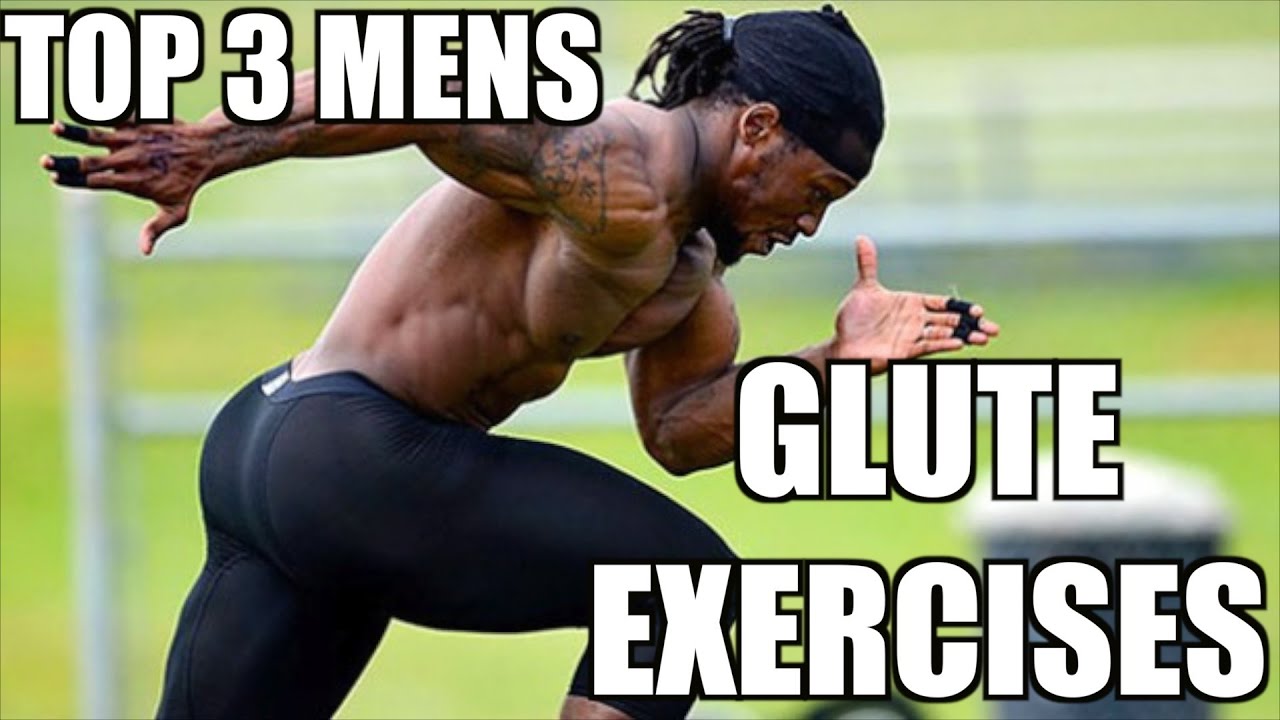
A strong, muscular glute is not just for athletes and bodybuilders. Today, more men are training their glutes—the muscles in the buttocks—because they help with power, stability, and even posture. The glutes play a big role in running, jumping, lifting, and daily movement. But many gym routines skip them or train them with weak exercises. If you want a more athletic, powerful lower body, or simply want to improve your appearance and confidence, you need a focused male glute workout.
You may think glute workouts are only for women or for aesthetics. That is a myth. For men, strong glutes reduce back pain, boost sports performance, and help prevent injuries. This article will explain the best male glute workout strategies, top exercises, how to build a routine, and tips for faster results.
You’ll also find tables comparing exercise difficulty and muscle activation, plus answers to common questions. Whether you’re a beginner or want to upgrade your training, you’ll find practical advice and science-backed guidance.
Why Glute Training Matters For Men
Many men focus on arms, chest, or abs. But the glutes are the largest muscles in the body, and they are essential for movement and power. Here are the main benefits:
- Improved athletic performance: Strong glutes help with sprinting, jumping, and lifting.
- Better posture: Glutes stabilize the pelvis, which prevents slouching.
- Reduced lower back pain: Weak glutes force the lower back to work harder, leading to injuries.
- Injury prevention: Glutes protect knees, hips, and spine by supporting movement.
- Body aesthetics: Well-developed glutes give a balanced, muscular look.
Most men don’t realize that glute weakness is often behind tight hips, lower back pain, and poor sports results. Even if you don’t play sports, strong glutes improve daily movement and support overall fitness.
Anatomy Of The Male Glutes
Understanding the anatomy helps you target the right muscles. The glutes are made up of three main parts:
- Gluteus maximus: The largest, most powerful muscle. It gives the butt shape and helps with hip extension (moving your leg backward).
- Gluteus medius: Sits on the side of the hip. It stabilizes your pelvis and helps move your leg sideways.
- Gluteus minimus: The smallest, deep inside the hip. It helps stabilize and rotate the leg.
Training all three glute muscles is key. Most exercises focus on the gluteus maximus, but the medius and minimus are important for balance and injury prevention. If you only train one part, you risk muscle imbalances.
Credit: www.youtube.com
Common Mistakes In Male Glute Training
Many men make mistakes that limit their glute development. Here are the most frequent errors:
- Neglecting glute-specific exercises: Squats and deadlifts work the glutes, but you need targeted moves for full growth.
- Using poor technique: Bad form reduces glute activation and increases injury risk.
- Skipping single-leg exercises: These boost stability and target the glute medius and minimus.
- Not increasing resistance: Glutes respond to heavy loads. Training too light won’t build muscle.
- Ignoring mind-muscle connection: You must focus on squeezing and contracting the glutes during exercises.
Beginners often miss that glute activation is not automatic. Without attention, other muscles may take over. For maximum results, you need to feel the glutes working during every rep.
The Best Male Glute Exercises
If you want strong, muscular glutes, you need the right exercises. Here are the most effective moves, ranked by muscle activation and difficulty.
| Exercise | Main Muscle Target | Difficulty | Equipment |
|---|---|---|---|
| Barbell Hip Thrust | Gluteus Maximus | High | Barbell, Bench |
| Bulgarian Split Squat | Gluteus Maximus, Medius | High | Dumbbells, Bench |
| Glute Bridge | Gluteus Maximus | Medium | Bodyweight/Barbell |
| Walking Lunges | Gluteus Maximus, Medius | Medium | Dumbbells |
| Step Ups | Gluteus Maximus, Medius | Medium | Bench, Dumbbells |
| Romanian Deadlift | Gluteus Maximus, Hamstrings | High | Barbell/Dumbbells |
| Cable Kickbacks | Gluteus Maximus | Low | Cable Machine |
| Side-Lying Clamshell | Gluteus Medius, Minimus | Low | Band (optional) |
| Frog Pumps | Gluteus Maximus | Low | Bodyweight |
Barbell Hip Thrust
This is the top exercise for glute activation. You sit with your upper back on a bench, feet flat, and roll a barbell over your hips. Push your hips up, squeeze your glutes at the top, then lower. The hip thrust works the gluteus maximus more than squats or deadlifts.
Bulgarian Split Squat
Stand with one foot behind you on a bench, the other on the floor. Lower your body until your front thigh is parallel to the ground, then push back up. This move targets the gluteus maximus and medius, and challenges balance.
Glute Bridge
Lie on your back, feet flat. Push your hips up, squeeze your glutes, and lower. You can use bodyweight or add a barbell for more resistance. It’s a good starter exercise.
Walking Lunges
Take long steps forward, lowering your body with each step. Lunges train glutes, quads, and hamstrings and improve stability.
Step Ups
Step onto a bench or platform with one leg, drive through your heel, and stand up. Step back down and repeat. Great for unilateral strength and glute activation.
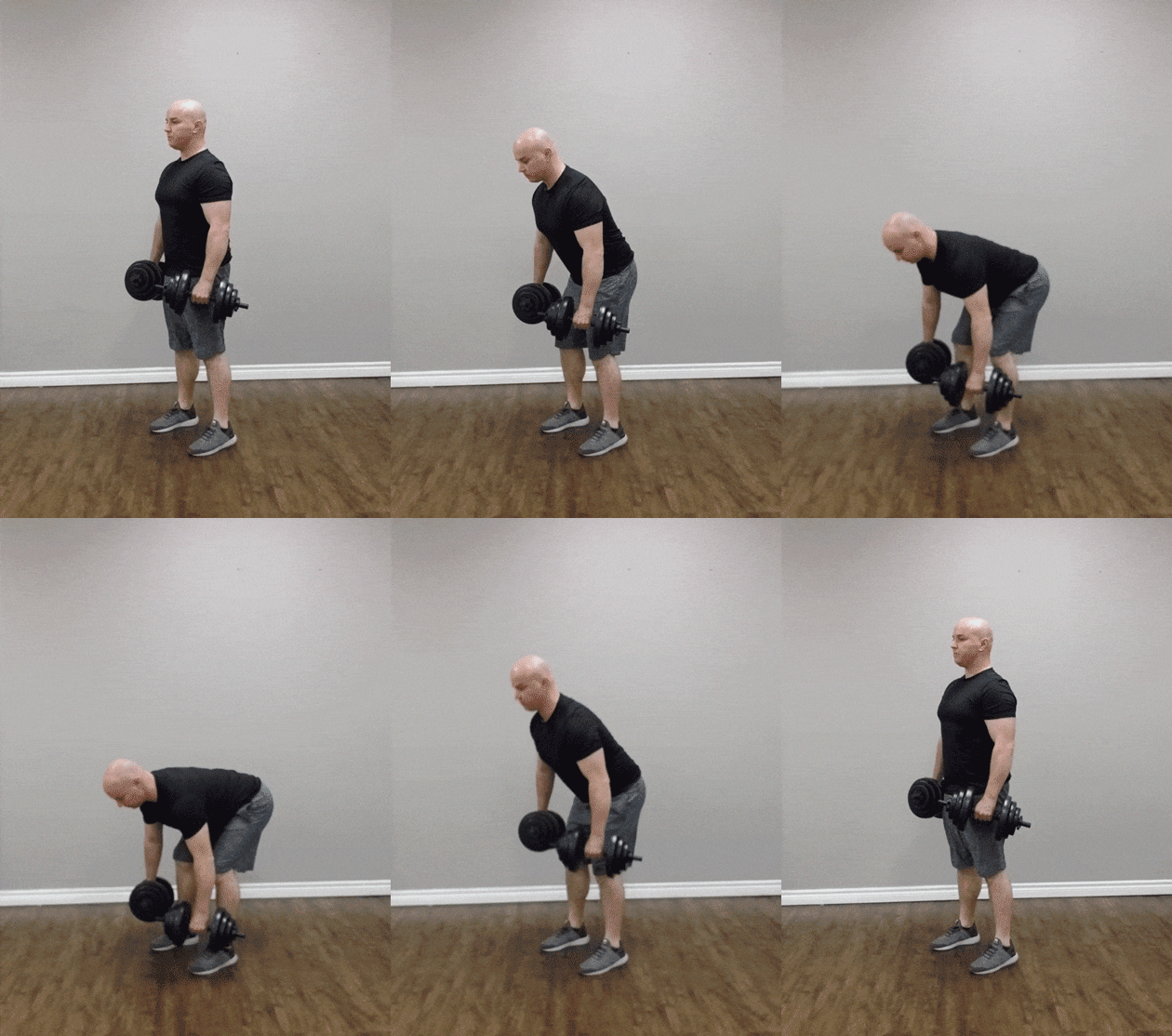
Romanian Deadlift
With a slight knee bend, hinge at the hips, lowering a barbell or dumbbells. Keep your back straight, then return to standing. It works glutes and hamstrings.
Cable Kickbacks
Attach an ankle strap to a cable machine. Kick your leg back, focusing on squeezing the glute. This isolates the gluteus maximus.
Side-lying Clamshell
Lie on your side, knees bent. Open your knees while keeping your feet together. This move targets the gluteus medius and minimus, and helps prevent hip and knee injuries.
Frog Pumps
Lie on your back, soles of feet together, knees apart. Pump your hips up and down quickly, squeezing your glutes. It’s simple but burns out the muscles.
Credit: sunnyhealthfitness.com
Building An Effective Male Glute Workout Routine
To see results, you need a structured routine. Here’s how to build a plan:
- Choose 4–6 exercises per session: Pick a mix of compound (multi-joint) and isolation exercises.
- Train 2–3 times per week: Glutes recover quickly, so frequent training works best.
- Use 8–15 reps per set: This range builds size and strength.
- Perform 3–5 sets per exercise: More sets mean more stimulus.
- Rest 60–90 seconds between sets: This keeps intensity high.
A sample glute workout for men:
- Barbell Hip Thrust: 4 sets x 10 reps
- Bulgarian Split Squat: 3 sets x 12 reps (each leg)
- Glute Bridge: 3 sets x 15 reps
- Romanian Deadlift: 4 sets x 8 reps
- Side-Lying Clamshell: 3 sets x 20 reps (each side)
You can add walking lunges or step ups for variety. For advanced lifters, increase resistance or add bands for extra challenge.
How To Progress Glute Training
Progression is key. If you repeat the same routine without changes, your glutes will stop growing. Here’s how to get better results:
- Increase weight: Add more weight to hip thrusts, squats, or deadlifts.
- Add reps or sets: Do more repetitions or sets as you get stronger.
- Slow down the movement: Pause at the top, lower slowly, or add tempo for more muscle activation.
- Use resistance bands: Bands add tension, especially for glute bridges or clamshells.
- Try new exercises: Change your routine every few weeks to shock the muscles.
A non-obvious insight: Many men overlook tempo training. Slowing down the lowering phase (eccentric) increases glute muscle activation. Another tip: For hip thrusts, pause for 2–3 seconds at the top for maximum squeeze.
Advanced Male Glute Training Techniques
If you want to build bigger, stronger glutes, try these advanced techniques:
- Drop sets: After finishing your main set, reduce weight and keep going until failure.
- Supersets: Pair two glute exercises back-to-back with no rest.
- Pyramid sets: Increase weight each set, then decrease.
- Isometric holds: Hold the contraction at the top of a hip thrust or bridge for 10–20 seconds.
You can also combine glute training with sprinting or plyometrics (jumping exercises) to boost power. For example, after hip thrusts, do explosive jump squats.
Comparing Glute Exercise Muscle Activation
Different exercises activate the glutes in different ways. Here’s a simple comparison:
| Exercise | Glute Maximus (%) | Glute Medius (%) | Glute Minimus (%) |
|---|---|---|---|
| Hip Thrust | 90 | 25 | 15 |
| Bulgarian Split Squat | 75 | 60 | 30 |
| Glute Bridge | 80 | 30 | 20 |
| Side-Lying Clamshell | 15 | 85 | 60 |
This shows why you should combine hip thrusts (for gluteus maximus) and clamshells (for medius/minimus). Beginners often miss that training only one exercise leaves parts of the glute underdeveloped.
Glute Training For Different Goals
Glute training is not one-size-fits-all. Choose your exercises and routine based on your goals:
Athletic Performance
Focus on hip thrusts, Romanian deadlifts, and jump squats. These build explosive strength and speed. Use heavy weights and lower reps (6–8).
Muscle Growth
Pick compound movements like hip thrusts and Bulgarian split squats. Use moderate weight, higher reps (10–15), and lots of sets.
Injury Prevention
Include side-lying clamshells, step ups, and single-leg glute bridges. These build stability and balance, reducing risk.
Fat Loss
Combine glute exercises with cardio. Try circuit training—move quickly between exercises with little rest. This burns calories and shapes the glutes.
Nutrition For Glute Growth
Training is only half the battle. To grow glute muscles, you need the right nutrition.
- Protein: Aim for 1.6–2.2 grams per kg of bodyweight. Protein builds and repairs muscles.
- Carbohydrates: Fuel your workouts and recovery. Choose whole grains, fruits, and vegetables.
- Healthy fats: Support hormone production and energy.
- Hydration: Drink plenty of water to keep muscles working.
A practical tip: Eat a protein-rich meal or shake within 30–60 minutes after your workout. This helps muscle recovery.
Rest And Recovery For Glutes
Muscle growth happens during rest, not just during workouts. Here’s how to recover:
- Sleep: Aim for 7–9 hours each night. Poor sleep slows muscle growth.
- Active recovery: Light walking, stretching, or yoga helps blood flow.
- Foam rolling: Roll the glutes and hips after training to reduce soreness.
- Rest days: Don’t train glutes every day. Allow 48 hours between hard sessions.
A common mistake: Training glutes too often without rest. This leads to fatigue and poor results.
Male Glute Workout For Home
You don’t need a gym to build strong glutes. Here’s a home routine:
- Glute Bridge: 4 sets x 15 reps
- Bulgarian Split Squat: 3 sets x 12 reps (each leg)
- Side-Lying Clamshell: 3 sets x 20 reps (each side)
- Frog Pumps: 3 sets x 25 reps
- Step Ups (stairs): 3 sets x 12 reps (each leg)
Use resistance bands or household weights to make exercises harder. Focus on squeezing the glutes in every rep.
How Long Does It Take To See Results?
Most men want fast results, but glute development takes time. You’ll notice:
- Initial strength gains: In 2–4 weeks, you’ll feel stronger and more stable.
- Muscle growth: Visible changes often appear after 8–12 weeks of consistent training.
- Performance boost: Running, jumping, and lifting improve within 4–6 weeks.
A non-obvious insight: Progress is faster if you use mind-muscle connection. Focus on squeezing the glutes during each rep. Many people skip this, slowing their results.
Glute Training Myths For Men
There are several myths about glute workouts:
- Myth 1: Glute training is only for women. In reality, men need strong glutes for sports, health, and appearance.
- Myth 2: Squats alone are enough. While squats are good, they don’t fully activate all parts of the glutes.
- Myth 3: Glute workouts will make you bulky. Glute training shapes your body but doesn’t cause unwanted size.
- Myth 4: You must use heavy weights. Bodyweight and resistance bands can be effective.
- Myth 5: Glute training is boring. Mixing exercises and routines keeps it fun and challenging.
Understanding these myths helps you avoid mistakes and stay motivated.

Credit: www.youtube.com
Glute Training For Older Men
Older men can benefit from glute workouts, too. Strong glutes improve balance and prevent falls. Here’s how to train safely:
- Use lighter weights: Focus on good form and control.
- Include balance exercises: Step ups, single-leg bridges, and clamshells.
- Stretch and warm up: Loosen hips and lower back before training.
- Rest more: Allow extra recovery time.
A tip: If you have joint issues, avoid deep squats or heavy lunges. Choose glute bridges and clamshells instead.
Tracking Glute Progress
To stay motivated, track your progress. Here’s how:
| Method | What It Measures | Frequency |
|---|---|---|
| Strength Tests | Weight lifted for hip thrusts/squats | Every 2 weeks |
| Photos | Muscle shape and size | Monthly |
| Tape Measurement | Hip/glute circumference | Monthly |
| Performance | Running, jumping, or sports ability | Quarterly |
A practical tip: Take photos from the same angle and lighting for accurate comparison. Beginners often miss tracking, so they don’t see their progress.
Glute Training And Sports Performance
Strong glutes are vital for sports. Here’s how they help:
- Sprint speed: Glutes power forward movement.
- Jump height: Glutes push the body upward.
- Change of direction: Glutes stabilize hips for quick turns.
Professional athletes train glutes with hip thrusts, sprints, and plyometrics. Even if you play recreational sports, glute strength improves performance and reduces injury risk.
Male Glute Workout For Beginners
If you’re new, start with easy moves and build up. Here’s a beginner plan:
- Glute Bridge: 3 sets x 12 reps
- Side-Lying Clamshell: 3 sets x 15 reps (each side)
- Step Ups: 3 sets x 10 reps (each leg)
- Walking Lunges: 3 sets x 10 reps (each leg)
Focus on good form. Don’t rush. As you get stronger, add Bulgarian split squats and hip thrusts.
Tips For Faster Glute Results
Want to speed up your progress? Use these tips:
- Focus on the squeeze: Pause at the top of each rep.
- Use full range of motion: Lower fully and lift fully.
- Try resistance bands: Bands add tension.
- Change angles: Train glutes from different directions.
- Eat enough protein: Helps muscle growth.
A non-obvious insight: Training glutes after a warm-up (like light cardio or dynamic stretches) activates them better. Cold muscles don’t work as hard.
Glute Training For Men With Desk Jobs
Sitting for hours weakens the glutes. If you have a desk job, do these:
- Stand up every hour: Walk or stretch.
- Mini glute bridges: Do 10–15 reps every break.
- Use a standing desk: If possible, alternate sitting and standing.
A tip: Tight hip flexors from sitting can turn off your glutes. Stretch hips daily to improve activation.
Injury Prevention During Glute Workouts
Glute training is safe, but poor form can cause injuries. Here’s how to avoid them:
- Warm up: Do dynamic stretches for hips and legs.
- Use good technique: Keep your back straight, knees aligned.
- Start light: Increase weight slowly.
- Listen to your body: Stop if you feel pain, not just soreness.
A practical tip: For hip thrusts, use a pad or towel to protect your hips from the barbell.
Combining Glute Training With Other Workouts
Glute exercises fit well with other routines. You can:
- Add glute moves to leg day.
- Do glute training after cardio.
- Use glute activation before squats or deadlifts.
A tip: Don’t train glutes right before heavy squats, as they may be fatigued.
Popular Glute Training Programs
Several programs focus on glute strength:
- StrongLifts 5x5: Includes squats and deadlifts, good for overall strength.
- Athlean-X: Features glute activation drills.
- Bret Contreras’ Glute Lab: Specializes in hip thrusts and glute science.
You can mix ideas from these programs into your routine. For more science-backed info, see NIH PubMed.
Frequently Asked Questions
What Is The Best Glute Exercise For Men?
The barbell hip thrust is the top exercise for glute activation and muscle growth. It targets the gluteus maximus and is proven to build strength and size faster than squats or lunges.
How Often Should Men Train Glutes?
Train glutes 2–3 times per week. This gives enough stimulus for muscle growth without overtraining. Allow at least 48 hours between hard sessions.
Can I Build Glutes Without Weights?
Yes, you can. Use bodyweight exercises like glute bridges, frog pumps, and step ups. Resistance bands add challenge. Progress by increasing reps or sets.
Will Glute Training Improve Sports Performance?
Absolutely. Strong glutes boost sprint speed, jump height, and stability. They protect against injuries and enhance movement in sports like soccer, basketball, and running.
How Long Does It Take To See Glute Results?
You’ll notice strength gains in 2–4 weeks and visible muscle growth after 8–12 weeks of consistent training, nutrition, and rest.
A focused male glute workout is not just about looks—it’s about health, power, and confidence. With the right exercises, routine, nutrition, and recovery, you’ll build glutes that support your goals for years to come. Start today, track your progress, and enjoy the benefits of a strong lower body.
