

Glute Only Workout: Sculpt Stronger, Rounder Glutes Fast
Glute Only Workout: Build Strong, Sculpted Glutes With Focused Training
Most people want a firm, lifted, and strong backside—not just for looks, but for better athletic performance and daily movement. But what if you don’t want bigger thighs or bulkier legs? What if you want to target your glutes and make them the star? A glute only workout is the answer. This training style focuses on building your glutes while keeping other muscles, like your quads and hamstrings, less involved. Let’s break down how you can build your best glutes, why this matters, and what to avoid if you want true progress.
Why Focus On Glutes Only?
The gluteal muscles—gluteus maximus, gluteus medius, and gluteus minimus—are the largest and strongest muscles in your body. When trained well, they boost power, balance, and posture. But many standard leg exercises, like squats or lunges, also work your thighs. Over time, this can lead to big quads or hamstrings, which isn’t everyone’s goal.
A glute only workout lets you:
- Target the glutes for better shape and lift
- Reduce unwanted thigh muscle growth
- Improve hip stability and lower back health
- Enhance athletic movements like jumping and sprinting
Many people, especially women, want a rounder glute shape without adding bulk to their legs. Others want to fix muscle imbalances or recover from injury. Focusing on glutes can give you both looks and function.
Understanding Your Glute Muscles
Before you start, it’s helpful to know what you’re working with. Your glutes are not just one muscle.
| Muscle | Main Function | Location |
|---|---|---|
| Gluteus Maximus | Hip extension, outward rotation | Main bulk of the buttocks |
| Gluteus Medius | Hip abduction, pelvis stabilization | Upper outer part of the buttocks |
| Gluteus Minimus | Hip abduction, inward rotation | Under gluteus medius |
Most glute only workouts focus on the gluteus maximus for size and power, but the medius and minimus are key for side shape and balance.
Common Mistakes When Training Glutes
Many people do not see results because they make these mistakes:
- Using too much weight: Heavy squats and deadlifts grow your legs as much as your glutes.
- Wrong exercise selection: Not all butt exercises isolate the glutes.
- Bad form: Improper technique shifts tension to thighs or lower back.
- Not activating glutes: If your glutes are “sleepy,” other muscles take over.
- No mind-muscle connection: Rushing reps without feeling the glutes work.
A glute only workout avoids these problems by choosing the right moves and focusing on muscle activation.
Essential Principles Of A Glute Only Workout
Getting results means more than just doing a few hip thrusts and waiting for change. Here are the principles that set a glute only workout apart:
1. Isolation Over Compound
Choose exercises that work the glutes without heavy quad or hamstring involvement. For example, hip thrusts and kickbacks are better than squats for this goal.
2. Proper Activation
Warm up with glute activation drills—like clamshells or banded walks—so the glutes fire during your main workout.
3. Full Range Of Motion
Stretch and squeeze the glutes through every rep. Partial reps limit growth and shape.
4. Progressive Overload
Gradually increase resistance, reps, or sets over time. Even with bodyweight, you can slow the tempo or add bands for more challenge.
5. High-quality Reps
Focus on feeling your glutes, not just moving the weight. Slow, controlled reps with a pause at the top are more effective than fast, sloppy movements.
The Best Glute Only Exercises
Some exercises claim to target the glutes, but only a few truly isolate them. Here’s a detailed breakdown of the best choices, including variations for all levels.
1. Hip Thrust
This is the king of glute moves. Sit on the floor with your upper back against a bench, knees bent, feet flat. Drive your hips up, squeezing the glutes at the top. Lower slowly.
- Tip: Point your toes out slightly and keep shins vertical to avoid quad takeover.
- Variation: Use a barbell, dumbbell, or resistance band for more challenge.
2. Glute Bridge
Similar to hip thrusts but shoulders stay on the floor. Great for beginners or high-rep burnout sets.
- Tip: Use a mini-band above your knees for extra activation.
- Common mistake: Overarching your back—focus on glute squeeze, not lower back.
3. Cable Kickback
Attach an ankle strap to a low cable. Stand facing the machine and kick one leg back and up, keeping the knee slightly bent.
- Tip: Pause at the top for a stronger contraction.
- Variation: Use a resistance band at home.
4. Frog Pump
Lie on your back, soles of feet together, knees out wide. Thrust hips upward, pushing through the sides of your feet.
- Why it works: The foot position reduces quad use and maximizes glute squeeze.
5. Banded Lateral Walk
Place a resistance band above your knees or ankles. Step sideways, keeping tension on the band, and stay low.
- Targets: Gluteus medius and minimus—key for side shape.
6. Single-leg Hip Thrust
Perform the hip thrust with one leg elevated. This isolates each glute and improves stability.
- Tip: Don’t let your hips twist; keep your core braced.
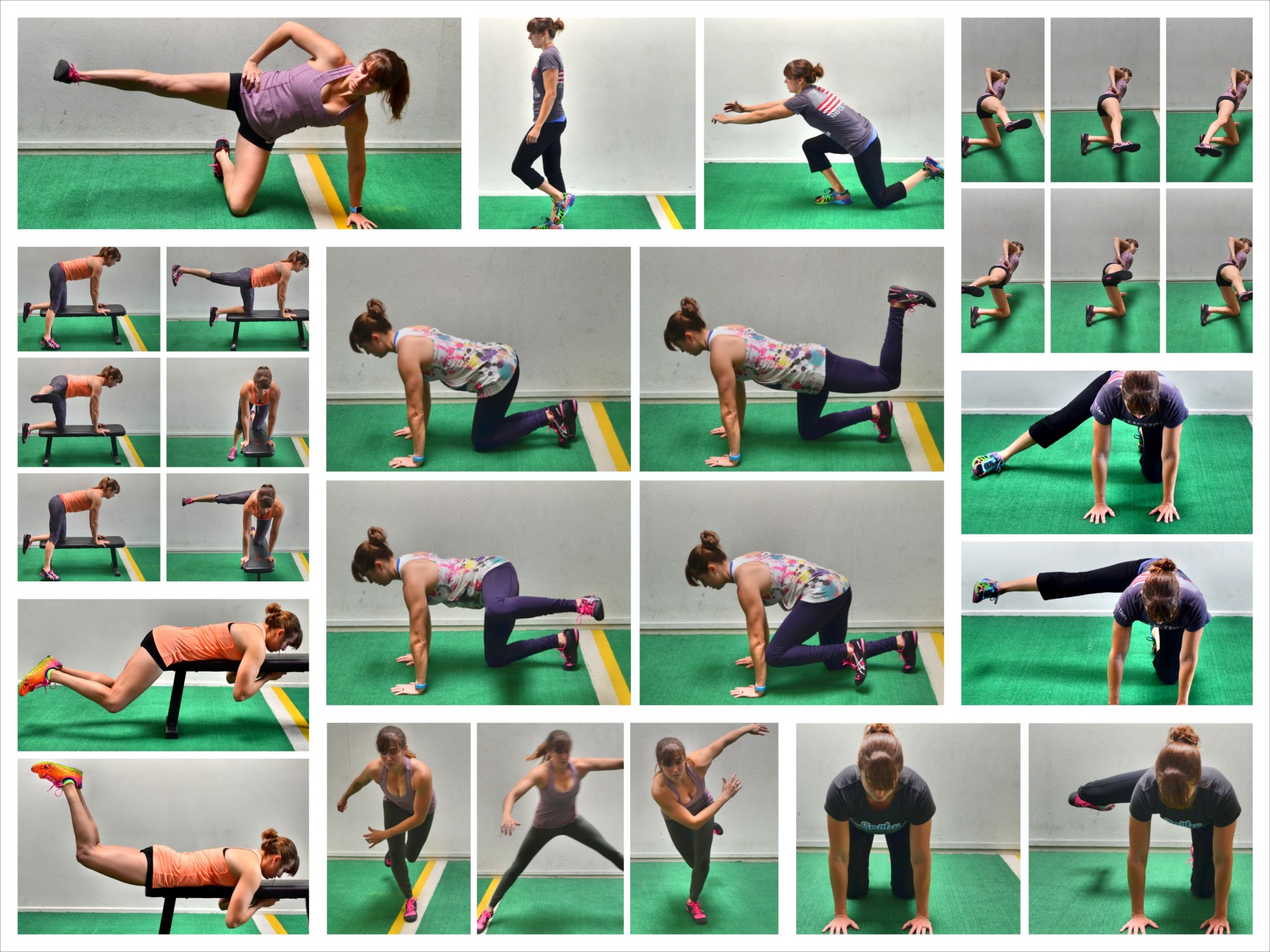
7. Quadruped Donkey Kick
On hands and knees, lift one leg up and back, keeping the knee bent. Focus on squeezing the glute, not arching your back.
- Variation: Add ankle weights or a mini-band.
8. Standing Cable Abduction
Stand side-on to a low cable. Strap the outside ankle and lift your leg out to the side.
- Tip: Keep your core tight and move slowly.
9. Clamshell
Lie on your side with knees bent and feet together. Open your top knee up like a clamshell, keeping feet touching.
- Why it matters: This exercise is great for activation, especially before heavier work.
10. Reverse Hyperextension
Lie face down on a bench or machine, hips at the edge. Lift both legs up behind you, squeezing your glutes at the top.
- Tip: Avoid swinging; use slow, controlled motion.
11. Step-up (glute Focused)
Use a low box. Place one foot on the box, lean forward slightly, and drive up through your heel.
- Tip: Keep the working shin vertical and push your hips back.
12. Glute Bridge March
In the bridge position, alternate lifting each foot off the floor, keeping hips high.
- Targets: Both glute max and medius, plus core stability.
Sample Glute Only Workout Routines
Let’s put the exercises together into real routines. These programs fit most levels and can be done at home or the gym.
Beginner Routine (bodyweight Only)
- Banded Lateral Walk – 3 sets x 20 steps per side
- Glute Bridge – 4 sets x 15 reps
- Clamshell – 3 sets x 15 reps per side
- Frog Pump – 3 sets x 20 reps
- Quadruped Donkey Kick – 3 sets x 15 reps per side
Rest: 30–45 seconds between sets.
Intermediate Routine (bands/dumbbells)
- Hip Thrust (dumbbell or barbell) – 4 sets x 12 reps
- Cable Kickback (or banded) – 3 sets x 15 reps per side
- Single-Leg Hip Thrust – 3 sets x 10 reps per side
- Banded Lateral Walk – 3 sets x 20 steps per side
- Reverse Hyperextension – 3 sets x 15 reps
Rest: 45–60 seconds between sets.
Advanced Routine (gym Equipment)
- Barbell Hip Thrust – 5 sets x 8–10 reps
- Weighted Frog Pump – 3 sets x 20 reps
- Standing Cable Abduction – 3 sets x 12 reps per side
- Step-Up (holding dumbbells) – 4 sets x 12 reps per side
- Glute Bridge March – 3 sets x 20 reps
Rest: 60–90 seconds between sets.
Pro insight: Most people don’t progress glute exercises as fast as squats or deadlifts. Small increases in weight or reps can be enough to keep growing.

Credit: www.youtube.com
How Often Should You Train Glutes?
You might wonder: “How many times a week should I do a glute only workout?” The sweet spot for most people is 2–3 times per week. This frequency balances muscle growth and recovery.
Why not train every day? Glutes need time to recover and grow. Overworking can lead to soreness, less muscle growth, or even injury.
Here’s a sample weekly schedule:
| Day | Workout |
|---|---|
| Monday | Glute Only Workout |
| Tuesday | Active Recovery or Upper Body |
| Wednesday | Glute Only Workout |
| Thursday | Active Recovery or Cardio |
| Friday | Glute Only Workout |
| Saturday | Optional Light Cardio or Rest |
| Sunday | Rest |
Non-obvious insight: Many people forget that walking, cycling, and even standing up from a chair also work your glutes. If you have a very active lifestyle, you might need fewer dedicated workouts.
How To Maximize Glute Growth Without Growing Your Legs
Here’s how to make sure your glutes grow more than your quads or hamstrings:
- Use glute isolation moves (see exercise list above). Avoid deep squats, lunges, and leg presses if you don’t want bigger thighs.
- Mind your stance: When using weights, keep your feet slightly wider and toes pointed out. This helps shift tension to glutes.
- Limit quad/hamstring overload: Don’t add heavy weights to step-ups or bridges until you feel your glutes can handle the load.
- Focus on the squeeze: At the top of each rep, pause and contract your glutes as hard as you can.
- Control the lowering phase: Slowly lower the weight. Eccentric control helps shape the muscle.
Advanced tip: For even less quad involvement, use heel-elevated or frog-foot positions during thrusts. Most beginners miss this trick and end up working their thighs.
Equipment For Glute Only Workouts
You don’t need a fancy gym, but some simple tools can help you get better results.
At Home
- Mini-bands or resistance bands: Great for activation and high-rep sets.
- Dumbbells or kettlebells: For extra resistance in hip thrusts or bridges.
- Bench or sturdy chair: Needed for hip thrusts and step-ups.
- Ankle weights: Useful for donkey kicks or side abductions.
At The Gym
- Barbell and plates: For heavy hip thrusts.
- Smith machine: Provides support for single-leg moves.
- Cable machine: Allows controlled kickbacks and abductions.
- Reverse hyper machine: Special tool for glute isolation.
Buying mistake to avoid: Many people buy ankle weights that are too light. For real progress, get adjustable weights up to 10 lbs each.
Warm-up And Glute Activation
Skipping warm-up is a big mistake. Cold muscles don’t contract well and can get injured. Spend 5–10 minutes on glute activation before your main workout.
Sample warm-up:
- Bodyweight glute bridge – 2 sets x 15 reps
- Clamshell – 2 sets x 15 reps per side
- Banded lateral walk – 2 sets x 20 steps per side
Insight: If you cannot feel your glutes working during the warm-up, add more reps or use a tighter band.
Recovery And Nutrition For Glute Growth
You can train perfectly, but if you don’t recover well, your results will stall.
Rest
- Get at least 7–8 hours of sleep per night. Muscles grow during rest, not during workouts.
- Take at least 1–2 days off heavy glute work each week.
Nutrition
- Eat enough protein—aim for at least 0.7 grams per pound of body weight.
- Don’t cut calories too hard. Glutes need energy to grow.
- Healthy fats (like avocado and nuts) support hormone balance for muscle repair.
Hidden insight: Many women under-eat, thinking they’ll “get bulky.” In reality, under-eating stops glute growth and slows progress.
Tracking Progress And Adjusting Your Plan
How do you know your glute only workout is working? You need real feedback.
Measurements
- Use a soft tape to measure the fullest part of your glutes every 3–4 weeks.
- Take photos from the side and back under the same lighting.
Strength And Feel
- Track the weight and reps for each glute exercise.
- Notice if you feel more glute activation and less quad fatigue over time.
Adjusting The Plan
- If you stop seeing progress, increase the resistance, add a set, or slow the tempo.
- If you start feeling your quads or hamstrings getting bigger, switch to more isolation moves.

Credit: www.afvt.org
Glute Only Workout For Different Goals
Your starting point matters. Here’s how to adjust the glute only workout for your needs.
For Beginners
- Focus on bodyweight moves and high reps.
- Learn to feel your glutes before adding weight.
- Start with 2 workouts per week.
For Fat Loss
- Pair glute only workouts with cardio or HIIT.
- Keep rest periods short (30–45 seconds) to burn more calories.
- Don’t cut calories too low; glutes still need fuel.
For Muscle Gain
- Use heavier weights and lower reps (8–12 per set).
- Rest longer (60–90 seconds) for full recovery.
- Add extra sets (up to 5 per exercise) for more volume.
For Injury Recovery
- Focus on activation and control, not heavy weights.
- Avoid deep stretching or ballistic moves.
- Work with a professional if you have hip or back pain.
Cardio And Glute Only Training
Some cardio moves can actually build your glutes, while others can shrink them.
- Stair climbing: Great for glutes, as long as you push through your heels.
- Incline treadmill walk: Works glutes more than running flat.
- Sprinting: Builds power and roundness, but avoid if you want no thigh growth.
- Cycling or running: Can make your glutes smaller if overdone.
Pro tip: Limit long-distance running if your main goal is bigger glutes.
Credit: redefiningstrength.com
How Long Until You See Results?
Most people want to know, “When will I see a rounder, stronger butt? ” The answer depends on your starting point, genetics, and how well you follow the plan.
- Beginners: Notice changes in 6–8 weeks with consistent training.
- Intermediate/advanced: Visible shape change in 8–12 weeks, but strength can improve faster.
- Key factor: Muscle growth takes time—don’t quit after 2 weeks if you don’t see results.
Unexpected insight: Sometimes, your glutes get “harder” and more lifted before they get much bigger. This means you’re on the right track.
Safety Tips And Injury Prevention
A glute only workout is safe if you follow a few rules:
- Warm up properly every time.
- Don’t let your lower back arch too much during hip thrusts or bridges.
- If you feel pain (not just muscle burn), stop and check your form.
- Gradually increase weight—don’t jump from bodyweight to heavy barbells.
- Stretch your hip flexors after each workout to keep your pelvis balanced.
Real-life Success Stories
Many people have improved their glutes without growing their legs. For example, some figure competitors and dancers use glute only workouts to build a shapely backside. Personal trainers often help clients fix muscle imbalances or reduce back pain by focusing on glute activation.
A common story: “I always did squats and lunges but never saw a change. Once I switched to hip thrusts, frog pumps, and banded walks, my glutes finally grew and my legs stayed lean.”
Comparing Glute Only Workouts To Traditional Leg Training
Here’s how a glute only workout stacks up against standard leg routines:
| Training Style | Main Muscles Worked | Best For | Drawbacks |
|---|---|---|---|
| Glute Only Workout | Glutes, minimal quads/hamstrings | Glute shape, less thigh growth | May neglect other leg muscles if not balanced |
| Traditional Leg Day | Glutes, quads, hamstrings, calves | Overall leg size and strength | More thigh growth, less focus on glutes |
Frequently Asked Questions
How Long Should A Glute Only Workout Take?
Most glute only workouts last 30–50 minutes, including warm-up and stretching. Quality matters more than time. Make sure you feel your glutes working every set.
Will Glute Only Workouts Make My Thighs Bigger?
No, if you stick to isolation exercises and avoid heavy squats or lunges. Proper technique and exercise choice are key. If you notice more thigh growth, adjust your routine to include more glute-focused moves.
Can I Do Glute Only Workouts At Home?
Yes. Many effective glute exercises use just your body weight, resistance bands, or simple dumbbells. Moves like hip thrusts, bridges, frog pumps, and banded walks can be done in small spaces.
Do I Need To Lift Heavy Weights For Glute Growth?
Not always. You can build glutes with lighter weights and high reps, especially if you focus on muscle squeeze and slow reps. But for maximum growth, add resistance over time.
Where Can I Find More Research About Glute Training?
You can check the National Strength and Conditioning Association’s articles for science-backed information: NSCA Glute Training.
A glute only workout is one of the best ways to build a strong, round, and powerful backside while keeping your legs lean. With the right exercises, smart training, and patience, you’ll see real results—and feel better in everyday life.
Start today, and let your glutes do the talking.
