

Is Tricep Workout Push Or Pull? The Ultimate Guide Explained
Is Tricep Workout Push Or Pull
When you start working out, you quickly notice that some exercises feel very different from others. You might hear people at the gym talk about “push” days and “pull” days. But when it comes to the triceps, things can get confusing.
Is a tricep workout a push or a pull? This question matters because understanding it helps you plan your workouts, avoid injuries, and get better results. Let’s explore what makes an exercise a push or a pull, how the triceps fit in, and why this knowledge can change the way you train.
Understanding Push And Pull Movements
To answer the main question, we first need to understand what push and pull mean in the fitness world. These two terms describe how your muscles move a weight or your body.
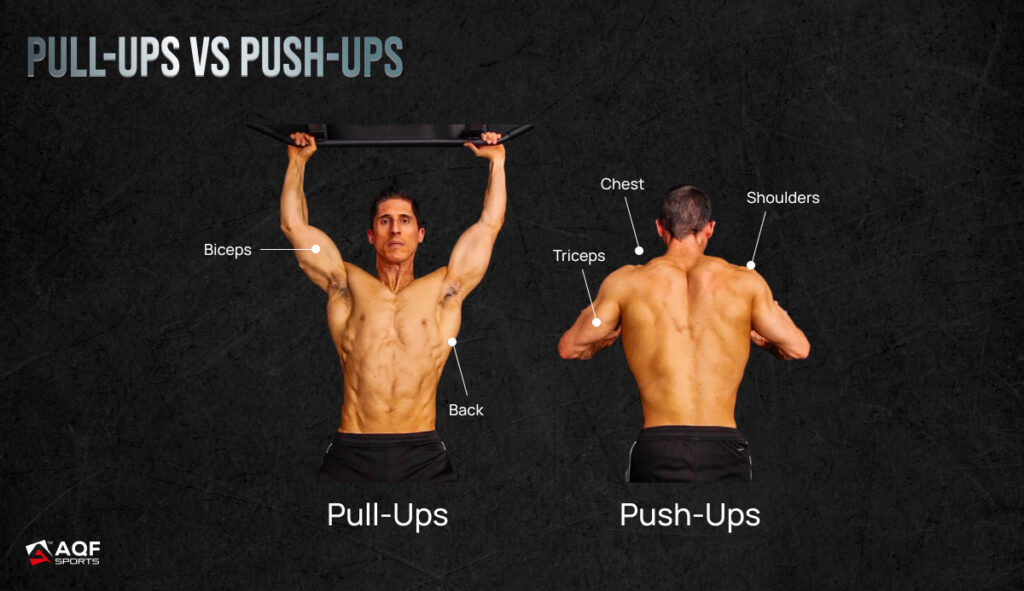
Push exercises involve moving a weight away from your body or pushing your body away from something. The main muscles used are usually on the front side of your body: chest, shoulders, and triceps.
Pull exercises involve bringing a weight toward your body or pulling your body toward something. The main muscles here are often on the back side: back, biceps, and rear shoulders.
Think about a push-up. You push your body away from the floor using your chest, shoulders, and triceps. In a pull-up, you pull your body up using your back and biceps. It’s the direction of force and the primary muscles used that decide if an exercise is push or pull.
The Anatomy Of The Triceps
The triceps brachii, often just called triceps, is a muscle on the back of your upper arm. It has three parts, called “heads”: the long head, lateral head, and medial head. All three join at the elbow, and their main job is to straighten your arm.
Here’s why the triceps are important:
- They help you push objects away from your body.
- They help stabilize your shoulder joint.
- They support movements like pushing yourself up from a chair or doing a push-up.
When you extend your arm, your triceps contract. When you bend your arm, they relax and your biceps take over. This relationship is key to understanding push and pull.
Credit: uk.aqfsports.com
Are Tricep Workouts Push Or Pull?
To keep it simple: tricep workouts are push exercises. This is because any movement that works your triceps involves pushing. When you do a tricep extension, bench press, or dip, you are straightening your arm and pushing against resistance.
Some people get confused because the triceps are on the back of the arm. But their function is what matters, not their location. If the main motion is extending (straightening) the elbow against resistance, it’s a push.
Let’s look at a few common tricep exercises and see why they are push:
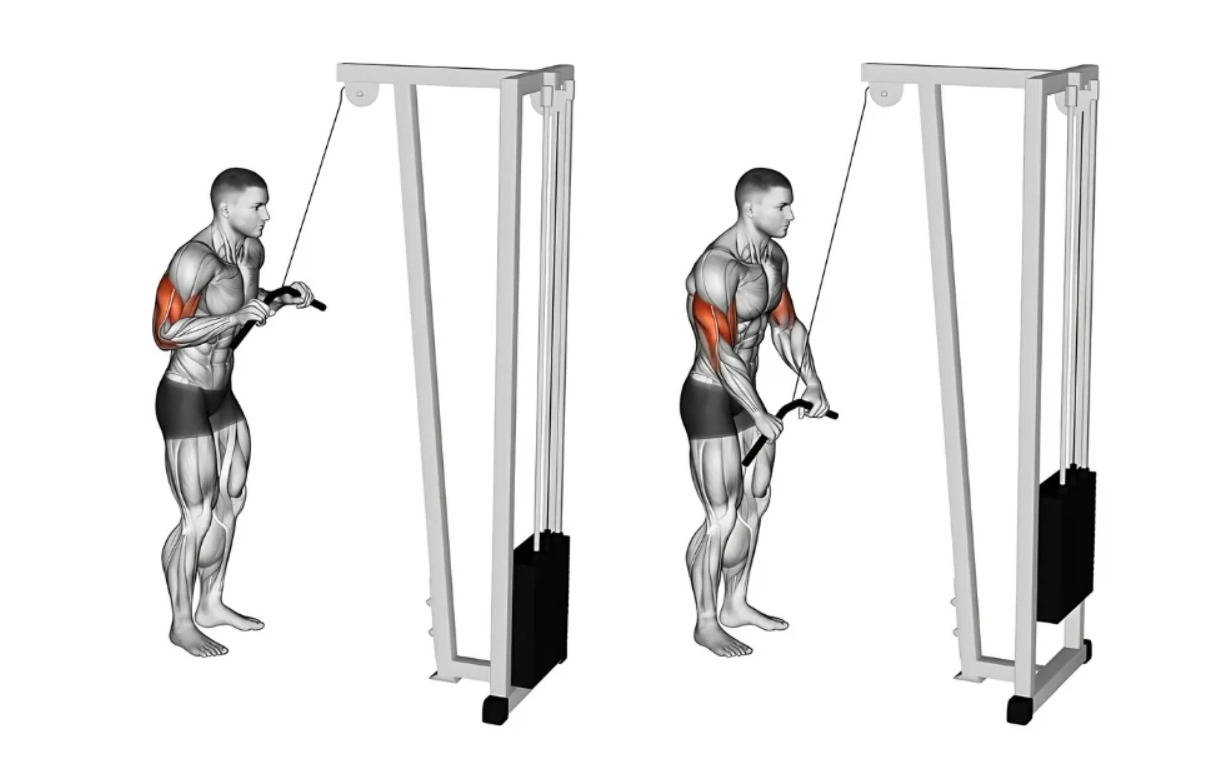
- Tricep Pushdown – You push the handle down, extending your arms.
- Bench Dip – You push your body up with your arms.
- Overhead Tricep Extension – You push the weight upward by extending your arms.
- Close-Grip Bench Press – You push the bar away from your chest, using your triceps.
All these exercises require you to extend your elbow, using force to push a weight or your body.
Why Does This Distinction Matter?
Understanding whether triceps are push or pull is not just a detail for gym nerds. It affects your whole workout plan.
- Balanced Training: When you know which muscles are push and which are pull, you can balance your workouts. This avoids overtraining some muscles while ignoring others, which can lead to injury.
- Efficient Splits: Many people use “push-pull” workout splits. On push days, you train chest, shoulders, and triceps. On pull days, you train back and biceps. This keeps things organized and helps muscles recover.
- Better Results: Training similar muscle groups together means you can train harder and recover better.
For example, pairing triceps with chest and shoulders on a push day makes sense. All these muscles work together during push movements. If you train triceps on a pull day with biceps and back, you might tire them out before your next push workout.
Credit: trainingstation.co.uk
Common Push And Pull Exercises Compared
To help you see the difference between push and pull exercises, here is a simple comparison:
| Push Exercises | Pull Exercises |
|---|---|
| Bench Press | Pull-Up |
| Shoulder Press | Barbell Row |
| Tricep Pushdown | Bicep Curl |
| Dips | Face Pull |
| Push-Up | Lat Pulldown |
Notice that all tricep-dominant exercises appear on the push side.
How The Triceps Work With Other Muscles
The triceps rarely work alone. In most pushing movements, the triceps work with the chest and shoulders. For example:
- Bench Press: The chest starts the movement, but the triceps finish it by straightening your elbows.
- Overhead Press: Shoulders lift the weight overhead, but triceps help lock out your arms.
- Push-Ups: All three muscles push your body away from the ground.
This teamwork is why people train chest, shoulders, and triceps together on push days. When you fatigue your chest with bench presses, your triceps are also working. If you then do tricep extensions, you’re making sure the triceps get enough direct work.
Synergy Vs. Isolation
When you do compound exercises (movements using more than one joint), the triceps are often a secondary muscle. In isolation exercises (movements focusing on one muscle), like tricep pushdowns, they are the main mover.
It’s important to include both types:
- Compound exercises for overall strength and muscle coordination.
- Isolation exercises to target and grow the triceps specifically.
Mistakes Beginners Make With Tricep Training
Many people struggle to get good results from tricep workouts. Here are some frequent mistakes:
- Not Using Full Range of Motion: Stopping short on tricep exercises limits growth. Make sure to fully extend and bend your elbows for best results.
- Training Triceps After Heavy Back Workouts: If you train back (a pull workout) and then try to hit triceps, you may feel tired and weak.
- Using Too Much Weight: Heavy weight with poor form can strain your elbows and shoulders. Start lighter, use good form, then increase weight.
- Neglecting the Long Head: The long head of the triceps is best trained with overhead movements. Many skip these, missing out on full tricep development.
- Ignoring Push-Pull Balance: Training push muscles much more than pull muscles can cause shoulder problems and bad posture.
How To Structure A Push-pull Workout
A push-pull split is a popular way to organize your workouts. Here’s how you might set it up:
- Push Day: Chest, shoulders, triceps
- Pull Day: Back, biceps, rear shoulders
If you train three days a week, it might look like:
- Monday: Push
- Wednesday: Pull
- Friday: Legs (or full body)
Or, with four days:
- Monday: Push
- Tuesday: Pull
- Thursday: Push
- Friday: Pull
This structure lets you work all major muscles, recover well, and avoid overtraining.
Example Push Day With Triceps
Here’s a sample push workout that targets triceps along with chest and shoulders:
- Bench Press – 3 sets of 8-10 reps
- Overhead Shoulder Press – 3 sets of 10 reps
- Incline Dumbbell Press – 3 sets of 8-12 reps
- Tricep Pushdown – 3 sets of 12-15 reps
- Overhead Tricep Extension – 2 sets of 12 reps
The triceps get worked during the main lifts and then with isolation exercises at the end.

Credit: www.womenshealthmag.com
How Often Should You Train Triceps?
Most people can train triceps 1-3 times per week. This depends on your overall routine, recovery, and goals.
- Beginners: 1-2 times per week is enough.
- Intermediate/Advanced: 2-3 times per week, spread out, is common.
Triceps recover fairly quickly, but they are used in many other push movements. If you push too often without rest, you risk overuse injuries.
Signs You Need More Recovery
- Elbow pain
- Weakness during push exercises
- Soreness lasting more than 2 days
If you notice these, reduce volume or add more rest days.
Triceps Vs. Biceps: Push And Pull Explained
It’s easy to mix up the triceps and biceps. Here’s a quick comparison:
| Muscle | Main Function | Push or Pull | Example Exercise |
|---|---|---|---|
| Triceps | Arm extension | Push | Tricep Pushdown |
| Biceps | Arm flexion | Pull | Bicep Curl |
The triceps straighten your arm (push), while the biceps bend your arm (pull). This is why triceps are always trained on push days and biceps on pull days.
Non-obvious Insights About Tricep Training
Many beginners miss some key points that make a big difference:
- Shoulder Position Changes Tricep Activation: When your arms are overhead, the long head of the triceps works harder. This is why overhead tricep extensions feel different from pushdowns. Including both types gives you more complete arm growth.
- Grip Width Affects Muscle Use: On bench presses, a closer grip uses the triceps more, while a wider grip uses the chest more. Changing your grip can help target weak points.
- Triceps Are Key for Lockout Strength: If your arms struggle to lock out during a bench press or overhead press, it’s often your triceps that are weak, not your chest or shoulders.
- Elbow Health Matters: The triceps attach near the elbow. If you feel pain during tricep exercises, check your form, lower the weight, and include warm-up sets.
How To Warm Up Triceps Safely
Warming up is essential for safe, effective tricep training. A good warm-up increases blood flow and prepares your joints.
- Start with 5-10 minutes of light cardio.
- Do arm circles and light shoulder stretches.
- Use a resistance band for 2-3 sets of 15-20 pushdowns with very light resistance.
- Try a few sets of close-grip push-ups.
This routine helps prevent injuries and improves your performance during heavy sets.
Tricep Exercise Variations: Push Movements Only
There are many ways to train your triceps. Here are some popular push movements:
- Standard Tricep Pushdown: Use a cable machine with a straight or rope attachment. Focus on keeping elbows close to your body.
- Overhead Tricep Extension: Use a dumbbell, barbell, or cable. This targets the long head.
- Skull Crushers (Lying Tricep Extension): Use a barbell or dumbbells. Lower the weight toward your forehead, then extend arms up.
- Diamond Push-Up: Hands close together under your chest. This puts extra load on the triceps.
- Bench Dips: Use parallel benches or a sturdy surface to lower and lift your body using your triceps.
- Close-Grip Bench Press: Keep hands shoulder-width apart to emphasize triceps over chest.
- Kickbacks: Bend over, hold a dumbbell, and extend your arm straight behind you.
All these are push movements, requiring you to extend your elbow against resistance.
Comparing Tricep Exercises
Some exercises are better for beginners, while others suit advanced lifters. Here’s how a few top tricep exercises compare:
| Exercise | Difficulty | Equipment Needed | Main Tricep Head Worked |
|---|---|---|---|
| Tricep Pushdown | Easy | Cable Machine | Lateral |
| Overhead Extension | Medium | Dumbbell/Cable | Long |
| Skull Crusher | Hard | Barbell/Dumbbell | Medial & Long |
| Diamond Push-Up | Medium | Bodyweight | All Heads |
| Bench Dip | Medium | Bench/Chair | Long |
Choosing the right exercise depends on your experience, equipment, and goals.
Tips For Better Tricep Growth
If you want bigger, stronger triceps, try these tips:
- Use Perfect Form: Keep your elbows close to your body and avoid swinging.
- Control the Weight: Don’t let the weight drop quickly. Lower it slowly for more muscle tension.
- Train All Heads: Mix pushdowns, overhead extensions, and close-grip presses to hit every part of the triceps.
- Increase Volume Slowly: Add sets and reps gradually to avoid injury.
- Don’t Forget Nutrition: Muscles need protein and calories to grow.
Combining Triceps With Other Push Muscles
Many lifters combine triceps with chest or shoulders in a single workout. This is efficient and makes sense because these muscles work together. Here’s a sample routine:
- Bench Press (chest, triceps, shoulders)
- Shoulder Press (shoulders, triceps)
- Incline Dumbbell Fly (chest)
- Tricep Pushdown (triceps)
- Overhead Tricep Extension (triceps)
This combination ensures you work all push muscles and maximize your results.
Should You Train Triceps With Chest Or Shoulders?
Both options work. Training triceps with chest is popular because both muscles push together during bench presses. Training with shoulders also makes sense since overhead presses use triceps. Just make sure you don’t overwork your elbows by doing both heavy chest and heavy triceps on the same day, especially if you are new to weight training.
Recovery And Rest For Triceps
Muscles grow when you rest, not just when you train. Aim for at least 48 hours between heavy push workouts. Use light stretching, massage, and good sleep to help your triceps recover.
If you feel constant soreness or joint pain, take extra rest. Overtraining can slow progress and increase injury risk.
Addressing Tricep Imbalances
Sometimes, one arm is stronger than the other. This can happen if you always use barbells or machines. To fix this, add dumbbell or single-arm exercises to your routine. For example, single-arm tricep extensions or kickbacks help each arm work independently.
Triceps In Sports And Daily Life
Strong triceps are not just for bodybuilders. They help in many sports and daily activities:
- Throwing sports: Like basketball or football, need strong triceps to power the throw.
- Swimming: Triceps help with strokes like freestyle and butterfly.
- Everyday tasks: Pushing a door open, getting up from the floor, or lifting objects overhead.
Focusing on tricep strength improves performance in many areas of life.
When To Use Machines Vs. Free Weights For Triceps
Both machines and free weights have benefits:
- Machines: Safer for beginners, allow you to focus on form, and reduce injury risk.
- Free Weights: Train stabilizer muscles, improve coordination, and allow more natural movement.
Mix both for best results. For example, start with machine pushdowns for warm-up, then move to dumbbell overhead extensions or skull crushers.
Triceps And Injury Prevention
Weak triceps can cause problems with other lifts, especially bench presses or push-ups. If your triceps are not strong enough, you may strain your shoulders or elbows. Proper tricep training helps keep your joints healthy and your upper body balanced.
Pay attention to pain. If you feel sharp or lasting pain during tricep exercises, stop and check your form. Consider seeing a physical therapist if pain continues.
Using Progressive Overload For Triceps
To get stronger, you must challenge your triceps over time. This is called progressive overload. You can do this by:
- Increasing the weight
- Doing more reps or sets
- Reducing rest time between sets
- Improving your form
Track your progress in a notebook or app. Small, steady increases lead to big results over months.
Science Behind Push And Pull: Muscle Activation
Studies using EMG (electromyography) show that triceps are most active during push movements like bench presses, shoulder presses, and dips. In pull exercises like rows or pull-ups, triceps are barely active. Instead, the biceps and back do most of the work.
This is why triceps are classified as push muscles. For more on muscle activation, see Wikipedia’s EMG article.
Frequently Asked Questions
Are There Any Pull Exercises That Work The Triceps?
No, triceps are not involved in pull exercises. They may help stabilize your arm, but they are not the main muscle working. Pull exercises target biceps, back, and rear shoulders.
Can I Train Triceps On Both Push And Pull Days?
It’s best to train triceps on push days. Training them on pull days can lead to overtraining because triceps also work during chest and shoulder exercises.
Should I Do Tricep Isolation Exercises If I Already Do Bench Presses?
Yes. While bench presses work the triceps, isolation exercises like pushdowns or overhead extensions help target all tricep heads and build size.
What Is The Best Tricep Exercise For Beginners?
Tricep pushdowns are great for beginners. They are easy to learn, safe, and effective. You can also try close-grip push-ups.
How Do I Avoid Elbow Pain During Tricep Workouts?
Use light weights, focus on good form, warm up properly, and avoid locking out your elbows hard at the top. If pain continues, rest and consult a professional.
Strong triceps are key for upper body power and healthy joints. Understanding that tricep workouts are push movements helps you organize your training, avoid mistakes, and get the results you want. Mix compound and isolation exercises, pay attention to form, and enjoy the benefits of a balanced push-pull routine.
