

Best Tricep Workout With Dumbbells: Sculpt Strong Arms Fast
Best Tricep Workout With Dumbbells
Building strong, defined triceps isn’t just for bodybuilders. Well-developed triceps make your arms look fit, help with daily activities, and improve your performance in sports and other exercises. Many people think they need fancy gym machines or cables for great triceps. The truth is, you can create an effective tricep workout with just dumbbells and a bit of space.
Why focus on dumbbells? They are easy to find, safe to use at home, and force both sides of your body to work equally. They also allow for a big range of motion, which is important for muscle growth. But not all dumbbell moves are created equal.
The right exercises, done with the right form and routine, can help you get maximum results in less time.
This guide will show you the best tricep workout with dumbbells. You’ll learn how your triceps work, the top exercises to target every part of the muscle, and how to organize your workout for strength and muscle gain. We’ll cover tips for all levels, common mistakes to avoid, and answer your most asked questions.
Understanding The Triceps Muscle
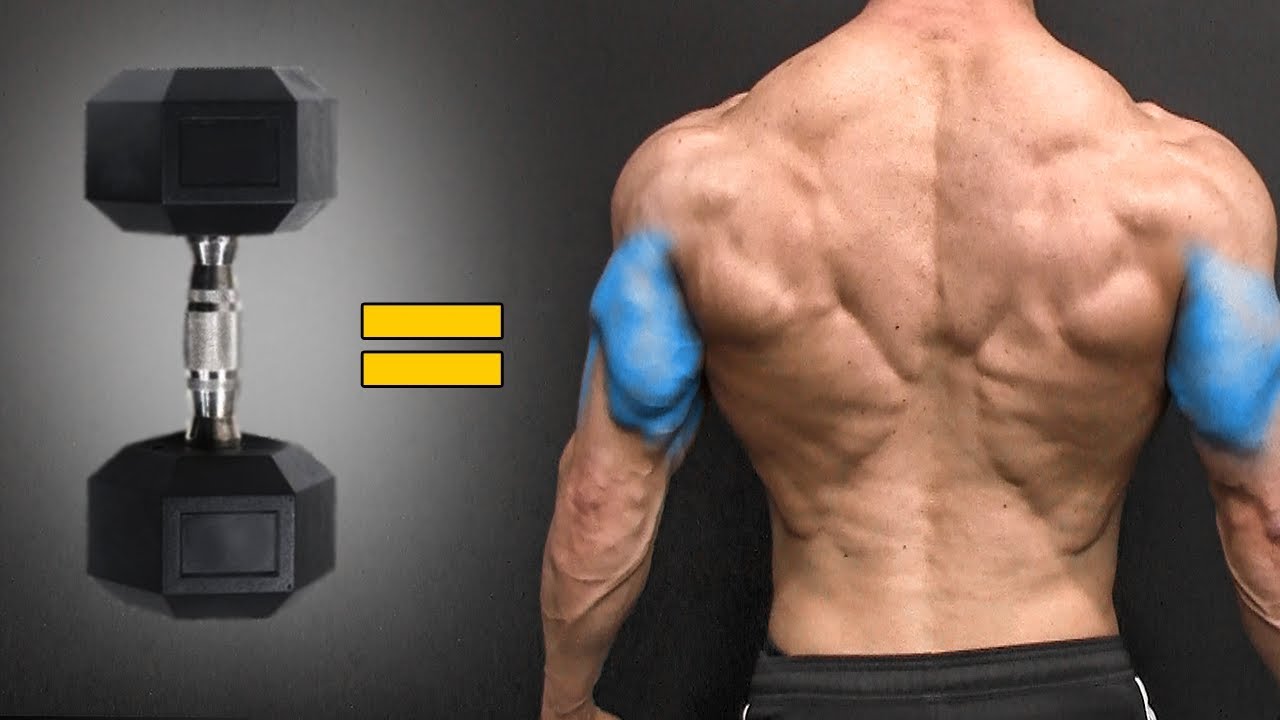
Before you start lifting, it helps to know what you’re working. The triceps muscle sits at the back of your upper arm. Many people don’t realize it makes up about two-thirds of your arm size. It is made of three parts, called “heads”:
- Long head: Runs down the back of your arm and helps with arm extension and shoulder movement.
- Lateral head: The outer part, gives your arms that “horseshoe” shape.
- Medial head: Deeper and closer to your body, works with the other heads for pushing movements.
To get full, strong triceps, you need exercises that hit all three heads. Dumbbells are great for this because you can change angles and grips easily.
Benefits Of Dumbbell Tricep Workouts
Using dumbbells for your triceps has unique benefits you won’t get with machines or bodyweight moves alone.
- Balanced strength: Each arm works on its own, so weaker sides can catch up.
- More muscle activation: You stabilize the weight with smaller muscles, which helps with growth and coordination.
- Greater range of motion: Dumbbells let you lower the weight further, stretching the muscle for a better pump.
- Joint-friendly: You can change your grip and angle to avoid elbow pain.
- Convenient: All you need is a pair of dumbbells and a bench or chair.
Many beginners miss the point that using dumbbells can also reveal imbalances—like one arm being weaker or less stable. This allows you to correct problems before they become injuries.
Credit: learn.athleanx.com
How To Structure Your Dumbbell Tricep Workout
A good tricep workout is more than just random exercises. You need:
- Warm-up to avoid injuries
- 4–6 different exercises to target all heads
- 3–4 sets per exercise
- 8–15 reps per set (heavier for strength, lighter for size)
- Rest 60–90 seconds between sets
For most people, training triceps 2 times per week is enough for growth. You can add these workouts to your chest or shoulder days, or do them on their own.
Example Dumbbell Tricep Workout Split
| Day | Exercises | Sets x Reps |
|---|---|---|
| Day 1 | Overhead Extension, Kickback, Close-Grip Press | 3 x 12 each |
| Day 2 | Skullcrusher, Tate Press, Single-Arm Extension | 3 x 10 each |
Top Dumbbell Tricep Exercises
Let’s look at the best dumbbell moves for your triceps. For each, you’ll get step-by-step instructions, tips, and what makes it effective.
1. Dumbbell Overhead Triceps Extension
This classic move stretches and works the long head deeply. You can do it with one or two arms.
How to do it:
- Sit or stand tall, holding one dumbbell with both hands above your head. Arms straight.
- Keep elbows close to your ears.
- Slowly bend your elbows to lower the weight behind your head.
- Pause, then press the dumbbell back up.
Tips:
- Don’t let your lower back arch.
- Use a lighter weight at first to avoid dropping it.
- For single-arm, hold a dumbbell in one hand and keep your other hand on your upper arm for support.
Common mistake: Flaring elbows out to the sides. Keep them pointed forward for full tricep activation.
2. Dumbbell Tricep Kickback
The kickback is great for the lateral head and gives a strong muscle squeeze.
How to do it:
- Hold a dumbbell in one hand, hinge forward at your hips, and support yourself with the other hand on a bench or chair.
- Start with your elbow bent at 90 degrees.
- Extend your arm back until it is straight, squeezing your tricep.
- Return to start.
Tips:
- Don’t swing your arm; control the movement.
- Keep your upper arm still—only your forearm should move.
Common mistake: Using too much weight and losing form. Quality over quantity.
3. Dumbbell Skullcrusher
Also called the lying triceps extension, this move works all three heads, especially the medial and long head.
How to do it:
- Lie on a bench or floor with a dumbbell in each hand, arms straight up.
- Bend your elbows, lowering the weights toward your forehead.
- Keep elbows in place, then extend arms back up.
Tips:
- Move slowly to avoid hitting your head.
- Lower dumbbells slightly behind your head for a better stretch.
Common mistake: Letting elbows drift out. Keep them pointed up.
4. Dumbbell Close-grip Press
This press is a hybrid move—working the chest and triceps, especially the medial head.
How to do it:
- Lie on a bench or floor with dumbbells at your chest, palms facing each other.
- Press weights up, keeping elbows close to your body.
- Lower back down with control.
Tips:
- Do not flare elbows out.
- Focus on pushing with your triceps, not just your chest.
Common mistake: Turning it into a regular chest press. Keep your grip narrow.
5. Dumbbell Tate Press
This unique move hits the lateral head and helps build the “horseshoe” look.
How to do it:
- Lie on a bench with dumbbells in each hand, arms straight up.
- Lower dumbbells toward your chest, bending elbows out to the sides.
- Stop when the dumbbells touch your chest, then extend back up.
Tips:
- This move feels unusual at first—start light.
- Keep control; don’t bounce off your chest.
Common mistake: Turning it into a regular press. The dumbbells should move in an arc, not straight up and down.
6. Single-arm Dumbbell Triceps Extension
This move focuses on one arm at a time, helping to fix strength differences.
How to do it:
- Sit or stand with a dumbbell in one hand overhead.
- Lower the weight behind your head, then press up.
- Keep your elbow close to your ear.
Tips:
- Support your elbow with your free hand if needed.
- Move slowly for best results.
Common mistake: Using momentum or arching your back.
7. Lying Dumbbell Tricep Extension (floor Version)
This version is safer for beginners and still works the long head.
How to do it:
- Lie on the floor with dumbbells in each hand, arms straight.
- Bend elbows, lowering weights to the sides of your head.
- Press back up.
Tips:
- The floor stops the weights, so you can’t go too low.
- Focus on squeezing your triceps at the top.
Common mistake: Rushing. Use slow, controlled reps.
8. Dumbbell Bench Dip (weighted)
You can add a dumbbell to the classic dip for more resistance.
How to do it:
- Sit on a bench, hands beside your hips.
- Place a dumbbell in your lap and move your feet forward.
- Lower your body by bending elbows, then press back up.
Tips:
- Don’t let shoulders hunch up.
- Only go as low as comfortable.
Common mistake: Dropping too fast or locking elbows at the top.
9. Dumbbell Floor Press
This is a chest move that also works the triceps hard.
How to do it:
- Lie on your back with dumbbells in each hand, arms straight.
- Lower weights until elbows touch the floor.
- Press up.
Tips:
- The floor protects your shoulders.
- Focus on triceps as you press.
Common mistake: Using too much chest. Keep elbows close in.
10. Reverse Grip Dumbbell Press
A simple grip change increases tricep work.
How to do it:
- Lie on a bench with dumbbells, palms facing you.
- Press weights up, keeping elbows close.
- Lower with control.
Tips:
- Reverse grip feels strange—start light.
- Keep wrists straight.
Common mistake: Letting elbows flare out.

Credit: repfitness.com
Sample Dumbbell Tricep Workouts For Different Goals
Not everyone wants the same results. Here are workouts for three common goals:
For Muscle Size (hypertrophy)
- Overhead Triceps Extension: 4 x 12
- Skullcrusher: 4 x 10
- Kickback: 3 x 15
- Tate Press: 3 x 12
Rest 60–90 seconds between sets.
For Strength
- Close-Grip Press: 5 x 8
- Single-Arm Extension: 4 x 10
- Floor Press: 4 x 8
Use heavier weights, rest 90 seconds.
For Endurance
- Overhead Extension: 3 x 20
- Kickback: 3 x 20
- Bench Dip: 3 x 20
Use lighter weights, rest 30–45 seconds.
How To Choose The Right Dumbbell Weight
Choosing the right weight is key for progress and safety. Too heavy, and your form suffers. Too light, and you won’t grow.
General rules:
- For muscle size: Use a weight you can do 8–15 reps with good form, but the last 2–3 reps should feel hard.
- For strength: Pick a weight for 5–8 reps where you struggle at the end, but don’t lose form.
- For endurance: Use a lighter weight for 15–20 reps.
Try this simple test: If you can do more than 15 reps easily, increase the weight. If you can’t reach 8 reps, lower it.
Dumbbell Weight Guide For Triceps (example)
| Exercise | Beginner (lbs) | Intermediate (lbs) | Advanced (lbs) |
|---|---|---|---|
| Overhead Extension | 10-15 | 20-30 | 35-50 |
| Kickback | 5-10 | 12-20 | 25-35 |
| Skullcrusher | 8-15 | 20-30 | 35-45 |
These are just starting points. Everyone is different, so adjust as you get stronger.
Common Mistakes In Dumbbell Tricep Workouts
Even the best exercises won’t work if you make these errors. Watch out for these mistakes:
- Poor elbow position: Letting elbows flare out reduces tricep work and stresses shoulders.
- Swinging weights: Using momentum cheats your muscles out of work.
- Partial reps: Not using full range of motion means less growth.
- Too much weight: Sacrificing form for heavier dumbbells leads to injury.
- Neglecting warm-up: Cold muscles are easy to injure.
One less obvious mistake: Ignoring pain signals. If you feel sharp pain in your elbow or shoulder, stop and check your form. Triceps are strong, but the elbow joint is not. Over time, bad form can cause tendinitis.
Another common problem: Always using the same exercises. Your body adapts. Change your routine every 6–8 weeks for best results.
How To Warm Up And Prevent Injury
A proper warm-up makes a big difference. It increases blood flow, prepares your joints, and helps you lift more.
Quick warm-up routine:
- 2 minutes arm circles and shoulder rolls
- 1 minute light push-ups or bench dips (no weight)
- 1 set of overhead extension with very light dumbbells
For those with elbow pain, try using a neutral grip (palms facing each other) and avoid locking your elbows at the top.
Stretching after your workout also helps recovery. Hold each stretch for 20–30 seconds:
- Overhead triceps stretch
- Cross-body arm stretch
Advanced Dumbbell Tricep Training Tips
Once you master the basics, you can push your results further.
- Use slow negatives: Lower the weight slowly for more muscle growth.
- Try drop sets: Finish a set, then lower the weight and keep going for a few more reps.
- Pause at the bottom: Add a 1–2 second pause at the lowest point.
- Vary your grip: Use neutral, overhand, and underhand grips to hit different heads.
- Superset with biceps: Alternate sets of triceps and biceps for bigger pumps and time savings.
A little-known tip: Flex your triceps hard at the top of each rep. This creates a stronger mind-muscle connection, which has been shown to improve gains.
How To Track Progress
Many people skip tracking, but it’s the fastest way to see results.
- Log your weights and reps after each workout.
- Take arm measurements every 4 weeks.
- Snap progress photos from the same angle.
If you aren’t getting stronger or your arms aren’t growing, adjust your routine. Eat enough protein, sleep well, and try new exercises.
Best Practices For Home Workouts
Training at home? Here’s how to maximize your dumbbell tricep workouts:
- Use a sturdy chair or bench for support.
- If you don’t have adjustable dumbbells, slow down your reps for more challenge.
- Use resistance bands along with dumbbells for extra tension.
- Make sure your space is clear—don’t drop weights on your floor or feet!
- Stay consistent: Even short workouts, done regularly, add up.
A tip most beginners miss: Home environments have more distractions. Set a timer, put on your favorite music, and focus.
Nutrition And Recovery For Bigger Triceps
Muscle doesn’t grow in the gym—it grows when you rest and eat well.
- Aim for 1.2–2.0 grams of protein per kg of body weight daily.
- Drink plenty of water.
- Get 7–9 hours of sleep each night.
- Take 1–2 rest days per week for arms.
Supplements like whey protein can help, but are not required. The real “secret” is consistency with good food and sleep.

Credit: www.fondation-enovos.lu
Comparing Dumbbells Vs. Other Tricep Training Tools
How do dumbbells stack up against other options like cables, bands, and machines?
| Tool | Pros | Cons |
|---|---|---|
| Dumbbells | Affordable, easy to use, great for home, full range of motion | Challenging to go very heavy, grip can be a limit |
| Cable Machines | Constant tension, easy to adjust weight | Require gym access, expensive |
| Resistance Bands | Portable, easy on joints, good for high reps | Hard to measure progress, less tension at some angles |
| Bodyweight | No equipment needed, good for beginners | Limited overload, hard to progress for advanced users |
Dumbbells offer the best mix of affordability, convenience, and muscle-building for most people.
Frequently Asked Questions
What Is The Best Dumbbell Exercise For Triceps?
There is no single “best” exercise, but the overhead triceps extension is one of the most effective for hitting all three heads, especially the long head. Mix it with kickbacks and skullcrushers for complete development.
How Often Should I Train Triceps With Dumbbells?
Most people see best results training triceps 2 times per week with at least 48 hours of rest between sessions. If you’re a beginner, once per week is enough. As you get stronger, add a second day.
Can I Build Big Triceps With Only Dumbbells?
Yes. Dumbbells allow you to use heavy resistance and a big range of motion. Consistency, proper form, and progressive overload are more important than the tool. Many people have built impressive arms at home with just dumbbells.
Why Do My Elbows Hurt During Tricep Exercises?
Elbow pain often means poor form, using weights that are too heavy, or not warming up. Keep your elbows close to your body, don’t lock them out, and choose a neutral grip if pain continues. If pain is sharp or lasts after exercise, rest and consult a professional.
Should I Do Triceps On Chest Day Or Arm Day?
Both are fine. Many lifters train triceps after chest because presses already warm them up. Others prefer a separate arm day for more focus. The most important thing is to allow enough recovery before training them again.
For more exercise science and muscle training info, see the Wikipedia triceps page.
Strong, defined triceps are within your reach—even with just dumbbells. The key is smart exercise selection, good form, steady progress, and consistent effort. Train hard, track your results, and enjoy building powerful arms that work as good as they look.
