

Glute Workout With Weight: Build Stronger, Toned Glutes Fast
Glute Workout With Weight
Strong glutes are not just about looks. They play a big part in everyday movement, sports, and even protecting your lower back. Many people focus on bodyweight exercises for glute training, but using weights can help you build more strength, power, and muscle.
If you want to shape, lift, or grow your glutes, adding weights to your routine makes a big difference. In this article, you will learn why glute workouts with weight are so effective, how to do them safely, and which exercises bring the best results.
You will also find practical tips, sample routines, and answers to common questions.
Why Train Glutes With Weight?
Your glute muscles are the largest muscles in your body. They help you stand, walk, run, jump, and lift. Bodyweight exercises can be good for beginners, but the muscles need more challenge to grow and get stronger. That's where weights come in.
Weighted glute workouts:
- Increase muscle size and strength faster than bodyweight alone.
- Burn more calories by working bigger muscles.
- Support athletic performance for activities like sprinting, jumping, and climbing.
- Improve posture and reduce lower back pain.
- Help shape your lower body (hips, thighs, buttocks).
Many beginners are surprised to learn that glute strength affects their balance, speed, and even knee stability. Weak glutes can lead to injuries or poor movement. Using weights safely can make your workouts more effective, but it's important to start with good technique and choose the right exercises.
Understanding The Glute Muscles
Before you start training, it's helpful to know what you are working. The glute muscles include:
- Gluteus maximus – The largest muscle, gives your butt its shape and power.
- Gluteus medius – Located on the side of your hip, helps with balance and leg movement.
- Gluteus minimus – The smallest, also helps with hip movement and stability.
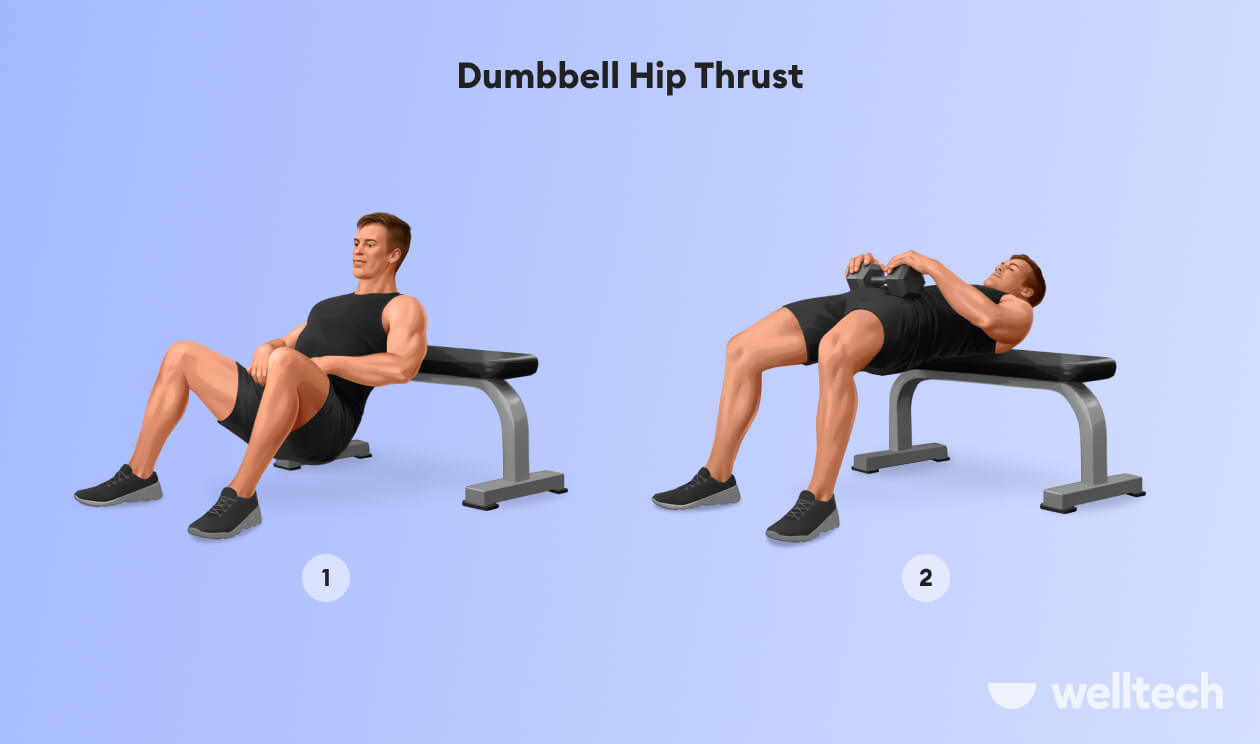
Each part plays a role in moving your hips and legs. The best glute workouts target all three muscles. Weighted exercises can reach deeper muscle fibers, helping you build strength and size.
Credit: welltech.com
Benefits Of Weighted Glute Workouts
Adding weights to your glute routine brings several advantages:
- Muscle activation: Heavier loads force your muscles to work harder.
- Progressive overload: You can gradually increase weight, reps, or sets to keep making progress.
- Variety: Weights let you use different tools – dumbbells, barbells, kettlebells, resistance bands.
- Functional strength: Strong glutes help with daily tasks like lifting, climbing stairs, or carrying bags.
- Injury prevention: Powerful glutes protect your back, hips, and knees.
One non-obvious insight: Weighted glute exercises, especially when performed slowly, can activate stabilizing muscles in your hips and core. This improves your balance and coordination – benefits you may not notice right away, but they make a big difference over time.
Choosing The Right Weights
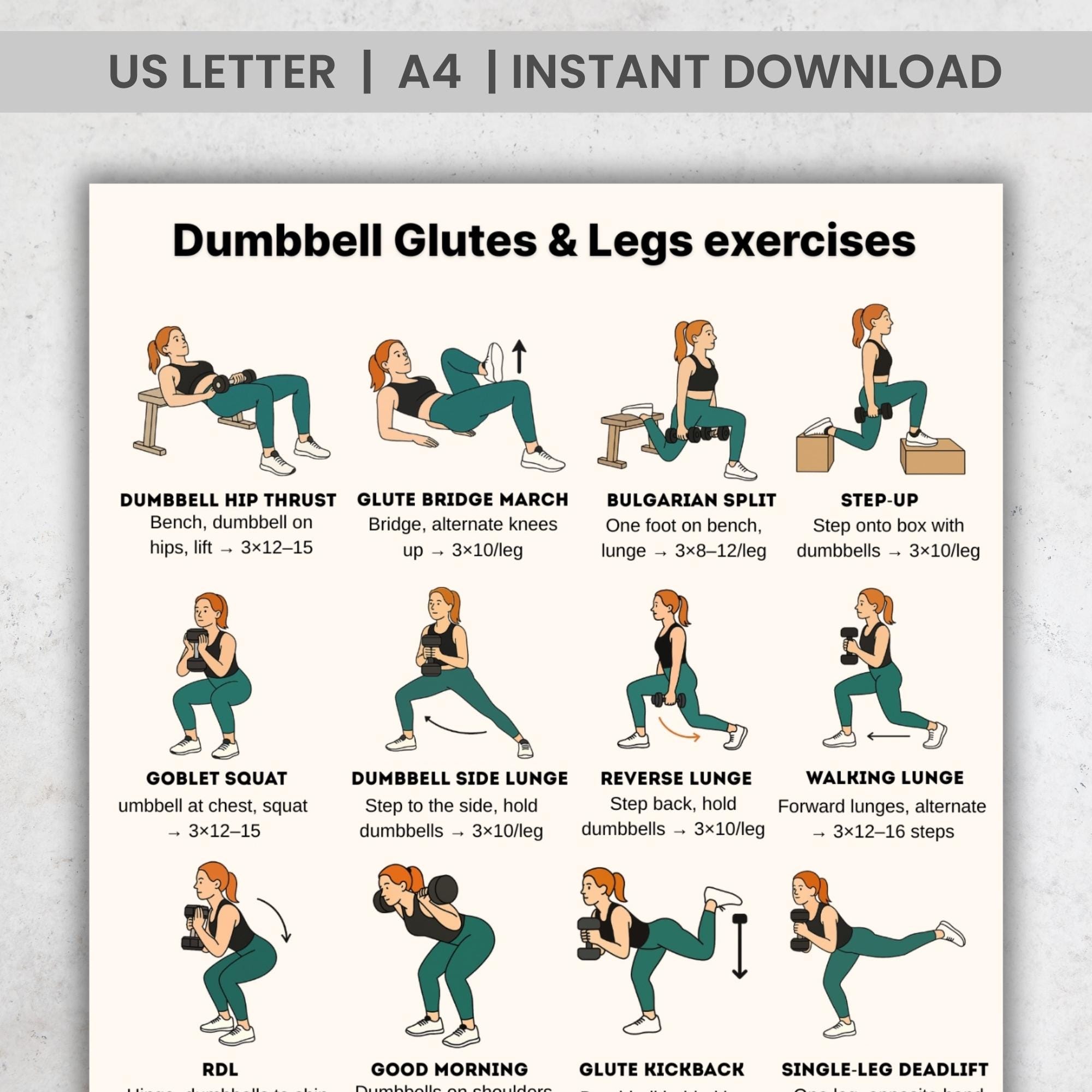
The type of weight you use depends on your fitness level, goals, and equipment. Common choices include:
- Dumbbells: Easy to hold, good for many movements.
- Barbells: Allow heavier loads, perfect for squats and hip thrusts.
- Kettlebells: Great for swings and single-leg exercises.
- Resistance bands: Useful for adding tension, especially in hip abduction moves.
- Weighted plates: Can be held or placed on your lap for hip thrusts.
Beginners should start with light weights to learn proper form. As you get stronger, gradually increase the weight. A simple rule: If you can do more than 12-15 reps easily, it's time to add weight.
Credit: www.etsy.com
Safety Tips For Weighted Glute Workouts
Training with weights can be safe and effective if you follow these guidelines:
- Warm up: Always start with 5-10 minutes of light cardio and dynamic stretches.
- Use proper form: Focus on quality over quantity. Poor technique can lead to injury.
- Start light: Begin with manageable weights. Increase gradually.
- Control the movement: Avoid fast or jerky motions. Slow, controlled reps are safer and more effective.
- Breathe: Exhale as you lift, inhale as you lower.
- Listen to your body: Stop if you feel pain or discomfort.
- Rest between sets: Give your muscles time to recover, usually 60-90 seconds.
Many people miss this: Your glutes may feel strong, but your lower back and knees can be weak. Always check your form and avoid arching your back or letting your knees collapse inward.
Top Weighted Glute Exercises
Weighted glute workouts include both compound and isolation movements. Compound exercises use many muscles at once, while isolation exercises target the glutes more directly.
1. Barbell Hip Thrust
The barbell hip thrust is one of the best moves for building glute strength and size.
- Sit on the floor with your upper back against a bench.
- Roll a barbell over your hips.
- Bend your knees, feet flat on the floor.
- Push through your heels, lift your hips, and squeeze your glutes at the top.
- Lower back down with control.
Tip: Place a pad or towel under the barbell for comfort.
2. Dumbbell Bulgarian Split Squat
This single-leg exercise hits your glutes, quads, and balance.
- Stand facing away from a bench.
- Place one foot behind you on the bench.
- Hold a dumbbell in each hand.
- Lower your body until your front thigh is parallel to the floor.
- Push through your front heel to rise.
Tip: Keep your chest up and knee in line with your toes.
3. Kettlebell Swing
Kettlebell swings are great for building explosive power and endurance.
- Hold a kettlebell with both hands.
- Stand with feet shoulder-width apart.
- Bend your knees slightly, hinge at the hips.
- Swing the kettlebell between your legs, then thrust your hips forward to swing it up to chest level.
- Repeat in a fluid motion.
Tip: Do not use your arms to lift – the power comes from your hips.
4. Barbell Back Squat
Squats are a classic strength move that works your glutes, thighs, and core.
- Stand with feet shoulder-width apart.
- Rest a barbell across your upper back.
- Bend your knees and hips to lower until your thighs are parallel to the floor.
- Push through your heels to rise.
Tip: Keep your back straight and chest up.
5. Dumbbell Step-up
Step-ups help build strength, balance, and stability.
- Hold a dumbbell in each hand.
- Stand in front of a sturdy bench or box.
- Step up with one foot, pressing through your heel.
- Bring the other foot up, then step down.
Tip: Alternate legs for balanced development.
6. Weighted Glute Bridge
This move targets the glutes directly.
- Lie on your back, knees bent, feet flat.
- Place a weight (dumbbell or plate) on your hips.
- Lift your hips, squeeze glutes, and lower slowly.
Tip: Pause at the top for extra muscle activation.
7. Single-leg Romanian Deadlift
A great exercise for glutes and hamstrings.
- Hold a dumbbell or kettlebell in one hand.
- Stand on one leg.
- Lean forward, keeping your back straight, and lower the weight.
- Return to standing.
Tip: Keep your hips square and avoid twisting.
8. Cable Kickback
Cable machines can help isolate the glutes.
- Attach an ankle strap to the cable.
- Stand facing the machine.
- Kick your leg back, squeezing your glutes.
- Slowly return to starting position.
Tip: Use light weight for control.
9. Smith Machine Lunges
Lunges build glute and leg strength.
- Stand under the bar of a Smith machine.
- Step forward, lower your body, and push back to starting position.
- Alternate legs.
Tip: Keep your front knee over your ankle.
10. Resistance Band Hip Abduction
Bands are great for targeting the glute medius.
- Place a resistance band above your knees.
- Stand with feet shoulder-width apart.
- Step side to side, keeping tension on the band.
Tip: Keep knees slightly bent.
Sample Glute Workout With Weight
Here is a simple routine for beginners and intermediates. Adjust weights based on your level.
- Barbell Hip Thrust: 3 sets x 10 reps
- Dumbbell Bulgarian Split Squat: 3 sets x 8 reps each leg
- Kettlebell Swing: 3 sets x 15 reps
- Barbell Back Squat: 3 sets x 10 reps
- Weighted Glute Bridge: 3 sets x 12 reps
Rest 60-90 seconds between sets. Warm up before, cool down after.
Example Weekly Plan
You can train glutes 2-3 times per week. Mix exercises for best results.
| Day | Main Exercise | Accessory Exercise |
|---|---|---|
| Monday | Barbell Hip Thrust | Resistance Band Hip Abduction |
| Wednesday | Barbell Back Squat | Single-Leg Romanian Deadlift |
| Friday | Dumbbell Bulgarian Split Squat | Weighted Glute Bridge |
Comparing Weighted Glute Exercises
Not all weighted exercises are equal. Some hit the glutes harder, others involve more leg or core muscles.
| Exercise | Glute Activation | Other Muscles | Equipment Needed |
|---|---|---|---|
| Barbell Hip Thrust | Very High | Hamstrings, Core | Barbell, Bench |
| Back Squat | High | Quads, Core | Barbell, Rack |
| Kettlebell Swing | High | Hamstrings, Back | Kettlebell |
| Dumbbell Step-Up | Moderate | Quads, Calves | Dumbbells, Bench |
| Cable Kickback | Moderate | None | Cable Machine |
How To Progress Your Glute Workouts
Progress is key to stronger glutes. Here are ways to make your workouts harder and keep improving:
- Increase weight: Gradually add more weight as you get stronger.
- Add reps or sets: Try more repetitions or an extra set.
- Change tempo: Slow down each rep for more muscle tension.
- Try new exercises: Mix in different moves to challenge your muscles.
- Use pauses: Hold at the top of a hip thrust or bridge.
- Include single-leg moves: They force your glutes to work harder and improve balance.
A non-obvious insight: Changing the angle or stance of your exercises (for example, feet wider or narrower in squats) can shift how your glutes are worked. Small changes can help target weak areas and break plateaus.
Mistakes To Avoid In Weighted Glute Training
Even with the best intentions, many people make common mistakes:
- Skipping warm-up: Cold muscles are more likely to get injured.
- Using too much weight: Form breaks down and you risk injury.
- Rushing reps: Fast movements miss muscle activation.
- Neglecting single-leg work: Training both sides evenly prevents imbalances.
- Not tracking progress: Without a log, it's hard to know if you're improving.
- Ignoring glute medius/minimus: Only focusing on glute max leaves weak points.
One thing beginners often miss: It's easy to let your lower back do the work instead of your glutes. Focus on squeezing your glutes and avoid arching your back during lifts.
Advanced Weighted Glute Techniques
Once you master the basics, you can try advanced methods for more challenge:
- Drop sets: Start with heavy weight, reduce and keep going without rest.
- Supersets: Pair two exercises back-to-back, like hip thrusts and band abductions.
- Tempo training: Slow the lowering phase for more muscle tension.
- Isometric holds: Pause at the top for 5-10 seconds.
- Pyramid sets: Increase weight each set, then decrease.
These techniques increase muscle stress and help break through plateaus. Always use good form and listen to your body.
Glute Workout For Different Goals
Weighted glute workouts can be adjusted for your goals:
For Muscle Growth
- Use moderate to heavy weights.
- Aim for 8-12 reps per set.
- Rest 60-90 seconds between sets.
- Focus on hip thrusts, squats, lunges.
For Strength
- Use heavier weights.
- Lower reps (4-6 per set).
- Longer rest (2-3 minutes).
- Include barbell squats and deadlifts.
For Endurance
- Use lighter weights.
- High reps (15-20 per set).
- Short rest (30-60 seconds).
- Try kettlebell swings and band work.
For Shaping And Toning
- Mix weights and resistance bands.
- Medium reps (12-15 per set).
- Include step-ups, abductions, bridges.

Credit: www.twkf.gov.tr
Equipment Guide For Home And Gym
You can train your glutes with weights almost anywhere. Here's a comparison of common tools:
| Equipment | Best Exercises | Advantages | Limitations |
|---|---|---|---|
| Dumbbells | Split Squat, Step-Up | Easy to use | Limited max weight |
| Barbell | Hip Thrust, Squat | Heavy loads | Needs rack, space |
| Kettlebell | Swing, Deadlift | Functional moves | May be expensive |
| Resistance Band | Hip Abduction | Portable | Limited resistance |
| Cable Machine | Kickback | Isolate muscles | Needs gym |
If you train at home, start with dumbbells and bands. For gym workouts, barbells and machines offer more options.
Nutrition For Glute Growth
Training is only half the battle. Eating right helps your muscles grow and recover.
- Protein: Needed for muscle repair. Try lean meat, fish, eggs, beans, or protein shakes.
- Carbohydrates: Give energy for tough workouts. Whole grains, fruits, and veggies work well.
- Healthy fats: Support hormone balance. Avocado, olive oil, nuts.
- Hydration: Drink water before, during, and after workouts.
Aim for a balanced meal after exercise. Try chicken with rice and vegetables, or a smoothie with fruit and protein powder.
One overlooked tip: Consistent eating habits matter more than supplements. Focus on real food first.
Practical Tips For Glute Training Success
- Track your workouts: Write down sets, reps, and weights. It helps you see progress.
- Take photos: Progress photos can show changes you might miss in the mirror.
- Mix exercises: Change your routine every few weeks to challenge your muscles.
- Train both sides: Use single-leg moves to prevent imbalances.
- Stretch and recover: Always stretch after training and take rest days.
- Use mirrors or video: Check your form for safety and results.
- Ask for help: Trainers can guide your technique and build a safe program.
Many people forget: Results come slowly. Stay patient, keep working, and celebrate small wins.
How Glute Training Supports Everyday Life
Strong glutes do more than make you look good. They help you:
- Stand up from a chair easily.
- Carry heavy bags without hurting your back.
- Walk, run, or climb stairs with less effort.
- Play sports with more power and speed.
- Maintain good posture and balance.
People often miss the link between glute strength and daily comfort. Weak glutes can cause back pain, make you tired, or limit movement. Weighted training helps you feel stronger in everyday life.
Common Questions About Weighted Glute Workouts
Frequently Asked Questions
How Often Should I Do Weighted Glute Workouts?
You can train your glutes with weight 2-3 times per week. Leave at least one day between sessions for muscle recovery. Over-training can lead to soreness or injury.
What Weight Should I Start With?
Start with a light weight that lets you perform 10-15 reps with good form. If the last few reps feel easy, increase the weight next time. Beginners often use 5-15 lb dumbbells or an empty barbell.
Will Weighted Glute Workouts Make My Legs Bulky?
Weighted glute exercises build muscle, but you can control size with your routine. For shaping and toning, use moderate weights and higher reps. For muscle growth, use heavier weights and lower reps.
Can I Do Glute Workouts At Home?
Yes! Dumbbells, kettlebells, and resistance bands are great for home workouts. Exercises like glute bridges, step-ups, and band abductions need little space and equipment.
How Long Does It Take To See Results?
Most people see changes in 4-8 weeks with consistent training and good nutrition. Results depend on your starting point, effort, and diet. Take photos and track your progress for motivation.
Final Thoughts
Weighted glute workouts are powerful tools for building strength, shape, and confidence. Whether you want to lift heavier, run faster, or simply improve your daily life, strong glutes make a big difference. Start with safe, simple exercises and increase the challenge as you grow. Mix your routine, eat well, and stay consistent. With time and effort, you'll see results you can feel and see. For more information about muscle anatomy and exercise science, visit Wikipedia.
