

Glute Workout Machines: Top Picks for Maximum Results
Glute Workout Machines: The Complete Guide For Stronger, Shapelier Glutes
Strong, well-shaped glutes are more than just a fitness trend—they support your posture, help you move better, and boost athletic power. Many people want to improve their glute muscles for both looks and health. But not everyone knows which machines really work or how to use them best. Walking into a gym full of equipment can be confusing, especially when you want the fastest and safest way to build your glutes.
This guide explains everything you need to know about glute workout machines. Whether you are new to fitness or looking to level up your routine, you’ll learn which machines target your glutes, how to get the most from them, and what mistakes to avoid. You’ll also find comparisons, unique tips, and answers to common questions, so you can train smarter—not just harder.
Why Use Glute Workout Machines?
Many exercises can work your glutes, but machines offer unique benefits. First, they help isolate the glute muscles better than most free-weight movements. That means you can focus on the muscle you want to grow, and reduce the risk of other muscles taking over. Second, machines offer more control, which is helpful for beginners and anyone concerned about form or injury. Third, many glute machines let you adjust the weight easily, making it simple to track progress.
Machines also make it possible to add progressive overload—the key to muscle growth—by steadily increasing resistance. For people with injuries, machines can help support your body, reduce joint stress, and keep you moving safely.
Main Glute Muscles And Why They Matter
Your glutes are made up of three main muscles:
- Gluteus maximus: This is the largest muscle and gives your butt its shape. It helps you stand, walk, run, and climb stairs.
- Gluteus medius: Located on the side of your hip, this muscle stabilizes your pelvis when you walk or balance on one leg.
- Gluteus minimus: The smallest of the three, it works with the gluteus medius to move your leg outward and stabilize your hip.
A strong glute complex supports your lower back, reduces injury risk, and improves movement in sports and daily life. Weak glutes can lead to poor posture, knee pain, or back problems.
Most Effective Glute Workout Machines
Not every machine at the gym is good for glute training. Some focus on legs or lower back, but the following machines are designed to target your glutes directly:
1. Hip Thrust Machine
The hip thrust machine is a favorite for glute activation. You sit with your upper back against a padded bench, place your feet on the floor, and push your hips upward against a weighted bar or pad. This movement isolates the glutes more than almost any other exercise.
Why it works: The hip thrust puts your glutes in a strong position to lift heavy weights, which is key for growth. It also keeps your lower back safe.
Pro tip: Pause for a second at the top of each rep to maximize glute contraction.
2. Leg Press Machine
The leg press is often used for quads, but you can easily target your glutes. Place your feet higher and wider on the platform to shift the focus from your thighs to your glutes.
Why it works: The angle and position let you push heavy weights while keeping your body stable.
Common mistake: Placing your feet too low on the platform makes your quads do most of the work.
3. Smith Machine
This versatile machine uses a guided barbell on rails. It’s excellent for glute bridges, split squats, and deep squats—all of which hit the glutes hard. The rails provide stability, making it safer to lift heavy.
Extra benefit: The Smith machine allows for single-leg exercises, which are great for fixing muscle imbalances.
4. Cable Kickback Machine
The cable kickback is a classic for isolating the glutes. You attach an ankle strap, bend forward, and kick your leg straight back against resistance.
Why it works: The cable gives constant tension, challenging the glutes throughout the whole movement.
Advanced tip: Try holding the top of the movement for a stronger contraction.
5. Glute Drive Machine
Similar to the hip thrust, the glute drive machine supports your back and allows for heavier loads. You strap in, plant your feet, and drive your hips up, focusing all the force on your glutes.
Beginner advantage: The machine’s setup guides your form, reducing the risk of mistakes.
6. Seated Leg Curl Machine
Although this machine mainly targets hamstrings, you can tweak your position to hit the glutes. Lean forward slightly and focus on squeezing your glutes as you curl.
Why it works: The glutes assist in knee flexion, especially if you think about activating them.
7. Stair Climber Machine
The stair climber is great for high-rep, low-impact glute work. Each step forces your glutes to extend your hips, especially if you push through your heel.
Extra insight: Taking bigger steps or skipping steps increases glute activation.
8. Abductor Machine
Often called the “outer thigh” machine, it works your gluteus medius and minimus. You sit with your legs together and push outward against resistance.
Why it matters: Strong abductors help with hip stability and round out your glutes from the side.
9. Hack Squat Machine
The hack squat is similar to a squat but with more back support. Place your feet higher and wider to shift the focus from quads to glutes.
Caution: Don’t go too deep if you have hip issues, but a deep range of motion increases glute work.
10. Reverse Hyperextension Machine
You lay face down, with your legs hanging off the edge, then lift your legs behind you. This machine is gentle on the back and very effective for glute and lower back strength.
Unique benefit: It’s one of the safest ways to train glutes for people with lower back pain.
Key Features To Look For In Glute Workout Machines
Not all machines are built the same. Here’s what to consider when choosing or using a machine for glute training:
- Adjustability: Can you change seat height, foot placement, or angle? Adjustable machines fit more body types and help target the glutes.
- Range of motion: Machines that allow a full stretch and squeeze get better results.
- Comfort and safety: Padding, back support, and easy-to-grip handles matter, especially for heavier lifts.
- Weight stack or load: The ability to add or reduce weight easily helps you progress.
- Stability: The machine should not wobble or feel unsteady, especially for beginners.
Example: Comparing Hip Thrust And Leg Press Machines
Here’s a quick look at how two popular machines compare for glute training:
| Feature | Hip Thrust Machine | Leg Press Machine |
|---|---|---|
| Main Target | Gluteus maximus | Quads & Glutes |
| Adjustability | High | Medium |
| Ease of Use | Beginner-friendly | Beginner-friendly |
| Progression | Easy to add weight | Easy to add weight |
| Isolation | Excellent | Good (with foot position) |
How To Use Glute Machines Effectively
The right machine is just the start. How you use it matters even more. Follow these tips to get the most from your glute workouts:
Focus On Form Over Weight
Many people add too much weight and lose good form. For glutes, the mind-muscle connection is key. Move slowly, control each rep, and focus on squeezing your glutes at the top of the movement.
Full Range Of Motion
Don’t cut your reps short. Going through the full range—feeling a stretch at the bottom and a squeeze at the top—activates more muscle fibers.
Adjust Machines To Fit You
Take time to change the seat, backrest, and foot placement so you feel comfortable and stable. If your knees, hips, or back hurt, something is probably off.
Use Variety
Switch between machines and exercises to hit all parts of your glutes. For example, combine a hip thrust machine (for max glute activation) with the abductor machine (for side glute work).
Train Consistently
For most people, training glutes 2–3 times per week with enough recovery is ideal. Muscles grow with consistent, progressive training—not one heavy session.
Sample Glute Workout Using Machines
Here’s an example of a machine-based glute workout you can try at most gyms. Adjust the weights to your level. Rest 60–90 seconds between sets.
- Hip Thrust Machine: 4 sets x 10–12 reps
- Leg Press Machine (feet high and wide): 3 sets x 12–15 reps
- Cable Kickback Machine: 3 sets x 12–15 reps per leg
- Abductor Machine: 3 sets x 15–20 reps
- Reverse Hyperextension Machine: 3 sets x 12–15 reps
This routine hits all three glute muscles and uses both heavy and high-rep work for best results.
Free Weights Vs. Glute Machines: Which Is Better?
Some people say free weights are best, while others love machines. Both have strengths and weaknesses.
When Machines Are Better
- For beginners: Machines guide your movement and reduce the risk of injury.
- For isolation: Machines let you focus on glutes without your back or legs taking over.
- For safety: If you train alone or have injuries, machines offer support.
When Free Weights Are Better
- Functional strength: Free weights (like barbells or dumbbells) involve more stabilizer muscles.
- Variety: You can do more types of exercises with less equipment.
- At home: Not everyone has access to large machines.
Combining Both
Many advanced lifters use both. For example, you could do barbell hip thrusts and finish with a machine for higher reps.
Quick Comparison
| Aspect | Machines | Free Weights |
|---|---|---|
| Ease of Use | High | Medium |
| Isolation | Excellent | Good |
| Stabilizer Activation | Lower | Higher |
| Progressive Overload | Easy to adjust | Easy to adjust |
| Injury Risk | Lower (with proper use) | Higher for beginners |
Common Mistakes When Using Glute Machines
Even with the best machines, some habits can slow your progress or lead to injury. Watch out for these:
Using Too Much Weight
It’s tempting to pile on the plates, but this often leads to swinging, bouncing, or poor form. Your glutes grow best with controlled reps, not just heavy weights.
Neglecting Range Of Motion
If you only move halfway, you miss out on muscle activation. Lower the weight if you can’t complete a full rep.
Not Adjusting The Machine
Every body is different. If the seat, footplate, or pad is in the wrong spot, you may feel the exercise in your back or thighs instead of your glutes.
Rushing The Movement
Going too fast reduces time under tension. Slow, controlled reps create more growth.
Forgetting To Warm Up
Cold muscles are stiff and more likely to get hurt. Spend 5–10 minutes warming up with light cardio and dynamic stretches before using glute machines.
How To Build A Balanced Glute Routine
A good glute program includes more than just one machine or exercise. To hit all parts of your glutes, use a mix of:
- Heavy, low-rep movements (like hip thrusts or leg presses) for strength and mass
- Moderate, high-rep movements (like cable kickbacks or abductions) for endurance and shape
- Single-leg or unilateral exercises to fix imbalances
- Different machine angles or settings to target glutes from all directions
Pro insight: Many people overwork the gluteus maximus but forget the medius and minimus. Side-lying or abductor machines should be part of your routine.
Glute Machine Workouts At Home
Most people think you need a big gym for glute machines, but there are home options:
- Mini bands: These can mimic cable abductions or kickbacks
- Adjustable benches and dumbbells: For single-leg glute bridges or hip thrusts
- Compact glute drive machines: Some brands make small versions for home use
- Suspension trainers: These let you do glute-focused movements using your body weight
While home options may not allow super-heavy weights, you can still see great results with high reps, slow reps, and creative angles.

Credit: womensfitnesseducation.com.au
Understanding Machine Settings And Adjustments
Getting the right machine setup can make a huge difference in glute activation. Here’s how to fine-tune your settings:
- Seat height: Make sure your knees are at the right angle. Too low or too high can shift tension away from your glutes.
- Foot placement: On machines like the leg press or hack squat, a higher and wider stance targets glutes better.
- Back support: Your back should feel supported but not forced into a curve. Adjust the pad or bench angle if needed.
- Weight selection: Start light, then increase as you master the movement.
Non-obvious tip: If you feel an exercise mostly in your thighs or lower back, stop and check your settings. Small changes can make a big difference.
Comparing Top Glute Workout Machines
To help you decide which machine might fit your needs, here’s a comparison of the top picks:
| Machine | Main Focus | Beginner Friendly | Space Needed | Isolation Level |
|---|---|---|---|---|
| Hip Thrust Machine | Gluteus maximus | Yes | Medium | High |
| Leg Press Machine | Glutes, quads | Yes | Large | Medium |
| Cable Kickback | Glutes | Yes | Small | High |
| Smith Machine | Glutes, legs | Yes | Large | Medium |
| Abductor Machine | Gluteus medius/minimus | Yes | Medium | High |
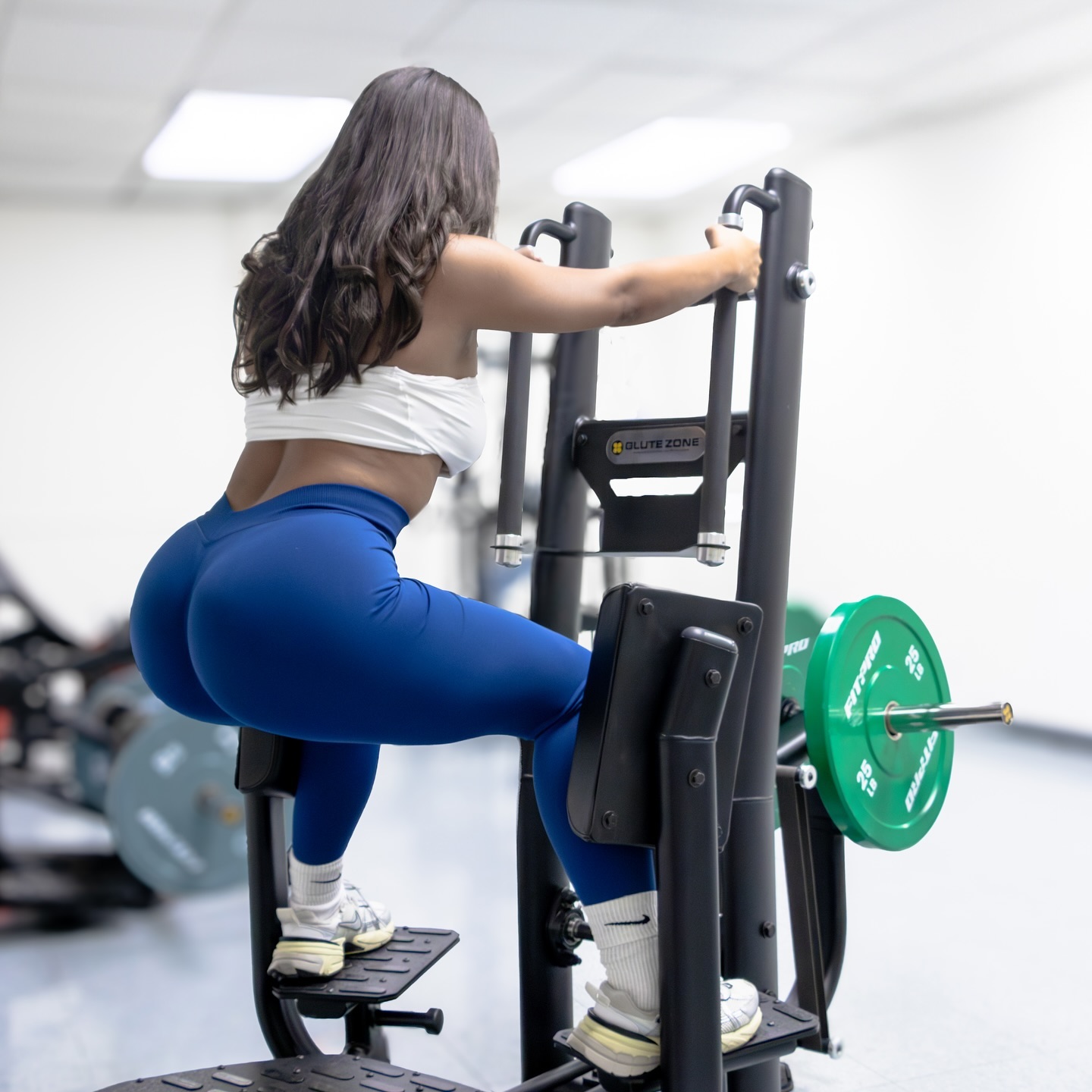
Credit: glutezone.com
How To Progress Your Glute Machine Workouts
Progress is key to building muscle. Here’s how to make sure you keep improving:
- Increase weight: Add small amounts of weight regularly.
- Add reps or sets: If you can do more than your target reps with good form, increase the challenge.
- Slow down reps: Try slow negatives (lowering phase) to make each rep harder.
- Pause at the top: Hold the contraction for a count or two at the hardest part of the movement.
- Try single-leg versions: Many machines allow you to train one side at a time for extra intensity.
Hidden insight: Progress isn’t just about weight. Better form, more control, and a stronger mind-muscle connection mean you’re on the right track.
Safety Tips For Glute Machine Training
Training hard is great, but safety comes first:
- Check the machine: Make sure pins, cables, and pads are in good shape before you start.
- Warm up well: Loosen up your hips and lower body with dynamic stretches.
- Don’t lock your knees: Keep a slight bend to protect your joints.
- Listen to your body: Sharp pain or discomfort is a sign to stop and reassess.
- Get help if unsure: Ask a trainer or gym staff if you’re not sure how to use a machine.

Credit: www.youtube.com
Unique Insights Most Beginners Miss
- Foot pressure matters: On machines like the leg press, pushing through your heels activates your glutes more than pushing through your toes.
- Angle changes small, results big: A shift of just an inch or two in your foot or seat position can dramatically change which muscles you feel working.
- Don’t skip the abductor/adductor machines: Even though they look simple, they balance your glute muscles and prevent injury.
- Recovery is part of growth: Muscles grow when you rest. Overtraining glutes (especially on machines) can lead to soreness and slow progress.
Who Should Use Glute Machines?
Glute workout machines are useful for almost everyone:
- Beginners: Machines teach proper movement patterns.
- Athletes: Machines allow for targeted glute training to improve speed and power.
- Older adults: Machines provide safe support and reduce the risk of falls.
- People recovering from injury: Machines can be adjusted to avoid painful movements.
- Anyone wanting better glute shape or strength
Glute Machine Myths And Truths
Myth: Machines Are Only For Beginners.
Truth: Even advanced lifters use machines to isolate glutes, add volume, or train around injuries.
Myth: Machines Can’t Build “real” Strength.
Truth: You can lift heavy and build strong glutes with machines, especially with progressive overload.
Myth: The Abductor Machine Is Just For “toning.”
Truth: Strong abductors are critical for hip health and athletic performance.
Additional Resources
If you want to learn more about the science behind glute training, check out this Wikipedia article on gluteus maximus for more detail on anatomy and function.
Frequently Asked Questions
What Is The Best Glute Workout Machine For Beginners?
The hip thrust machine is often the best starting point. It’s easy to use, very safe, and isolates the glutes well. The adjustable design helps you learn good form and build confidence.
How Often Should I Use Glute Machines For Best Results?
For most people, 2–3 sessions per week with rest days in between is ideal. This gives your muscles time to recover and grow. Mix heavy and light days for best results.
Can I Build Big Glutes Using Only Machines?
Yes, you can. Machines let you add weight, use good form, and isolate the glutes. For even better results, combine machines with free-weight or bodyweight exercises.
Are Glute Machines Safe For People With Back Pain?
Most glute machines—like the hip thrust or reverse hyperextension—are designed to protect your lower back. Always start light, focus on form, and check with your doctor if you have injuries.
How Long Does It Take To See Results With Glute Machines?
Most people see changes in 4–8 weeks with consistent training, good nutrition, and enough rest. Visible results depend on your starting point and how hard you train.
Getting stronger, rounder glutes is possible for anyone with the right plan and commitment. Glute workout machines make training more focused, safer, and often more fun. Choose the right machines, adjust them to fit your body, and train with purpose.
Over time, you’ll see not just a better shape, but also better movement, posture, and confidence.
