

Glute Workout at Home: Sculpt Stronger Glutes Fast
Glute Workout At Home: Build Stronger Glutes Without The Gym
Building strong, toned glutes is a goal for many people. But not everyone can go to the gym. Maybe you don’t have the time, or you prefer working out in private. The good news is you can train your glute muscles right at home. With the right exercises, you’ll see real results—better strength, shape, and confidence.
This guide will show you how to create a glute workout at home that fits your life. You’ll learn which exercises are best, how to build a routine, and ways to avoid common mistakes. We’ll also cover glute anatomy, workout tips, and answer the most asked questions. Whether you’re a beginner or want to level up, you’ll find practical advice and clear steps to make your glute workouts effective.
Why Strong Glutes Matter
The glutes are more than just muscles for appearance. They play a key role in movement, stability, and injury prevention. Your glute muscles—gluteus maximus, gluteus medius, and gluteus minimus—help you walk, run, stand, and lift. Weak glutes can lead to back pain, knee problems, and poor posture.
Research shows stronger glutes improve performance in sports and daily life. They help you jump higher, run faster, and lift heavier. People with active glutes are less likely to get injured during physical activity. So, training your glutes is not just about looks—it’s about function, health, and confidence.
Glute Anatomy And Function
Understanding your glute muscles helps you choose better exercises. The glutes have three main parts:
| Glute Muscle | Main Function | Exercise Example |
|---|---|---|
| Gluteus Maximus | Hip extension (moving thigh back) | Hip thrust, squat |
| Gluteus Medius | Hip abduction (moving thigh to the side) | Side-lying leg raise, lateral band walk |
| Gluteus Minimus | Stabilizes hip, supports movement | Clamshell, single-leg squat |
Each glute muscle has a special job. The gluteus maximus is the biggest muscle. It gives your hips power to move and stand up. The gluteus medius and minimus help keep your hips stable and move your legs outward. Doing a mix of exercises targets all parts for best results.
Benefits Of Glute Workouts At Home
Working out your glutes at home has unique advantages:
- Convenience: You can train anytime, no need to travel.
- Privacy: Perfect for those who feel shy or uncomfortable at gyms.
- Cost savings: No gym membership or expensive equipment needed.
- Flexible routines: You can adjust exercises to your level or goals.
Studies show bodyweight exercises can activate glutes almost as well as gym machines. With consistency and good form, you can get a strong, toned backside without leaving your house.
Essential Glute Exercises For Home
You don’t need fancy equipment to build your glutes. Here are some of the most effective glute exercises you can do at home:
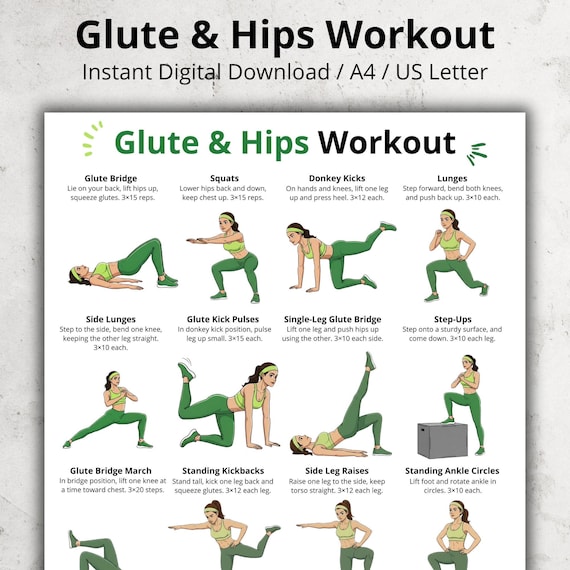
1. Bodyweight Squats
Squats are a classic. They target the gluteus maximus and also work your legs.
How to do:
- Stand with feet shoulder-width apart.
- Lower your hips as if sitting in a chair.
- Keep chest up, knees behind toes.
- Push through heels to stand up.
Tips:
- Go as low as you can without pain.
- Keep back straight.
2. Glute Bridges
This move activates the whole glute area, especially the maximus.
How to do:
- Lie on your back, knees bent, feet flat.
- Push hips up, squeeze glutes.
- Lower back down slowly.
Tips:
- Don’t arch your back.
- Hold at the top for extra burn.
3. Bulgarian Split Squats
A single-leg squat variation that targets each glute individually.
How to do:
- Stand in front of a chair or bench.
- Place one foot behind you on the chair.
- Lower front knee, keep chest up.
- Push through front heel to stand up.
Tips:
- Start slow, use wall for balance.
- Switch legs after each set.
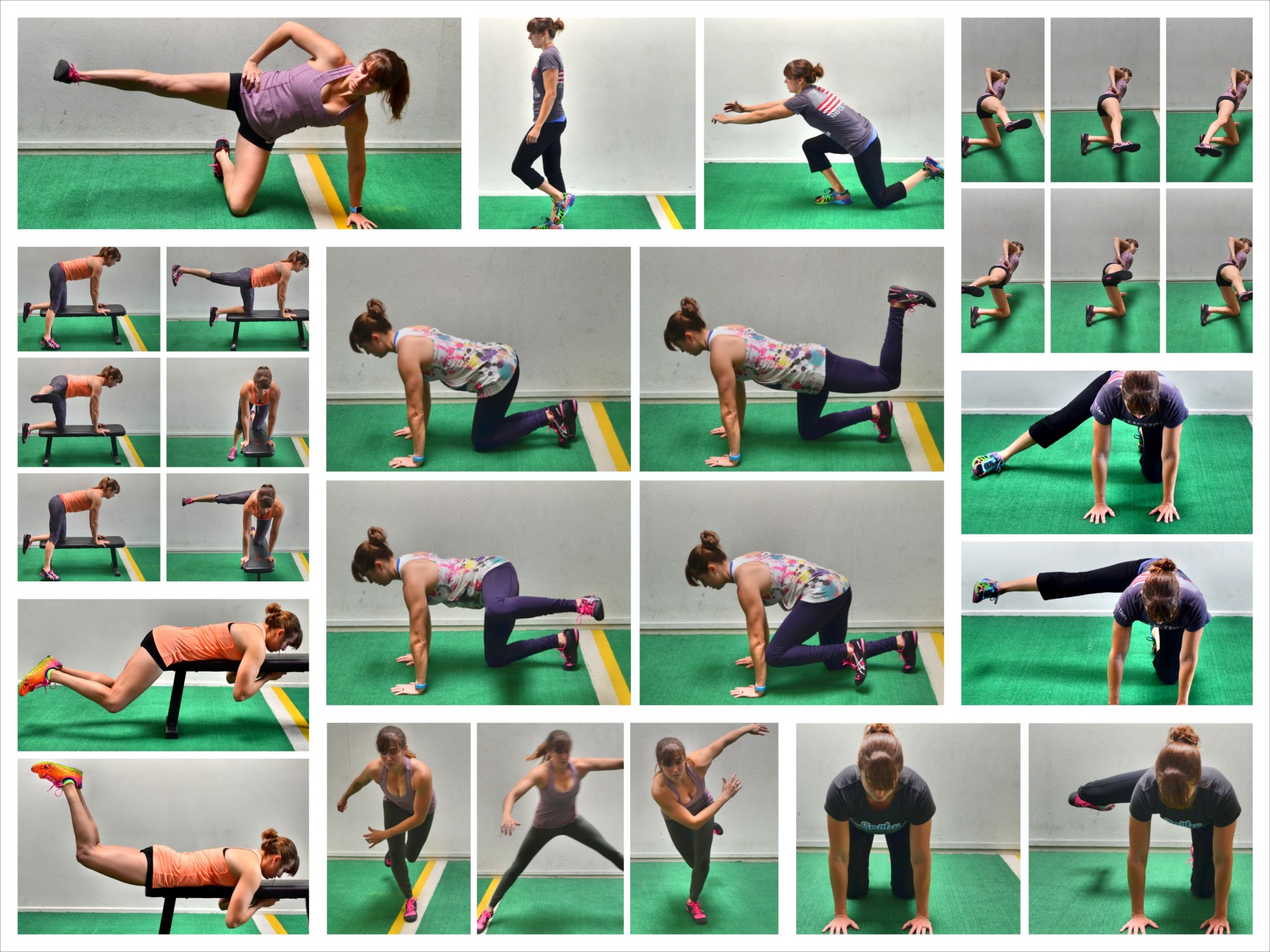
4. Donkey Kicks
Great for isolating glute muscles.
How to do:
- Kneel on all fours.
- Lift one leg, keeping knee bent.
- Squeeze glute at the top.
- Lower leg back down.
Tips:
- Keep movement controlled.
- Don’t arch lower back.
5. Fire Hydrants
Targets glute medius and minimus.
How to do:
- Kneel on hands and knees.
- Lift one leg to side, knee bent.
- Lower back down.
Tips:
- Avoid twisting torso.
- Use slow, steady movements.
6. Single-leg Glute Bridge
Adds challenge and works stabilizer muscles.
How to do:
- Lie on back, one knee bent, other leg straight.
- Push hips up, squeeze glutes.
- Lower back down.
Tips:
- Keep hips level.
- Alternate legs.
7. Clamshells
Perfect for activating smaller glute muscles.
How to do:
- Lie on your side, knees bent.
- Open top knee like a clamshell.
- Keep feet together.
Tips:
- Don’t roll hips backward.
- Use band for extra resistance.
8. Step-ups
Works glutes plus core and legs.
How to do:
- Find a step or sturdy chair.
- Step up, drive through heel.
- Step back down.
Tips:
- Keep knee over ankle.
- Switch legs.
9. Lateral Band Walks
Strengthens glute medius for hip stability.
How to do:
- Place resistance band around thighs.
- Slight squat, step side-to-side.
Tips:
- Stay low.
- Move slowly for control.
10. Hip Thrusts (using Couch Or Chair)
A powerful glute builder.
How to do:
- Sit with upper back against couch.
- Feet flat, knees bent.
- Push hips up, squeeze glutes.
- Lower down.
Tips:
- Keep chin tucked.
- Hold at top for extra intensity.
Sample Glute Workout Routine At Home
Putting exercises together makes your workout more effective. Here’s a sample routine for beginners and intermediate levels. Adjust sets and reps as needed.
Beginner Routine
- Bodyweight Squats: 3 sets x 12 reps
- Glute Bridges: 3 sets x 15 reps
- Donkey Kicks: 3 sets x 12 reps (each side)
- Clamshells: 3 sets x 15 reps (each side)
- Step-Ups: 3 sets x 10 reps (each side)
Rest 45–60 seconds between sets.
Intermediate Routine
- Bulgarian Split Squats: 3 sets x 12 reps (each side)
- Single-Leg Glute Bridge: 3 sets x 12 reps (each side)
- Fire Hydrants: 3 sets x 15 reps (each side)
- Lateral Band Walks: 3 sets x 20 steps
- Hip Thrusts: 3 sets x 15 reps
Rest 60–90 seconds between sets.
Non-obvious tip: Changing the order of exercises sometimes can help reduce muscle fatigue and improve activation. For example, starting with glute bridges before squats may help you feel your glutes working more.
Adding Resistance At Home
Bodyweight is great, but adding resistance makes your glutes work harder. Here are ways to increase challenge without gym equipment:
- Resistance bands: Cheap, easy to use, and perfect for glute exercises.
- Backpack with books: Use for squats, lunges, or hip thrusts.
- Water bottles or milk jugs: Hold during step-ups or squats.
Important insight: Many beginners forget to increase resistance as they get stronger. This slows progress. Try to add weight or use stronger bands every few weeks to keep improving.
Credit: redefiningstrength.com
How Often Should You Train Glutes?
Training frequency matters. For best results:
- Beginners: 2–3 times per week
- Intermediate/advanced: 3–4 times per week
Give your muscles time to recover between workouts. Muscles grow during rest, not just during training. If you feel sore, take an extra day off.
Common Mistakes In Home Glute Workouts
Avoiding mistakes keeps your workout safe and effective. Here are errors people often make:
- Poor form: Rushing or using bad technique reduces results and can cause injury.
- Neglecting smaller glutes: Only doing squats and hip thrusts misses the medius and minimus.
- No progression: Doing the same routine forever slows growth.
- Skipping warm-up: Cold muscles are more likely to get injured.
- Not enough rest: Training every day doesn’t let glutes recover.
Practical tip: Record yourself doing exercises or check in a mirror. This helps spot form errors you may not feel.
How To Warm Up Before Glute Workouts
Warming up wakes up your muscles and prevents injury. Try this simple warm-up:
- Jumping jacks: 1 minute
- Air squats: 1 minute
- Hip circles: 30 seconds each side
- Standing leg swings: 30 seconds each side
Non-obvious insight: Dynamic warm-ups work better than static stretching before glute workouts. They increase blood flow and prepare your muscles for movement.
Glute Activation: Why It Matters
Sometimes, your glutes don’t “turn on” during exercises. This is called glute amnesia or “sleepy glutes.” It happens after lots of sitting or weak muscles. Doing activation drills before workouts helps.
Activation drills:
- Glute bridge holds (hold top for 10–15 seconds)
- Mini-band walks (side-to-side)
- Single-leg hip thrusts
Spend 3–5 minutes on activation before your main workout. You’ll feel your glutes working harder and get better results.
How To Progress And Track Results
Tracking your progress keeps you motivated. Here’s how:
- Write down sets, reps, and resistance used.
- Take photos every few weeks to see changes.
- Note how exercises feel—are you getting stronger?
Data example: Studies show people who track their workouts are 40% more likely to reach their fitness goals.
Increase difficulty over time:
- Add more reps or sets
- Use stronger resistance bands
- Try harder variations (single-leg, plyometric, etc.)
Glute Workouts For Different Goals
Your goals shape your workout plan. Here are three common targets:
For Strength
- Use more resistance (backpack, bands)
- Focus on lower reps (8–12)
- Try harder moves (single-leg, weighted hip thrust)
For Shape And Tone
- Use higher reps (15–20)
- Add variety (different angles and exercises)
- Include both big and small glute moves
For Athletic Performance
- Add explosive movements (jump squats, plyometric lunges)
- Use quick, controlled reps
- Combine glute workouts with core and leg training
Expert insight: Mixing different rep ranges and exercise types gives the best overall glute development.
Glute Workout Modifications For Beginners And Advanced
Every fitness level can benefit from home glute workouts. Here’s how to adjust:
| Level | How to Modify | Example Exercise |
|---|---|---|
| Beginner | Use bodyweight only, focus on form | Bodyweight squats, glute bridges |
| Intermediate | Add resistance bands, increase reps | Lateral band walks, Bulgarian split squats |
| Advanced | Use weighted backpack, single-leg moves | Single-leg hip thrusts, plyometric step-ups |
Practical tip: If you find exercises too easy, slow down the movement or pause at the hardest point (like top of bridge).
Glute Workout Without Equipment
Even if you have zero equipment, you can still get a great glute workout. Here’s a routine:
- Squats: 4 sets x 15 reps
- Glute bridges: 4 sets x 20 reps
- Donkey kicks: 3 sets x 15 reps (each side)
- Fire hydrants: 3 sets x 15 reps (each side)
- Single-leg glute bridge: 3 sets x 12 reps (each side)
This routine uses only your bodyweight and floor space.
Glute Workout With Resistance Bands
Resistance bands make home workouts tougher. Try this routine:
- Band squats: 3 sets x 15 reps
- Band hip thrusts: 3 sets x 15 reps
- Lateral band walks: 3 sets x 20 steps
- Clamshells with band: 3 sets x 15 reps (each side)
- Standing band abductions: 3 sets x 12 reps (each side)
Bands help target glute medius and minimus, which are often missed in bodyweight-only routines.
Glute Workout With Household Items
You can use common items for extra resistance. Here’s how:
- Backpack with books: Wear during squats or step-ups.
- Laundry detergent bottles: Hold for lunges or hip thrusts.
- Sturdy chair: Use for Bulgarian split squats or hip thrusts.
Example routine:
- Weighted squats (backpack): 3 sets x 12 reps
- Hip thrusts (chair): 3 sets x 15 reps
- Step-ups (chair): 3 sets x 10 reps (each side)
Credit: www.steinerspub.com
Nutrition And Recovery For Glute Growth
Training is only half the story. Your body needs fuel and rest to grow stronger glutes.
Nutrition tips:
- Eat enough protein (chicken, eggs, beans, tofu)
- Include healthy fats (avocado, nuts)
- Drink plenty of water
Recovery tips:
- Sleep 7–8 hours per night
- Use foam roller or massage for sore muscles
- Take rest days seriously
Non-obvious insight: Many people forget to eat after workouts. A small meal or snack within 1–2 hours helps muscle recovery.
How Long Until You See Results?
Everyone wants fast results, but glute growth takes time. Most people notice changes in strength and shape in 4–8 weeks with regular training and proper nutrition.
Factors that affect progress:
- Consistency
- Workout intensity
- Nutrition quality
- Sleep and stress levels
Expert guidance: Don’t compare your progress to others. Genetics, diet, and effort all play a role. Focus on steady improvement, not instant changes.
Glute Workout Myths And Truths
There are many myths about glute workouts. Let’s set the record straight:
- Myth: Only squats build glutes.
- Truth: You need different moves to target all glute muscles.
- Myth: You must lift heavy weights.
- Truth: Bodyweight and bands can build strong glutes.
- Myth: Glute workouts make legs bulky.
- Truth: Training glutes shapes your backside, not just thighs.
- Myth: You need to work out every day.
- Truth: Muscles grow during rest, not just training.
- Myth: Cardio burns glute fat and builds muscle.
- Truth: Cardio helps with fat loss, but strength exercises build glutes.
Glute Workout For Men Vs. Women
Both men and women benefit from glute training. The basics are the same, but goals may differ.
| Goal | Men | Women |
|---|---|---|
| Strength | More resistance, lower reps | Moderate resistance, mixed reps |
| Shape | Focus on maximus, add medius/minimus | Focus on all glute parts, higher reps |
| Performance | Add explosive moves | Include stability and balance moves |
Expert advice: Both genders should train all glute muscles for best results. Don’t just focus on one area.
Safety Tips For Home Glute Workouts
Safety keeps you training longer. Follow these tips:
- Use clear space, free from clutter.
- Wear comfortable shoes or go barefoot if safe.
- Start slow, especially with new moves.
- Stop if you feel sharp pain.
- Use sturdy chairs or steps, not unstable surfaces.
Non-obvious insight: Many injuries happen from rushing or using poor equipment. Take time to set up your workout area.
Staying Motivated With Home Glute Workouts
Sticking to a routine is hard. Here’s how to stay motivated:
- Set clear goals (strength, shape, health)
- Track progress with a journal or app
- Join online workout groups
- Try new exercises every few weeks
- Reward yourself for consistency
Practical tip: Pair your workouts with music or podcasts you enjoy. This makes training feel less like a chore.
Credit: www.etsy.com
Advanced Glute Training Techniques
Once you feel comfortable, try advanced methods:
- Tempo training: Slow down the lowering phase for more muscle burn.
- Supersets: Do two exercises back-to-back with no rest.
- Plyometric moves: Add jump squats or explosive lunges.
Expert guidance: Use advanced techniques only if your form is solid. Don’t rush into harder moves.
Glute Workout For Busy People
If you have little time, you can still train glutes. Try this quick routine:
- Squats: 2 sets x 20 reps
- Glute bridges: 2 sets x 20 reps
- Donkey kicks: 1 set x 15 reps each side
This takes under 10 minutes but activates all glute parts.
Real-life Examples: Success Stories
Many people have built strong glutes at home. For example, Sarah, a busy mom, used bodyweight glute workouts for 12 weeks. She noticed stronger hips, better posture, and more confidence. Mark, a college student, added resistance bands to his routine and saw real muscle growth.
Data point: In surveys, over 70% of home exercisers report improved glute strength and shape after 2 months of regular training.
Resources For Glute Training
Want more guidance? Check out this high-authority resource for glute workout science and tips: Healthline.
Frequently Asked Questions
How Often Should I Train My Glutes At Home?
Most people should train glutes 2–3 times per week. Give at least one day between workouts for recovery. If you’re more advanced, you can increase to 3–4 times per week.
Can I Build Glute Muscle Without Weights?
Yes, you can build strong glutes with bodyweight exercises and resistance bands. Increasing reps, using one leg, or slowing down movements makes exercises harder.
What Is The Best Glute Exercise At Home?
There’s no single best exercise. Hip thrusts, glute bridges, squats, and lateral band walks are all excellent. Combine several moves for best results.
How Long Does It Take To See Glute Results?
With regular workouts and good nutrition, most people see visible changes in 4–8 weeks. Strength improves first, shape changes follow.
Why Are My Glutes Not Growing?
Common reasons include poor form, no progression, not enough resistance, or lack of protein. Try tracking your workouts, adjusting exercises, and eating enough to support muscle growth.
Building strong, healthy glutes at home is possible for anyone. With smart training, safe techniques, and steady progress, you’ll see results you can feel and see. Your glutes are key for movement, power, and confidence—so give them the attention they deserve.
