

Glute Muscle Workout: Top Exercises for a Stronger, Firmer Butt
Glute Muscle Workout: Build Strong, Powerful Glutes
If you want a strong, balanced body, focusing on your glute muscles is essential. The glutes are more than just the muscles that shape your hips and buttocks—they’re a powerhouse for movement, strength, and stability. Many people ignore glute training or do it incorrectly, which can lead to weak performance, injuries, or even back pain. This guide will help you understand the glute muscles, show the best workouts, and explain how to build glute strength safely. Whether you’re a beginner or an experienced athlete, you’ll find practical advice, expert tips, and answers to common questions.
Understanding The Glute Muscles
The glutes are a group of three muscles located in your buttocks. They play a key role in walking, running, jumping, and standing.
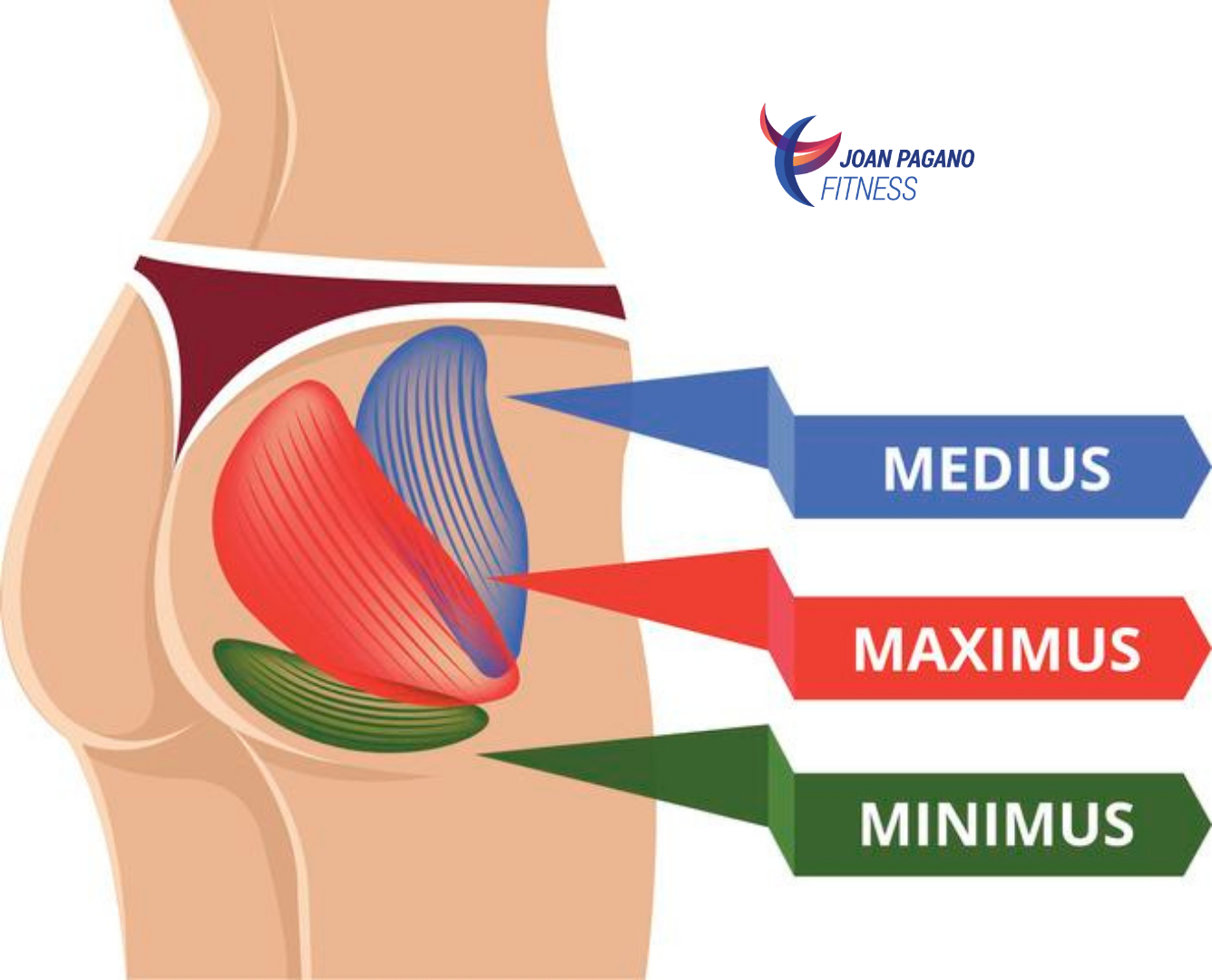
The Three Main Glute Muscles
- Gluteus maximus: The largest and strongest muscle in your body. It gives shape to your butt and helps with hip extension, such as when you stand up from sitting.
- Gluteus medius: Located on the outer side of your hip, it helps stabilize your pelvis when you walk or run.
- Gluteus minimus: The smallest glute muscle, found underneath the medius. It helps with hip rotation and keeping your pelvis level.
Why Strong Glutes Matter
- Better athletic performance: Powerful glutes help you jump higher, run faster, and lift heavier.
- Reduced injury risk: Strong glutes support your lower back and knees, lowering the chance of injuries.
- Improved posture: The glutes help keep your body upright and balanced.
- Daily movement: Simple actions like climbing stairs, standing up, or bending down depend on glute strength.
How Glute Training Works
Glute training is not just about doing squats or lunges. To build strong glutes, you need to target all three muscles and use different movement patterns.
Types Of Glute Movements
- Hip extension: Moving your thigh backward, like when you stand up or sprint.
- Hip abduction: Moving your leg away from your body’s center.
- Hip rotation: Turning your leg inward or outward.
Muscle Activation
Many people don’t activate their glutes fully during workouts. This means other muscles, like the thighs or lower back, do most of the work. Proper activation is key for growth and strength.
How To Activate Your Glutes
- Warm up with glute bridges or donkey kicks.
- Focus on squeezing your glutes during each repetition.
- Avoid rushing; slow, controlled movements are better.
Common Glute Workout Mistakes
Even experienced gym-goers make mistakes that limit their glute gains.
- Relying only on squats: Squats are great but don’t work all glute muscles equally.
- Ignoring hip thrusts: Hip thrusts are one of the best ways to build glute strength and size.
- Bad form: Poor technique can cause injury and reduce muscle activation.
- Not increasing resistance: Using the same weight for months will stall progress.
- Skipping warm-ups: Cold muscles don’t respond well and are more likely to be injured.
Top Glute Exercises For All Levels
Building strong glutes needs a mix of exercises that target all three muscles. Here are the most effective moves, with tips for beginners and advanced users.
1. Hip Thrust
The hip thrust is a powerful exercise for the gluteus maximus.
How to do it:
- Sit on the floor with your upper back against a bench.
- Place a barbell or weight across your hips.
- Roll your shoulders onto the bench, feet flat on the floor.
- Push your hips upward, squeezing your glutes at the top.
- Lower your hips and repeat.
Tip: Start with bodyweight if you’re new.
2. Glute Bridge
Similar to hip thrusts but easier for beginners.
Steps:
- Lie on your back, knees bent, feet flat.
- Lift your hips up, squeeze glutes, lower, and repeat.
3. Bulgarian Split Squat
Targets glutes and legs.
Steps:
- Stand in front of a bench.
- Place one foot behind you on the bench.
- Lower your body, bending your front knee.
- Push up and repeat.
4. Deadlift
Works glutes, hamstrings, and back.
Tip: Keep your back straight and don’t round your shoulders.
5. Step-up
Simple but effective.
Steps:
- Step onto a bench or box with one foot.
- Push through your heel to stand up.
- Lower and repeat.
6. Lateral Band Walk
Targets gluteus medius.
How to do it:
- Put a resistance band around your thighs.
- Step sideways, keeping tension on the band.
7. Donkey Kick
Easy for beginners, good for activation.
Steps:
- Kneel on all fours.
- Kick one leg backward and upward.
- Lower and repeat.
8. Clamshell
Great for gluteus medius and minimus.
Steps:
- Lie on your side, knees bent.
- Open your top knee while keeping feet together.
9. Single-leg Glute Bridge
Adds challenge and stability.
Steps:
- Lie on your back, knees bent.
- Lift one leg straight up.
- Push hips upward.
10. Sumo Squat
Wide stance puts focus on glutes.
Tip: Keep your toes pointed outward and knees in line.
11. Cable Kickback
Uses gym equipment for resistance.
How to do it:
- Attach ankle strap to cable machine.
- Kick your leg back, squeeze glutes.
12. Fire Hydrant
Works abduction and rotation.
Steps:
- Kneel on all fours.
- Lift one knee out to the side.
Sample Glute Workout Routines
You can choose from many routines, depending on your fitness level and goals.
Beginner Routine
Frequency: 2-3 times per week
- Glute Bridge – 3 sets x 12 reps
- Donkey Kick – 3 sets x 15 reps
- Clamshell – 3 sets x 12 reps (each side)
- Step-Up – 2 sets x 10 reps (each leg)
Rest: 60 seconds between sets
Intermediate Routine
Frequency: 3-4 times per week
- Hip Thrust – 4 sets x 10 reps
- Bulgarian Split Squat – 3 sets x 12 reps (each leg)
- Lateral Band Walk – 3 sets x 15 steps (each direction)
- Deadlift – 3 sets x 8 reps
Rest: 90 seconds between sets
Advanced Routine
Frequency: 4-5 times per week
- Barbell Hip Thrust – 5 sets x 8 reps
- Single-Leg Glute Bridge – 4 sets x 10 reps (each leg)
- Cable Kickback – 4 sets x 12 reps (each leg)
- Sumo Squat – 4 sets x 10 reps
- Fire Hydrant – 3 sets x 15 reps (each leg)
Rest: 90-120 seconds between sets
Glute Training For Different Goals
Not everyone wants the same results. Some want bigger glutes, others want strength or endurance.
For Size
- Use heavier weights
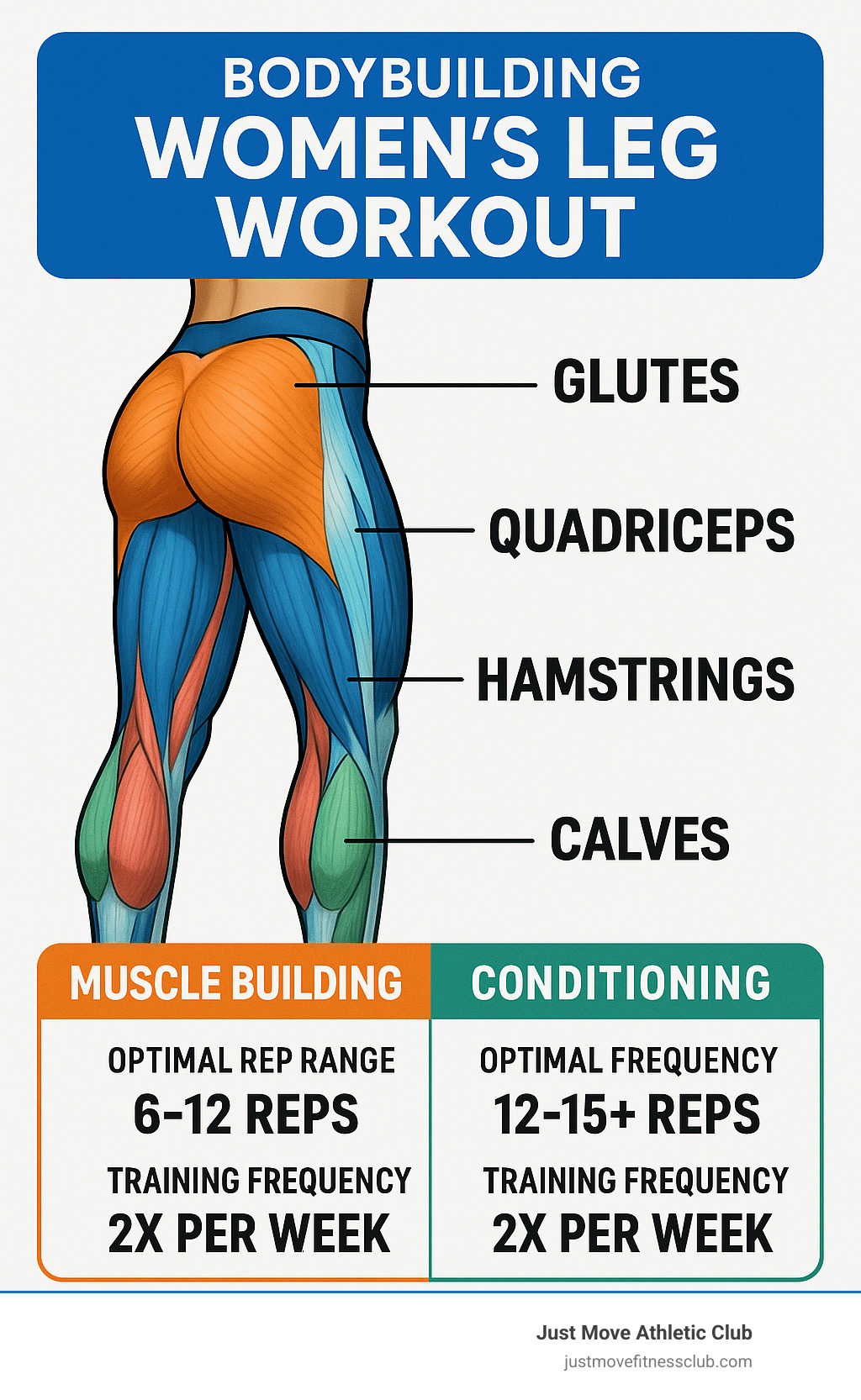
- Lower reps (6-12)
- Focus on hip thrusts, deadlifts, and squats
For Strength
- Even heavier weights
- Fewer reps (3-6)
- Compound movements
For Endurance
- Lighter weights
- Higher reps (15-20)
- Include band walks, clamshells
For Sports Performance
- Mix strength and speed
- Include plyometric moves (jump squats, box jumps)
- Focus on stability with single-leg exercises
Credit: www.joanpaganofitness.com
Comparing Glute Exercises
Some exercises are better than others for certain goals. Here’s a quick comparison:
| Exercise | Main Glute Target | Strength | Size | Endurance |
|---|---|---|---|---|
| Hip Thrust | Maximus | High | High | Medium |
| Glute Bridge | Maximus | Medium | Medium | High |
| Bulgarian Split Squat | Medius/Maximus | High | Medium | Medium |
| Lateral Band Walk | Medius | Low | Low | High |
| Deadlift | Maximus | High | Medium | Low |
Glute Activation Vs. Glute Strength
Sometimes muscles look strong but aren’t fully activated. Activation means your glutes work during movements, not just your thighs or back.
| Feature | Activation | Strength |
|---|---|---|
| How it's trained | Light, focused moves | Heavy resistance |
| Key exercise | Clamshell, fire hydrant | Hip thrust, deadlift |
| Purpose | Improve movement | Increase force |
| Common mistake | Skipping warm-up | Bad form |
Glute Workout Equipment
You can train your glutes with simple tools or advanced gym gear.
Bodyweight
- Good for beginners and home workouts
- No equipment needed
Resistance Bands
- Adds tension, targets smaller glute muscles
- Cheap, portable
Dumbbells And Barbells
- For heavier resistance
- Needed for hip thrusts, squats, deadlifts
Cable Machines
- For isolation moves like kickbacks
Practical Tip
Beginners often try to use heavy weights too soon. Start light and focus on form. You’ll see better results and avoid injury.
Glute Workout Progression
Progression means making your workouts harder over time. This is important for muscle growth.
Ways To Progress
- Increase weight: Use heavier dumbbells or barbells.
- Add reps: Do more repetitions per set.
- Add sets: Do more sets of each exercise.
- Change tempo: Move slower or faster.
- Use single-leg moves: Harder for balance and stability.
Example Progression
If you start with 3 sets of 10 glute bridges, next week try 3 sets of 12. After that, add weight or move to hip thrusts.

Credit: www.youtube.com
Glute Training Frequency
How often should you train your glutes? Most experts recommend 2-4 times per week. More isn’t always better—your muscles need rest to grow.
Recovery Tips
- Give at least 48 hours between intense glute workouts.
- Stretch after training.
- Use foam rollers for muscle release.
Nutrition For Glute Growth
Exercise alone won’t build strong glutes. Nutrition matters.
Key Nutrients
- Protein: Needed for muscle repair and growth. Aim for 0.7–1 gram per pound of bodyweight.
- Carbohydrates: Gives energy for workouts.
- Healthy fats: Helps hormone balance.
Hydration
Drink enough water. Muscles work best when hydrated.
Example Meal
A simple post-workout meal: grilled chicken, brown rice, avocado, spinach, and water.
Glute Workout For Men Vs. Women
Both men and women need strong glutes, but their goals and bodies can differ.
| Aspect | Men | Women |
|---|---|---|
| Common goal | Strength, power | Shape, tone |
| Exercise focus | Hip thrust, deadlift | Glute bridge, band walks |
| Hormonal factors | Higher testosterone | Higher estrogen |
| Fat distribution | Lower body | Hips, buttocks |
Practical Insight
Many women worry about “bulking up. ” In reality, building glute muscle leads to a firmer, rounder shape—not just size. Men may need to focus more on strength, while women can use higher reps for endurance and tone.
Glute Workouts For Different Ages
Glute training benefits everyone, from teenagers to older adults.
Teens
- Use bodyweight and band moves.
- Focus on form, not heavy weights.
Adults
- Mix weights and bodyweight.
- Add resistance gradually.
Seniors
- Use low-impact moves like glute bridges and step-ups.
- Avoid heavy squats if balance is weak.
Key Insight
Older adults often lose glute strength, which can lead to falls or back pain. Training glutes helps prevent these issues.
Credit: justmovefitnessclub.com
Glute Training For Sports
Athletes in many sports need strong glutes.
Runners
- Glute medius prevents knee injuries.
- Hip thrusts, band walks, and single-leg moves help.
Cyclists
- Glute maximus powers each pedal stroke.
- Include deadlifts and step-ups.
Jumpers
- Hip extension is key.
- Use hip thrusts and plyometric squats.
Soccer And Basketball Players
- Need stability and explosive movement.
- Mix strength and agility drills.
How To Avoid Injury
Glute workouts can cause injury if done wrong. Here’s how to stay safe:
- Warm up: Start with 5–10 minutes of light cardio and glute activation.
- Check your form: Use mirrors or film yourself.
- Start slow: Don’t rush into heavy weights.
- Listen to your body: Stop if you feel pain (not just muscle soreness).
- Stretch after workouts: Prevents tightness.
Non-obvious Insights For Glute Training
- Mind-muscle connection: Focusing mentally on your glutes during exercise boosts activation and results. Many beginners miss this.
- Glute imbalance: Often, one glute is weaker than the other. Single-leg exercises help correct this imbalance.
- Posture impact: Sitting for hours weakens glutes. Stand or walk regularly and include glute activation moves in your routine.
- Sleep matters: Poor sleep slows muscle recovery. Aim for 7–9 hours nightly.
Tracking Glute Progress
Measuring your results helps keep you motivated.
Ways To Track
- Take photos: Every few weeks, from different angles.
- Measure: Use a tape to check hip and thigh circumference.
- Performance: Track how much weight you lift or how many reps you do.
Example Progress Chart
| Week | Hip Thrust Weight | Glute Bridge Reps | Hip Circumference |
|---|---|---|---|
| 1 | 50 lbs | 15 | 36 in |
| 4 | 70 lbs | 18 | 36.5 in |
| 8 | 90 lbs | 20 | 37 in |
How Long Until You See Results?
Most people notice changes in 4–8 weeks if they train consistently. Results depend on effort, nutrition, and genetics. Don’t compare yourself to others; focus on your own progress.
Glute Workout Myths
There are many myths about glute training. Here are the most common:
- Squats are all you need: Not true. You need variety.
- Heavy weights will make you bulky: Building muscle takes time and effort. Most people don’t bulk up easily.
- You can spot-reduce fat: Exercise shapes muscles, but fat loss happens across the whole body.
- Glute workouts are only for women: Everyone benefits from strong glutes.
Adapting Glute Workouts For Home
You don’t need a gym to train your glutes. At home, you can do:
- Glute bridges
- Donkey kicks
- Clamshells
- Step-ups (use a sturdy chair)
- Lateral band walks (with a loop band)
Tip: If you don’t have weights, fill a backpack with books for added resistance.
Glute Training And Back Pain
Weak glutes often lead to lower back pain. Strengthening glutes helps support the spine and improves posture. If you have back pain, start with gentle moves and progress slowly.
Example Weekly Glute Workout Schedule
Here’s a sample schedule for balanced training:
Monday: Hip thrusts, glute bridges, clamshells
Wednesday: Deadlifts, Bulgarian split squats, band walks
Friday: Step-ups, single-leg glute bridges, fire hydrants
Rest on other days, or do light cardio and stretching.
Extra Tips For Better Glute Results
- Change your routine every 4–6 weeks: Prevents plateaus.
- Add plyometric moves: Jump squats and box jumps increase power.
- Train glutes after legs: Your glutes will be more warmed up and ready.
- Use mirrors: Helps check your form.
- Keep your core strong: Core strength helps glute activation.
Resources For Glute Training
If you want more information, check out the National Institutes of Health for scientific studies on muscle growth and exercise.
Frequently Asked Questions
What Is The Best Exercise For Building Glutes?
The hip thrust is widely considered the best for glute growth. It targets the gluteus maximus directly and allows you to use heavy weights safely. Hip thrusts activate more glute muscle than most other moves.
How Often Should I Train My Glutes?
Most experts recommend 2–4 times per week. More than this may not give your muscles time to recover. Rest is just as important as training.
Can I Train Glutes At Home Without Equipment?
Yes. Exercises like glute bridges, donkey kicks, clamshells, and step-ups can all be done at home. Resistance bands can add extra challenge.
Why Do I Feel Glute Workouts In My Thighs?
If you feel glute exercises mostly in your thighs (quadriceps or hamstrings), you may not be activating your glutes properly. Focus on squeezing your glutes and check your form.
How Long Does It Take To See Results From Glute Workouts?
Most people see results in 4–8 weeks if they train consistently and eat well. Progress depends on effort, nutrition, and genetics.
Building strong glutes takes patience, smart training, and good nutrition. Focus on quality exercises, proper form, and gradual progression. With the right approach, you’ll see better performance, improved posture, and a healthier body. Remember, strong glutes help you move, feel, and look your best—no matter your age or fitness level.
