

Glute Kickback Workout: Sculpt Stronger, Rounder Glutes Fast
Glute Kickback Workout
Building strong, rounded, and toned glutes is a common fitness goal. For many, the glute kickback workout is the answer. This exercise targets the glute muscles directly, helping you achieve better shape, strength, and stability. Whether you want to improve your athletic performance, boost your confidence, or simply support your daily movements, glute kickbacks are an effective and simple solution.
You don’t need expensive gym equipment or advanced skills to start. Even beginners can see results with proper form, consistency, and a smart workout plan. By understanding the right techniques, variations, and common mistakes, you’ll maximize your results and avoid injuries. In this guide, you’ll learn everything you need to know about glute kickbacks: how to do them, why they matter, and how to make your workout routine more powerful.
What Are Glute Kickbacks?
Glute kickbacks are a bodyweight or resistance exercise that isolates the gluteus maximus—the largest muscle in your buttocks. The movement involves kicking your leg back, usually from a kneeling or standing position, to activate the glutes. This exercise is popular because it’s easy to learn, doesn’t require much space, and can be adapted for all fitness levels.
There are several types of glute kickbacks:
- Bodyweight kickbacks: Done without equipment, using only your own body.
- Cable kickbacks: Use a cable machine for resistance.
- Resistance band kickbacks: Add a band for extra challenge.
- Machine kickbacks: Use a dedicated glute machine at the gym.
Each variation targets your glutes in slightly different ways, which helps with muscle development and prevents workout boredom.
The Science Behind Glute Kickbacks
The glute muscles are not only about appearance. They play a key role in hip extension, balance, and posture. Strong glutes help you walk, run, jump, and lift safely. When these muscles are weak, other muscles compensate, which can cause pain or injuries.
A study published in the Journal of Strength and Conditioning Research found that glute kickbacks activate the gluteus maximus more than some other popular exercises, including squats and lunges. This makes kickbacks valuable for building muscle and improving function.
Here’s a simple look at muscle activation during glute kickbacks:
| Exercise | Glute Activation (EMG %) | Hamstring Activation (EMG %) |
|---|---|---|
| Glute Kickback | 78% | 36% |
| Squat | 62% | 49% |
| Lunge | 59% | 52% |
This table shows that glute kickbacks focus more on the glutes and less on the hamstrings. So, if your goal is to grow and strengthen your buttocks, kickbacks are a smart choice.
:max_bytes(150000):strip_icc()/Cable-Kickback-47f64e410484455eb9edb863625da9df.jpg)
Credit: www.shape.com
Benefits Of Glute Kickback Workouts
Glute kickbacks are more than just a butt exercise. Here are the main benefits:
- Better glute activation: Kickbacks directly target the gluteus maximus.
- Improved balance and stability: Strong glutes help you stay steady during movement.
- Reduced injury risk: Activating your glutes helps prevent lower back and knee pain.
- Enhanced athletic performance: Athletes rely on glute strength for speed and power.
- Functional movement: Daily activities like climbing stairs or lifting objects become easier.
- Accessible for all: You can do kickbacks anywhere, with or without equipment.
Many beginners think only squats or lunges will shape their glutes. But kickbacks are often more effective, especially for muscle isolation. This is a non-obvious insight many overlook.
Anatomy: Muscles Worked In Glute Kickbacks
Understanding which muscles are activated helps you get the most from your workout. Glute kickbacks focus on the following:
- Gluteus maximus: The main muscle responsible for hip extension.
- Gluteus medius: Helps stabilize your hips and pelvis.
- Gluteus minimus: Supports hip movement and balance.
- Hamstrings: Assist in hip extension, but less than the glutes.
- Core muscles: Stabilize your spine during the movement.
You’ll also engage your lower back and supporting muscles, but the glutes do most of the work. This targeted activation leads to faster growth and strength improvements.
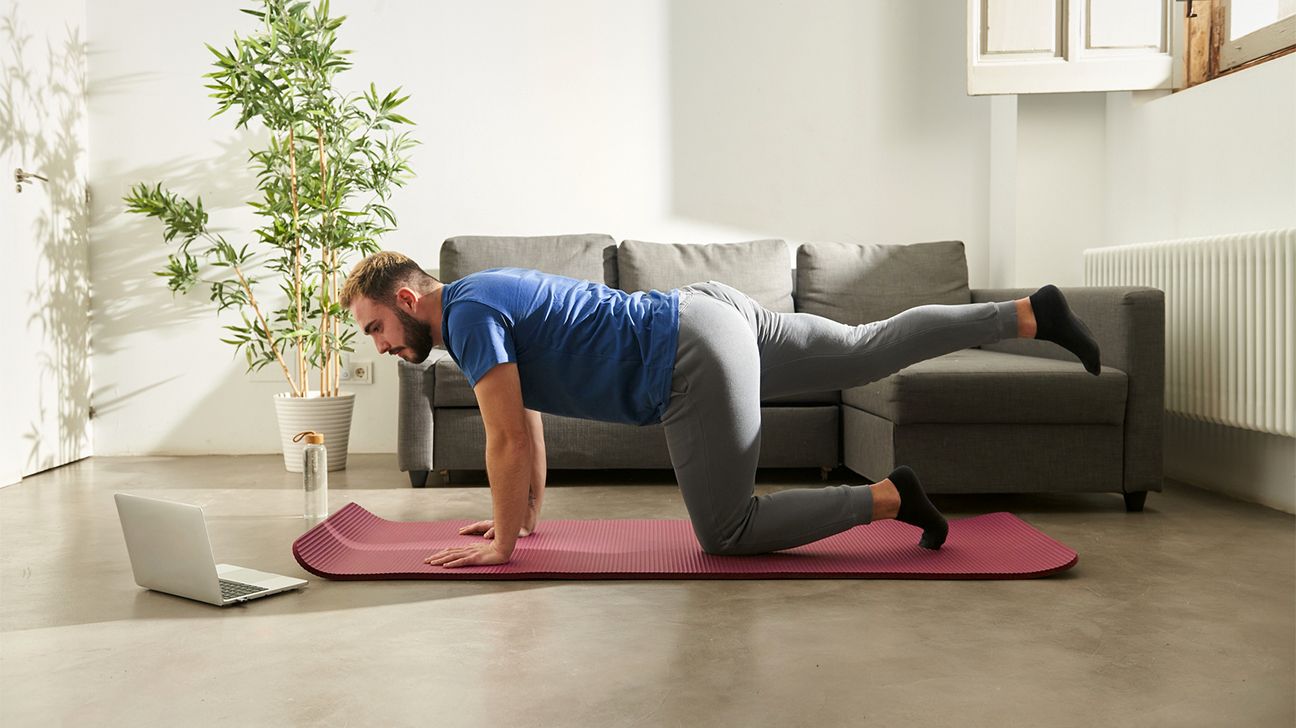
Credit: greatist.com
How To Do Glute Kickbacks: Step-by-step Guide
Performing glute kickbacks correctly is essential for results and safety. Here’s a step-by-step guide for the classic bodyweight version:
- Start in a tabletop position: Get on all fours, with hands under shoulders and knees under hips.
- Brace your core: Keep your back straight and abs tight.
- Lift one leg: Bend your knee, then slowly kick your foot upward and back, keeping your hip stable.
- Pause and squeeze: Hold at the top for a second, focusing on the glute contraction.
- Lower your leg: Return to the starting position with control.
- Repeat: Complete your set, then switch legs.
Aim for 12–15 reps per leg and 3–4 sets. Remember to keep your movements slow and controlled. Fast, jerky motions reduce effectiveness and increase injury risk.
Practical tip: Beginners often forget to squeeze their glutes at the top. This simple step boosts muscle activation and results.
Common Glute Kickback Variations
Variety keeps your workouts interesting and challenges your muscles in new ways. Here are popular glute kickback variations:
- Standing kickback: Stand upright, hold onto a wall or chair, and kick your leg back.
- Cable kickback: Attach an ankle strap to a cable machine and kick back against resistance.
- Resistance band kickback: Loop a band around your ankles and kick back, increasing tension.
- Donkey kick: Similar to the classic kickback, but with a bent knee and a higher range of motion.
- Glute machine kickback: Use the gym machine designed for glute kickbacks.
Each variation can be adjusted for your fitness level. For example, beginners may start with bodyweight or banded kickbacks, while advanced users can add cables or machines for more resistance.
Glute Kickback Workout Routine
A well-structured routine ensures balanced progress. Here’s a sample glute kickback workout you can try at home or in the gym:
Warm-up: 5–8 minutes of light cardio (walking, jogging, or cycling) and dynamic stretching.
Main workout:
- Bodyweight glute kickbacks: 3 sets x 15 reps (each leg)
- Resistance band kickbacks: 3 sets x 12 reps (each leg)
- Standing kickbacks: 3 sets x 12 reps (each leg)
- Donkey kicks: 3 sets x 15 reps (each leg)
Cool-down: 5 minutes of stretching, focusing on glutes, hamstrings, and lower back.
Tip: For best results, perform this routine 2–3 times per week. Rest at least 48 hours between sessions to allow muscles to recover and grow.
Equipment For Glute Kickbacks
You don’t need much to start, but some equipment can help you progress:
- Resistance bands: Affordable, portable, and easy to use.
- Cable machines: Found in most gyms, provide adjustable resistance.
- Glute kickback machine: Designed for isolated glute work.
- Ankle weights: Add resistance to bodyweight kickbacks.
- Yoga mat: Offers comfort for floor-based exercises.
Here’s a quick comparison of equipment options:
| Equipment | Cost | Portability | Suitable for Beginners? |
|---|---|---|---|
| Resistance Bands | Low | High | Yes |
| Cable Machine | High | Low | Yes |
| Ankle Weights | Medium | High | Yes |
| Glute Machine | Very High | Low | No |
| Yoga Mat | Low | High | Yes |
If you’re just starting, resistance bands or ankle weights are a good investment. They’re easy to carry and don’t require much space.
Glute Kickbacks Vs. Other Glute Exercises
Many people wonder how glute kickbacks compare to other popular exercises. Here’s a look at three common options:
- Squats: Great for building lower body strength, but they also work the quads and hamstrings.
- Hip thrusts: Powerful glute builder, but require equipment and more setup.
- Lunges: Good for overall leg development, but less glute isolation.
Let’s compare these exercises:
| Exercise | Glute Isolation | Equipment Needed | Beginner Friendly |
|---|---|---|---|
| Glute Kickback | High | Minimal | Yes |
| Squat | Medium | None/Barbell | Yes |
| Hip Thrust | Very High | Barbell/Bench | No |
| Lunge | Medium | None/Dumbbell | Yes |
This comparison shows glute kickbacks are simple, require little equipment, and provide strong glute isolation. If you have limited space or time, kickbacks are ideal.
Proper Form And Technique Tips
Form is crucial for safety and effectiveness. Here are practical tips to keep your technique clean:
- Keep your back flat: Avoid arching or rounding your spine.
- Engage your core: Stabilize your body to prevent shifting.
- Move slowly: Control each rep to maximize muscle engagement.
- Squeeze at the top: Hold for a second to activate the glutes fully.
- Don’t swing your leg: Use your muscles, not momentum.
A common mistake is letting your lower back do the work. Focus on your glutes and keep your hips square. If you feel pain in your back or hips, adjust your form.
Non-obvious insight: Many people forget to breathe properly during kickbacks. Exhale as you kick back, inhale as you return. This supports muscle contraction and prevents fatigue.
How To Progress Your Glute Kickback Workout
Progression is important for muscle growth. Here’s how you can advance your routine:
- Increase reps or sets: Add more repetitions or sets as you get stronger.
- Add resistance: Use bands, weights, or cables for greater challenge.
- Try advanced variations: Experiment with single-leg, paused, or weighted kickbacks.
- Slow down tempo: Perform reps more slowly to boost time under tension.
- Combine with other exercises: Pair kickbacks with squats, lunges, or hip thrusts.
Tracking your progress helps motivation and ensures you’re improving. Record your reps, sets, and resistance used. If you plateau, change your routine or increase intensity.
Glute Kickbacks For Different Fitness Levels
Glute kickbacks are adaptable. Here’s how to approach them based on your experience:
Beginners
- Start with bodyweight kickbacks.
- Focus on form and muscle connection.
- Perform 2–3 times weekly.
Intermediate
- Add resistance bands or ankle weights.
- Increase reps and sets.
- Try cable kickbacks or machine variations.
Advanced
- Use heavy resistance.
- Incorporate paused reps or slow tempo.
- Combine kickbacks with compound glute exercises.
Tip: Everyone progresses differently. Listen to your body and adjust as needed.
Glute Kickbacks For Athletes And Sports
Athletes need strong glutes for speed, power, and injury prevention. Kickbacks are often used in sports training because they:
- Improve sprint performance by boosting hip extension.
- Support jumping and agility movements.
- Reduce risk of hamstring and lower back injuries.
Soccer, track, basketball, and football players benefit from glute kickbacks. Coaches often include them in warm-ups or strength sessions. Adding kickbacks to your training can give you a performance edge.
Glute Kickback Workout For Home
You don’t need a gym to get results. Here’s a simple home routine:
Warm-up: 5 minutes of light cardio.
Main workout:
- Bodyweight glute kickbacks: 3 sets x 15 reps
- Resistance band kickbacks: 3 sets x 12 reps
- Standing kickbacks: 3 sets x 10 reps
Cool-down: Stretch glutes, hamstrings, and lower back.
If you have ankle weights or bands, use them for extra challenge. The key is consistency and good form.
Glute Kickbacks For Women
Women often focus on glute workouts for shape and tone. Kickbacks are especially helpful because:
- They build muscle without bulking up legs.
- They improve hip stability, which supports pelvic health.
- They’re easy to do at home or in the gym.
Women of all ages can benefit. For best results, combine kickbacks with other glute exercises and maintain a balanced routine.
Glute Kickbacks For Men
Men may overlook glute training, but strong glutes are critical for sports, lifting, and injury prevention. Kickbacks help:
- Boost power in athletic movements.
- Support heavy lifts like deadlifts and squats.
- Prevent lower back pain.
Adding kickbacks to your routine improves strength and shape. Don’t skip glute work—it pays off in performance and health.
Common Mistakes And How To Avoid Them
Mistakes can slow progress or cause injuries. Watch for these:
- Arching the lower back: Keep your spine neutral.
- Using momentum: Move slowly, focus on muscle contraction.
- Not squeezing glutes: Pause and squeeze at the top.
- Letting hips rotate: Keep hips square to the ground.
- Skipping warm-up: Prepare your muscles for exercise.
If you notice pain or discomfort, check your form. Filming yourself or working with a coach can help.
Glute Kickback Workout Myths
There are several myths about glute kickbacks:
- “Kickbacks only shape the butt, not build muscle.” False. Kickbacks can build muscle with enough resistance and volume.
- “You need expensive equipment.” Not true. Bands or bodyweight are effective.
- “Kickbacks are only for women.” Wrong. Men benefit just as much.
Don’t let myths stop you from getting results.
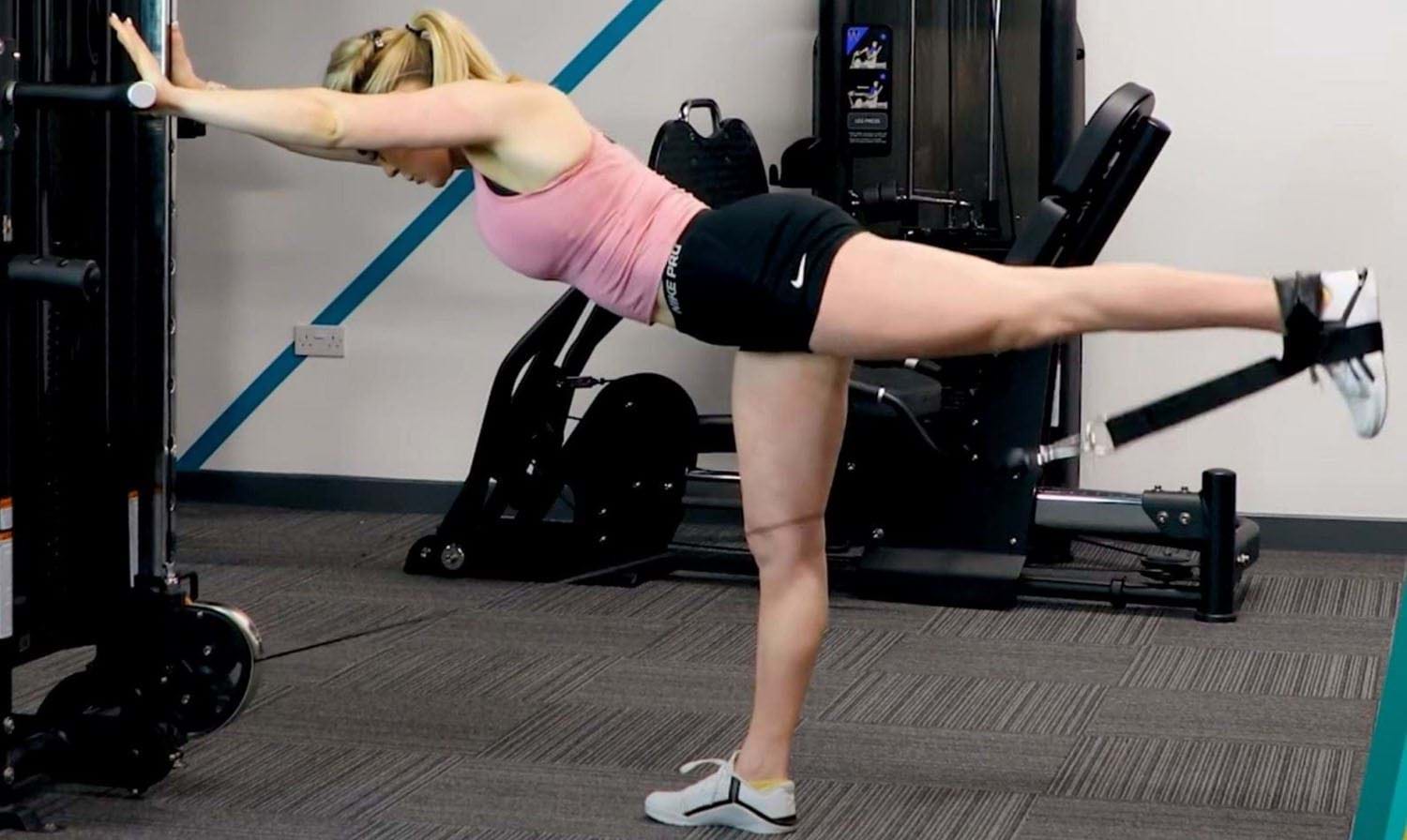
Credit: www.puregym.com
Nutrition For Glute Growth
Exercise alone isn’t enough. Nutrition supports muscle growth and recovery.
- Protein: Helps repair and build muscle. Aim for 1.2–1.6g per kg of body weight daily.
- Carbohydrates: Provide energy for workouts. Choose whole grains, fruits, and vegetables.
- Healthy fats: Support hormone production. Avocados, nuts, and olive oil are good choices.
- Hydration: Drink plenty of water.
If you want to maximize your glute development, eat enough calories and focus on whole, nutrient-rich foods.
Recovery And Rest
Muscle growth happens during rest. Give your glutes time to recover:
- Rest 48 hours between kickback sessions.
- Sleep 7–9 hours per night.
- Stretch and foam roll your glutes after workouts.
Overtraining can lead to injuries and slow progress. Listen to your body and take breaks when needed.
Tracking Your Progress
Measuring results keeps you motivated. Here’s how:
- Take photos: Track changes in glute shape and size.
- Record reps, sets, and resistance: See how you improve over time.
- Check strength: Notice if daily movements feel easier.
- Use a tape measure: Measure hip and glute circumference monthly.
Small improvements add up. Celebrate progress and adjust your routine as needed.
Glute Kickback Workout For Fat Loss
Kickbacks burn calories, but for fat loss, combine them with cardio and a healthy diet. Here’s how:
- Perform kickbacks in a circuit: Pair with squats, lunges, and planks.
- Increase workout intensity: Reduce rest between sets.
- Eat a calorie deficit: Burn more calories than you consume.
Kickbacks will help shape your glutes as you lose fat. For more fat loss tips, see Healthline.
Glute Kickbacks For Seniors
Older adults benefit from glute kickbacks. They:
- Improve balance and stability.
- Reduce risk of falls.
- Support joint health.
Use gentle, controlled movements and avoid heavy resistance. Focus on form and comfort.
Glute Kickback Workout For Injury Rehabilitation
Kickbacks can help rehab injuries, especially lower back or hip issues. Always consult a physical therapist before starting. Use slow, pain-free movements and avoid resistance until cleared.
Kickbacks support muscle activation and improve movement patterns. They’re often used in rehab programs.
Frequently Asked Questions
What Muscles Do Glute Kickbacks Target?
Glute kickbacks mainly target the gluteus maximus. They also activate the gluteus medius, gluteus minimus, and to a lesser degree, the hamstrings and core muscles.
Can I Do Glute Kickbacks Every Day?
It’s best to rest your glutes for 48 hours between sessions. Muscles need time to recover and grow. Overtraining can reduce results and cause injuries.
Are Glute Kickbacks Effective For Shaping The Butt?
Yes, glute kickbacks are highly effective for shaping and toning your buttocks. They isolate the glute muscles, helping to build size and improve shape when done consistently.
What Equipment Do I Need For Glute Kickbacks?
You can do glute kickbacks with no equipment. For extra resistance, use resistance bands, ankle weights, or a cable machine. Beginners often start with bodyweight exercises.
How Many Reps And Sets Should I Do?
Aim for 12–15 reps per leg and 3–4 sets. Adjust based on your fitness level and goals. Beginners may start lower, while advanced users can increase volume.
Glute kickbacks are a simple, powerful way to build strength and shape in your glutes. With the right form, consistency, and progression, you’ll see results fast—whether you’re working out at home, in the gym, or as part of sports training.
Remember, strong glutes support your entire body and improve your performance in daily life. Start today and enjoy the benefits of a well-rounded, healthy physique.
