

Easy Glute Workout: Sculpt Stronger Glutes in 15 Minutes
Easy Glute Workout
Building strong glutes doesn’t have to be complicated. Many people think you need a gym membership, expensive equipment, or advanced knowledge. The truth is, you can start seeing results with simple exercises, a clear plan, and some dedication. Strong glutes support your lower back, improve posture, and help you move better in daily life.
Whether your goal is to shape your body, boost athletic performance, or just feel healthier, a basic glute workout can make a big difference. This guide shows you step-by-step how to train your glutes easily, even if you’re a beginner.
You’ll learn the best moves, how to do them safely, and how to avoid common mistakes. Let’s get started with building your strongest glutes yet.
Why Glute Training Matters
Many people overlook the importance of the glute muscles. The glutes are the largest muscle group in your body. They include the gluteus maximus, gluteus medius, and gluteus minimus. These muscles help you stand, walk, run, jump, and lift. Weak glutes can lead to poor posture, back pain, and lower body injuries.
Everyday Benefits
Strong glutes help you:
- Maintain good posture
- Move efficiently
- Support your lower back
- Prevent knee pain
- Improve athletic performance
Even simple activities like climbing stairs, standing up from a chair, or carrying groceries become easier with strong glutes.
Health Impact
According to physical therapists, glute strength is linked to better hip stability and less risk of injury. People with weak glutes often suffer from lower back pain or knee pain. Strengthening this area can relieve discomfort and help prevent injuries. In fact, a survey found that glute exercises are recommended by 80% of sports coaches for injury prevention.
Key Principles Of An Easy Glute Workout
Before jumping into exercises, it’s important to understand a few basics. An effective glute workout should be simple, safe, and repeatable. It should focus on:
- Bodyweight movements: No equipment needed
- Proper technique: Avoid injury and get better results
- Progression: Start easy and slowly increase difficulty
How Often To Train
You don’t need to train your glutes every day. For beginners, 2–3 sessions per week is enough. Each session can last 15–30 minutes. Rest is important for muscle growth. Giving your muscles time to recover will help you build strength faster.
Warm-up For Glute Activation
Warming up prepares your muscles for exercise. Many people skip the warm-up, but this is a mistake. A good warm-up increases blood flow and activates your glutes, making your workout safer and more effective.
Try this simple glute warm-up:
- 30 seconds glute bridges
- 30 seconds bodyweight squats
- 30 seconds walking lunges
- 30 seconds standing hip abductions
Repeat this sequence once before starting your main workout.
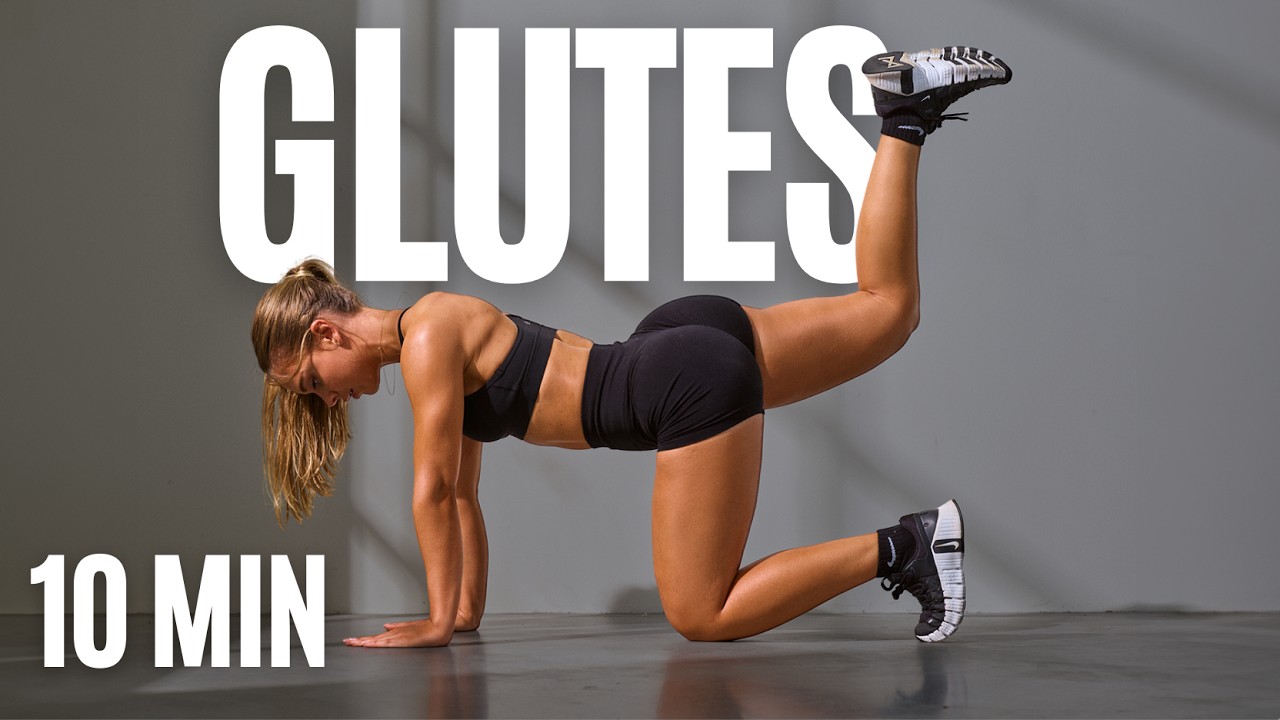
Credit: www.youtube.com
The Best Easy Glute Exercises
You don’t need fancy moves or equipment to train your glutes. The most effective exercises use your own body weight. Here are the top easy glute exercises, explained step-by-step.
1. Glute Bridge
The glute bridge is a basic exercise that targets the gluteus maximus and helps activate your core.
How to do it:
- Lie on your back with knees bent, feet flat on the floor.
- Place your arms at your sides.
- Push through your heels and lift your hips up.
- Squeeze your glutes at the top, then lower slowly.
Tips:
- Keep your core tight.
- Don’t arch your back.
- Perform 10–15 reps per set.
2. Bodyweight Squat
Squats are a classic lower body move. They work your glutes, thighs, and hips.
How to do it:
- Stand with feet shoulder-width apart.
- Lower your hips back and down as if sitting on a chair.
- Keep your chest up and knees behind toes.
- Push through heels to return to standing.
Tips:
- Go as low as you feel comfortable.
- Do 12–15 reps per set.
3. Standing Hip Abduction
This exercise targets the gluteus medius and minimus, which support hip stability.
How to do it:
- Stand upright and hold onto a wall or chair for balance.
- Lift one leg out to the side, keeping it straight.
- Lower slowly and repeat.
Tips:
- Don’t lean your body.
- Switch sides after each set.
- Do 10–12 reps per leg.
4. Reverse Lunge
Reverse lunges are easier than forward lunges and great for the glutes.
How to do it:
- Stand with feet together.
- Step one foot back and lower your hips.
- Push through the front heel to return.
- Alternate legs.
Tips:
- Keep your torso upright.
- Do 10–12 reps per leg.
5. Donkey Kick
Donkey kicks activate the gluteus maximus and are simple to perform.
How to do it:
- Start on all fours (hands and knees).
- Lift one leg, bent at 90 degrees, up toward the ceiling.
- Lower and repeat.
Tips:
- Don’t arch your back.
- Switch legs after each set.
- Do 12–15 reps per leg.
6. Step-up
Step-ups are functional and easy. You’ll need a low step or sturdy platform.
How to do it:
- Stand in front of the step.
- Place one foot on the step and push through your heel.
- Step up and bring the other foot to join.
- Step down and repeat.
Tips:
- Keep your knee aligned with your foot.
- Do 10–12 reps per leg.
7. Clamshell
The clamshell targets the gluteus medius, which helps with hip stability.
How to do it:
- Lie on your side, knees bent.
- Keep your feet together.
- Lift your top knee while keeping your feet touching.
- Lower and repeat.
Tips:
- Don’t rotate your hips.
- Do 10–15 reps per side.
Sample Easy Glute Workout Routine
Now let’s put these exercises together into a simple routine. This workout is designed for beginners, but can be adjusted for any fitness level.
Warm-Up:
- Glute bridges (30 seconds)
- Bodyweight squats (30 seconds)
- Walking lunges (30 seconds)
- Standing hip abductions (30 seconds)
Workout Circuit:
Perform each exercise for the suggested reps. Rest 30–45 seconds between exercises. Repeat the circuit 2–3 times.
- Glute bridge – 15 reps
- Bodyweight squat – 15 reps
- Standing hip abduction – 12 reps per leg
- Reverse lunge – 12 reps per leg
- Donkey kick – 15 reps per leg
- Step-up – 12 reps per leg
- Clamshell – 15 reps per side
Cool-Down:
Finish with light stretching:
- Seated hamstring stretch (30 seconds per leg)
- Figure-four glute stretch (30 seconds per leg)
- Hip flexor stretch (30 seconds per leg)
Comparing Glute Exercises: Effectiveness And Difficulty
To help you choose the right moves, here’s a comparison of the main exercises based on muscle activation and difficulty.
| Exercise | Main Muscle Worked | Ease of Learning | Muscle Activation |
|---|---|---|---|
| Glute Bridge | Gluteus Maximus | Very Easy | High |
| Bodyweight Squat | Gluteus Maximus, Thighs | Easy | Moderate |
| Standing Hip Abduction | Gluteus Medius/Minimus | Easy | Moderate |
| Reverse Lunge | Gluteus Maximus, Hamstrings | Moderate | High |
| Donkey Kick | Gluteus Maximus | Easy | High |
| Step-Up | Gluteus Maximus, Thighs | Moderate | Moderate |
| Clamshell | Gluteus Medius | Easy | Moderate |
Making Progress: How To Increase Difficulty
As your glutes get stronger, you’ll want to challenge yourself more. Here are simple ways to make your workout harder without equipment:
- Add more reps: If 15 reps feel easy, try 20–25.
- Increase sets: Do 3–4 circuits instead of 2.
- Slow down: Move slowly and control each repetition.
- Pause at the top: Hold the squeeze for 2–3 seconds.
- Use resistance bands: If you have a band, place it above your knees for squats, bridges, and clamshells.
Beginners often forget to change their routine. If you keep doing the same workout for months, your progress may stall. Make small changes every two weeks to keep growing stronger.
Common Mistakes And How To Fix Them
Mistakes can stop your progress and even cause injury. Here are the most common mistakes in glute workouts:
1. Poor Form
Many people rush through exercises without proper form. This reduces muscle activation and can hurt your joints.
How to fix: Focus on slow, controlled movements. Watch your form in a mirror or record yourself.
2. Skipping Warm-up
Skipping the warm-up makes your muscles stiff. This increases injury risk and makes your workout less effective.
How to fix: Always start with a 2–3 minute warm-up.
3. Not Squeezing The Glutes
Some exercises require a strong muscle squeeze at the top. Forgetting this reduces results.
How to fix: Hold the squeeze for 1–2 seconds during bridges, donkey kicks, and clamshells.
4. Overdoing It
Doing too much too soon can cause soreness or injury.
How to fix: Start with fewer reps and sets. Increase gradually.
5. Using Only One Exercise
People often stick to just squats or bridges. This misses some glute muscles.
How to fix: Use a mix of exercises to target all parts of the glutes.
Glute Training For Different Goals
The best glute workout depends on your goal. Let’s look at how to adjust your routine for different needs.
Shaping And Toning
If you want to shape your glutes and get a toned look, focus on high reps (15–20), slow movements, and squeezing the muscle at the top of each exercise.
Strength And Power
For strength, you can add resistance once bodyweight exercises feel easy. Use bands or weights if available. Do fewer reps (8–12) with a longer pause at the top.
Injury Prevention
To protect your knees and back, include hip abduction moves and clamshells. These build stability and balance.
Athletic Performance
Athletes need strong glutes for running, jumping, and changing direction. Add step-ups and lunges, and use explosive movements once you’re comfortable.
Tracking Your Progress
Keeping track of your workouts helps you see results and stay motivated. Here’s a simple table to help you record your glute sessions.
| Date | Exercise | Reps | Sets | Notes |
|---|---|---|---|---|
| Monday | Glute Bridge | 15 | 3 | Felt strong |
| Wednesday | Bodyweight Squat | 15 | 2 | Good form |
| Friday | Donkey Kick | 15 | 2 | Added pause |
Write down your reps, sets, and any changes. This helps you notice progress and stay consistent.
Nutrition For Glute Growth
Exercise is only part of the story. For stronger glutes, you need the right nutrition. Muscles need protein to grow and recover. Aim for:
- Lean proteins (chicken, fish, tofu, beans)
- Healthy fats (avocado, nuts, olive oil)
- Complex carbs (whole grains, sweet potatoes)
Drink enough water, especially on workout days. Beginners often forget that food affects results as much as exercise.
How To Stay Motivated
Sticking with a workout plan is challenging. Here are proven ways to keep motivation high:
- Set clear goals: Decide if you want strength, shape, or injury prevention.
- Track progress: Use a workout log or journal.
- Join a group: Find a workout buddy or online support group.
- Celebrate small wins: Notice when your reps go up or form improves.
- Change your routine: Try new exercises every month.
Many people quit because they don’t see fast results. But glute training is a marathon, not a sprint. Consistency always wins.
Real-life Examples: Glute Workout Success Stories
Let’s look at some practical examples from people who started with easy glute workouts.
Example 1: Office Worker
Maria, age 35, had back pain from sitting all day. She started doing glute bridges and squats three times a week. After four weeks, her pain was gone, and she felt stronger climbing stairs.
Example 2: Student Athlete
Jake, a soccer player, wanted more speed. He added step-ups and lunges to his routine. His sprint times improved, and he noticed less knee pain.
Example 3: Busy Parent
Linda, a mother of two, fit glute exercises into her schedule at home. She followed the simple circuit before breakfast. After two months, she could carry groceries more easily and felt more confident.
These stories show that easy glute workouts work for all ages and lifestyles. The key is consistency and proper form.
Glute Workout Myths And Facts
There are many myths about glute training. Let’s clear them up with facts.
Myth 1: Only Squats Build Glutes
Fact: Squats are good, but alone they miss some glute muscles. Bridges, lunges, and hip abduction are just as important.
Myth 2: You Need Heavy Weights
Fact: Bodyweight moves can build strength and shape, especially for beginners. Weights help, but aren’t required.
Myth 3: Glute Workouts Make You Bulky
Fact: Most people get a toned, shaped look. Bulking up takes very heavy training and specific diets.
Myth 4: Training Every Day Is Best
Fact: Muscles need rest to grow. Two to three times per week is enough for most people.
How Glute Strength Supports Daily Life
Strong glutes help with more than just fitness. They support:
- Walking and running: Glutes power every step.
- Standing up and sitting: They help you move smoothly.
- Lifting objects: Glutes protect your back during lifting.
- Sports: They help you jump higher, run faster, and change direction.
People often notice they feel less tired and have fewer aches when their glutes are strong.
Glute Exercise Variations For More Challenge
Once you master the basic moves, try these easy variations to keep your workout interesting.
Single-leg Glute Bridge
Lift one leg in the air during the bridge. This makes your glutes work harder and improves balance.
Pulse Squat
Hold the bottom of a squat and do tiny up-and-down movements (pulses) for 10–15 reps.
Curtsy Lunge
Step one leg behind and across the other, lowering into a lunge. This targets the side glutes.
Fire Hydrant
On all fours, lift your knee out to the side. This works the gluteus medius and helps hip stability.
Comparing Glute Workouts: Home Vs Gym
Many people wonder if gym workouts are better than home routines. Here’s a quick comparison.
| Workout Location | Equipment Needed | Benefits | Drawbacks |
|---|---|---|---|
| Home | None or minimal (resistance band) | Convenient, low cost, flexible | Limited resistance, less variety |
| Gym | Machines, weights | More resistance, more exercise variety | Can be expensive, less convenient |
For most beginners, home workouts are enough. If you want extra challenge, you can add a resistance band or light weights.

Credit: www.youtube.com
Glute Workout Safety Tips
Safety is important, especially for beginners. Here’s how to avoid injuries:
- Start slow and increase reps gradually.
- Use a soft mat for floor exercises.
- Keep your knees in line with your toes during squats and lunges.
- Don’t rush. Quality is more important than quantity.
- If you feel pain (not normal muscle soreness), stop and rest.
Sometimes people ignore early signs of discomfort. Listen to your body and adjust as needed.
How Long Until You See Results?
Results depend on your starting point, consistency, and nutrition. Most people notice:
- More strength after 2–4 weeks
- Better shape after 4–6 weeks
- Less pain and more energy within one month
If you’re consistent and eat well, progress will come. Don’t compare yourself to others; focus on your own improvement.
Scientific Research On Glute Training
Studies show glute exercises help with balance, posture, and injury prevention. For example, research from the American Council on Exercise found that glute bridges and lunges activate more muscle fibers than machine exercises for beginners. For further reading, see this research article on glute activation.
One insight most beginners miss: glute training helps not just your lower body, but your whole movement system. Strong glutes support your hips, knees, and lower back, making everyday life easier.
Frequently Asked Questions
What If I Don’t Have Time For A Full Workout?
Doing just one or two glute exercises daily can help. For example, try glute bridges and squats in the morning. Even 5–10 minutes is better than nothing.
Can I Do Glute Workouts Every Day?
It’s best to rest at least one day between sessions. Muscles need time to recover. Two to three times per week works for most people.
How Can I Tell If My Glutes Are Getting Stronger?
You’ll notice improvements in strength, easier movement, and less pain. Tracking your reps and sets also shows progress.
Is Stretching Important For Glute Workouts?
Yes. Stretching prevents stiffness and helps muscles recover. Include hip and hamstring stretches after your workout.
Do I Need Special Equipment For Glute Training?
No. Most effective glute exercises use body weight. Resistance bands or light weights can add challenge, but aren’t required.
Building strong glutes is simple if you follow the right steps. Start with easy exercises, focus on good form, and stay consistent. Your glutes will get stronger, and you’ll feel healthier and more confident in everyday life. Remember, progress comes with patience.
Stick with your routine, keep learning, and enjoy the journey to stronger glutes.

Credit: www.christinacarlyle.com
