

10-Minute Glute Workout: Sculpt and Strengthen Fast
If you want to shape, lift, and strengthen your glutes but don’t have much time, you’re not alone. Many people spend hours sitting at a desk or on the sofa, and this can make your glute muscles weaker. Weak glutes can cause lower back pain, knee problems, and a flat-looking backside.
But you don’t need a gym or long workouts to fix this. In just ten minutes, you can wake up your glutes and build real strength with the right moves.
A 10-minute glute workout is perfect for busy people. It’s short enough to fit into any schedule but powerful enough to make a difference if you do it regularly. You’ll feel stronger, move better, and see changes in your body shape.
This article will show you how to do a complete glute routine in just ten minutes, explain why these muscles matter, and share tips to get the most from your efforts.
Why Glute Muscles Matter
Your glutes are more than just the muscles in your butt. They play a major role in movement, stability, and power. There are three main glute muscles: gluteus maximus, gluteus medius, and gluteus minimus. The gluteus maximus is the largest and gives your butt its shape. The other two help with balance and moving your legs sideways.
Strong glutes help you:
- Stand and walk tall
- Protect your lower back and knees
- Run faster and jump higher
- Prevent injuries
Weak glutes can lead to:
- Poor posture
- Back pain
- Hip and knee strain
- Less athletic performance
Many people don’t realize their glutes are weak until they feel pain or notice their body shape changing. Even athletes can have inactive glutes if they don’t train them directly.
The Science Behind Short Workouts
You might think ten minutes isn’t enough for a workout, but research shows short, focused routines can be effective. The key is to use compound exercises (moves that work several muscles at once), keep your rest breaks short, and push your muscles to work hard.
Studies suggest that high-intensity training—even for a short time—can build muscle, boost heart health, and improve flexibility. What matters most is consistency and good form, not workout length. For glutes, you want exercises that activate all three muscles and use your body weight or simple equipment.
Preparing For Your 10-minute Glute Workout
Before you jump in, it’s important to prepare. This helps avoid injury and makes your workout more effective.
Warm-up
Spend 1-2 minutes warming up. This wakes up your muscles and increases blood flow.
Try these moves:
- March in place with high knees
- Standing hip circles
- Bodyweight squats (slow and easy)
- Leg swings (front and back)
Do each move for about 30 seconds.
What You Need
You can do this workout anywhere. No equipment is required, but a resistance band can make it harder if you want.
- Comfortable clothes
- A mat or soft surface
- Water for hydration
Optional: Resistance Band For Extra Challenge
The 10-minute Glute Workout: Step-by-step
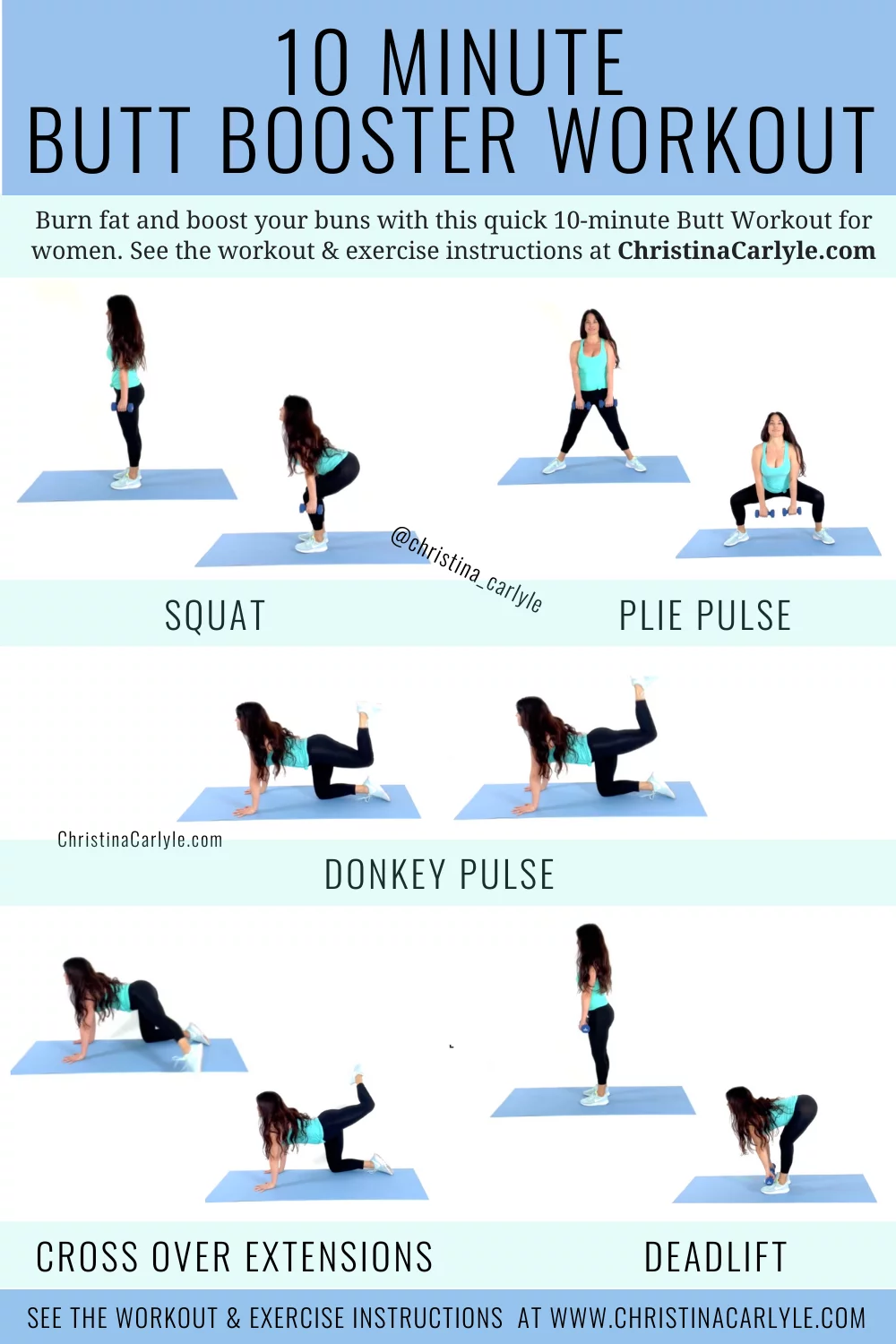
This routine uses six exercises that target all glute muscles. Do each exercise for about 50 seconds, then rest for 10 seconds before moving to the next. If you finish in less than ten minutes, repeat your favorite move.
1. Bodyweight Squats
Stand with feet shoulder-width apart. Lower your hips back and down, keeping your chest up. Push through your heels to stand up.
Benefits: Works glutes, thighs, and core. Builds basic strength and balance.
Tip: Go as low as you can without rounding your back.
2. Glute Bridges
Lie on your back, knees bent, feet flat. Push your hips up by squeezing your glutes. Lower back down with control.
Benefits: Activates all glute muscles and stretches the hip flexors.
Tip: Don’t arch your lower back. Keep your abs tight.
3. Reverse Lunges
Stand tall. Step one foot back, lower your body until your front knee is above your ankle. Push back up and switch sides.
Benefits: Builds single-leg strength and glute activation.
Tip: Keep your front knee steady and don’t let it go past your toes.
4. Donkey Kicks
Start on hands and knees. Lift one leg, bent at the knee, toward the ceiling. Lower with control and switch legs.
Benefits: Targets gluteus maximus and improves hip mobility.
Tip: Don’t swing your leg; use slow, strong movements.
5. Side-lying Clamshells
Lie on your side, knees bent. Keep feet together and open your top knee toward the ceiling. Lower back down.
Benefits: Works gluteus medius and minimus, which help with balance.
Tip: Keep your hips stacked and don’t roll back.
6. Standing Hip Abductions
Stand tall, hold onto a wall or chair if needed. Lift one leg out to the side, keeping it straight. Lower and repeat.
Benefits: Strengthens side glutes and improves stability.
Tip: Don’t lean; keep your torso upright.
Repeat each exercise for 50 seconds, resting 10 seconds between moves.
If you finish early, spend the last minute stretching your glutes and hips.

Credit: confessionsofamotherrunner.com
How To Get The Most From Your Glute Workout
Doing the moves is just part of the story. To see real results, you need to train smart.
Use Good Form
Focus on quality over quantity. Slow, controlled movements activate muscles better than fast, sloppy reps. If you feel pain in your lower back or knees, adjust your position.
Increase Challenge Over Time
As you get stronger, make the workout harder:
- Add a resistance band around your thighs for squats, bridges, and clamshells
- Hold a dumbbell for squats or lunges
- Increase reps or do two rounds
Stay Consistent
For best results, do this workout 2-4 times per week. Consistency is more important than intensity.
Combine With Other Training
Glute workouts fit well with other routines. You can add them after running, cycling, or upper body training. This keeps your muscles balanced.
Common Mistakes In Glute Training
Many people miss out on results because of simple mistakes.
Not Squeezing The Glutes
If you don’t squeeze your glutes during each move, other muscles take over. Think about pushing your heels into the floor and tightening your butt.
Using Poor Form
Rushing through moves or letting your knees collapse inward can lead to injury. Use a mirror or film yourself to check your technique.
Doing Only One Type Of Exercise
Squats are great, but only doing squats can leave some glute muscles weak. Use a mix of exercises for full development.
Skipping Rest
Some people try to do too much without rest. Short rest breaks (10 seconds) help you keep intensity high without losing form.
The Benefits You’ll Notice
A 10-minute glute workout brings real changes if you do it regularly. Some benefits are obvious, while others are more subtle.
- Better posture: Strong glutes help you stand taller and reduce back pain
- More power: You’ll notice more speed and strength in sports and daily life
- Body shape changes: Your butt becomes rounder, firmer, and lifted
- Less injury risk: Strong glutes protect your knees, hips, and back
Surprisingly, many people also notice improved mood. Exercise releases endorphins, and glute workouts are especially effective because they use large muscles.
How Fast Will You See Results?
Results depend on your starting point, consistency, and effort. Most people notice changes in strength and shape within 3-6 weeks if they do the workout 2-4 times a week.
Some signs your glutes are getting stronger:
- Easier to climb stairs
- Less back pain
- Clothes fit better
- You feel more balanced
The most important thing is to keep going. Even small progress adds up.
Comparing Glute Workouts: Short Vs Long
Not everyone has time for long workouts. But are short routines just as good? Here’s how different glute workouts compare:
| Workout Type | Time Needed | Muscle Activation | Best For |
|---|---|---|---|
| 10-Minute Routine | 10 minutes | High (if moves are focused) | Busy schedules, beginners |
| Full Glute Session | 30-60 minutes | Very High | Advanced, athletes |
| Daily Mini-Workouts | 5-15 minutes | Moderate | Maintenance, mobility |
Short workouts are great for consistency. They fit into busy lives and still deliver results, especially if you focus on muscle activation.
Glute Workout Variations
You can switch up the routine to keep things fun and challenge your muscles in new ways.
Using Resistance Bands
Resistance bands add extra tension, making your glutes work harder. Place the band just above your knees for squats, bridges, and clamshells.
Adding Plyometric Moves
Jumping squats or lunges add speed and power. Only try these if you have good form and no knee issues.
Trying Different Foot Positions
Wide stance squats and lunges target the glutes differently. Changing your foot position can help activate all parts of the muscle.
Credit: www.christinacarlyle.com
Who Should Do 10-minute Glute Workouts?
Almost everyone can benefit from short glute routines. They are safe for beginners, busy professionals, older adults, and athletes.
Beginners: The exercises are simple and low-risk.
Busy people: Fits into lunch breaks or mornings.
Older adults: Helps prevent falls and keeps hips strong.
Athletes: Useful as warm-up or accessory training.
If you have injuries or medical conditions, check with a doctor before starting.
How To Fit Glute Workouts Into Your Day
Many people struggle to find time for exercise. Here are practical ways to make a 10-minute glute workout part of your routine:
- Do it first thing in the morning
- Use your lunch break for a quick session
- Add it after a cardio workout
- Do it while watching TV
- Make it a family activity
Consistency matters more than timing. Find what works for you.
The Role Of Nutrition For Glute Growth
Exercise alone won’t build strong glutes if your nutrition isn’t right. Muscles need protein to grow and recover.
Protein: Aim for 0.7-1 gram per pound of body weight.
Healthy fats: Avocados, nuts, and olive oil support hormone balance.
Carbohydrates: Give energy for workouts.
Drink water before and after your routine. Avoid skipping meals after training.
Real-life Success Stories
Many people have changed their bodies and health with short glute workouts. Here are two examples:
Sarah, a busy mom, started doing 10-minute glute routines every morning. After one month, she noticed her jeans fit better and had less back pain.
Ben, an office worker, added glute workouts to his lunch break. He gained strength and could climb stairs without feeling tired. His posture improved, and he felt more confident.
These stories show that small steps can create big changes over time.
Glute Activation: Why It Matters
Not all glute exercises actually activate the muscles fully. Many people have “sleepy glutes” because they sit too much. Activation means the muscle is working and sending signals to your brain.
Some exercises are better at glute activation than others. Here’s a comparison:
| Exercise | Glute Activation Level | Additional Muscles Used |
|---|---|---|
| Glute Bridge | Very High | Core, hamstrings |
| Squat | High | Quads, lower back |
| Donkey Kick | High | Lower back, hips |
| Clamshell | Moderate | Outer thigh |
| Hip Abduction | Moderate | Thigh, hip |
If you want the best results, mix high-activation moves into your routine and focus on squeezing the muscle.
Tracking Your Progress
Progress is not just about looking better. Here are smart ways to track your improvement:
- Take photos every two weeks
- Write down how many reps you do for each move
- Notice changes in strength (easier stairs, longer walks)
- Check how clothes fit
You can also measure your hips and thighs with a tape. Seeing numbers change can motivate you to keep going.
Stretching And Recovery
After your glute workout, spend 1-2 minutes stretching. This helps prevent soreness and keeps your muscles flexible.
Try these stretches:
- Seated figure-four stretch: Sit, cross one ankle over the opposite knee, and lean forward
- Standing quad stretch: Hold your ankle behind you and pull gently
- Hip flexor stretch: Kneel, push hips forward, and hold
Stretching should feel gentle, not painful.
Glute Training For Different Goals
Your routine can change depending on what you want.
For strength: Use resistance bands and slow reps.
For shape: Mix high reps and different exercises.
For sports: Add jumping and speed moves.
For injury rehab: Focus on slow, controlled movements and balance.
Ask a coach or trainer if you have special needs.
Glute Workout And Body Posture
Strong glutes help your posture more than most people realize. They keep your pelvis level, support your lower back, and make walking smoother.
People with weak glutes often stand with their hips forward or arch their backs. This can cause pain and injuries. A simple 10-minute glute routine can help fix this by making your muscles stronger and more balanced.
How To Avoid Plateaus
Sometimes progress slows down. This is called a plateau. To avoid it:
- Change exercises every few weeks
- Use a resistance band for extra challenge
- Increase reps or sets
- Try new foot positions
Plateaus are normal, but small changes keep your muscles growing.
Safety Tips For Glute Workouts
Glute routines are safe for most people, but it’s important to listen to your body.
Tips:
- If you feel sharp pain, stop immediately
- Keep knees in line with toes
- Don’t arch your lower back
- Rest if you feel tired
- Use a mat for comfort
Pregnant women or people with injuries should talk to a doctor before starting.
How Glute Training Helps Daily Life
Strong glutes make daily activities easier. You’ll find:
- Climbing stairs is less tiring
- Lifting heavy objects feels safer
- Walking and running are smoother
- Sitting for long periods causes less discomfort
You may also notice you stand taller and feel more confident.
Glute Workouts For All Ages
Glute training is useful for children, adults, and seniors. Kids can use simple moves like squats and lunges. Adults benefit from full routines. Seniors should focus on balance and gentle activation.
Here’s a comparison of glute exercises by age group:
| Age Group | Recommended Exercises | Intensity |
|---|---|---|
| Children | Squats, lunges | Low |
| Adults | Full routine, resistance band | Medium-High |
| Seniors | Glute bridge, hip abduction | Low-Medium |
Glute workouts help prevent falls and injuries in older adults. They support growth and sports in children.
Two Non-obvious Insights For Beginners
- Mind-Muscle Connection: If you think about squeezing your glutes during each move, you’ll get better results. Many beginners don’t realize how much this matters. It’s not just about moving your body, but focusing on the muscle.
- Hip Mobility: Tight hips can limit your glute activation. If your hips are stiff, add hip stretches before your workout. This allows your glutes to work harder and makes the exercises more effective.

Credit: www.nilds.gov.ng
External Resource For Glute Training
For more information on glute exercises and muscle anatomy, visit Wikipedia.
Frequently Asked Questions
How Often Should I Do The 10-minute Glute Workout?
You can do it 2-4 times a week. For beginners, start with two times and add more as you get stronger. Your muscles need time to recover, so don’t do it every day.
Can I Do This Workout If I Have Knee Pain?
Most exercises are gentle, but avoid squats and lunges if they cause pain. Try glute bridges, clamshells, and hip abductions. Always check with a doctor if you have injuries.
Will A 10-minute Workout Really Change My Body?
Yes, if you do it consistently and use good form. You may not see big changes in a week, but over time your glutes will get stronger, your posture will improve, and your shape will change.
Do I Need Equipment For This Workout?
No equipment is needed. A resistance band can make the routine harder. You can use a mat for comfort but it’s not essential.
Is This Workout Safe For Older Adults?
Yes. The moves are low-impact and can be adjusted for any fitness level. Older adults should focus on controlled movements and balance. Always listen to your body and stop if you feel pain.
Final Thoughts
A 10-minute glute workout is a simple but powerful way to improve your strength, shape, and health. It fits into any schedule and needs no equipment. With focused moves, good form, and consistency, you’ll see real progress. Remember to activate your glutes, stretch after each session, and track your results.
Whether you’re a beginner or an athlete, short routines can make a big difference. Start today and feel the benefits in your body, movement, and confidence.
