

Best at Home Glute Workout: Sculpt Stronger Glutes Fast
Best At Home Glute Workout
Want strong, well-shaped glutes without a gym? You’re not alone. Many people wish for a rounder, firmer backside but can’t or don’t want to go to a fitness center. The good news: you can build amazing glutes at home, using just your body weight or simple equipment like bands and dumbbells. With the right exercises and some consistency, you’ll see results that are not just about looks but also strength, posture, and daily movement.
The glutes—your body’s largest muscle group—are key for walking, running, jumping, and even standing up straight. When they’re strong, everything feels easier. When they’re weak, you’re more likely to get back pain, hip problems, and even knee issues. Sadly, sitting all day at work or on the couch makes glutes “sleepy.
” Waking them up is possible with targeted moves.
This guide will show you the most effective at-home glute workout, giving you step-by-step instructions, tips, and variations for every fitness level. We’ll look at the science, help you avoid common mistakes, and offer a sample workout you can start today.
If you want to shape your glutes, boost your confidence, and improve your health, you’re in the right place.
Why Focus On Glutes?
The gluteal muscles are not just about looks. They are the engine of your lower body, helping you run faster, jump higher, and stay injury-free. The three main muscles—gluteus maximus, gluteus medius, and gluteus minimus—work together for hip movement and stability.
Strong glutes:
- Improve athletic performance (running, sports, jumping)
- Reduce risk of knee, hip, and back pain
- Support better posture and balance
- Enhance daily activities (lifting, climbing stairs, standing up)
Many people think glute exercises are only for women or bodybuilders. This is a myth. Everyone benefits from training their glutes, regardless of age, gender, or fitness goal.
The Science Of Building Glutes
To see progress, you need to understand how muscles grow. The main driver is progressive overload—making your muscles work harder over time. At home, this means using more resistance, adding repetitions, slowing down the movement, or using harder exercise variations.
Research shows that hip thrusts, squats, and lunges activate the glutes the most. However, variety is key. Each exercise works the glutes differently. For example, hip thrusts target the gluteus maximus, while side steps hit the gluteus medius.
A good glute workout balances:
- Compound movements (squats, lunges, hip thrusts)
- Isolation exercises (glute bridges, kickbacks, abductions)
- Single-leg work for stability
- Different angles to target all glute fibers
Essential Glute Exercises At Home
You don’t need a fancy gym. Most glute exercises need just your body weight, a mat, and maybe a resistance band or dumbbell. Below are the best moves, with instructions and tips to maximize results.
1. Glute Bridge
The glute bridge is simple but powerful. It isolates the glutes and can be done anywhere.
How to do it:
- Lie on your back, knees bent, feet flat on the floor hip-width apart.
- Press through your heels, squeeze your glutes, and lift your hips up.
- Pause at the top, then lower slowly.
Tips:
- Don’t arch your back.
- Push only with your heels, not your toes.
Variations:
- Add a resistance band above your knees.
- Hold at the top for 5 seconds each rep.
- Try a single-leg version.
2. Hip Thrust (with Or Without Weight)
Hip thrusts get even more glute activation than bridges.
How to do it:
- Sit with your upper back against a couch or sturdy chair.
- Place feet flat, knees bent.
- Push through your heels, lift your hips, and squeeze your glutes.
- Lower back down.
Tips:
- Keep chin tucked, ribcage down.
- Add a dumbbell or weight for more challenge.
3. Bulgarian Split Squat
This single-leg squat builds glutes, quads, and balance.
How to do it:
- Stand a few feet in front of a chair or bench.
- Place one foot behind you on the chair.
- Lower your back knee toward the floor, front thigh parallel.
- Push through front heel to stand up.
Tips:
- Keep chest tall, don’t let front knee go past toes.
- Use a wall for balance if needed.
4. Step-up
Step-ups are great for the glutes and legs.
How to do it:
- Stand in front of a sturdy chair or step.
- Step up with one foot, push through your heel, and bring your other knee up.
- Lower back down and repeat.
Tips:
- Use a slow, controlled motion.
- Add weights for difficulty.
5. Squat Variations
Squats are a classic for a reason—they work the entire lower body.
Bodyweight Squat:
- Stand with feet shoulder-width.
- Push hips back and lower down as if sitting in a chair.
- Go as low as comfortable, then stand back up.
Sumo Squat:
- Take a wider stance, toes turned out.
- This hits the inner thighs and glutes more.
Jump Squat:
- Explode up from the bottom position to add power.
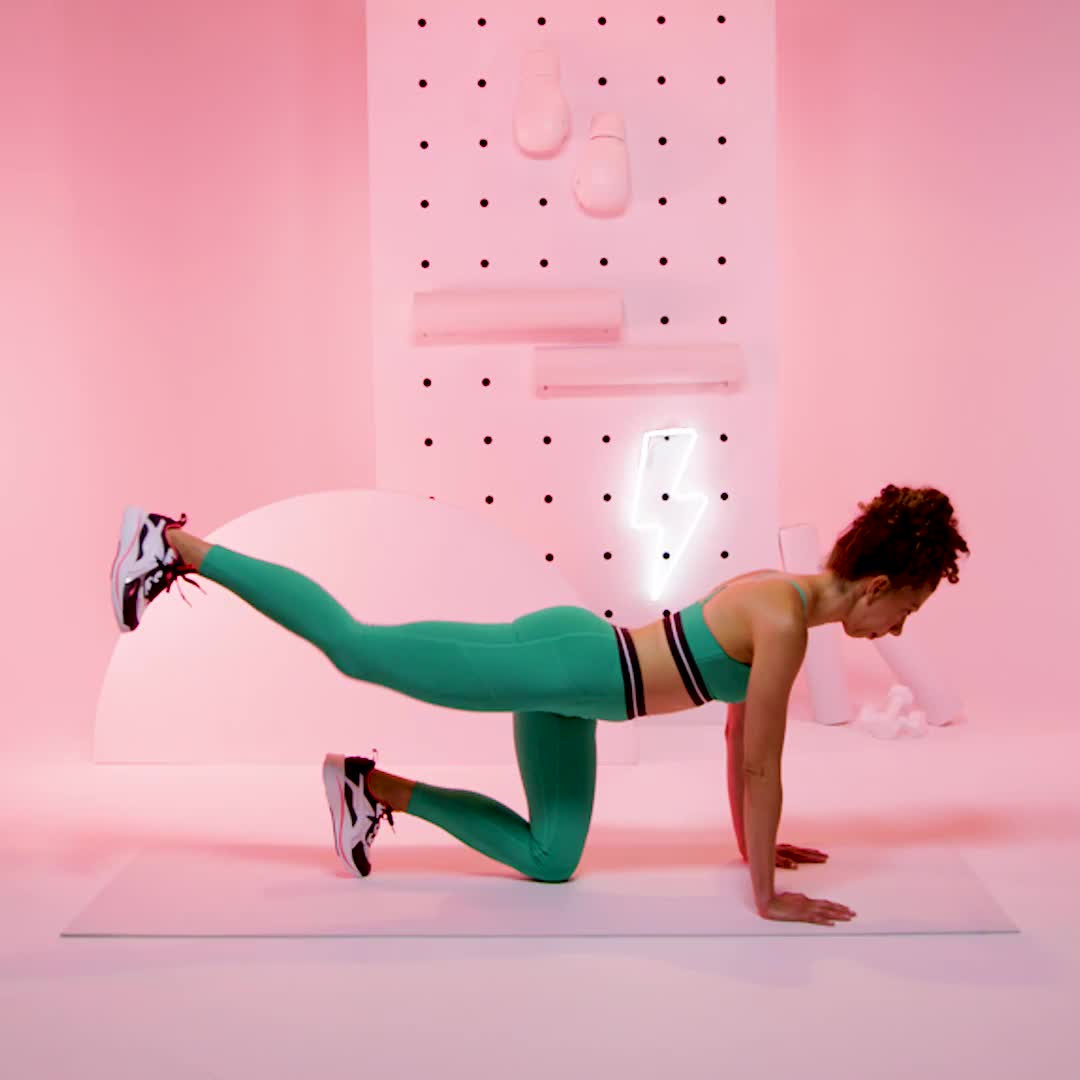
6. Donkey Kick
This move isolates the glutes, especially the gluteus maximus.
How to do it:
- Start on hands and knees.
- Keep knee bent, kick one leg up toward the ceiling.
- Lower down and repeat.
Tips:
- Don’t arch your back.
- Squeeze glutes at the top.
7. Fire Hydrant
Targets the side of your glutes (gluteus medius).
How to do it:
- On hands and knees, lift one knee out to the side.
- Keep core tight, don’t twist your body.
Variations:
- Add a resistance band for more challenge.
8. Lateral Band Walk
This exercise strengthens the side glutes for hip stability.
How to do it:
- Place a resistance band above your knees or ankles.
- Stand with knees slightly bent.
- Step side to side, keeping tension on the band.
Tips:
- Stay low, don’t let knees collapse in.
9. Single-leg Deadlift
Builds glute strength and balance.
How to do it:
- Stand on one leg, other leg lifted behind.
- Keep back flat, hinge at hips, reach hands toward floor.
- Return to start.
Tips:
- Keep hips level.
- Use a wall for balance if needed.
10. Clamshell
Great for activating glutes before bigger exercises.
How to do it:
- Lie on your side, knees bent, feet together.
- Lift top knee up, keeping feet touching.
- Lower back down.
Tips:
- Add a band for resistance.
Sample At-home Glute Workout Plan
Knowing the exercises is good, but structure matters too. Below is a sample plan you can follow, 2–3 times per week. Warm up with 5–10 minutes of light cardio or dynamic stretches before starting.
| Exercise | Sets | Reps | Rest (seconds) |
|---|---|---|---|
| Glute Bridge | 3 | 15–20 | 45 |
| Bulgarian Split Squat (each leg) | 3 | 10–15 | 60 |
| Hip Thrust | 3 | 12–15 | 45 |
| Lateral Band Walk | 3 | 20 steps | 30 |
| Donkey Kick (each leg) | 2 | 15 | 30 |
| Clamshell (each side) | 2 | 15 | 30 |
If you’re a beginner, start with fewer sets and reps. As you get stronger, increase the difficulty by:
- Adding a band or dumbbell
- Slowing down repetitions
- Using harder variations (single-leg, elevated, etc.)
Credit: www.womenshealthmag.com
Progression: How To Keep Growing Your Glutes
Your glutes will only change if you challenge them regularly. Here’s how to make your at-home glute workout more effective over time:
- Increase resistance: Use a heavier band, dumbbell, or even a backpack with books.
- Add reps or sets: Gradually do more over time.
- Slow down: Pause at the top or bottom of each rep.
- Try new variations: Single-leg, elevated, or banded moves.
- Shorten rest: Reduce rest time between sets to increase intensity.
A common mistake is doing the same routine for months without change. Muscles adapt quickly. Even small tweaks—like slowing down the movement—can make a big difference.
Common Mistakes To Avoid
Even with the best exercises, bad habits can hold you back. Here are the mistakes most people make in their at-home glute workouts:
- Not activating glutes: If you don’t feel your glutes working, you’re probably using your back or legs instead. Try a few sets of clamshells or bridges before your main workout.
- Arching your lower back: This shifts the work away from your glutes and can cause pain.
- Letting knees cave in: Always push your knees out, especially during squats and bridges.
- Not using full range of motion: Go as low or as high as your body allows, safely.
- Skipping single-leg work: Both sides need to be strong and balanced.
- No progression: Always look for ways to make your workout harder over time.
Equipment For Glute Workouts At Home
You don’t need much to train your glutes, but a few simple tools can help you see faster results.
Resistance Bands
Mini bands or loop bands add resistance to moves like bridges, squats, and side steps. They’re cheap, portable, and take up no space. Choose one with medium to heavy tension for glute work.
Dumbbells
A pair of dumbbells makes exercises like hip thrusts, deadlifts, and split squats more challenging. If you don’t have any, try a loaded backpack or water jugs.
Chair Or Couch
Great for hip thrusts, Bulgarian split squats, and step-ups. Make sure it’s stable and won’t slide.
Yoga Mat
Protects your knees and back, especially on hard floors.
Optional: Sliders Or Towels
Use these for hamstring curls or reverse lunges on smooth floors.
Comparing At-home Vs. Gym Glute Workouts
Many wonder if working glutes at home can match the gym. The answer is yes—with smart training and progression. Here’s a quick comparison:
| Factor | At Home | Gym |
|---|---|---|
| Equipment Needed | Body weight, bands, dumbbells, chair | Machines, barbells, cables, more weights |
| Convenience | Anytime, no travel | Need to go to gym, limited hours |
| Cost | Low (bands, mat) | Gym membership |
| Progressive Overload | Limited but possible (bands, single-leg work, household items) | Easier (more weights, machines) |
| Privacy | High | Low to medium |
Non-obvious insight: For most people, the biggest benefit of at-home training is consistency. You’re more likely to stick to a routine if you can do it in your living room. The gym offers more weight and machines, but many people see great glute gains at home with just bands and body weight.
Nutrition For Glute Growth
Exercise is only half the battle. To build muscle—including your glutes—you need to fuel your body with the right nutrients.
- Protein: Essential for muscle repair and growth. Aim for at least 0.7 grams per pound of body weight daily.
- Carbs: Give you energy for workouts. Whole grains, fruits, and vegetables are best.
- Healthy fats: Support hormones and recovery. Include nuts, seeds, olive oil, and fatty fish.
- Hydration: Drink plenty of water, especially if you sweat a lot.
If your goal is a bigger butt, you may need a slight calorie surplus—eating a little more than you burn. But if you want to tone and lift without adding size, focus on high-quality protein and balanced meals.
Practical tip: A protein shake or Greek yogurt after your workout can help speed up recovery and muscle building.
Recovery And Rest
Muscles don’t grow during your workout—they grow when you rest. Skipping rest days can lead to overtraining, injury, and poor results.
- Train glutes 2–3 times per week, leaving at least one rest day between sessions.
- Get 7–9 hours of sleep each night for best recovery.
- Stretch and foam roll to reduce soreness and improve flexibility.
If you’re always sore or tired, you may be doing too much. Listen to your body.
How Long Until You See Results?
Glute growth takes time. Most people notice changes in 4–8 weeks if they’re consistent. Visible results depend on:
- How often you train
- Exercise intensity and progression
- Nutrition and recovery
- Genetics (everyone’s glutes are different)
Don’t compare your progress to others. The key is to be patient and keep challenging yourself.
Advanced Glute Workout Progressions
Once the basics feel easy, it’s time to make your workouts harder. Here are ways to keep progressing:
Add More Resistance
Switch to a heavier band or hold a dumbbell for bridges, squats, and hip thrusts. If you don’t have equipment, fill a backpack with books or use a water jug.
Try Harder Variations
- Single-leg hip thrusts: More challenging and great for stability.
- Elevated glute bridges: Place feet on a chair or sofa.
- Curtsy lunges: Step behind and across for extra glute burn.
Increase Time Under Tension
Slow down the lowering phase, or pause at the top of each rep. This forces your muscles to work harder.
Use Supersets And Circuits
Combine two or more exercises with little rest in between. Example: Do hip thrusts, then immediately do lateral band walks.
The Mind-muscle Connection
A non-obvious tip: focus on the mind-muscle connection. This means thinking about your glutes during each exercise. Studies show that people who focus on squeezing the glutes during an exercise activate them more and see better results. Before each set, remind yourself which muscle you want to feel working.
Practical example: During bridges, don’t just lift your hips—actively squeeze your glutes as hard as possible at the top.
Glute Activation: Waking Up “sleepy” Muscles
If you sit a lot, your glutes may be “asleep.” This means other muscles (like your back or hamstrings) take over during exercises. To fix this, do a short glute activation routine before your main workout:
- 15 clamshells each side (with or without band)
- 15 glute bridges (pause at the top)
- 15 fire hydrants each side
This quick 5-minute warmup helps you feel your glutes working in the main workout. Many people skip this, but it can double your results.
Tracking Progress
To see real change, track your workouts. Write down:
- Which exercises you did
- Sets, reps, and resistance used
- How you felt (did you feel your glutes working?)
Take progress photos every few weeks. Sometimes the mirror shows changes the scale doesn’t.
You can also measure your hips and thighs with a tape measure. Remember, building muscle sometimes means the scale goes up, even as your body shape improves.
At-home Glute Workout For Every Level
Here’s how to adapt the plan for different fitness levels.
Beginners
- Start with body weight only.
- Focus on form, not speed or reps.
- Do 2 sets of each exercise, 2 times per week.
Intermediate
- Add a resistance band.
- Try some single-leg variations.
- Do 3 sets, 2–3 times per week.
Advanced
- Use weights (dumbbells, backpack).
- Add more sets, reps, and harder variations.
- Try supersets or circuits for extra challenge.
| Level | Key Focus | Example Exercise | Recommended Equipment |
|---|---|---|---|
| Beginner | Form, activation | Bodyweight bridge | Mat |
| Intermediate | Resistance, balance | Banded squat | Resistance band |
| Advanced | Load, volume | Weighted hip thrust | Dumbbell, band |

Credit: www.antillespr.edu
Glute Workout Myths And Facts
Let’s clear up some common misunderstandings:
- Myth: Squats are the only glute exercise you need.
- Fact: Squats are great, but not enough. You need bridges, thrusts, and isolation moves for full development.
- Myth: You need heavy weights to grow glutes.
- Fact: Bodyweight and bands work, especially with single-leg and slow-tempo moves.
- Myth: Glute workouts are for women only.
- Fact: Strong glutes are important for everyone.
- Myth: Doing glute exercises will make your hips wider.
- Fact: You’ll build muscle but not bone. Your shape improves, but hips don’t get wider.
Motivation And Consistency Tips
The hardest part is sticking with it. Here are ways to stay motivated:
- Set a goal (number of workouts, reps, or a skill you want to master)
- Track your progress in a notebook or app
- Find a workout buddy or online group
- Celebrate small wins—every extra rep or set counts
- Remind yourself why you started
Even 10–20 minutes, a few times a week, adds up over months. Consistency beats intensity for most people.
Credit: www.fondation-enovos.lu
When To See More Results: Patience Pays Off
It’s normal to want quick changes, but building muscle is a long game. Most people feel stronger and notice a firmer shape in 4–8 weeks. Visible growth depends on genetics, diet, and how hard you push yourself.
A non-obvious insight: If you don’t see results, the problem is often not enough resistance or poor mind-muscle connection. Try adding a band, slowing down each rep, or switching to single-leg versions.
Remember, progress is not always linear. Some weeks you’ll see more change than others. Keep going.
Frequently Asked Questions
How Often Should I Do A Glute Workout At Home?
Aim for 2–3 times per week, with rest days between workouts. This allows your muscles to recover and grow. More is not always better—rest is important.
Can I Grow My Glutes At Home Without Weights?
Yes. You can build strong, shapely glutes with body weight and resistance bands. The key is challenging yourself with harder variations and increasing reps over time.
How Long Does It Take To See Results From Glute Workouts?
Most people notice changes in 4–8 weeks with consistent training and good nutrition. Visible results may take longer, depending on your genetics and how hard you work.
What If I Don’t Feel My Glutes During Exercises?
Try glute activation drills before your main workout. Focus on the mind-muscle connection—think about squeezing your glutes during each rep. If you still don’t feel them, adjust your form or try different exercises.
Where Can I Learn More About Glute Training Science?
For more in-depth science on glute training, visit the Wikipedia page on the gluteus maximus.
Strong, healthy glutes are within your reach, no matter where you train. With the right plan, a little creativity, and dedication, your at-home glute workout can deliver impressive results—both in how you look and how you move every day.
