

At Home Glute Building Workout: Sculpt Stronger Glutes Fast
At Home Glute Building Workout
Many people want to build stronger, rounder glutes, but they think they need a gym full of equipment. The truth is, you can get impressive results right at home. Using your own body weight, simple household items, and smart training, you can shape your glutes and improve your lower body strength.
This guide will show you exactly how to do a powerful at home glute building workout, explain the best exercises, and give you tips to make real progress without expensive gear.
Building glutes at home is not just about looks. Strong glutes help you walk, run, and move better. They protect your lower back and knees, boost your athletic power, and improve your balance. Whether you want to fill out your jeans, move with more confidence, or support your overall health, this workout plan will help.
Let’s break down the science, the exercises, and the practical details you need to start growing your glutes at home.
Why Glute Strength Matters
The glute muscles are some of the largest and most powerful muscles in your body. They include the gluteus maximus, gluteus medius, and gluteus minimus. These muscles do much more than give shape to your backside. They play a major role in daily movement, support your posture, and help you avoid pain and injury.
Key Benefits Of Strong Glutes
- Better Posture: Glutes stabilize your hips and pelvis, keeping your spine aligned.
- Improved Athletic Performance: They help you jump higher, run faster, and lift heavier.
- Lower Back Protection: Weak glutes make your lower back work too hard, leading to pain.
- Knee Health: Glutes guide your thigh bones, reducing stress on the knees.
- Everyday Power: Climbing stairs, standing up, and walking all use your glutes.
Many people sit too much during the day, which leads to glute amnesia—your glutes “forget” how to activate. This makes them weaker and increases the risk of pain. A focused glute workout can “wake up” these muscles and restore their power.
The Science Of Home Glute Workouts
You might wonder, “Can I really build glutes at home without heavy weights? ” The answer is yes, if you train smart.
How Muscles Grow
Muscle growth, or hypertrophy, happens when you challenge your muscles with enough resistance, volume, and frequency. Your glutes respond to:
- Progressive overload: Gradually increasing the challenge each workout
- Time under tension: Keeping muscles working for longer sets or slower reps
- Exercise variety: Using different angles and movements to hit all muscle fibers
Even without a gym, you can achieve these with bodyweight exercises, resistance bands, and creative use of furniture. Many studies show that bodyweight glute exercises can lead to real strength and size gains, especially for beginners and intermediates.
Common Myths
- Myth: You must lift heavy weights to grow glutes.
- Reality: You can use higher reps, slower movements, and bodyweight to create muscle-building tension.
- Myth: Squats alone are enough.
- Reality: Glutes need more than just squats. Hip thrusts, bridges, abductions, and lunges are all important.
Essential Equipment For At-home Glute Training
You don’t need a lot of gear, but a few simple items can make your workouts much more effective:
- Resistance bands: Great for adding extra tension, especially for lateral and abduction movements.
- Chair or sofa: Perfect for hip thrusts, step-ups, and Bulgarian split squats.
- Sturdy table or countertop: Use for single-leg exercises or as support.
- Backpack or bag: Fill with books or bottles to add weight for advanced moves.
- Yoga mat or towel: For comfort on the floor.
If you have none of these, you can still do most exercises with just your body.
The Best At-home Glute Building Exercises
To target your glutes from all angles, use a mix of these effective exercises. Each move focuses on a different part of the glute muscles for complete development.
1. Hip Thrusts
Sit on the floor with your upper back against a chair or sofa. Place your feet flat, knees bent. Push through your heels, lifting your hips up until your body forms a straight line from shoulders to knees. Squeeze your glutes at the top, then lower down.
- Tip: Pause for 2 seconds at the top for extra activation.
- Make it harder: Rest a backpack with books on your hips.
2. Glute Bridges
Lie on your back, knees bent, feet flat on the ground. Push through your heels, lifting your hips up. Squeeze your glutes and lower slowly.
- Single-leg bridge: Lift one foot off the floor to double the challenge.
3. Bulgarian Split Squats
Stand with one foot behind you on a chair. Lower your back knee toward the ground, keeping your front knee over your ankle. Push up through your front heel.
- Tip: Lean forward slightly to hit your glutes more.
4. Step-ups
Step onto a sturdy chair or stair with one foot. Drive through your heel to stand up, then lower down with control.
- Variation: Add a slow tempo (3 seconds up, 3 seconds down).
5. Lateral Band Walks
Place a resistance band just above your knees. Step sideways, keeping tension in the band and your knees bent. Move 8-12 steps each way.
- Why: This works the gluteus medius, the “side butt” muscle.
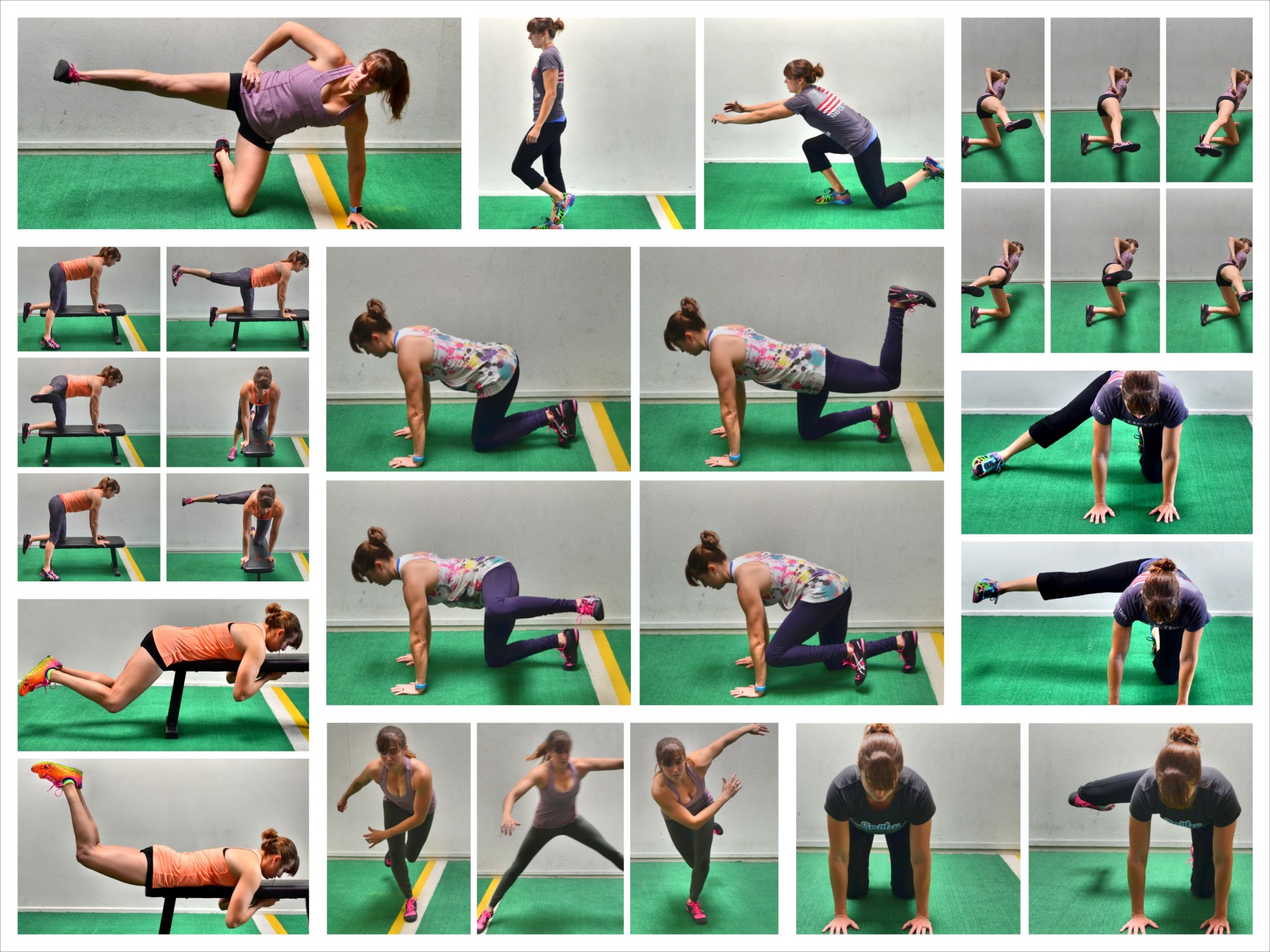
6. Donkey Kicks
On hands and knees, lift one heel up toward the ceiling, keeping your knee bent. Squeeze your glute at the top.
- Add a band behind your knee for more resistance.
7. Fire Hydrants
On hands and knees, lift one knee out to the side like a dog at a fire hydrant. Keep your hips stable.
- Why: Hits the side glutes and improves hip stability.
8. Curtsy Lunges
Step one foot behind and across your body, lowering your knee toward the floor. Push back to start.
- Great for: Glute shape and hip mobility.
9. Single-leg Romanian Deadlifts
Stand tall, hold a backpack or bottle for weight. Hinge at your hips, lifting one leg straight behind you. Lower your chest until you feel your glute stretch, then return to standing.
10. Glute-focused Squats
Stand with feet just wider than hips, toes slightly out. Squat down, pushing your hips back. Pause at the bottom, then drive up through your heels.
- Tip: Push your knees out for more glute activation.
Sample At Home Glute Building Workout Plan
Here’s a balanced routine you can do three times per week. Adjust sets and reps as you get stronger.
Beginner Routine
- Hip Thrusts: 3 sets of 12 reps
- Glute Bridges: 3 sets of 15 reps
- Lateral Band Walks: 3 sets of 12 steps each way
- Step-Ups: 3 sets of 10 reps per leg
- Donkey Kicks: 3 sets of 15 reps per leg
Intermediate Routine
- Hip Thrusts (with backpack): 4 sets of 15 reps
- Bulgarian Split Squats: 4 sets of 10 reps per leg
- Single-Leg Glute Bridges: 3 sets of 12 reps per leg
- Curtsy Lunges: 3 sets of 12 reps per leg
- Fire Hydrants: 3 sets of 15 reps per leg
Advanced Routine
- Hip Thrusts (heavy backpack, pause at top): 4 sets of 15 reps
- Bulgarian Split Squats (with weight): 4 sets of 12 reps per leg
- Single-Leg Romanian Deadlifts: 3 sets of 12 reps per leg
- Lateral Band Walks (strong band): 4 sets of 15 steps each way
- Glute Bridges (slow tempo): 4 sets of 20 reps
Rest: Take 60-90 seconds between sets.
Progression: If you finish all reps easily, make the exercise harder. Add weight, do more reps, or slow down each rep.
Weekly Training Schedule Example
How often should you train your glutes at home? Most people see best results with 2-4 focused sessions per week, with rest days in between for recovery.
| Day | Workout |
|---|---|
| Monday | Glute Workout A |
| Tuesday | Rest or light cardio |
| Wednesday | Glute Workout B |
| Thursday | Rest or upper body/core |
| Friday | Glute Workout A |
| Saturday | Rest or active recovery |
| Sunday | Rest |
- Workout A: Hip Thrusts, Lateral Band Walks, Step-Ups, Fire Hydrants
- Workout B: Glute Bridges, Bulgarian Split Squats, Curtsy Lunges, Donkey Kicks
You can swap exercises to keep things interesting and challenge your muscles in new ways.
How To Increase Intensity Without Weights
One of the biggest challenges at home is making exercises harder over time. Here’s how you can keep making progress even with little or no equipment:
- Increase reps: Add more repetitions to each set.
- Slow down: Take 3-5 seconds to lift and lower each rep.
- Pause at the hardest point: Hold the top of a hip thrust for 2-5 seconds.
- Shorten rest times: Rest 30-45 seconds for extra burn.
- Add resistance bands: Use stronger bands as you get stronger.
- Use one leg: Single-leg versions double the challenge.
- Add weight: Load a backpack with books or water bottles.
These tactics help you create progressive overload, which is key for muscle growth.
Common Mistakes In Home Glute Training
It’s easy to get stuck or frustrated if you don’t see results. Here are common mistakes and how to avoid them:
1. Poor Form
If you use your lower back or thighs too much, your glutes won’t grow. Focus on feeling your glutes do the work. Move slowly and control each rep.
2. Not Enough Challenge
Doing the same easy routine for months won’t change your body. Increase reps, slow down, add bands, or switch to harder exercises as you improve.
3. Skipping Mind-muscle Connection
You need to actively squeeze your glutes with each rep. If you rush, you’ll miss the full benefit.
4. Too Little Rest Or Recovery
Muscles grow when you rest, not during the workout. Give your glutes a full day between hard sessions.
5. Ignoring Other Muscles
Strong legs and core help your glutes work better. Include some squats, lunges, and core work each week.

Credit: www.youtube.com
Tracking Progress At Home
You may not have fancy gym machines, but you can still see your progress.
- Take photos every 2-4 weeks from the side and back.
- Write down sets, reps, and difficulty for each workout.
- Measure your hips and glutes with a tape.
- Notice daily changes: Do stairs feel easier? Are your pants fitting differently?
Seeing even small improvements helps keep you motivated.
Nutrition Tips For Glute Growth
Your workout is only half the story. Nutrition plays a huge role in building muscle—even at home.
1. Eat Enough Protein
Protein gives your body the building blocks for new muscle. Aim for at least 0. 7 grams per pound of body weight daily (for example, 105 grams for a 150-pound person).
- Sources: Chicken, fish, eggs, Greek yogurt, tofu, beans, protein shakes.
2. Don’t Fear Healthy Carbs
Carbs give you energy to train hard. Choose whole grains, potatoes, fruits, and vegetables.
3. Include Healthy Fats
Fats help your hormones and recovery. Add olive oil, nuts, seeds, and avocados.
4. Drink Water
Muscles need water to grow and recover. Aim for at least 8 cups per day.
5. Avoid Crash Diets
If you eat too little, your body won’t build muscle. Eat enough to feel satisfied and support your training.

Credit: pneudirect.it
Example: Daily Meal Plan For Glute Growth
Here’s a simple meal plan to support your workouts:
| Meal | Example |
|---|---|
| Breakfast | Oatmeal with banana and peanut butter |
| Snack | Greek yogurt with berries |
| Lunch | Chicken breast, brown rice, broccoli |
| Snack | Protein shake or cottage cheese with fruit |
| Dinner | Salmon, sweet potato, mixed vegetables |
| Evening | Handful of nuts or trail mix |
Adjust portions to your hunger and goals. You don’t need to eat perfectly every day—just aim for balance most of the time.
Two Insights Beginners Often Miss
1. Glute Growth Takes Time
Many people think they’ll see a “bubble butt” after a few weeks. In reality, it takes months of consistent training and eating to see big changes. You may feel stronger and notice your glutes “waking up” quickly, but visible growth is a slow process.
2. Feeling The Burn Doesn’t Always Mean Growth
Some workouts leave your glutes burning, but that doesn’t always mean your muscles will grow. Focus on progressive overload—making exercises harder over time—rather than just chasing a “burn. ” This is what leads to real muscle gain.
Advanced Tips For Faster Glute Gains
If you want to go beyond the basics, try these strategies:
- Add “activation” sets: Start your workout with banded bridges or lateral walks to “wake up” your glutes.
- Try different foot positions: Turn your toes in or out slightly to hit different glute fibers.
- Train both heavy and light: Mix slow, heavy sets (with a backpack or bands) and high-rep sets for a complete challenge.
- Deload every 6-8 weeks: Take a lighter week to help your muscles recover and grow.
Staying Motivated At Home
Training alone at home can feel tough. Here’s how to stay on track:
- Set small goals: For example, “I want to do 20 single-leg bridges” or “I’ll add a band this month.”
- Track your wins: Write down every workout and note progress.
- Find a buddy: Train with a friend online or share your results.
- Mix it up: Change your exercise order or try new moves each month.
Who Should Avoid These Workouts?
Most healthy people can do at-home glute exercises safely. But if you have serious hip, knee, or lower back injuries, check with a doctor or physical therapist first. Start with basic moves and go slowly.
Real-world Example: Home Transformation Story
Sara, a busy student, wanted to build her glutes but had no gym access. She trained at home 3 times a week with just a mat, a band, and a chair. After 12 weeks, she noticed her jeans fit better, she felt stronger, and she could do single-leg bridges for the first time.
She kept things interesting by adding new exercises every month and taking progress photos. Her advice? “Be patient, keep going, and focus on getting a little better each week. ”
Comparing Home Vs Gym Glute Workouts
Some people wonder if home workouts are as good as the gym. Here’s a quick look:
| Factor | Home Workout | Gym Workout |
|---|---|---|
| Equipment needed | Bands, bodyweight, household items | Barbells, machines, cables |
| Convenience | Very high | Depends on location |
| Progressive overload | Possible with creativity | Easier with heavy weights |
| Cost | Low | Gym membership |
| Results possible | Good for most people | Best for advanced lifters |
If you’re a beginner or intermediate, home workouts can get you strong and build muscle. If you want to get as big as possible, you may eventually want heavier weights, but most people can see great progress at home.
Safety Tips For At-home Glute Training
- Use sturdy furniture: Only use stable chairs or sofas for exercises.
- Warm up: Spend 5-10 minutes with squats, lunges, and hip circles.
- Listen to your body: If you feel sharp pain, stop and rest.
- Cool down: Stretch your glutes and hips after each workout.
Credit: redefiningstrength.com
Frequently Asked Questions
How Many Days A Week Should I Train My Glutes At Home?
Most people get best results with 2-4 focused glute sessions per week. Give yourself at least one rest day between hard workouts for recovery and growth.
Do I Need Resistance Bands To Build Glutes At Home?
No, but they help. Bands add extra tension and help activate your glutes, especially for side movements. If you don’t have bands, use single-leg exercises or add weight with a backpack.
How Long Does It Take To See Results From At-home Glute Workouts?
You may feel your glutes working better in a few weeks. Visible growth usually takes 2-3 months of consistent training and good nutrition. Take progress photos and measurements to track small changes.
Can I Build Glutes Without Growing My Legs?
Yes, if you focus on glute-specific moves like hip thrusts, bridges, and abductions. Squats and lunges do work your thighs, but you can adjust your routine to target glutes more.
Where Can I Learn More About Glute Training?
For deeper science and advanced routines, visit Verywell Fit. They offer research-backed advice and videos.
Building glutes at home is possible with smart planning, regular effort, and patience. Focus on quality movement, progressive overload, and good nutrition. With time, your glutes will grow stronger, rounder, and more powerful—no gym required.
