

Why Do People Wear Gym Gloves: Top Benefits for Lifters
Why Do People Wear Gym Gloves
Going to the gym means more than just lifting weights or running on the treadmill. Many people pay close attention to their workout clothes, shoes, and even accessories. One item you see often is gym gloves. Some people wear them every session, while others never do. If you’re new to the gym, you might wonder, “Why do people wear gym gloves?” Is it about comfort, protection, or just looking cool? This guide explores all the reasons people choose to wear gym gloves, the benefits, potential downsides, how to choose the right pair, and common myths. By the end, you’ll know if gym gloves are right for you and how they can change your workout experience.
What Are Gym Gloves?
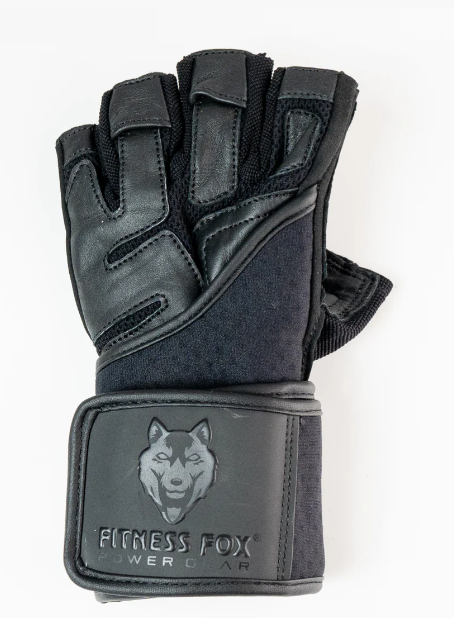
Gym gloves are special gloves designed for exercise. They are different from regular gloves you wear in winter. Most gym gloves cover the palm and have open fingers, but some cover the full hand. These gloves use materials like leather, neoprene, or synthetic fabrics. Some have padding, wrist support, or extra grip. People wear them for weightlifting, cycling, rowing, and even CrossFit.
Main Reasons People Wear Gym Gloves
People have many different reasons for using gym gloves. Here are the most common:
1. Protecting Hands From Calluses And Blisters
One of the biggest reasons is to protect the skin. Lifting weights, pulling on bars, or using machines can cause friction. This friction makes the skin harden, leading to calluses. Sometimes, it causes painful blisters. Calluses are not dangerous, but they can feel rough and look unattractive. For some, especially people who use their hands for work or music, protecting the skin matters a lot. Gym gloves act as a barrier, reducing direct contact and friction.
2. Improving Grip Strength
Sweaty hands are common during intense workouts. When your hands are wet, it’s hard to hold onto bars or dumbbells. Gym gloves often have rubber or textured material on the palms. This improves grip and makes it less likely that weights will slip. A better grip can help you lift heavier and perform more reps with confidence.
3. Preventing Injuries
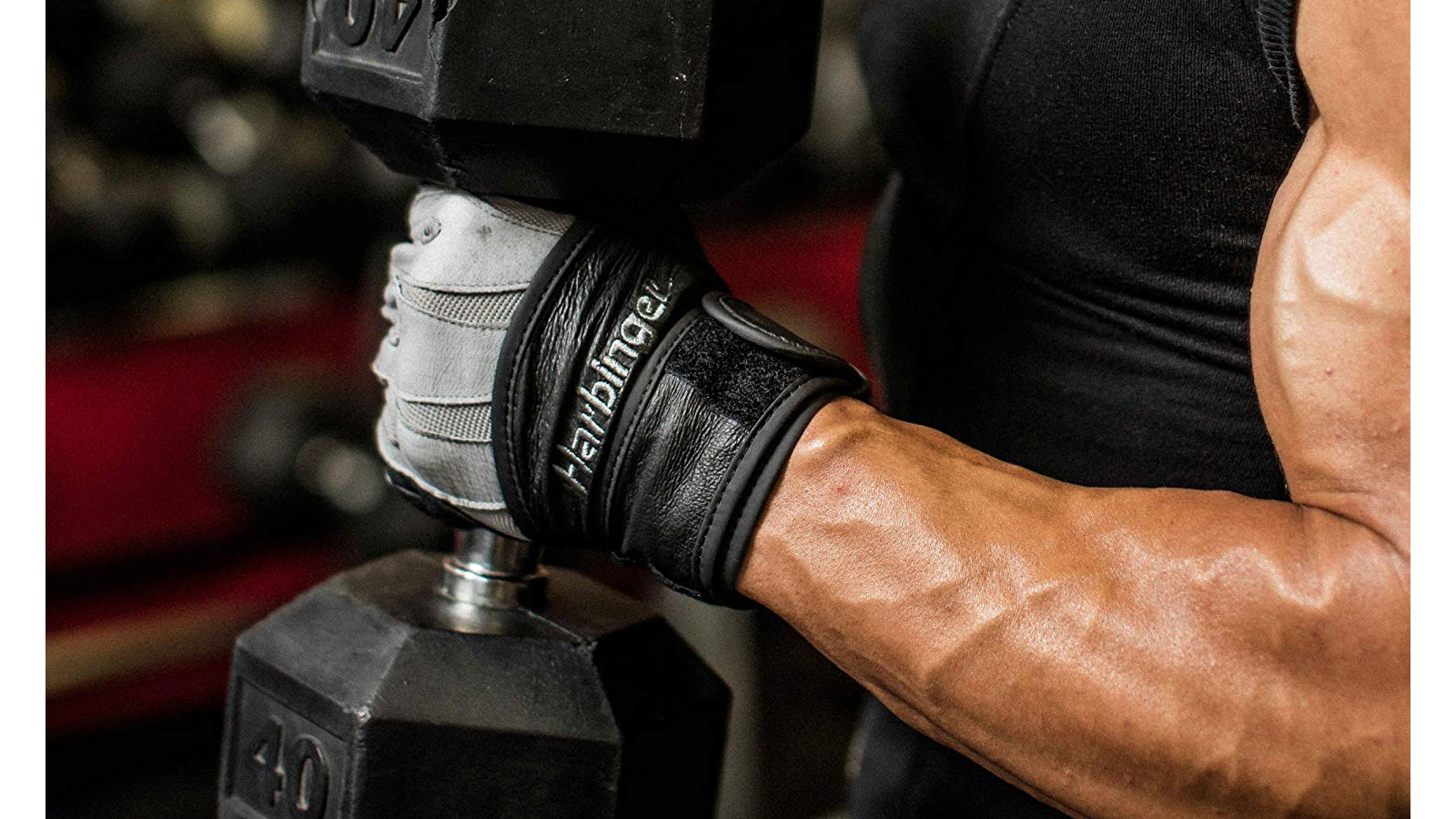
Some gloves come with wrist support straps. These help keep your wrist in a neutral position, reducing the risk of bending or twisting. This extra support is useful for exercises like bench press, deadlifts, or overhead lifts. Even gloves without wrist wraps can prevent small cuts or bruises from rough metal or cable machines.
4. Boosting Comfort During Workouts
Not all gym equipment is clean or well-maintained. Sometimes, bars are rough, cold, or sticky. Gym gloves add a layer of comfort, letting you focus on your workout instead of your hands. For people with sensitive skin, this can make a big difference.
5. Hygiene And Cleanliness
Gyms are busy places. Many people use the same equipment every day. Sweat, germs, or even skin infections can spread through shared surfaces. Wearing gym gloves creates a barrier between your skin and public equipment. This can help you feel cleaner and lower the risk of picking up bacteria or fungi.
6. Supporting Confidence And Motivation
Feeling comfortable and protected can boost your motivation. For some, wearing gym gloves is part of a mental routine that helps them get “in the zone. ” If you’re not worried about slipping or hurting your hands, you can focus more on your form and performance.
7. Reducing Hand Fatigue
Long workouts or high-rep sets can make your hands tired. The extra padding in gym gloves reduces pressure points. This helps you hold weights longer and do more reps before your grip gives out. Sometimes, this means you can push your muscles harder and see better results.
8. Helping With Specific Conditions
People with skin problems (like eczema), arthritis, or old hand injuries often find gym gloves useful. The gloves protect sensitive skin or joints and make lifting weights less painful.
9. Enhancing Performance For Some Sports
Gym gloves are not just for weightlifting. Cyclists, rowers, and CrossFit athletes also use them. In these sports, a secure grip is important for speed, control, and safety.
10. Fashion And Personal Style
Finally, gym gloves can be a style choice. Some people like the way they look. Wearing gloves can make them feel more “serious” about fitness. There’s nothing wrong with wanting to look good while you work out!

Credit: www.fitnessfox.co.nz
Types Of Gym Gloves
Not all gym gloves are the same. Each type is designed for a specific purpose. Here are the most popular types:
| Type | Main Features | Best For |
|---|---|---|
| Half-finger Gloves | Exposed fingertips, padded palm, adjustable strap | General weightlifting, gym beginners |
| Full-finger Gloves | Covers whole hand, extra protection | Outdoor workouts, cycling, cold gyms |
| Wrist Wrap Gloves | Extra strap around wrist for support | Heavy lifting, people with weak wrists |
| Grip Pads | Small pads, no fingers, just palm protection | Quick exercises, people who dislike full gloves |
| Specialty Gloves | Extra grip, silicone or rubber, unique designs | CrossFit, kettlebells, rowing |
Different types offer different levels of comfort, grip, and support. Your choice depends on your workout style and personal needs.
Detailed Benefits Of Wearing Gym Gloves
Wearing gym gloves offers several real advantages. Let’s break down the most important ones.
A. Hand Protection In Daily Use
If you train several times a week, your hands take a lot of abuse. Over time, calluses and skin tears can make daily life uncomfortable. For example, typing on a keyboard, shaking hands, or even washing your hands can become painful. Gloves act as a shield, keeping your hands in better condition.
B. More Secure Lifting
Lifting heavy weights with sweaty hands is risky. A dumbbell slipping could hurt your foot or someone nearby. With gym gloves, the chance of dropping weights decreases. This means you can train harder and with more confidence.
C. Support For Weak Wrists
Some people naturally have weaker wrists, or they have old injuries. Gloves with wrist wraps stabilize the joint. This is especially helpful for bench press or overhead press, where the wrist supports a lot of weight. Wrist wraps can also help beginners learn correct wrist position.
D. Longer, Better Workouts
Tired hands often stop a workout before your muscles do. The padding in gloves allows you to keep going. For example, during pull-ups, your fingers might give up before your back muscles. Gloves help you do a few more reps, making workouts more effective.
E. Improved Hygiene
Many gyms are cleaned often, but not every user wipes down equipment. Sweat, chalk, and germs can stay on bars and handles. Gloves are not a magic shield, but they reduce direct contact. This can lower the risk of athlete’s foot, warts, or other skin issues.
F. Comfort On Rough Equipment
Some gyms have old or low-quality equipment. Handles may be rusty, rough, or sticky. Gym gloves turn a rough surface into a soft one, making the workout more pleasant.
G. Motivation And Mindset
Wearing gloves can create a mental “start” to your workout. It signals your brain that it’s time to focus. For some, this small ritual helps build a routine and stick to fitness goals.
Potential Downsides Of Gym Gloves
While gym gloves have many benefits, they are not perfect. Here are some possible drawbacks to consider:
1. Reduced Grip Strength Development
Gloves improve grip, but they also mean your hands do less work. Over time, this can slow down your natural grip strength improvement. If you always wear gloves, you might find it harder to hold heavy weights without them.
2. Feeling Less Connected To The Bar
Some lifters like the “feel” of the metal bar in their hands. Gloves add a layer between you and the weight. This can make you feel less in control, especially during delicate lifts like deadlifts or cleans.
3. Hygiene Issues With Gloves
Gloves can collect sweat, bacteria, and even mold if not washed often. Dirty gloves can smell bad or cause skin problems. Proper cleaning and drying are important.
4. Fit And Comfort Problems
Not all gloves fit all hands. Poorly fitting gloves can cause blisters, pinch the skin, or slide around. Finding the right size and shape is important for comfort and safety.
5. Cost And Maintenance
Good gym gloves are not free. They wear out over time and need to be replaced. Some people prefer to save money and go without.
Who Should Consider Using Gym Gloves?
Not everyone needs gym gloves, but they can help in certain cases. You should consider using them if:
- You get blisters, calluses, or sore hands easily
- You have sweaty hands that make equipment slippery
- You have weak wrists or old hand injuries
- You care about hygiene in the gym
- You do high-rep or long workouts where hand fatigue is a problem
- You want to protect your hands for work, music, or hobbies
If you compete in powerlifting or Olympic lifting, check the rules. Some competitions do not allow gloves.
Credit: www.fitnessfox.co.nz
How To Choose The Right Gym Gloves
Picking gym gloves is not just about style or color. Here’s what really matters:
Material
- Leather: Durable, offers good grip, but can be hot and stiff at first.
- Neoprene/Synthetic: Lighter, breathable, dries fast, but may wear out faster.
- Rubber or Silicone Grip: Adds stickiness, good for sweaty hands.
Fit
A glove should feel snug but not tight. It should not pinch or leave marks. Try different brands, as sizes can vary.
Padding
More padding means more comfort, but sometimes less control. For heavy weights, look for palm protection. For fine movements, go for thinner gloves.
Wrist Support
If you have weak wrists, choose gloves with wraps or straps. If your wrists are strong, you may not need this feature.
Breathability
Sweaty hands need gloves with mesh or ventilation holes. This keeps your hands cooler and reduces smell.
Ease Of Cleaning
Gloves should be easy to wash and quick to dry. Some can go in the machine, others need hand washing.
Price
Good gloves are an investment. Cheap gloves may wear out fast. Look for a balance between quality and cost.
Here’s a quick comparison of glove features:
| Feature | Benefit | Drawback |
|---|---|---|
| Padded Palms | Protects hands, reduces pain | Less bar “feel” |
| Wrist Wraps | Extra joint support | Slower to put on/take off |
| Breathable Fabric | Cooler, less sweat | May wear out faster |
| Full Finger | Maximum protection | Less dexterity |
| Grip Pads Only | Lightweight, easy to use | Less overall protection |
Common Myths About Gym Gloves
There are many opinions about gym gloves. Some are true, some are not. Let’s clear up a few myths:
“gloves Make You Weak”
Some say gloves stop your grip from getting stronger. If you always wear them, you may not build grip strength as fast. But for most people, gloves help you train better and safer. You can also do extra grip exercises without gloves.
“only Beginners Wear Gloves”
Many advanced athletes use gloves, especially for high-rep or long workouts. Even professional cyclists and rowers use gloves for protection and grip.
“gloves Are Just For Looks”
Gloves do look cool, but most people wear them for comfort, safety, or hygiene. The style is a bonus, not the main reason.
“you Never Need Gloves”
Some people never use gloves and do fine. Others find them essential for avoiding pain or injury. It’s a personal choice.
Real-world Examples: Who Uses Gym Gloves And Why
- Beginner lifters: Protect their hands, feel more confident, avoid pain
- Cyclists: Reduce vibration, prevent numbness, improve grip on handlebars
- CrossFit athletes: Avoid torn skin during high-rep pull-ups or kettlebell swings
- People with skin conditions: Protect sensitive skin from rough equipment
- Older adults: Get extra support for weak hands or wrists
Each group has its own reasons. The important thing is finding what works for your body and your goals.
Practical Tips For Using Gym Gloves
If you decide to try gym gloves, here are some helpful tips:
- Try before you buy: If possible, try on different brands and sizes. Comfort is key.
- Keep them clean: Wash gloves regularly to avoid smells and bacteria.
- Let them dry: Air out gloves after each session to prevent mold.
- Have a backup pair: If you train often, rotate between two pairs.
- Remove gloves during grip training: Do some exercises without gloves to build natural grip strength.
- Replace worn gloves: Old gloves lose grip and protection. Check for holes or weak spots.
- Listen to your body: If gloves cause pain, numbness, or blisters, try a different style or size.
How Gym Gloves Compare To Other Hand Protection
Some people use other products instead of gloves. Here’s how gym gloves compare:
| Product | Main Use | Pros | Cons |
|---|---|---|---|
| Gym Gloves | General lifting, cycling, CrossFit | Comfort, protection, grip | May reduce bar feel |
| Chalk | Heavy lifts, sweaty hands | Boosts grip, cheap | Messy, not allowed in all gyms |
| Grip Pads | Palm protection only | Lightweight, quick on/off | Less support |
| Wrist Wraps | Wrist support only | Stabilizes joint | No palm protection |
Some lifters use a mix of these products. For example, you might use gloves for most exercises, chalk for max lifts, and wrist wraps for extra support.
Two Insights Beginners Often Miss
Many people new to the gym do not realize these points:
- Gloves can mask bad technique. If you’re gripping a bar wrong, gloves may hide the problem. Always focus on proper form first. Gloves are for comfort, not for fixing technique.
- Glove choice depends on workout style. Someone who does bodybuilding may need different gloves than someone who rows or cycles. Think about your own needs before buying.
Should You Wear Gym Gloves?
There is no single answer. If your hands hurt, you feel unsafe, or you worry about hygiene, gym gloves are a smart choice. If you love the “bare hands” feeling and have no pain, you may not need them. It’s all about your comfort and goals.
Listen to your body, try different options, and ask for advice from trainers if you’re not sure. What works for one person may not work for another.
If you want to learn more about hand protection and gym safety, the Wikipedia page on weight training has helpful information.
Frequently Asked Questions
Why Do My Hands Hurt When I Lift Weights?
Lifting weights creates pressure and friction on your skin. This can cause pain, blisters, or calluses, especially if you are new to the gym or lifting heavy. Gym gloves add padding and protect your skin from direct contact.
Can Gym Gloves Prevent All Injuries?
No, gym gloves reduce some risks but cannot prevent all injuries. They protect your skin and may support your wrists, but they do not fix bad technique or prevent overuse injuries. Always use proper form and warm up before exercise.
How Often Should I Wash My Gym Gloves?
It is best to wash your gym gloves after every few workouts, or more often if they get very sweaty. This prevents bacteria, smell, and skin problems. Check the care label for washing instructions.
Are Gym Gloves Allowed In All Gyms?
Most gyms allow gym gloves, but some competitions or special classes may have rules. For example, powerlifting meets often do not allow gloves. Ask your gym staff if you are unsure.
Do Professionals Use Gym Gloves?
Yes, many professionals use gym gloves, especially in sports like cycling, rowing, or CrossFit. Even some bodybuilders use them for comfort and protection. It depends on the sport and personal preference.
Gym gloves are a simple tool, but they can make a big difference in your workout. Whether you use them for protection, grip, or style, the key is to choose what helps you train safely and enjoy your time in the gym.
Credit: www.t3.com
