

How to Wash Gym Clothes: Pro Tips for Fresh, Odor-Free Activewear
Washing gym clothes sounds simple. But if you’ve ever opened your gym bag and smelled a strong odor—even after washing—then you know it’s not so easy. Gym clothes collect sweat, bacteria, and body oils that regular washing often can’t remove.
The right way to wash them keeps your clothes fresh, protects their high-tech fabrics, and makes them last much longer. If you want to save money, avoid embarrassing smells, and get the most from every workout, learning how to wash gym clothes properly is a skill worth mastering.
Let’s take a closer look at why gym clothes are different, what makes them tricky to clean, and every step you need to keep them looking (and smelling) their best.
Why Gym Clothes Need Special Care
Modern gym clothes use synthetic fabrics like polyester, nylon, and spandex. These materials stretch, wick moisture, and dry fast. But they also trap sweat and bacteria deep in the fibers. This makes odors hard to remove with normal laundry routines.
Cotton shirts absorb sweat and release it easily, but synthetic fibers hold onto oils and smells. Over time, this buildup causes clothes to smell bad even after washing. Plus, heat and friction from regular washing or drying can quickly damage stretchy fabrics.
Washing gym clothes the right way protects:
- Elasticity (so your leggings don’t sag)
- Moisture-wicking ability
- Vivid colors and prints
- Shape and fit
Ignoring these needs can mean ruined clothes, wasted money, and a gym bag you dread opening.
What Makes Gym Clothes So Tricky To Wash?
- Bacteria and body oils: Sweat itself is mostly water and salt, but when it mixes with skin bacteria, it creates strong smells. Synthetic fabrics trap these odors deeper than natural fibers.
- Residue from detergents: Many regular laundry detergents leave residues behind. These can clog the fibers of high-performance fabrics, making them less effective.
- Fabric softness and elasticity: Gym clothes need to stretch and move with your body. Harsh washing can weaken or break down the spandex, leading to saggy, misshapen clothes.
- Frequent use: If you work out often, your gym gear gets washed more. This increases wear and tear, especially if you don’t use gentle methods.
Essential Pre-wash Steps
Before you toss sweaty gym clothes into your laundry basket, a few key steps can make a huge difference:
Air Out Immediately
Don’t leave gym clothes bunched up in your bag. Sweat and bacteria multiply in dark, damp places. As soon as possible, pull them out and hang them up or drape them over a chair to let air flow.
Pre-rinse If Super Sweaty
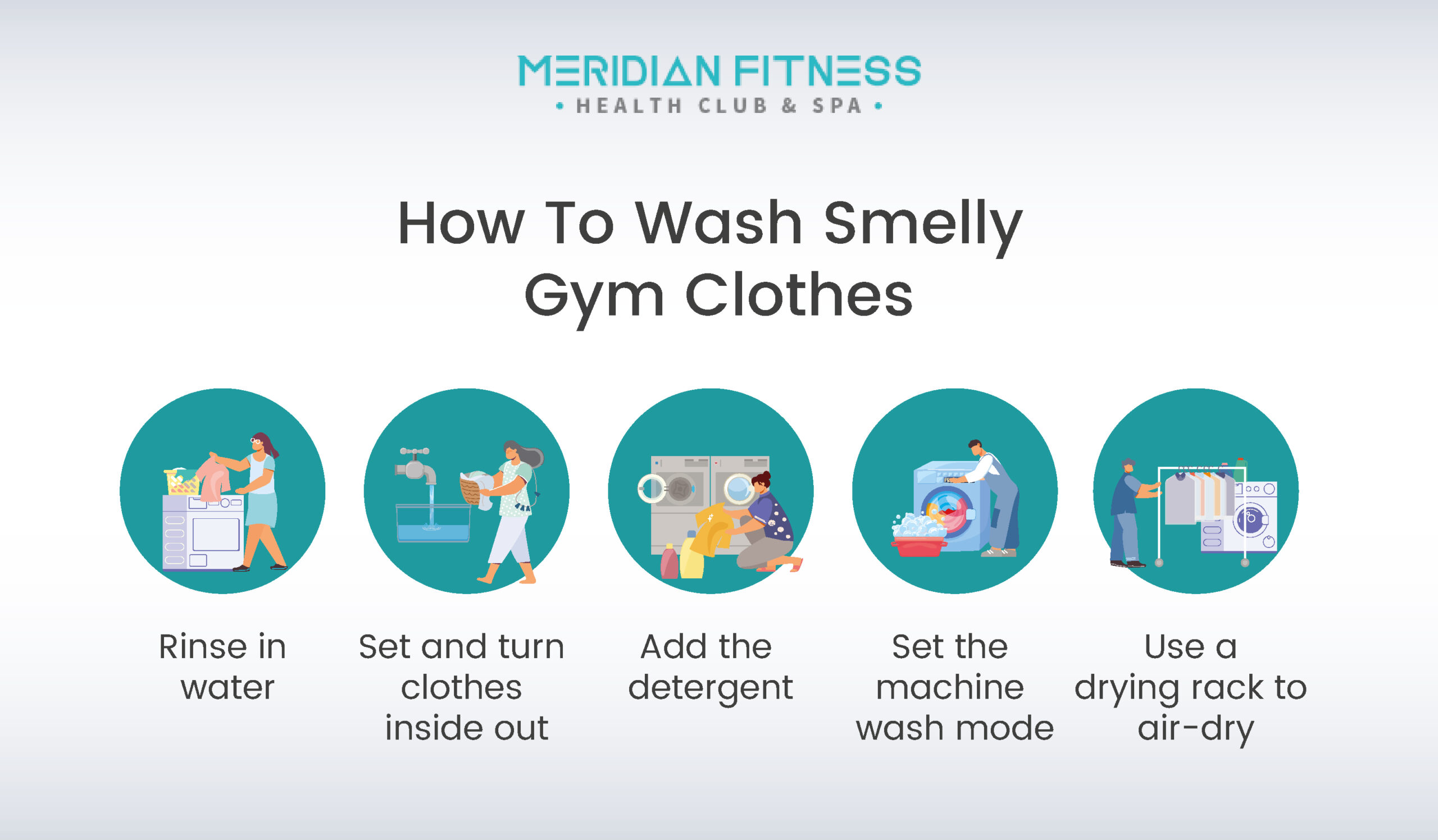
If your workout was intense and your clothes are soaked, rinse them in cold water before washing. This helps remove excess sweat and prevents stains from setting in.
Turn Clothes Inside Out
Most sweat, oils, and bacteria collect on the inside of gym clothes. Turning them inside out before washing helps the detergent reach these areas better.
Treat Stains And Odors
If you notice sweat stains or stubborn smells, treat them before washing. Mix a small amount of white vinegar with water and dab it on problem spots. Let it sit for 10–15 minutes, then wash as usual.
Separate Gym Clothes From Regular Laundry
Washing gym clothes with towels or heavy jeans can damage delicate fabrics. Plus, mixing them can make odors spread. Wash them in a separate load whenever you can.
Choosing The Right Detergent
Not all detergents work well on gym clothes. Many are designed for cotton and regular fabrics, but performance wear needs something different.
What To Look For
- Enzyme-based detergents: These help break down sweat, oils, and stains trapped in synthetic fibers.
- No heavy fragrances: Strong scents only mask odors instead of removing them. Choose fragrance-free or lightly scented options.
- Low-residue formulas: Regular detergents often leave a coating that blocks the breathability and wicking of gym clothes.
- Specialty sports detergents: Some detergents are made just for athletic wear. They target bacteria and body oils better.
Popular Options
Look for detergents labeled as “sports,” “activewear,” or “performance fabric. ” Some well-known choices are HEX Performance, Tide Sport, and Nathan Sport Wash.
Diy Detergent Boosters
If you can’t find a sports detergent, try adding a cup of white vinegar or baking soda to your wash. These help neutralize odors and break down buildup. Vinegar also softens fabrics naturally.

Credit: blog.beactivewear.com.au
Washing Machine Settings: What Really Matters
It’s tempting to use the same settings for every load, but gym clothes need a gentler touch.
Water Temperature
Always use cold water. Hot water can break down spandex and elastic fibers, causing fading and loss of stretch.
Wash Cycle
Pick the gentle or delicate cycle. It’s slower and uses less agitation, which reduces wear and tear.
Spin Speed
A slower spin protects the fabric. High-speed spins can stretch or damage seams.
Amount Of Detergent
More detergent does not mean cleaner clothes. Too much detergent can build up in the fibers and trap odors. Use the recommended amount or even a little less.
Hand Washing Vs. Machine Washing
There are times when hand washing is the better choice for gym clothes. Here’s how they compare:
| Method | Pros | Cons |
|---|---|---|
| Hand Washing | - Very gentle on fabric - Removes sweat immediately - Good for single items |
- Takes more time - Not practical for big loads |
| Machine Washing | - Fast and convenient - Handles large loads |
- Can damage delicate fabric - May not remove all odors |
For high-end or very delicate gym clothes, hand washing is safest. For regular activewear, a machine is fine if you use gentle settings.
How To Hand Wash Gym Clothes
- Fill a basin or sink with cold water.
- Add a small amount of sports detergent or gentle soap.
- Turn clothes inside out and submerge.
- Gently swirl for a few minutes, focusing on sweaty areas.
- Let soak for 15–30 minutes.
- Rinse thoroughly in cold water until no soap remains.
- Gently squeeze out water (don’t wring or twist).
- Lay flat to dry or hang up in a well-ventilated area.
Hand washing helps keep compression leggings, sports bras, and other delicate pieces in top shape.
How To Machine Wash Gym Clothes
- Turn all clothes inside out.
- Place in the machine—don’t overload.
- Use cold water and a gentle cycle.
- Add the right amount of sports detergent.
- Skip fabric softener (it coats fibers and blocks wicking).
- After washing, remove clothes quickly to air out.
If you want extra odor protection, add half a cup of white vinegar to the rinse cycle. This helps neutralize smells and remove detergent residue.
Should You Use Fabric Softener?
Fabric softener is a no-go for gym clothes. It leaves a coating on synthetic fibers that blocks moisture-wicking and breathability. Over time, it can also trap odors and make your clothes feel less fresh.
If you want softer clothes, use a bit of white vinegar in the rinse cycle. It naturally softens fabric without leaving residue.
Drying Gym Clothes: Air Dry Vs. Machine Dry
Drying is just as important as washing. The wrong method can ruin your favorite leggings or tops.
Air Drying
Best for all gym clothes. Hang or lay flat on a clean towel in a well-ventilated area. Avoid direct sunlight, which can fade colors and weaken fibers. Air drying prevents shrinkage and protects stretch.
Machine Drying
If you must use a dryer, choose the lowest heat setting (often called “air dry” or “tumble dry low”). High heat damages elastic fibers and can warp shapes.
Here’s a quick comparison:
| Drying Method | Benefits | Drawbacks |
|---|---|---|
| Air Dry | Protects fabric, saves energy, no shrinkage | Takes longer, needs space |
| Machine Dry | Fast, convenient | Can damage stretch, shrink clothes, fade colors |
Whenever possible, stick to air drying for the longest life.
How To Remove Stubborn Odors
Sometimes, even after careful washing, gym clothes still smell. Here’s what you can do:
- Soak in vinegar: Mix one part white vinegar with four parts cold water. Soak clothes for 30–60 minutes, then wash as usual.
- Baking soda boost: Add half a cup of baking soda to the wash to neutralize smells.
- Sunlight: If safe for your clothes, hang them outside in indirect sunlight. UV rays help kill bacteria and remove odors.
- Repeat wash: If smells linger, wash again with less detergent and no softener. Too much detergent can trap odors.
- Special enzyme cleaners: These break down proteins from sweat and work well on tough odors.
A common mistake is using more detergent or hotter water. This can make things worse by damaging fabric or trapping more smells.
How Often Should You Wash Gym Clothes?
For most people, every use is best. Leaving sweat and bacteria in the fabric leads to stains, odors, and shorter lifespan. Here’s a general guide:
- Tops and sports bras: Wash after every workout.
- Leggings and shorts: Wash after every use.
- Jackets and outer layers: Wash after every few wears, unless soaked in sweat.
- Socks and underwear: Always wash after each use.
If you forget and leave clothes in your bag for a day or two, wash them as soon as possible. Bacteria multiply quickly in damp environments.
Credit: www.meridian-fitness.co.uk
Storing Clean Gym Clothes
Proper storage keeps your clothes fresh between workouts.
- Make sure clothes are completely dry before putting away.
- Store in a cool, dry place with airflow.
- Avoid plastic bags or closed containers, which trap moisture and odors.
- If you want extra freshness, place a sachet of baking soda or cedar chips in your gym drawer.
Dealing With Special Gym Clothes
Some gym gear needs extra care:
Sports Bras
These often have padding and elastic bands that break down in heat. Hand wash if possible, or use a lingerie bag in the washing machine.
Compression Clothing
Compression leggings and sleeves can lose their shape if stretched too much. Always air dry and avoid twisting or wringing.
High-tech Fabrics (anti-odor, Uv Protection)
Check the care label. Some special coatings can be ruined by hot water or strong detergents. Stick to mild detergent and cold water.
Shoes And Accessories
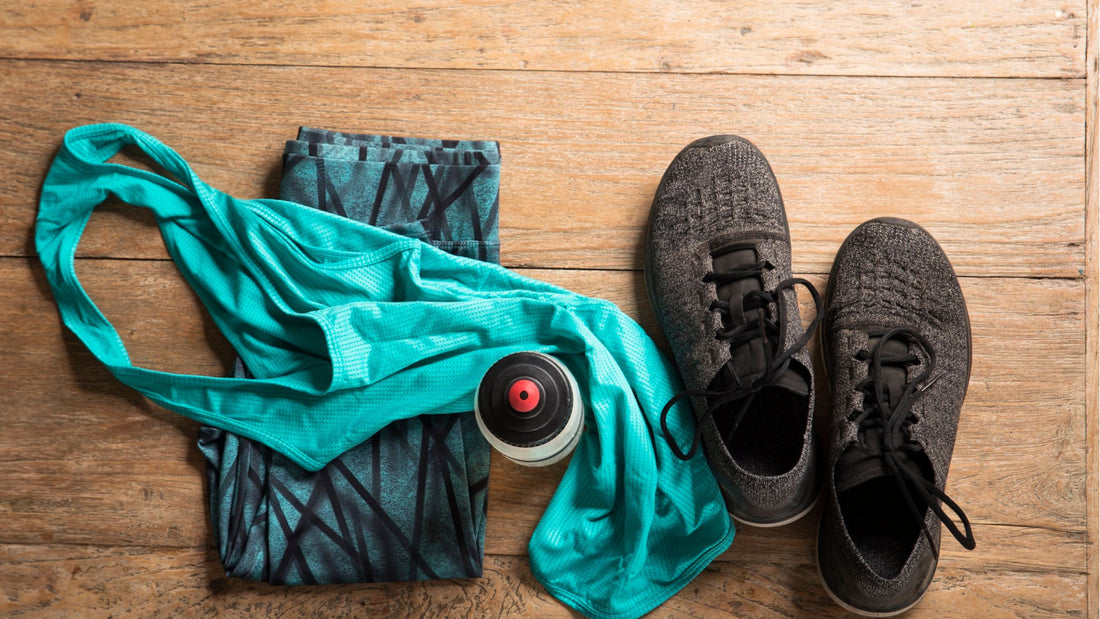
- Sneakers: Remove insoles and laces. Hand wash with mild soap and air dry. Never use a dryer.
- Headbands, gloves, and wraps: Hand wash or use a mesh bag. Air dry only.
Credit: rockay.com
Common Mistakes To Avoid
Even experienced gym-goers make simple mistakes that can ruin activewear. Here are some to watch out for:
- Using hot water or high heat: Destroys elastic fibers, shrinks clothes, fades colors.
- Overloading the washer: Prevents clothes from getting clean, increases friction and damage.
- Skipping the pre-wash steps: Leads to set-in odors and stains.
- Using fabric softener: Blocks wicking, traps odors.
- Leaving clothes wet in the machine: Causes mildew and lingering smells.
- Not washing after every use: Lets bacteria and odors build up.
- Using too much detergent: Leaves residue that holds onto smells.
- Ignoring care labels: Each brand may have special instructions.
- Wringing or twisting fabric: Damages stretch and shape.
- Machine drying everything: Shortens the life of elastic and synthetic fabrics.
How To Wash Gym Clothes When Traveling
Traveling doesn’t mean you have to skip good laundry habits:
- Bring a travel-size sports detergent or a bar of gentle soap.
- Wash gym clothes in your hotel sink with cold water.
- Hang them to dry in the bathroom or near a window.
- If you must use a laundromat, choose cold water and gentle cycles. Skip the dryer if you can.
Packing a mesh laundry bag also helps keep dirty gym clothes separate from clean items in your suitcase.
The Science Behind Gym Clothes Smells
Sweat itself is odorless. What you smell is bacteria breaking down sweat and skin oils. Synthetic fabrics, especially polyester, are hydrophobic—they repel water but attract oils. These oils are hard to remove with regular detergent.
A study from the American Society for Microbiology found that polyester clothes hold on to odor-causing bacteria more than cotton. That’s why your old cotton t-shirt might smell less than your new polyester tank top, even after the same workout.
Using enzyme-based detergents or vinegar helps break down and remove these oils, making your clothes truly clean—not just “less smelly. ”
Comparing Gym Clothes Care To Regular Laundry
It’s easy to assume all laundry is the same, but there are key differences.
| Feature | Regular Laundry | Gym Clothes |
|---|---|---|
| Detergent Type | Any standard detergent | Sports/enzymatic, low-residue |
| Water Temp | Warm or hot | Cold only |
| Fabric Softener | Often used | Never use |
| Drying | Machine drying common | Air drying recommended |
| Wash Frequency | Based on dirt | After every use |
Understanding these differences helps you avoid the mistakes that ruin activewear.
Non-obvious Tips Most People Miss
- Mesh Laundry Bags: Using a mesh bag in the washer prevents straps, zippers, and delicate pieces from snagging or stretching. It’s especially useful for sports bras and leggings.
- No Bleach: Even if your gym clothes are stained, bleach can break down synthetic fibers and ruin colors. Stick to vinegar or baking soda for stain removal.
- Quick Wash After Use: If you can’t do a full wash, at least rinse gym clothes in cold water right after working out. This keeps bacteria from multiplying and setting in odors.
- Rotate Your Gear: Having a few sets of gym clothes means you’re not wearing and washing the same ones every day. This helps each piece last longer.
When To Replace Gym Clothes
Even with perfect care, gym clothes don’t last forever. Replace them when:
- Elastic is stretched out
- Odors don’t go away after washing
- Fabric is thinning or torn
- Colors are badly faded
Proper washing extends their life, but nothing lasts forever. Listen to your nose and your comfort—if your gym clothes no longer perform, it’s time for new ones.
Frequently Asked Questions
How Do I Get Rid Of The Musty Smell In My Gym Clothes?
Soak them in a mix of cold water and white vinegar for at least 30 minutes before washing. This helps kill odor-causing bacteria and remove trapped smells. Make sure to use a sports detergent and avoid fabric softener.
Can I Wash Gym Clothes With My Regular Laundry?
It’s better to wash gym clothes separately. Heavy fabrics like jeans or towels can damage delicate activewear. Mixing gym clothes with regular laundry can also spread odors and bacteria.
How Can I Dry Gym Clothes Quickly Without A Dryer?
Lay them flat on a clean towel, roll the towel up, and press gently to remove excess water. Then hang clothes in a well-ventilated space or near a fan. Avoid direct sunlight to prevent fading.
Is It Okay To Use Bleach On White Gym Clothes?
No. Bleach can weaken synthetic fibers and cause yellowing or damage. Try baking soda or vinegar for stubborn stains instead.
What Is The Best Detergent For Gym Clothes?
Look for a sports detergent or an enzyme-based detergent made for synthetic fabrics. These remove sweat, oils, and bacteria better than regular detergent. If you want more details, check Consumer Reports for tested recommendations.
Washing gym clothes the right way takes a little extra effort, but it pays off in freshness, comfort, and money saved on new gear. With these tips, your gym clothes will always be ready for your next workout—no embarrassing smells, no saggy fit, and no surprises. Remember: a little care goes a long way toward making your fitness routine even more enjoyable.
