

Why Do People Wear Gym Belts: Top Benefits for Lifters
People everywhere are searching for ways to lift heavier weights, stay safe, and get the most from their workouts. If you walk into any gym, you’ll see people wearing gym belts—sometimes called weightlifting belts. These belts seem simple, but they spark debates and questions.
Are they necessary? Do they really prevent injuries? Should beginners use them or are they only for serious lifters?
The gym belt is more than a piece of equipment. It’s a tool that helps people push their limits and feel more secure. But understanding why people wear gym belts requires looking at science, safety, and real-life experiences. In this article, you’ll find clear explanations, practical advice, and useful comparisons to help you decide if a gym belt is right for you.
What Is A Gym Belt?
A gym belt is a wide, sturdy belt made from leather, nylon, or synthetic materials. It wraps tightly around the lower waist, usually above the hips and below the ribs. The main purpose is to support the lower back and core during heavy lifts. Gym belts come in different shapes, thicknesses, and closures (like buckles or Velcro).
Most belts are about 4 inches wide at the back, tapering at the front. Some are uniform width for more support. The belt’s construction affects comfort, stability, and how well it helps during workouts.
Types Of Gym Belts
There are several common types:
- Powerlifting belts: Thick, stiff, and uniform in width. Used for maximum support during squats and deadlifts.
- Olympic lifting belts: Usually taper at the front for more comfort and flexibility.
- Bodybuilding belts: Slightly thinner and lighter, often with Velcro closures.
- Dip belts: Used to add weight for pull-ups or dips, not for core support.
Each type targets a different need. Powerlifters often choose thick leather belts, while casual gym-goers may prefer lighter nylon.
The Science Behind Gym Belts
Many people think gym belts simply protect the back. While that’s partly true, their main function is more complex. They increase intra-abdominal pressure. This is the pressure inside your abdomen when you brace your core.
When lifting heavy weights, the body naturally tightens the core muscles. Wearing a gym belt makes this bracing more effective. The belt acts as a wall for your abdominal muscles to push against. This support stabilizes the spine and reduces the risk of injury.
How Gym Belts Help The Body
- Increase core stability: The belt encourages proper bracing. This makes it easier to keep the spine straight and strong.
- Reduce stress on the lower back: By increasing intra-abdominal pressure, the belt decreases the load on spinal discs.
- Enhance lifting performance: Studies show people can lift more weight when wearing a belt, especially during squats and deadlifts.
Example: Intra-abdominal Pressure
Imagine lifting a heavy box. If you tighten your stomach, your back feels more stable. A gym belt amplifies this effect by giving your muscles something solid to push against. This helps prevent rounding or arching of the back, which leads to injuries.
Research And Data
According to research published in the Journal of Strength and Conditioning, lifters wearing gym belts experienced up to 40% more intra-abdominal pressure compared to lifting without a belt. This increase resulted in reduced spinal compression and improved power output.
In another study, participants wearing belts during squats had better trunk muscle activation and lifted heavier weights than those without belts. However, the belt does not replace proper form or core strength—it’s a tool, not a shortcut.
Reasons People Wear Gym Belts
People use gym belts for several reasons, often based on their goals, experience, and health. Here are the main motivators:
1. Injury Prevention
Heavy lifting puts stress on the spine and lower back. Wearing a gym belt lowers the risk of injuries like muscle strains, disc herniation, and back pain. Many lifters with past injuries use belts as a precaution.
2. Improved Lifting Performance
A gym belt allows people to lift heavier weights. The extra core support means you can push harder, especially during compound movements like squats, deadlifts, and bench presses.
3. Confidence And Mental Focus
Some people feel more confident when wearing a gym belt. It acts as a reminder to brace the core and maintain good posture. This mental boost can make a big difference, especially during challenging lifts.
4. Support During Rehabilitation
People recovering from injuries or surgery often use gym belts to support weak muscles. This helps them return to training safely and gradually.
5. Maintaining Proper Form
A gym belt helps lifters keep their back straight and hips aligned. It’s especially useful for beginners learning proper technique.
6. Reducing Fatigue
The belt decreases the workload on the lower back muscles. This means less fatigue and better endurance during long workouts.
7. Reducing Pressure On Abdominal Organs
Some believe belts protect the organs by stabilizing the abdominal wall. While this benefit is debated, many users report feeling less discomfort when lifting heavy.
When Should You Use A Gym Belt?
Wearing a gym belt is not always necessary. It’s most useful during heavy compound movements—exercises that involve multiple joints and large muscle groups.
Recommended Exercises
- Squats: Especially when lifting more than your body weight.
- Deadlifts: When the weight is challenging or near your max.
- Bench Press: Useful for powerlifters, but not essential for light weights.
- Overhead Press: Provides stability for the lower back.
Belts are less helpful during isolation exercises (like bicep curls or leg extensions) and cardio workouts.
Lifting Thresholds
Most experts recommend using a belt when lifting above 80% of your one-rep max. For lighter weights, focus on developing natural core strength.
How To Use A Gym Belt Properly
Using a gym belt the right way is critical. Wearing it too loose or too tight can cause problems. Here’s how to get the most benefit:
1. Positioning
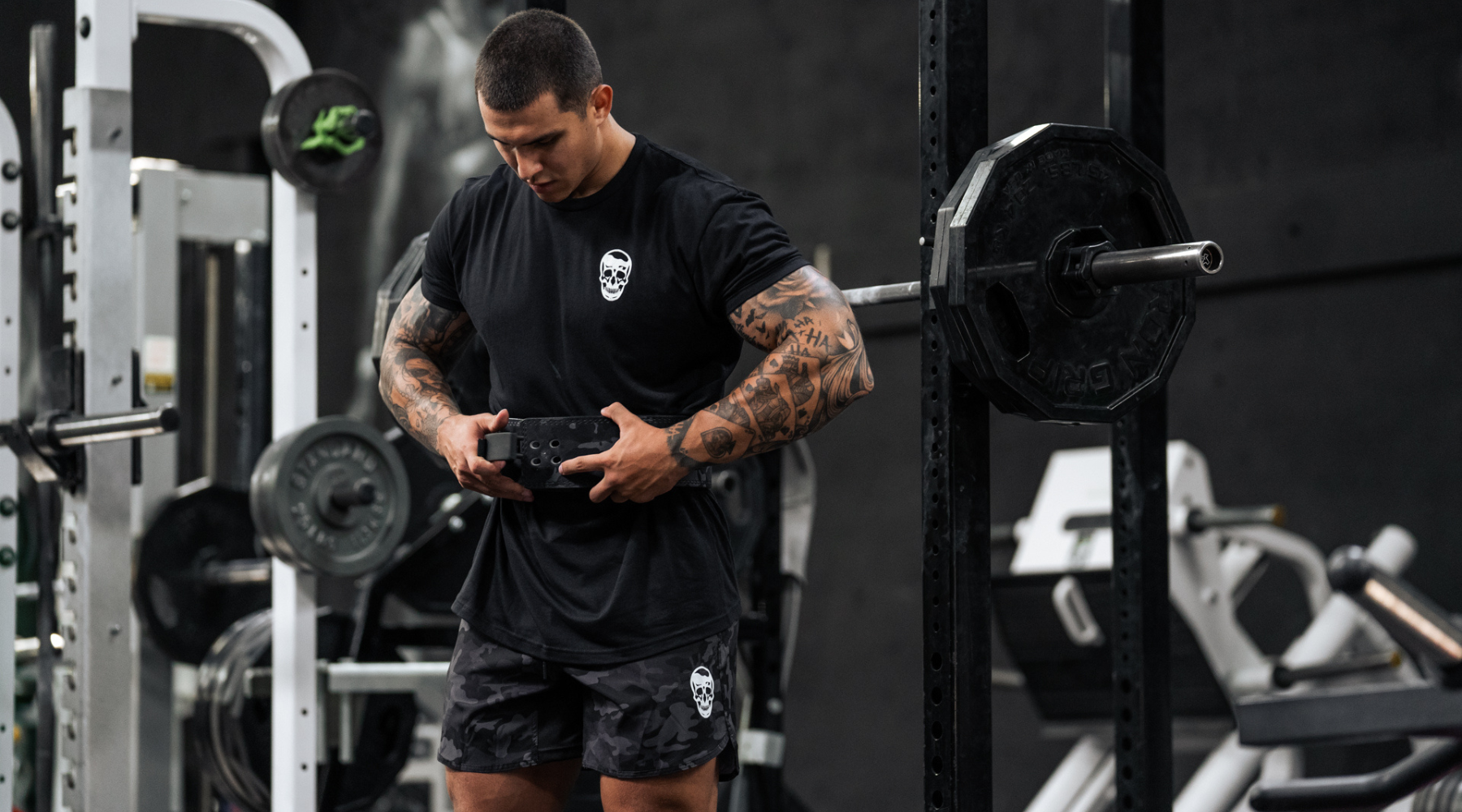
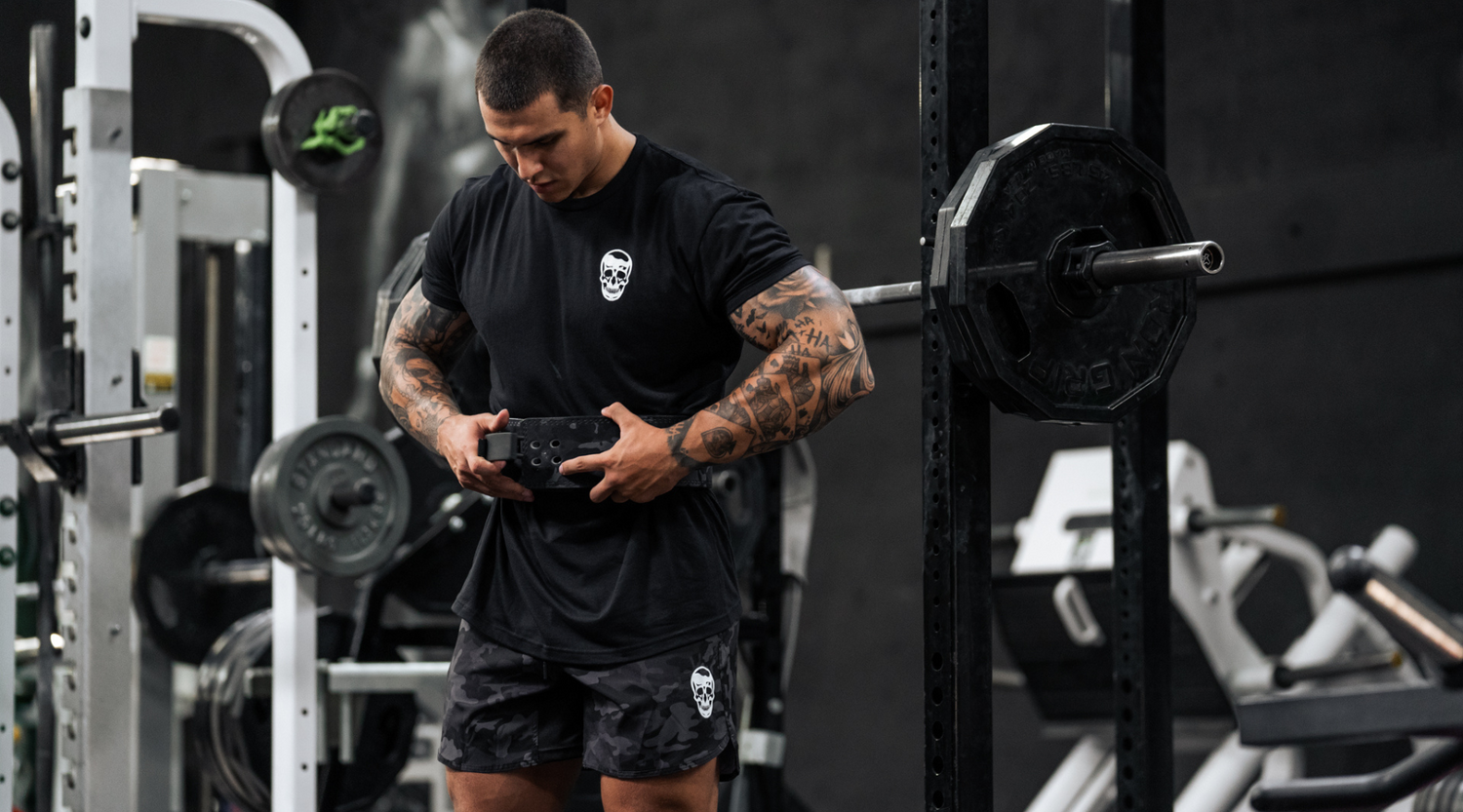
Place the belt around your lower waist, just above the hips. It should cover the area where your back naturally arches.
2. Tightness
The belt should be snug but not painful. You should be able to take a deep breath and feel your abdomen push against the belt. If you can’t breathe comfortably, loosen it slightly.
3. Timing
Wear the belt only during heavy sets or high-intensity lifts. Remove it during warm-ups, light sets, and between exercises.
4. Bracing Technique
Before lifting, take a deep breath and expand your stomach. Push your abdomen outward against the belt. This creates intra-abdominal pressure and stabilizes your spine.
5. Adjust For Body Type
Some people need a higher or lower belt position based on their torso length. Experiment to find the most comfortable spot.
Common Mistakes With Gym Belts
Many beginners and even experienced lifters make mistakes when using gym belts. Avoid these errors to stay safe and get maximum benefit.
- Wearing the belt all workout: This weakens core muscles over time.
- Using the belt for every exercise: Belts are only needed for heavy, compound lifts.
- Ignoring proper bracing: The belt is not a substitute for correct technique.
- Choosing the wrong size or type: A belt too narrow or loose offers little support.
- Relying on the belt for injury prevention: It helps, but good form and strength matter most.
Gym Belt Vs. No Belt: Performance Comparison
To understand the real difference, let’s compare gym belt usage with no belt in a workout scenario.
| Factor | With Gym Belt | No Belt |
|---|---|---|
| Intra-abdominal pressure | Higher | Lower |
| Max weight lifted | Usually greater | Limited by core stability |
| Core muscle activation | Still high, but some muscles may work less | Very high, all muscles engaged |
| Risk of lower back injury | Lower | Higher |
| Confidence during heavy lifts | Boosted | May feel less secure |
This table shows that gym belts offer support and performance advantages. But they may reduce natural core activation if overused.
Choosing The Right Gym Belt
Selecting the best gym belt depends on your needs, body type, and training goals. Here’s what to consider:
Material
- Leather: Durable and offers maximum support. Ideal for heavy lifting.
- Nylon: Lightweight and comfortable. Good for general fitness.
- Synthetic: Mix of both, but may wear out faster.
Width And Thickness
- Wide belts: More support for powerlifting.
- Tapered belts: Flexible, better for Olympic lifts.
Closure Type
- Buckle: Secure and adjustable.
- Velcro: Quick and easy, but less durable.
Sizing
Measure your waist at the level where you’ll wear the belt. Most brands offer size charts. A wrong size reduces effectiveness.
Comparing Gym Belt Types
Below is a comparison between powerlifting, Olympic, and bodybuilding belts:
| Type | Width | Material | Best Use | Comfort |
|---|---|---|---|---|
| Powerlifting | 4 inches (uniform) | Leather | Squats, deadlifts | Stiff, less flexible |
| Olympic | 4 inches (tapered) | Leather/nylon | Olympic lifts | More flexible |
| Bodybuilding | 3-4 inches (tapered) | Nylon | General fitness | Light, comfortable |

Credit: www.socalpowerlifting.net
Gym Belts: Pros And Cons
Before deciding, it helps to weigh the advantages and disadvantages.
Pros
- Reduces risk of injury when lifting heavy weights
- Increases lifting capacity by improving core stability
- Boosts confidence and focus during workouts
- Supports recovery for people with previous back issues
Cons
- Can weaken core muscles if overused
- May cause dependency and reduce natural bracing ability
- Not needed for all exercises—sometimes unnecessary for light lifts
- Can be uncomfortable if poorly fitted
Real-world Examples And Insights
Many professional lifters use gym belts, but opinions differ. For instance, some Olympic athletes only wear belts during their heaviest lifts. Bodybuilders often use belts for squats and deadlifts but leave them off for other movements.
A common non-obvious insight: Gym belts do not make you stronger; they allow you to use your existing strength more safely. Beginners often miss this point, thinking belts will instantly boost performance.
Another insight: Core training is still essential. If you rely on the belt too much, your core muscles may weaken, leading to long-term problems. Use the belt as a tool, not a crutch.
Gym Belt Myths And Misconceptions
There are several myths about gym belts. Let’s clear up the most common ones:
Myth 1: Belts Are Only For Professionals
Truth: Anyone lifting heavy weights can benefit from a belt, regardless of experience.
Myth 2: Belts Prevent All Injuries
Truth: Belts lower risk, but poor form, weak muscles, and overtraining can still cause injuries.
Myth 3: Wearing A Belt Makes Your Waist Bigger
Truth: There’s no evidence that gym belts increase waist size. This myth comes from confusion between muscle activation and fat accumulation.
Myth 4: Belts Should Be Worn All The Time
Truth: Overusing a gym belt can weaken the core. Use it only for heavy lifts.
Gym Belt Safety Tips
To use a gym belt safely and effectively:
- Warm up without the belt: Build core strength naturally before heavy lifts.
- Check the belt fit: Make sure it’s snug but not restrictive.
- Use proper form: The belt supports, but you must maintain correct technique.
- Limit use: Reserve the belt for challenging sets, not every exercise.
- Consult a trainer: If unsure, ask for guidance on belt selection and use.
Credit: www.gymreapers.com
Gym Belt Alternatives
Some people prefer not to use belts. There are other ways to improve core stability and lifting safety:
- Strengthening core muscles: Planks, leg raises, and ab exercises build natural support.
- Practicing proper technique: Good form prevents injuries.
- Using lighter weights: Focus on gradual progression instead of max lifts.
Comparing Gym Belt Brands
The fitness market offers many gym belt brands. Here’s a quick comparison of popular options:
| Brand | Material | Best For | Price Range | Durability |
|---|---|---|---|---|
| Rogue Fitness | Leather | Powerlifting | High | Excellent |
| Harbinger | Nylon | Bodybuilding | Medium | Good |
| Dark Iron Fitness | Leather | General lifting | Medium | Very good |
| Schiek Sports | Synthetic | Olympic lifts | High | Good |
Prices and durability vary, so choose based on your training style and budget.
Credit: www.gymreapers.com
Should Beginners Use Gym Belts?
This is a common question. The answer depends on your goals and experience.
- If you’re new to lifting, focus first on building core strength and learning proper technique.
- Use a gym belt only when attempting heavier weights, or if you have a history of back problems.
- A belt can help beginners feel safer, but should not replace training or supervision.
Gym Belts In Professional Sports
Gym belts are common in powerlifting, Olympic lifting, and strongman competitions. Athletes use them to protect their backs and maximize performance. However, some sports—like CrossFit—encourage limited belt use to promote natural core strength.
Professional lifters usually wear belts during their maximum lifts, then train without the belt to build overall stability.
Gym Belt Care And Maintenance
Taking care of your gym belt extends its life and keeps it effective.
- Clean regularly: Wipe down leather belts with a damp cloth, use mild soap for nylon.
- Store properly: Keep the belt in a cool, dry place.
- Check for wear: Inspect for cracks, loose stitching, or broken buckles.
- Replace as needed: If the belt loses stiffness or support, get a new one.
Frequently Asked Questions
How Tight Should A Gym Belt Be?
A gym belt should be snug but not overly tight. You should feel your stomach push against the belt when you brace, but still be able to breathe comfortably. If it causes pain or restricts movement, loosen it slightly.
Can Gym Belts Weaken The Core?
Yes, if you use a belt for all exercises, it can cause your core muscles to work less. To avoid this, use the belt only for heavy lifts and continue training your core without the belt.
Is A Gym Belt Necessary For Every Workout?
No. Gym belts are only needed for heavy compound lifts—like squats and deadlifts—when the weight is challenging. For lighter exercises, focus on natural core strength.
What’s The Difference Between A Gym Belt And A Back Brace?
A gym belt is designed for lifting support and increasing intra-abdominal pressure. A back brace is used for medical purposes to restrict movement and support injury recovery. They serve different functions.
Where Can I Find More Research About Gym Belts?
You can read more scientific studies on gym belts and lifting safety at Wikipedia.
People wear gym belts for many reasons—safety, performance, confidence, and recovery. The belt is a tool, not a magic solution. It helps you lift heavier, protects the back, and boosts confidence, but it must be used wisely. Focus on core strength, proper technique, and smart training.
Whether you’re a beginner or a professional, knowing why and when to use a gym belt can make your workouts safer and more effective.
