

How to Stop Gym Clothes from Smelling: Proven Freshness Hacks
How To Stop Gym Clothes From Smelling
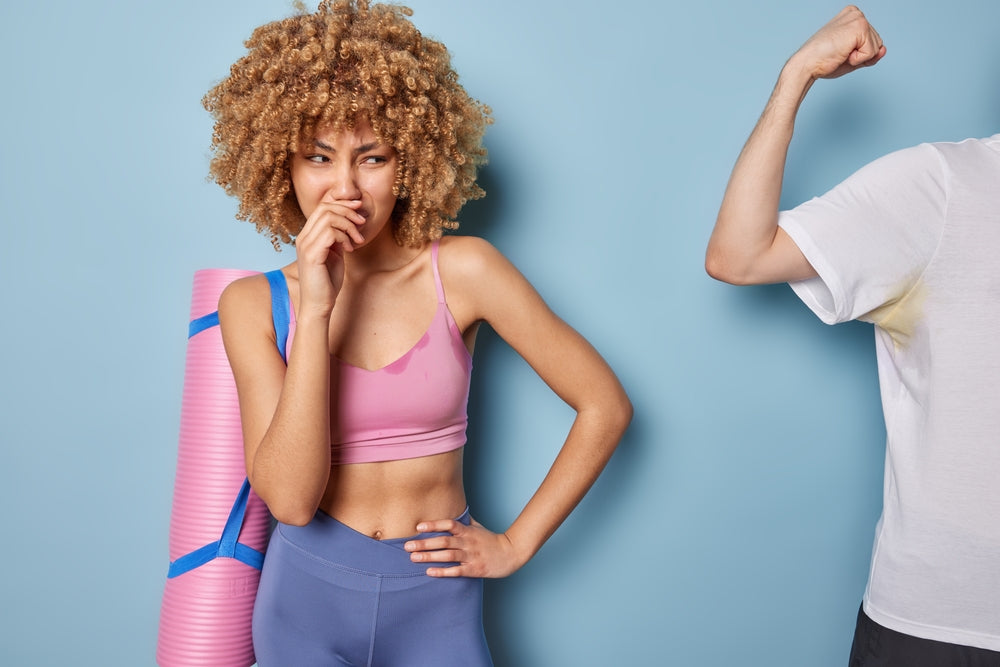
Most people love the feeling after a good workout. But what many dislike is the stubborn, unpleasant smell that seems to cling to gym clothes, even after washing. This issue isn’t just about sweat—it's a result of body oils, bacteria, synthetic fabrics, and sometimes bad laundry habits.
If you find yourself embarrassed by smelly activewear, you’re not alone. Fortunately, with the right approach, you can keep your gym clothes smelling fresh wash after wash. This guide will explain why odors happen, share science-backed strategies, and offer expert tips to help you say goodbye to gym stink for good.
Why Gym Clothes Smell Bad
Understanding the root of the problem helps you fix it more effectively. Many people think sweat is the main cause of odor. In reality, sweat itself is odorless. The smell comes when sweat mixes with bacteria on your skin and clothes. Here are the main factors:
- Bacteria: Your body naturally has bacteria that break down sweat. These bacteria create acids, which cause that unpleasant smell.
- Synthetic fabrics: Most gym clothes are made from polyester or nylon. These materials are great for wicking moisture but also hold onto oils and bacteria, making it harder to clean them completely.
- Moist environments: Wet, sweaty clothes in your gym bag or hamper give bacteria the perfect place to grow.
- Not washing soon enough: Leaving gym clothes unwashed for even a day or two can let odors set in deeper.
Example: If you finish a workout and toss your damp shirt into a closed gym bag, by the next day, the smell will be much worse than if you’d let it dry or washed it right away.
Key Laundry Mistakes That Make Odors Worse
Many people don’t realize that some laundry habits actually make gym clothes smellier over time. Here’s what to avoid:
- Overloading the washer: If the machine is too full, water and detergent can’t move freely, and clothes don’t get clean.
- Using too much detergent: More soap doesn’t mean cleaner clothes. Extra detergent can stick to fabric, trapping bacteria and smells.
- Skipping pre-treatment: Sweat and oils need special attention before washing.
- Washing with regular clothes: Mixing gym clothes with towels or jeans can spread bacteria and make odors worse.
- Drying on low heat: Gym clothes need to be fully dry to prevent bacteria growth. Low heat or air-drying in a humid room can leave them damp.
Let’s look at how different laundry choices affect odor removal:
| Laundry Habit | Effect on Odor | Recommendation |
|---|---|---|
| Overloading washer | Poor cleaning, more odor | Wash small loads |
| Too much detergent | Traps bacteria, causes buildup | Use only recommended amount |
| Skipping pre-treatment | Deep odors remain | Pre-treat stains and underarms |
| Mixing with regular clothes | Spreads bacteria | Wash gym clothes separately |
| Low heat drying | Clothes stay damp, bacteria grow | Use high heat or line dry in sun |
Credit: hercleon.com
Best Ways To Wash Gym Clothes
Getting rid of tough odors requires a little extra care. Here’s a step-by-step method that works:
1. Don’t Let Clothes Sit Wet
Right after your workout, try to air out your clothes. If you can’t wash them right away, hang them up so they dry. This slows down bacteria growth. Avoid stuffing sweaty clothes in a closed bag or basket.
2. Pre-treat Odor Zones
Focus on areas that get the most sweat, like armpits and collars. Spray these spots with a mix of water and white vinegar (1:1 ratio), or use a dedicated sportswear pre-wash spray. Let it sit for at least 15 minutes.
3. Choose The Right Detergent
Regular laundry detergents often can’t break down the oils and bacteria that cause odors in synthetic fabrics. Look for detergents labeled for sportswear or odor removal. These have special enzymes that target sweat and bacteria.
4. Wash In Cold Water
Hot water can damage the fibers in gym clothes and make them hold onto odor. Cold water is gentle and works well with the right detergent.
5. Avoid Fabric Softener
Fabric softener can leave a coating on synthetic fibers. This coating traps bacteria and makes smells harder to remove. If you want a softening effect, use a half cup of white vinegar in the rinse cycle instead.
6. Extra Rinse Cycle
Adding an extra rinse helps remove all detergent and bacteria, especially if you often have strong odors in your clothes.
7. Dry Completely
If possible, dry your gym clothes outside in the sun. Sunlight naturally kills bacteria and removes smells. If you use a dryer, choose a high heat setting and make sure clothes are fully dry before storing.
Here’s a simple comparison of washing methods and their impact on odor:
| Method | Odor Removal | Fabric Care |
|---|---|---|
| Cold water, sports detergent, no softener | Excellent | Gentle on fabric |
| Hot water, regular detergent, softener | Poor | Damages fibers |
| Pre-treat, extra rinse, sun dry | Best | Extends life of clothes |
Natural Solutions For Stubborn Odors
Sometimes, even after washing, odors remain. Natural products can help, and they’re often cheaper and safer than chemical sprays.
Baking Soda
Baking soda is a classic deodorizer. Add half a cup to your washing machine along with your detergent. For extra-strong smells, soak clothes in water and baking soda for a few hours before washing.
White Vinegar
Soak your gym clothes in a mix of one part white vinegar and four parts water for 30 minutes before washing. Vinegar kills bacteria and breaks down oils, making it very effective for persistent odors.
Lemon Juice
Lemon juice contains acids that kill bacteria and leave a fresh scent. Add a quarter cup to your wash cycle or use it as a pre-soak.
Essential Oils
Adding a few drops of tea tree oil or lavender oil to your wash can help fight bacteria and give a pleasant smell. Be careful: some oils can stain, so test on a small area first.
Sunlight
It’s easy to forget, but the sun is one of the best natural disinfectants. Hanging your gym clothes outside not only dries them faster but also helps kill odor-causing bacteria.
Smart Habits To Prevent Smelly Gym Clothes
Sometimes the best way to fight odor is to stop it before it starts. These daily habits can make a big difference:
- Change out of sweaty clothes quickly: The longer you stay in damp, sweaty clothes, the more bacteria multiply. Change as soon as you finish exercising.
- Shower right after workouts: Rinsing off sweat and bacteria from your skin helps keep clothes cleaner.
- Turn clothes inside out before washing: The inside of your clothes collects the most sweat and bacteria. Washing them inside out allows detergent to reach these areas better.
- Rotate your gear: Don’t wear the same gym clothes two days in a row, even if they seem clean. Give them time to air out and dry completely.
- Use a breathable gym bag: Mesh or ventilated bags help clothes dry and reduce bacteria growth compared to plastic bags.
- Keep your washing machine clean: Run an empty hot cycle with vinegar or a washing machine cleaner once a month. A dirty washer can transfer odors to your clothes.
Choosing The Right Gym Clothes To Reduce Odor
Some materials naturally resist odors better than others. Synthetic fabrics are popular for their moisture-wicking abilities but can hold onto smells. When shopping for gym clothes, consider these tips:
Look For Odor-resistant Fabrics
Some brands treat their fabrics with antimicrobial agents. These slow down bacterial growth and help keep clothes fresher for longer. Look for terms like "antibacterial," "odor control," or "silver ion" on labels.
Natural Fabrics
Merino wool is a natural fiber that resists odor much better than polyester or nylon. It’s soft, breathable, and can be worn several times before washing. Cotton is less ideal for heavy workouts—it absorbs sweat but dries slowly and can get smelly.
Fit And Comfort
Tight-fitting clothes can trap sweat and bacteria. Clothes that fit well but aren’t too tight allow your skin to breathe and sweat to evaporate.
Here’s a comparison of common gym clothing fabrics:
| Fabric | Odor Resistance | Moisture Wicking | Comfort |
|---|---|---|---|
| Polyester | Poor | Excellent | Good |
| Nylon | Poor | Very good | Good |
| Merino wool | Excellent | Good | Soft, comfortable |
| Cotton | Fair | Poor | Soft, but heavy when wet |
| Antimicrobial blends | Very good | Good | Varies |
Non-obvious insight: Many people think polyester is the best because it dries quickly, but it can actually make odor problems worse if not washed properly. Merino wool, though more expensive, is a smart investment if you struggle with odor.
When Odor Won’t Go Away: Advanced Tips
Sometimes, despite your best efforts, gym clothes still smell. Here are some advanced solutions for persistent problems:
Try A Sportswear-specific Detergent
There are detergents made just for activewear. These contain enzymes and surfactants designed to break down sweat, oils, and bacteria that regular detergents miss. Brands like Hex, Win, and Nathan are popular options.
Use Oxygen Bleach
Unlike chlorine bleach, oxygen bleach (like OxiClean) is safe for colors and synthetic fabrics. It helps remove tough stains and odors by breaking down organic material. Add it to your wash following the package instructions.
Deep Soak
For extra-smelly clothes, fill a tub with warm water, add a cup of white vinegar or baking soda, and let clothes soak overnight. Wash as usual the next day.
Freeze Your Clothes
It sounds strange, but putting clean, dry gym clothes in the freezer overnight can kill bacteria and reduce odor. This is a good emergency fix if you need a fresh shirt and have no time to wash it again.
Replace Old Clothes
No matter how well you care for them, gym clothes don’t last forever. Over time, fibers break down and hold onto smells. If you’ve tried everything and the odor won’t go away, it might be time to replace your workout gear.
The Science Behind Odor-resistant Clothing
Some companies use advanced technology to fight gym odors. For example, silver nanoparticles can be woven into fabric. Silver naturally kills bacteria, so these clothes stay fresher for longer. There is ongoing research about how effective and safe these treatments are, but many athletes report good results.
Another method is copper-infused fabrics. Copper also has antimicrobial properties and is being used in more sportswear. These clothes can cost more, but they might be worth it if you work out daily and struggle with smells.
Be aware: While these technologies help, they don’t replace good hygiene and regular washing. Even odor-resistant clothes can get smelly if not cleaned properly.

Credit: tripulse.co
Common Myths About Gym Clothes Odor
Some popular beliefs about gym odor are actually wrong. Let’s clear up a few:
- Myth: Hot water always removes odor better.
Reality: Hot water can damage synthetic fibers, making them trap odors. Cold water with the right detergent is more effective.
- Myth: More detergent means cleaner clothes.
Reality: Too much detergent can actually make clothes smell worse.
- Myth: Fabric softener helps gym clothes.
Reality: Softener leaves a residue that traps bacteria and smells.
- Myth: Synthetic fabrics are always better.
Reality: Synthetics dry quickly but can hold onto bacteria if not washed properly. Natural fibers like merino wool resist odors better.
- Myth: Odor means the clothes are dirty.
Reality: Even freshly washed gym clothes can smell if not cleaned the right way or if the washer is dirty.
The Impact Of Storage On Gym Clothes Odor
How and where you store your gym clothes can affect their smell more than you might think. Here’s what to do:
- Let clothes dry before putting them away: Storing even slightly damp clothes in a drawer or bag can create a musty smell.
- Use open storage: If possible, store gym clothes in a place with good airflow.
- Add moisture absorbers: Products like silica gel packs or activated charcoal can help keep drawers and bags dry.
- Avoid plastic bags: They trap moisture and make odors worse.
Pro tip: If you travel with gym clothes, pack them in a breathable mesh bag and add a small pouch of baking soda or activated charcoal to absorb moisture and smells.
Credit: www.goodhousekeeping.com
How Often Should You Wash Gym Clothes?
Many people wonder if it’s okay to wear gym clothes more than once. Here’s a simple rule: If you sweat heavily, wash after every use. For lighter workouts, like yoga or stretching, you can sometimes wear items twice, as long as they’re fully dry and don’t smell.
Sports bras, underwear, and socks should always be washed after each use. Outer layers, like jackets or hoodies, can be washed less often if they don’t touch a lot of sweat.
Non-obvious insight: Washing too often can wear out your clothes faster, but letting sweat sit for too long causes permanent odor. Find a balance based on your exercise type and how much you sweat.
Quick Fixes For Gym Clothes Odor
Sometimes you need a fast solution—maybe you forgot to wash your shirt, or a smell returns after a workout. Here are some emergency fixes:
- Spray with alcohol: A light mist of rubbing alcohol kills bacteria and dries quickly.
- Freshen with fabric spray: Odor-neutralizing sprays can mask smells for a short time, but they don’t remove bacteria.
- Hand wash in the sink: Use a small amount of sports detergent and rinse well. This is better than nothing if you’re in a hurry.
- Use dryer sheets: Place a dryer sheet inside your gym bag to keep it smelling fresh.
Remember, these are temporary fixes. To truly stop gym clothes from smelling, you need to wash and dry them properly.
Frequently Asked Questions
What Is The Best Detergent For Smelly Gym Clothes?
Look for sports-specific detergents or those labeled for odor removal. They contain enzymes that break down sweat and oils better than regular detergents. Some popular options include Hex, Win, and Nathan. Avoid using more detergent than recommended—this can make odors worse.
Can I Use Vinegar Every Time I Wash Gym Clothes?
Yes, adding half a cup of white vinegar to the rinse cycle is safe for most gym clothes and helps remove odors. However, don’t soak elastic or delicate fabrics in vinegar too often, as it can weaken fibers over time.
Why Do My Gym Clothes Still Smell After Washing?
This usually happens because bacteria and oils remain trapped in the fabric. Try pre-treating odor zones, using a sports detergent, and adding an extra rinse. Also, check if your washing machine needs cleaning—it can transfer smells to your clothes.
Does Freezing Gym Clothes Really Work?
Freezing can kill some bacteria and reduce odors temporarily. It’s not a replacement for washing but can help if you’re out of options. Make sure clothes are clean and dry before freezing to avoid moisture problems.
Are There Any Health Risks From Wearing Smelly Gym Clothes?
Wearing unwashed, smelly gym clothes can increase the risk of skin irritation or infections, especially if you have cuts or sensitive skin. Bacteria can grow in damp fabrics and transfer to your skin. Always change and wash gym clothes regularly for best hygiene.
If you want to learn more about the science behind fabric odor and laundering, the National Institutes of Health offers a detailed review on textile hygiene.
Keeping gym clothes fresh requires a mix of smart habits, the right products, and a little know-how. With these strategies, you can confidently crush your workouts—and leave the odors behind.
