

Why Do People Wear Activewear? Top Reasons You Need to Know
Why Do People Wear Activewear
Activewear is everywhere. Look around in any city, gym, or even coffee shop, and you’ll see people in leggings, joggers, or sweat-wicking shirts. Once, these clothes were only for working out. Today, they’re a huge part of daily fashion. But why has activewear become so popular?
The answer is more than just “it’s comfortable. ” People choose activewear for many reasons—practical, social, psychological, and even cultural. Understanding these reasons can help you see why this trend has lasted and why it keeps growing.
Comfort And Practicality
One of the main reasons people wear activewear is comfort. Modern activewear is made from soft, stretchy materials. These fabrics move with your body, so you don’t feel restricted. For example, leggings and yoga pants are designed to support every movement, whether you’re stretching in yoga or sitting at a desk.
Activewear also manages temperature and moisture better than regular clothes. Many tops and pants use moisture-wicking materials that pull sweat away from your skin. This keeps you dry and helps prevent bad smells, even after a long walk or a stressful commute.
The design of activewear often includes useful features, such as:
- Flatlock seams to prevent chafing
- Elastic waistbands for a better fit
- Pockets for keys, phones, or cards
- Breathable mesh panels for extra airflow
These practical details make activewear a smart choice for all-day wear, not just exercise.
Style And Fashion Appeal
Activewear is not only about function—it’s also about fashion. Over time, brands have designed stylish collections with bold colors, unique patterns, and trendy cuts. This has made activewear attractive for everyday life, not just workouts.
Many people love the “athleisure” trend—a mix of athletic and casual wear. It’s now normal to wear sneakers, joggers, or a sporty jacket while shopping or meeting friends. Celebrities and influencers often wear activewear in public, which helps make it even more popular.
Some key style features people look for include:
- Sleek silhouettes that flatter the body
- Minimal logos for a clean look
- Coordinated sets for a put-together appearance
Activewear also allows for self-expression. With so many options, you can show your personality through colors, graphics, or even the brands you choose.
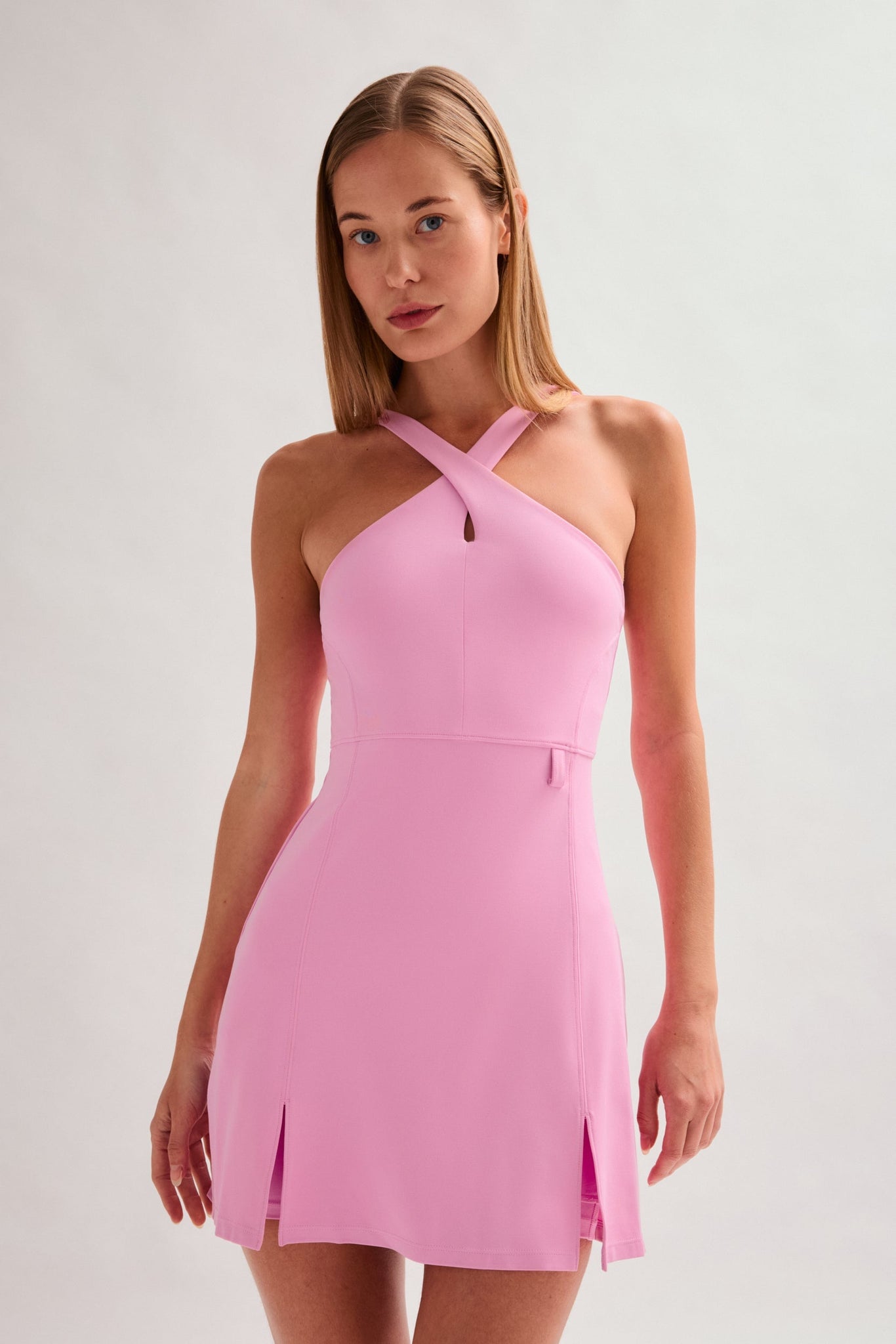
Credit: girlfriend.com
Versatility For Multiple Activities
Activewear stands out because it’s so versatile. These clothes work well for many situations, such as:
- Working out at the gym or home
- Running errands after exercise
- Traveling or long flights
- Relaxing at home
- Quick outdoor walks or hikes
People appreciate not having to change clothes between activities. For example, a pair of high-quality leggings can be worn for yoga, then paired with a sweater for lunch. This “one outfit for many tasks” approach saves time and effort.
Example: Day-to-night Activewear
Some activewear is designed to look professional enough for work. A black, tailored jogger can pair with a blazer for business casual meetings, then go straight to an evening walk. This blend of style and function is a big reason for activewear’s rising use.
Boosting Motivation And Performance
Wearing activewear can motivate people to be more active. When you put on workout clothes, you mentally prepare for movement. This is known as “enclothed cognition”—your mind responds to what you wear, influencing your behavior.
Some people report they’re more likely to exercise, stretch, or take the stairs if they’re already dressed for it. The right clothes can also boost confidence. You might feel stronger, more energetic, or more attractive, which helps you perform better.
Compression wear is a special type of activewear. It gently squeezes muscles, which may improve blood flow and reduce soreness. This gives a performance edge to both athletes and casual users.
Health And Well-being
Activewear supports physical health in several ways. Moisture-wicking fabrics reduce the risk of skin irritation or rashes. Breathable materials keep you cool, lowering the chance of overheating during exercise or hot weather.
For people with sensitive skin or allergies, activewear is often made without harsh chemicals. Seams are placed to avoid rubbing, and fits are designed not to pinch or restrict movement.
There’s also a mental health side. Wearing comfortable, functional clothes can reduce stress, improve mood, and even help with focus. Some studies suggest that feeling prepared for activity makes people more likely to move, which is good for both body and mind.
Social Influence And Community
People are influenced by what they see around them. If friends, coworkers, or role models wear activewear, others are more likely to follow. Social media has made this effect even stronger. Platforms like Instagram and TikTok are filled with people sharing their active lifestyles in stylish clothes.
Fitness communities often have a “uniform” of popular activewear brands. Wearing the same styles helps people feel like they belong. This sense of community can be motivating, especially for those new to exercise.
Some brands use collaborations with athletes, designers, or celebrities. These partnerships create excitement and drive trends, making certain pieces highly desirable.
Ease Of Care And Durability
Activewear is designed to handle tough use and frequent washing. Unlike delicate fabrics that need dry cleaning, most activewear is machine washable and quick-drying. This makes it easy to care for and a good choice for busy people.
The materials used—like polyester, nylon, and spandex—are strong and resistant to stretching or shrinking. Many products last longer than regular clothes, even after repeated wear.
Here’s a comparison of care requirements:
| Clothing Type | Washing Needs | Drying Time | Durability |
|---|---|---|---|
| Activewear | Machine washable, cold | Quick-dry | High |
| Denim Jeans | Machine washable, warm/cold | Medium | High |
| Cotton Shirts | Machine washable, warm | Medium/slow | Medium |
| Wool Sweaters | Hand wash/dry clean | Slow | Low/medium |
This table shows why activewear is a practical choice for daily life.
Technological Innovations
Activewear brands invest in technology to improve performance and comfort. Some popular innovations include:
- Moisture management: Keeps sweat away from skin
- Antimicrobial treatments: Reduces odor-causing bacteria
- Seamless construction: Lowers friction and irritation
- Temperature control: Keeps you cool or warm as needed
Some clothes now use recycled materials, adding an eco-friendly appeal. Others include smart features, like pockets for headphones or reflective strips for safety at night.
A unique insight: Some brands are developing “smart” activewear with built-in sensors. These can track your heart rate, steps, or even muscle movement. While not yet mainstream, this technology could change how people use activewear in the future.
Body Positivity And Inclusivity
Activewear brands are leading the way in body positivity. They offer a wide range of sizes and shapes, so more people feel included. Advertisements often show real people of different ages, backgrounds, and body types.
This inclusivity has made activewear more appealing to everyone—not just athletes or models. People feel encouraged to move, no matter their size or skill level.
There’s also a focus on adaptive clothing for people with disabilities or limited mobility. Features like easy-to-use zippers, Velcro, and adjustable straps make it easier for everyone to enjoy activewear.
Economic Factors
Activewear now comes in many price ranges. There are luxury brands with premium features, but also budget options that are widely available. This means more people can afford to try activewear, no matter their income.
Some people choose activewear because it’s a good investment. A single pair of durable leggings can replace several cheaper pairs, saving money over time. The popularity of second-hand activewear markets also helps people find quality gear at lower prices.
Here’s a simple comparison of price ranges:
| Brand Type | Average Price (Top) | Average Price (Bottoms) |
|---|---|---|
| Luxury | $80–$120 | $100–$180 |
| Mid-range | $30–$60 | $40–$80 |
| Budget | $10–$25 | $15–$30 |
This range allows people to choose what fits their needs and budget.
Environmental Awareness
Some activewear brands focus on being eco-friendly. They use recycled materials, such as plastic bottles, to create new fabrics. Others use organic cotton or natural dyes to reduce pollution.
By choosing sustainable activewear, people feel they are helping the planet. Many buyers now look for certifications, such as “Fair Trade” or “Global Recycled Standard,” when shopping.
A non-obvious insight: Some eco-friendly activewear is naturally antimicrobial, which means you can wear it longer between washes, saving water and energy.
Cultural Shifts And Changing Lifestyles
Modern life is busier and more flexible than ever before. Many people work from home, travel more, or have less formal dress codes. Activewear fits these changes perfectly.
The casualization of fashion means it’s more acceptable to wear relaxed clothes in many places—offices, schools, and even some events. The focus is now on comfort and function, not just style.
People are also more health-conscious. Walking meetings, standing desks, and lunchtime workouts are common. Activewear supports these habits, making it easier to stay active throughout the day.
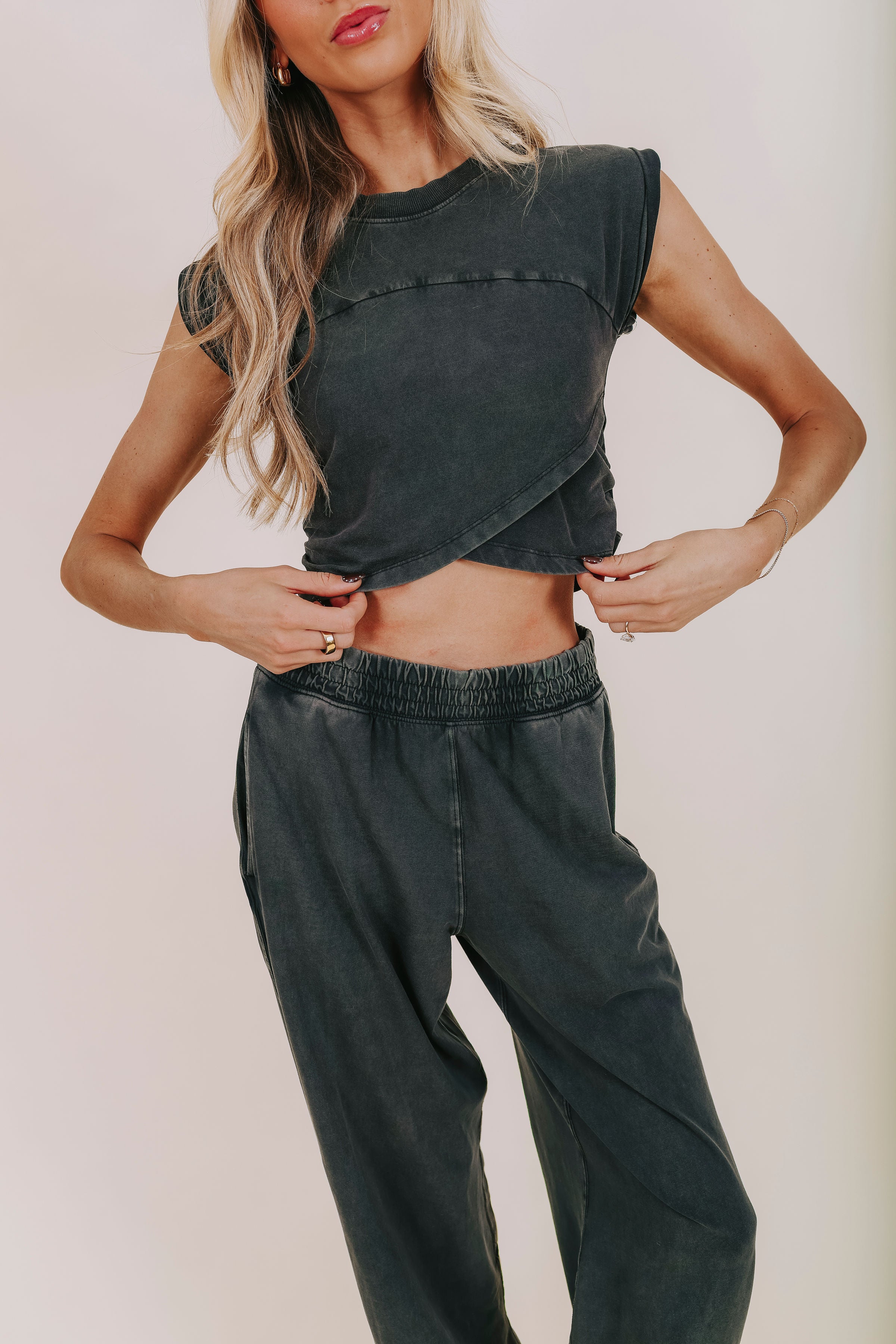
Credit: www.onelovedbabe.com
Marketing And Branding Power
Activewear brands are experts at marketing. They use social media, influencer partnerships, and creative campaigns to reach customers. By connecting their products with ideas like health, success, or fun, they create strong emotional ties.
Limited-edition releases and collaborations often sell out quickly, creating excitement. Many brands also have loyalty programs or apps that encourage users to join challenges or share their progress online.
A real-world example: Some brands offer free in-store workouts or online classes, building a community around their products.
Gender Neutral And Unisex Designs
More activewear brands now offer gender-neutral or unisex designs. These clothes focus on fit, comfort, and function—rather than traditional men’s or women’s styles. This appeals to people who want more choice and flexibility in what they wear.
Unisex styles are usually simple, with neutral colors and minimal branding. This makes it easy to mix and match pieces, or share with family and friends.
A subtle benefit: Gender-neutral activewear often fits a wider range of body types, making it a practical choice for many people.
Convenience For Travel
Activewear is perfect for travel. It packs small, doesn’t wrinkle easily, and stays comfortable during long trips. Many travelers choose activewear for flights, road trips, or sightseeing.
Some brands add hidden pockets, passport holders, or convertible features—like pants that turn into shorts. These details make travel easier and more secure.
Here’s a quick comparison of travel-friendly features:
| Feature | Activewear | Traditional Clothing |
|---|---|---|
| Wrinkle-resistance | High | Low/medium |
| Quick dry | Yes | No |
| Stretch | Yes | No/limited |
| Hidden pockets | Common | Rare |
These features explain why so many travelers choose activewear.
Psychological Effects
The clothes you wear can change how you feel and act. This is especially true with activewear. People often say they feel more energetic or positive when wearing these clothes. This is not just about exercise—activewear can help with focus, confidence, and even creativity.
A non-obvious insight: Some therapists recommend comfortable, supportive clothes for people with anxiety or sensory issues. Activewear’s soft seams and stretchy fabrics can help reduce discomfort and stress.
Another point: Bright colors or inspiring slogans on activewear can boost your mood. This explains why many brands use motivational messages in their designs.
Support For Special Needs
Activewear is often a top choice for people with special needs. Features like easy closures, tagless labels, and seamless designs help those with sensory sensitivities or limited mobility.
Many brands now work with occupational therapists and users to create adaptive activewear. These pieces can have magnetic zippers, wide openings, or adjustable hems. This makes it easier for everyone to enjoy the benefits of activewear.
Flexibility For All Ages
Activewear is not just for young people or athletes. Children, older adults, and people of all ages now wear these clothes. For kids, activewear allows easy play and movement. For seniors, lightweight and non-restrictive clothes make daily activities safer and more comfortable.
A useful example: Many schools now allow students to wear activewear instead of uniforms on certain days, making it easier for kids to move and focus.
Reducing Decision Fatigue
Choosing what to wear every day can be stressful. Activewear offers a simple solution. Many people create a “capsule wardrobe” with just a few activewear pieces that mix and match easily.
This reduces decision fatigue—the mental tiredness from making too many choices. With a few high-quality leggings, tops, and jackets, you can dress quickly and feel good all day.
Peer Pressure And Trends
Sometimes, people wear activewear simply because it’s popular. When most people in your gym, school, or office wear it, you might feel out of place in jeans or dress pants.
This kind of peer pressure is common, especially among teens and young adults. Social media “fitspiration” posts make activewear look fun, stylish, and modern. This drives more people to join the trend, even if they don’t exercise regularly.
Pop Culture And Media Influence
Movies, TV shows, and magazines often feature celebrities in activewear. This media exposure makes these clothes seem glamorous and desirable. When famous people wear leggings to the airport or runners for a coffee run, fans often copy their style.
Brands use this effect by sponsoring athletes or stars. When you see your favorite actor in a certain brand, it’s easy to want the same look.
Athletic Identity
For some, activewear is a way to show their athletic identity. Wearing a team’s logo or a marathon shirt is a badge of honor. Even for non-athletes, wearing sporty clothes can signal that you value health and activity.
This identity boost can motivate people to stick with healthy habits. It also helps them connect with others who share similar goals.
Seasonal And Weather Adaptability
Activewear is designed for all seasons. In hot weather, lightweight shorts and tank tops keep you cool. In cold weather, insulated leggings and thermal tops help retain heat.
Many brands offer special lines for rain, snow, or wind. Water-resistant jackets, windbreakers, and thermal layers make it easy to stay active all year.
A hidden benefit: Layering activewear is simple. You can add or remove pieces quickly, which is useful for changing weather.
Work-from-home And Remote Work
Remote work has changed how people dress. With fewer formal meetings and more time at home, activewear is now a top choice for home offices.
It’s comfortable for long hours at a desk. If you need to join a video call, a simple jacket or scarf can make you look professional. This balance of comfort and presentability is a big reason for activewear’s popularity.
Influence Of Sports And Fitness Culture
Sports culture is a major driver of activewear trends. People want to feel like part of the fitness world—even if they’re just going for a walk. Wearing the same gear as athletes can be inspiring.
Gyms, studios, and sports clubs often have branded merchandise. Members buy these items to support their community and show their commitment.
Easy Access And Availability
Activewear is now sold everywhere—from sports shops to supermarkets and online stores. This easy access means more people can try and buy these clothes without special trips or long waits.
Many brands offer free returns and size guides, making online shopping stress-free. This convenience is a big reason why activewear keeps growing.
Summary: Why Activewear Dominates Modern Life
People wear activewear for many reasons—comfort, style, versatility, and much more. It supports health, fits busy lives, and keeps up with trends. Technological advances, inclusivity, and eco-friendly options make it even more appealing.
Whether you’re an athlete, a busy parent, a student, or someone who values comfort, activewear has something to offer. The popularity of these clothes is not just a trend—it’s a reflection of how people live, move, and connect today.
For more on the science of clothing and psychology, visit Wikipedia’s Activewear page.
Frequently Asked Questions
What Is Activewear?
Activewear is clothing designed for physical activity, such as exercise, sports, or outdoor movement. It’s usually made from stretchy, breathable, and moisture-wicking materials. Today, many people also wear activewear in everyday life for comfort and style.
Is Activewear Only For Exercise?
No, activewear is used for many activities, not just exercise. People wear it for travel, work-from-home, running errands, and even social events. Its comfort and versatility make it a popular choice beyond the gym.
How Do I Choose The Right Activewear?
Look for features like moisture-wicking fabric, a comfortable fit, and the right support for your activity. Consider your climate and personal style. Try on different brands and check reviews for durability and care needs.
Is Activewear Suitable For All Body Types?
Yes, many brands now offer inclusive sizing and designs for different shapes. Look for brands that use real people in their ads and offer a wide size range. Adjustable waistbands and stretchy fabrics can help ensure a comfortable fit.
How Do I Care For My Activewear?
Wash activewear in cold water and avoid fabric softeners, which can block moisture-wicking fibers. Air drying helps maintain shape and stretch. Always check the care label for brand-specific tips.
:max_bytes(150000):strip_icc()/the-best-activewear-brands-tout-d39ec48ceb9b42b19819e4382bc2de5d.jpg)
Credit: www.instyle.com
