

How Do You Wash Activewear for Longer-Lasting Performance
How Do You Wash Activewear
If you love to exercise, you know the feeling: you finish a sweaty workout and your activewear is soaked. Whether you run, cycle, or practice yoga, your sports clothes work hard. But washing them the right way is not always simple. Many people wash their activewear just like regular clothes, but this can damage the fabric and trap odors. If you want your workout clothes to last longer, smell fresh, and keep performing well, you need a better approach.
In this guide, you’ll discover how to wash activewear step by step. You’ll learn about the best detergents, water temperature, drying methods, and even how to handle tricky problems like stubborn smells or sweat stains. Many of these tips come from years of testing and advice from textile experts.
By the end, you’ll be ready to care for all types of activewear, from leggings to sports bras, and keep them in top condition for every workout.
Why Activewear Needs Special Care
Activewear is not like regular cotton t-shirts or jeans. Most modern sports clothing is made from synthetic fibers such as polyester, nylon, spandex, or blends. These materials are engineered to wick away sweat, stretch with your body, and dry quickly. However, they can also trap bacteria and body oils deep in the fibers.
Washing activewear the wrong way can cause several problems:
- Loss of stretch: High heat or harsh detergents can break down elastic fibers.
- Persistent odor: Sweat and bacteria can stay trapped if not washed properly.
- Fabric damage: Rough handling, fabric softeners, or bleach can harm the material.
- Color fading: Bright leggings and tops can lose their color if not treated carefully.
Taking care of activewear is not just about keeping it clean — it’s about protecting your investment and making your workouts more comfortable.
Step-by-step Guide: How To Wash Activewear
Washing your activewear is simple if you follow the right steps. Here’s a clear process to get the best results.
1. Read The Care Label
Always check the care label inside your garment before washing. Brands often add special instructions for their fabrics. Ignoring these can shorten the life of your activewear. Some items may require hand washing, cold water only, or air drying.
2. Sort Your Laundry
Separate activewear from heavy fabrics like towels or jeans. Wash similar colors together, especially if you have bright or dark sports clothes. This prevents color bleeding and reduces abrasion.
3. Turn Clothes Inside Out
Turn your activewear inside out before washing. This helps remove sweat, skin oils, and bacteria that collect on the inside. It also protects bright prints and logos from fading.
4. Pre-treat Stains And Odors
If you notice sweat stains or strong smells, pre-treat the affected areas:
- Mix a little water and gentle detergent to make a paste.
- Rub it gently into the stain.
- Let it sit for 10–15 minutes before washing.
For stubborn odors, soak your activewear in a solution of one part white vinegar to four parts cold water for 30 minutes. Vinegar helps neutralize bacteria and smells.
5. Use A Gentle Detergent
Choose a mild detergent designed for performance fabrics. Regular detergents can leave residue that traps odors and blocks sweat-wicking abilities. Avoid using too much detergent; extra soap can build up inside the fibers.
Some brands offer special sports detergents. These are made to clean synthetic fabrics and remove tough odors. If you don’t have a sports detergent, pick a gentle, fragrance-free option.
6. Wash In Cold Water
Set your washing machine to a cold water cycle. Hot water can damage elastic fibers and cause shrinking. Cold water is enough to clean sweat and bacteria from most activewear, especially with a quality detergent.
7. Choose A Gentle Cycle
Select a gentle or delicate cycle on your washing machine. This reduces friction and helps prevent snags, pilling, or stretched-out fabric.
8. Skip Fabric Softener And Bleach
Never use fabric softener or bleach on activewear. Fabric softeners leave a coating on fibers that blocks breathability and moisture-wicking. Bleach can break down synthetic materials and elastic threads.
9. Use A Mesh Laundry Bag
Place smaller or delicate items, like sports bras or compression shorts, in a mesh laundry bag. This keeps them from getting tangled or stretched during the wash.
10. Rinse Well
If your machine has an extra rinse option, use it. This ensures all detergent is washed out, reducing the risk of skin irritation or buildup that can trap odors.
11. Dry Properly
Air drying is the best method for activewear. Hang your clothes on a drying rack or lay them flat on a clean towel. Avoid direct sunlight, which can fade colors and weaken fibers.
If you must use a dryer, choose the lowest heat setting and remove items promptly. High heat can ruin elasticity and shape.
Comparing Washing Methods
To help you decide which washing method is best for your activewear, here’s a comparison:
| Method | Pros | Cons |
|---|---|---|
| Machine Wash (Cold, Gentle) | Convenient, effective for most odors and stains, protects fabric | May miss deep odors if not pre-treated |
| Hand Wash | Gentle on all fabrics, good for delicate items | Takes more time, less convenient for large loads |
| Machine Wash (Hot, Regular) | Removes strong bacteria and stains | Risks shrinkage, loss of stretch, color fading |
Dealing With Tough Odors And Stains
Sometimes, sweat and bacteria are stubborn. You wash your clothes, but the smell comes back quickly. Here’s how to handle these common problems:
Sweat Odors That Won’t Go Away
- Pre-soak: Mix cold water with a cup of white vinegar and soak for 30 minutes before washing.
- Special detergents: Use enzyme-based or sports detergents. These break down sweat molecules better than regular soap.
- Sun exposure: Drying in the sun for a short time can help kill bacteria, but avoid long exposure to protect colors.
Yellow Sweat Stains
- Create a paste with baking soda and water, apply to the stain, and let it sit for 30 minutes.
- Wash in cold water with a gentle detergent.
- Repeat if needed, but don’t use bleach.
Mud Or Grass Stains
- Rinse the stained area with cold water immediately.
- Gently scrub with a soft brush and mild detergent.
- Wash as usual.
How Often Should You Wash Activewear?
Many people wonder if they need to wash their activewear after every use. The simple answer: yes, you should wash most workout clothes after each wear, especially if you sweat heavily. Bacteria grow quickly in damp, tight fabrics, leading to smells and possible skin irritation.
However, items like outer layers (jackets or windbreakers) that don’t touch your skin can be washed less often, unless they get visibly dirty.
Choosing The Right Detergent
Not all detergents are made for activewear. Here’s what to look for:
- No fabric softener: Make sure the detergent does not include softening agents.
- Low fragrance: Heavy perfumes can irritate the skin and don’t address odor sources.
- Enzyme power: Enzymes break down sweat, oils, and bacteria better than basic soaps.
- Residue-free: Avoid detergents that leave a coating, as it reduces moisture-wicking.
Some popular sports detergents are HEX Performance, Tide Sport, and Win Sports Detergent. Check labels for “safe for synthetics” or “performance fabrics. ”
Drying Activewear: Best Practices
Drying is just as important as washing. Here’s how to do it right:
- Air dry whenever possible: Hang or lay flat to keep the shape and elasticity.
- Avoid direct heat: High temperatures can damage synthetic fibers.
- Use a towel: For items like yoga pants, roll them in a clean, dry towel to press out extra water before hanging.
- Don’t wring out: Twisting can stretch and weaken fabric.
Common Mistakes To Avoid
Washing activewear seems easy, but small mistakes can ruin your favorite pieces. Here are errors to avoid:
- Using too much detergent: This leads to buildup and trapped odors.
- Skipping pre-treatment: Stubborn sweat or mud stains need extra attention.
- Washing with rough fabrics: Towels and jeans can cause pilling or snags.
- Using hot water or dryer heat: This breaks down elastic fibers.
- Leaving wet clothes in the hamper: Bacteria grows fast in sweaty, damp clothes. Wash soon after workouts.
- Not rinsing enough: Detergent residue can cause skin irritation and trap smells.
- Ignoring care labels: Each brand may have unique instructions for best results.
How To Wash Different Types Of Activewear
Activewear comes in many forms, from leggings to compression socks. Each type has its own care needs.
Leggings And Tights
- Wash inside out on a gentle cycle.
- Avoid fabric softener.
- Air dry flat to keep their shape.
Sports Bras
- Place in a mesh laundry bag.
- Fasten hooks or clasps to prevent snagging.
- Wash with similar fabrics and air dry to protect elastic.
Compression Gear
- Use cold water and gentle detergent.
- Never use bleach or softener.
- Air dry flat to maintain compression.
Athletic Shorts And Tops
- Wash with similar colors.
- Pre-treat armpit or sweat areas.
- Hang dry or use a low-heat setting.
Socks
- Turn inside out.
- Avoid heavy fabric loads to prevent pilling.
- Hang or lay flat to dry.
Jackets And Windbreakers
- Wash less often, unless very dirty.
- Use a gentle cycle and cold water.
- Air dry; avoid direct sun to prevent color fading.
The Science: Why Special Washing Matters
Synthetic fibers are sensitive to certain chemicals and temperatures. Here’s why the right washing method is important:
- Sweat and bacteria can bond with synthetic fibers, creating stubborn smells.
- Fabric softeners leave a residue that blocks the “wicking” effect, which is key for comfort.
- High heat damages elastic fibers, leading to sagging or loss of support.
- Extra detergent builds up over time, making clothes feel sticky and less breathable.
In one study, researchers found that polyester fabrics can hold up to seven times more bacteria than cotton if not washed properly. This is why activewear needs more careful cleaning than your regular clothes.
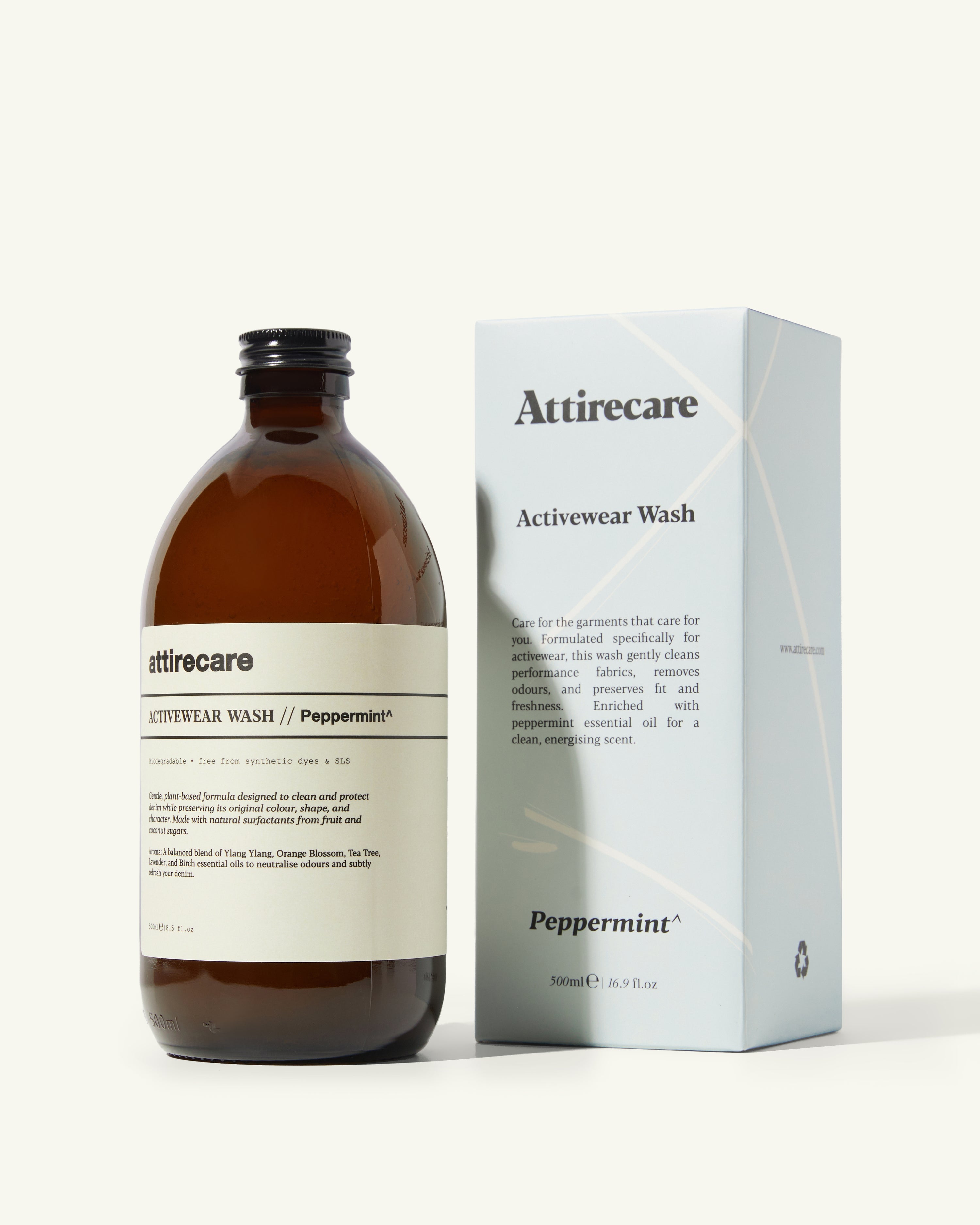
Credit: attirecare.com
Storage Tips For Activewear
How you store your workout clothes also affects their lifespan and freshness.
- Let them dry before storing: Never toss damp clothes into a drawer.
- Fold, don’t hang: Hanging can stretch out elastic over time, especially for leggings.
- Keep away from direct sunlight: Sun can fade colors and weaken fibers.
- Use drawer dividers: Separate sports bras, socks, and shorts to find what you need easily.
If you’re storing off-season gear, make sure everything is completely clean and dry to prevent mildew or smells.
Cleaning Accessories And Gear
Activewear care doesn’t stop with clothes. Shoes, hats, and gear also need attention.
Running Shoes
- Remove insoles and laces.
- Brush off dirt with a soft brush.
- Spot clean with mild soap and water.
- Air dry — never use a dryer or direct heat.
Caps And Headbands
- Hand wash with gentle detergent.
- Rinse well and air dry.
- Avoid wringing to keep their shape.
Yoga Mats
- Wipe with a mix of water and mild soap after each use.
- Let dry completely before rolling up.
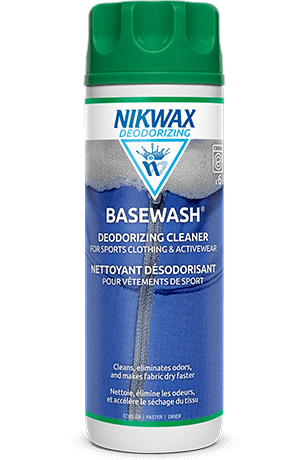
Credit: nikwax.com
How To Remove Static And Pilling
Synthetic activewear can sometimes get static cling or pilling (small fabric balls). Here’s how to handle these:
- Skip the dryer: Static is worse with heat. Air drying helps.
- Use vinegar in the rinse: A small amount can reduce static.
- Remove pills with a fabric shaver: Gently shave off pills to keep clothes looking new.
- Wash separately from towels: Towels shed lint that can cause pilling.
Understanding Fabric Types
It helps to know which fabrics you’re dealing with:
| Fabric | Main Features | Best Washing Method |
|---|---|---|
| Polyester | Wicks moisture, durable, odor-prone | Cold water, no softener |
| Nylon | Stretchy, quick-dry, resists mildew | Gentle cycle, air dry |
| Spandex/Elastane | Super stretchy, sensitive to heat | Cold wash, never use dryer |
| Wool blends | Odor-resistant, natural fiber | Hand wash or wool cycle, air dry |
Knowing your fabric helps you choose the right cleaning method for each piece.

Credit: www.hotsuit.com
When To Replace Activewear
Even with the best care, activewear wears out over time. Here’s how to know when to replace it:
- Loss of stretch: If leggings or bras no longer snap back, it’s time for new ones.
- Persistent odors: If smells stay after washing, bacteria may be too deep in the fibers.
- Faded color or thin spots: These signal the fabric is breaking down.
- Loose seams or snags: Structural damage means less support and comfort.
On average, well-cared activewear lasts through many washes, but heavy use may shorten its life. Don’t wait for holes before upgrading your gear.
Eco-friendly Tips For Washing Activewear
Caring for your clothes can also help the planet:
- Wash only when needed: If you only did light stretching, air out your clothes instead of washing every time.
- Use cold water: Saves energy and protects fabric.
- Choose eco-friendly detergents: Look for biodegradable options with no harsh chemicals.
- Skip the dryer: Air drying saves energy and reduces wear.
These habits save money and make your activewear last longer.
What Beginners Often Miss
Many people make the same mistakes when washing activewear. Here are two insights that most beginners don’t realize:
- Detergent residue is a bigger problem than dirt. Using too much soap can make your clothes smell worse over time. The residue traps bacteria, which is why sometimes clean clothes still stink after a workout.
- Fabric softener is not just unnecessary—it’s harmful. It doesn’t make synthetic fabrics softer and actually ruins their performance. If you want soft clothes, use a vinegar rinse instead.
Troubleshooting Guide
If you notice problems with your activewear after washing, here’s how to fix them:
- Clothes feel sticky or heavy: Rinse again with plain water to remove detergent residue.
- Persistent smells: Try an enzyme-based sports detergent and pre-soak in vinegar.
- Loss of shape: Always air dry and avoid wringing or hanging heavy items.
- Color bleed: Wash new items alone for the first few washes.
Useful Resources
For more detailed information on fabric care, visit Consumer Reports.
Frequently Asked Questions
How Can I Keep My Activewear From Smelling Bad?
Wash your activewear right after use, use a sports detergent, and avoid fabric softener. Pre-soak in vinegar if odors persist. Always dry clothes completely before storing.
Can I Wash Activewear With Regular Clothes?
It’s better to wash activewear separately. Regular clothes, especially towels and jeans, can cause pilling and damage. Mixing can also lead to color bleeding.
Is It Safe To Put Activewear In The Dryer?
It’s best to air dry. If you need to use a dryer, use the lowest heat setting. High heat can damage elastic fibers and shorten the life of your clothes.
How Much Detergent Should I Use?
Use less than you think. About half the usual amount is enough for activewear. Too much detergent causes buildup and traps odors.
What’s The Best Way To Wash Sports Bras?
Fasten hooks, place bras in a mesh laundry bag, and wash on a gentle, cold cycle. Air dry flat to protect the elastic and keep their shape.
Taking care of your activewear doesn’t have to be difficult. By following these simple steps, you’ll keep your workout gear clean, fresh, and ready for your next session. Remember, a little extra care goes a long way in making your investment last and your workouts more comfortable.
