

Why Do My Gym Clothes Smell? Top Causes and Quick Fixes
Why Do My Gym Clothes Smell
For many people, working out is a healthy habit that lifts both body and mind. But there’s one annoyance that nearly everyone faces: the stubborn smell that sticks to gym clothes. You wash your favorite shirt and leggings, but the odor just won’t go away. Sometimes, the smell even seems to get worse after washing. This can be embarrassing and frustrating—especially when you take pride in staying clean.
You’re not alone if you have wondered, "Why do my gym clothes smell, even after washing? " The answer is not as simple as sweat. There’s a mix of science, hygiene, and laundry know-how behind those lingering odors. Understanding this puzzle can help you keep your workout gear fresh, boost your confidence, and make your gym bag less scary.
Let’s dig deep into what causes these smells, why they’re hard to remove, and what you can do to fix the problem for good.
What Causes Gym Clothes To Smell?
Most people think sweat is the main reason gym clothes stink. Sweat is a part of it, but the real story is more complex.
Sweat: The Starting Point
Sweat itself is almost odorless. It’s mostly water with a little salt and some minerals. But when sweat mixes with bacteria on your skin, things start to change. The bacteria feed on sweat and break it down, creating smelly compounds as a byproduct.
Bacteria And Microbes
The main cause of odor is bacteria. These tiny creatures love warm, moist places—like sweaty shirts and shorts. Once they land on fabric, they multiply fast. Some bacteria (like Staphylococcus hominis) can even produce sulfur compounds, which are especially strong and unpleasant.
Other microbes, such as fungi and yeast, can also play a role, especially if you keep your gym clothes in a damp bag for hours.
Body Oils And Dead Skin
When you exercise, your body produces not just sweat, but also sebum (natural oil) and sheds dead skin cells. These stick to your clothes and become food for bacteria. Over time, these build up in the fabric, adding to the smell.
Detergent Build-up
Many people use too much detergent or the wrong kind for activewear. Residue from detergent can stay in the fibers, trapping dirt, oil, and bacteria inside. This makes it harder for water to rinse everything out, so the smell becomes worse with each wash.
Synthetic Fabrics And Their Role
Most gym clothes are made from synthetic materials like polyester, nylon, or spandex. These fabrics are great for wicking sweat away from your skin, but they also create the perfect environment for bacteria to thrive. Unlike cotton, synthetic fibers are not as breathable and tend to hold on to both sweat and oil.
Why Synthetic Fabrics Smell Worse
- They trap body oils and bacteria deep inside fibers.
- They can develop a “permastink” effect—odor that becomes permanent.
- The smooth surface of synthetics makes it hard for water and detergent to reach and remove all residue.
Delayed Washing
Leaving sweaty clothes in your gym bag, locker, or laundry basket allows bacteria to keep growing. The longer they sit, the stronger the smell gets. If you don’t wash your gear soon after working out, the odors set in.
Environmental Factors
Hot, humid environments make bacteria multiply faster. If you work out in a warm gym or outside, your clothes get even more bacteria.
Antiperspirants And Deodorants
It might be surprising, but some antiperspirants and deodorants can make the problem worse. They mix with sweat and fabric, sometimes leaving a waxy build-up that traps odor.
What Happens Inside Your Gym Clothes?
A single workout can create a perfect storm for smells. Here’s what happens step by step:
- You sweat and shed oils and skin cells.
- Bacteria feed on these and multiply.
- The bacteria release smelly compounds (like isovaleric acid).
- Synthetic fabrics trap everything inside.
- If you don’t wash right away, the bacteria keep working.
- Detergent residue and low-quality washing make it worse.
The result: persistent odor that sticks around, even after washing.

Credit: tripulse.co
Common Mistakes That Make Gym Clothes Smell Worse
If you’re struggling with smelly gym clothes, you might be making some small mistakes without realizing it. Here are the most common ones:
1. Using Too Much Detergent
More soap doesn’t mean cleaner clothes. In fact, excess detergent can leave residue, trapping bacteria and sweat inside the fabric.
2. Washing In Cold Water Only
Cold water saves energy, but it’s not always strong enough to break down oils and kill bacteria in gym clothes.
3. Skipping Pre-soaking
Washing without pre-soaking means stubborn odor and stains have less chance to break down.
4. Overcrowding The Washer
Stuffing your washer full means clothes can’t move freely, so water and detergent can’t reach all areas. Some parts stay dirty and smelly.
5. Using Fabric Softener
Fabric softeners coat fibers with a layer that locks in smells and blocks moisture-wicking.
6. Not Drying Clothes Properly
Leaving clothes damp or not drying them fully gives bacteria a chance to keep growing.
7. Ignoring Manufacturer Instructions
Activewear often has special washing instructions. Ignoring them can damage the fabric and make odors worse.
8. Storing Clothes In A Closed Bag
If you put wet clothes in a sealed bag, you create a mini greenhouse for bacteria and mildew.
How Different Fabrics Hold Odor
Some fabrics smell worse than others after a workout. Let’s compare the most common gym wear materials.
| Fabric Type | Odor Tendency | Why It Smells | Washing Difficulty |
|---|---|---|---|
| Polyester | High | Traps oil, sweat, and bacteria inside fibers | Hard |
| Nylon | Medium | Resists water, holds some odor | Moderate |
| Spandex/Lycra | Medium | Stretchy, holds bacteria if not cleaned well | Moderate |
| Cotton | Low | Absorbs sweat but washes out more easily | Easy |
| Wool | Low | Natural odor resistance | Easy |
Insight: Many people switch to all-polyester gear for its quick-dry ability, but don’t realize it’s much harder to keep smelling fresh than cotton or wool.
The Science Of Sweat And Odor
Sweat itself is not the real enemy. There are two main types of sweat glands:
- Eccrine glands: Produce watery sweat, mostly for cooling.
- Apocrine glands: Found in armpits and groin, release a thicker fluid full of proteins and fats.
Bacteria break down the proteins and fats from apocrine sweat, releasing volatile organic compounds (VOCs) that smell bad. When these VOCs get stuck in synthetic fabric, the scent lingers.
Some studies show that polyester can hold 10 times more odor-causing compounds than cotton after repeated wears and washes.
How Washing Methods Affect Smell
Not all laundry routines are equal. The way you wash matters as much as what you wash.
Water Temperature
Hot water (above 60°C/140°F) kills more bacteria and removes oils better. But many synthetic gym clothes can be damaged by high heat. Always check the care label.
Detergent Type
Regular laundry detergents may not break down body oils and bacteria as well as sports-specific detergents. These are designed for activewear and remove tough smells.
Cycle Length
A short cycle may not give enough time to fully clean gym clothes. Choose a longer, more intense cycle for activewear.
Spin Speed
High spin speeds remove more water, helping clothes dry faster. But they may also stretch or damage delicate fabrics.
Drying Method
Air-drying in the sun helps kill bacteria thanks to UV rays. Tumble drying is fast but can sometimes “bake in” odors if clothes aren’t clean before drying.
Why Smells Linger After Washing
Even after washing, odors can stay for several reasons:
- Detergent residue traps sweat and bacteria.
- Washing machine itself is dirty and spreads bacteria.
- Low-quality detergent can’t break down oils.
- Fabric softener blocks cleaning action.
Insight: Many people never clean their washing machines, but mold and bacteria can live in the drum and rubber seals. These get onto your clothes and make smells worse.
Comparing Common Odor Removal Methods
People try many things to fight gym clothes odor. Some work better than others.
| Odor Removal Method | Effectiveness | Best For | Drawbacks |
|---|---|---|---|
| Sports Detergent | High | All activewear | Can be expensive |
| Vinegar Soak | Medium-High | Polyester, nylon | Strong smell, may need extra rinse |
| Baking Soda Soak | Medium | Cotton, blended fabrics | Not as strong for heavy odors |
| Oxi Cleaners | High | Light colors, whites | May fade dark colors |
| Sun Drying | Medium | All fabrics | Weather dependent |
How To Prevent Gym Clothes From Smelling
Prevention is always better than cure. Here’s how you can stop odors before they start:
1. Change Out Of Workout Clothes Quickly
Don’t stay in sweaty clothes after your workout. Change as soon as you can, even if you’re not able to shower right away.
2. Air Out Clothes Immediately
Hang up your gym clothes to dry as soon as possible. This stops bacteria from multiplying in the damp fabric.
3. Wash After Every Wear
Even if you didn’t sweat much, bacteria can still grow. Always wash your gym gear after one use.
4. Use The Right Detergent
Look for detergents made for sports or odor removal. These are designed to break down body oils and bacteria.
5. Avoid Fabric Softeners
They leave a coating that traps smells and reduces moisture-wicking.
6. Wash In Warm Water (if Safe)
Warm water helps remove oils and kill bacteria. If your clothes allow it, use warmer settings.
7. Don’t Overload The Washing Machine
Clothes need space to move so they can get fully clean.
8. Use An Extra Rinse Cycle
A second rinse removes more detergent and bacteria.
9. Dry Clothes Completely
Never put gym clothes away if they’re even slightly damp.
10. Clean Your Washing Machine
Run an empty cycle with hot water and vinegar or a washing machine cleaner monthly.
11. Store Clothes In A Breathable Bag
Mesh laundry bags allow air flow and reduce bacteria growth.
Step-by-step: How To Remove Stubborn Smells From Gym Clothes
If your gym gear is already smelly, try this proven routine:
- Pre-Soak: Fill a sink or basin with warm water and add one cup of white vinegar or 1/2 cup baking soda. Soak clothes for 30-60 minutes.
- Wash: Use a sports detergent and select a longer wash cycle. Use warm water if possible.
- Extra Rinse: Run a second rinse to remove all detergent.
- Dry: Hang in sunlight if you can, or use a dryer on low heat.
- Repeat if Needed: For very stubborn smells, repeat the process or use an enzyme cleaner.
Non-obvious tip: Never use bleach on synthetic gym clothes—it can damage the fabric and make odor worse.
The Role Of Personal Hygiene
While fabric and washing matter, your personal habits play a big role too.
- Shower before and after workouts to reduce bacteria on your skin.
- Shave or trim underarms if you sweat heavily there—less hair means less bacteria can grow.
- Use an antibacterial soap if you’re prone to strong body odor.
- Wear clean socks and underwear for every workout.
Insight: Some people’s sweat is more prone to smell because of genetics and diet. Foods like garlic, onions, or spicy dishes can make sweat more pungent.
When To Replace Smelly Gym Clothes
Sometimes, gym clothes are past saving. If you notice:
- The smell returns immediately after washing and drying.
- The fabric feels sticky or coated even when clean.
- The color is faded or the fabric is pilling heavily.
It’s time to invest in new workout gear. Odor can become “baked in” at a molecular level, especially with polyester, and can’t be removed.
Are There Odor-resistant Gym Clothes?
Some brands now make odor-resistant activewear using silver, copper, or bamboo fibers. These materials naturally kill bacteria and resist smells.
Comparing Odor-resistant Fabrics
| Material | Odor Resistance | Care Difficulty | Cost |
|---|---|---|---|
| Silver-Infused Polyester | High | Moderate | High |
| Bamboo | Medium | Easy | Medium |
| Merino Wool | High | Easy | High |
Non-obvious tip: Even odor-resistant fabrics need to be washed regularly. They slow down bacteria growth, but don’t stop it completely.
Natural Solutions For Gym Clothes Odor
If you want to avoid chemicals, there are effective natural options:
- White vinegar: Breaks down bacteria and removes smells.
- Baking soda: Neutralizes acids and absorbs odors.
- Lemon juice: Acts as a mild bleach and deodorizer.
- Tea tree oil: Natural antibacterial, use a few drops in the wash.
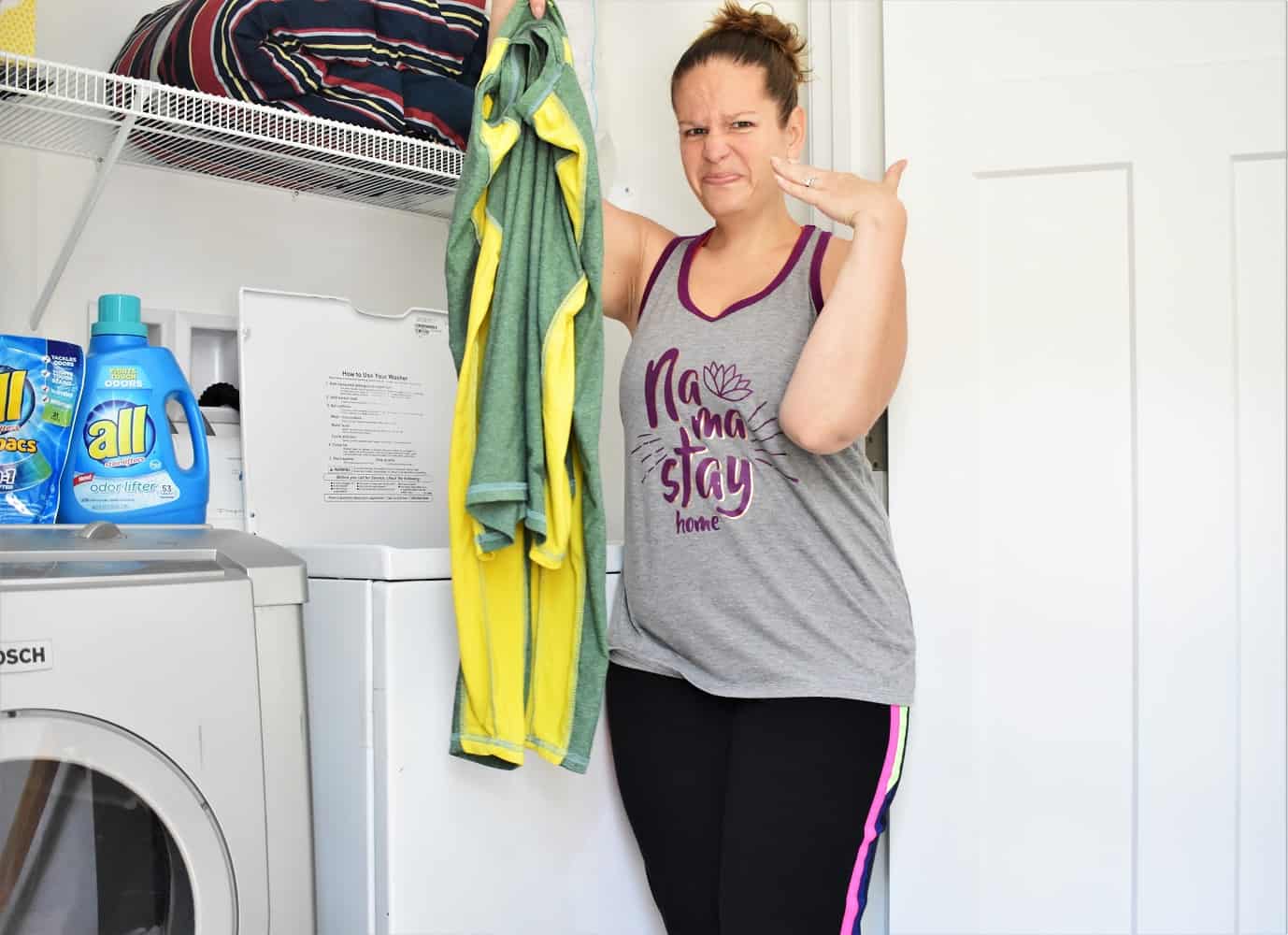
Just remember, natural methods may need more time or repeated use to fully remove strong odors.
Credit: www.snackinginsneakers.com
The Importance Of Gym Bag Hygiene
Your gym bag can be a hidden source of odors. Dirty clothes, shoes, and towels make it a breeding ground for bacteria.
- Clean your gym bag weekly with warm, soapy water.
- Use a separate bag for dirty clothes.
- Air out your bag after each use.
- Add a small sachet of baking soda or activated charcoal to absorb moisture and smells.
How Your Washing Machine Impacts Odor
A dirty washing machine can make all your clothes smell bad.
- Front-loading machines are more likely to grow mold and bacteria around the door seal.
- Run a “maintenance” cycle with hot water and vinegar monthly.
- Wipe the drum, seals, and detergent tray regularly.
- Leave the door open after every wash to let air circulate.
For more on keeping washing machines clean, see this Consumer Reports guide.
What If My Gym Clothes Still Smell?
If you’ve tried everything and your clothes still smell:
- Check if your water supply is hard (contains minerals). Hard water makes detergent less effective.
- Use a water softener or add 1/2 cup washing soda to the wash.
- Try a professional-grade sports detergent.
- Wash clothes separately from regular laundry.
- If nothing works, it may be time for new workout gear.
Frequently Asked Questions
Credit: www.nike.com
Why Do My Gym Clothes Smell Even After Washing?
This usually happens because bacteria and oils are trapped deep in synthetic fibers. Regular detergent and washing methods may not reach or remove them. Using a sports detergent, pre-soaking in vinegar, and washing in warm water can help eliminate the odor.
Can I Use Fabric Softener With Gym Clothes?
No, fabric softener should be avoided. It coats fibers and traps bacteria, sweat, and oils, making odors worse and reducing moisture-wicking ability.
How Often Should I Wash My Gym Clothes?
Wash your gym clothes after every wear, even if you didn’t sweat a lot. Bacteria start growing quickly in damp environments and will cause odors if clothes are left unwashed.
Are There Any Fabrics That Resist Odor Better?
Yes, merino wool, bamboo, and silver-infused polyester have natural odor resistance. They still need regular washing but are less likely to hold on to smells compared to regular polyester or nylon.
Does Diet Affect How My Gym Clothes Smell?
Yes. Spicy foods, garlic, onions, and red meat can make your sweat stronger-smelling, which leads to more noticeable odors in your gym clothes. Drinking more water and eating a balanced diet can help reduce body odor.
Keeping gym clothes fresh is a mix of choosing the right fabrics, using smart laundry habits, and not letting bacteria win. With a little extra care, you can keep your workout gear smelling as good as you feel after a great gym session.
