

Should You Wash Gym Clothes After Every Workout? Expert Tips Revealed
Should You Wash Gym Clothes After Every Workout
Most people care about their gym performance, diet, and workout schedule. But what about what happens after the workout—especially with sweaty gym clothes? It’s common to wonder if it’s really necessary to wash your workout clothes every single time you hit the gym.
Maybe you think, “They don’t smell that bad” or “I only did a light session. ” But skipping laundry days with your activewear can lead to more than just a mild odor.
This article dives deep into whether you should wash gym clothes after every workout. You’ll learn about the science behind sweat, bacteria, fabric technology, and get practical tips for keeping your gear fresh. By the end, you’ll know exactly what’s best for your health, your clothes, and your gym routine.
What Happens To Gym Clothes During A Workout
When you exercise, your body works hard to cool itself. Sweat, heat, and friction mix together inside your clothes. But what exactly happens on a microscopic level?
Sweat And Skin Cells
During exercise, your body releases sweat to regulate temperature. Sweat itself is mostly water, but it also contains salts, oils, and small amounts of waste. When sweat soaks into your gym clothes, it brings along dead skin cells and natural body oils.
Bacteria And Odor
Your skin is covered in bacteria—most of them harmless. But sweat creates a warm, damp environment where bacteria multiply quickly. These bacteria break down the sweat and oils, releasing smelly compounds. This is why workout clothes start to smell even if you don’t notice it right away.
Fabric Absorption
Different fabrics handle sweat in different ways. Cotton absorbs moisture and stays wet, while synthetic fabrics like polyester wick moisture away from the skin. However, both types can trap bacteria and odors if not washed.
Health Risks Of Not Washing Gym Clothes After Every Use
It might seem harmless to re-wear gym clothes, especially for a quick session. But the risks often go beyond just smelling bad.
Skin Infections
Warm, sweaty clothes are a breeding ground for bacteria and fungi. Wearing unwashed gym clothes can increase your risk of:
- Folliculitis (infected hair follicles)
- Ringworm (fungal infection)
- Athlete’s foot (fungal infection, not just for feet)
- Staph infections (can be serious)
These infections can cause itching, redness, and even open sores.
Acne And Skin Irritation
Unwashed activewear traps oils, sweat, and bacteria against your skin. This can lead to body acne (sometimes called “bacne”), rashes, and irritation, especially if you have sensitive skin.
Odor Build-up
If you skip washing, smells can become trapped in fabric fibers. Over time, even washing may not remove these odors completely. This makes clothes smell bad faster, even when clean.
Allergic Reactions
Sweat and detergent residue can combine with bacteria to create allergens. Some people notice increased itching, hives, or eczema after re-wearing dirty gym clothes.
Fabric Types And Their Impact On Washing Frequency
What your gym clothes are made of affects how often they need cleaning. Let’s compare the most common materials.
| Fabric Type | Absorbs Sweat | Traps Odor | Quick Dry |
|---|---|---|---|
| Cotton | Yes | Yes | No |
| Polyester | No | Yes | Yes |
| Merino Wool | Yes | No | Yes |
| Nylon/Spandex | No | Yes | Yes |
Key Insights:
- Cotton stays wet and traps odor easily.
- Polyester dries quickly but can hold onto bacteria and smells.
- Merino wool naturally resists odor, but still needs regular washing.
- Nylon and spandex blends wick moisture, but bacteria can stick to fibers.
No matter the fabric, bacteria and skin cells build up with each use. This means all gym clothes need regular washing.
The Science: How Quickly Do Bacteria Grow On Dirty Gym Clothes?
Many people underestimate how fast bacteria multiply on sweaty clothes. Studies show that bacteria can double every 20 minutes in the right conditions—like a sweaty gym bag.
After just a few hours, your gym shirt or leggings may have millions of bacteria per square inch. This is not just about smell; it increases the risk of infection. Even air-drying sweaty clothes does not kill most bacteria. Washing with soap or detergent is necessary to remove them.
Researchers at the International Journal of Environmental Research and Public Health found that synthetic gym fabrics can harbor more bacteria than cotton, especially when damp. This explains why that favorite polyester shirt sometimes smells bad even after washing.
How Often Should You Wash Different Types Of Gym Clothes?
Not all gym wear is the same. Here’s a closer look at how often you should wash the most common items:
T-shirts, Tanks, And Sports Bras
These items are in direct contact with your skin and absorb the most sweat. Wash after every workout. Sweat, oils, and bacteria build up fastest here.
Shorts, Leggings, And Tights
Legs sweat less than your upper body, but these clothes still trap sweat and bacteria. Wash after each use for best hygiene, especially if you did a hard workout.
Socks
Feet sweat a lot, and socks easily trap moisture and odor. Always wash after every workout to prevent athlete’s foot and other infections.
Hoodies And Outer Layers
If you wore a hoodie or jacket only for warm-up or to leave the gym, and it didn’t get sweaty, you can sometimes wear it again. But if it’s damp or smells, wash it.
Sports Accessories (gloves, Headbands, Hats)
Wash after each use or at least weekly. These items are often forgotten, but they soak up sweat and can carry bacteria.
Shoes
You don’t need to wash gym shoes after every session, but air them out and clean insoles regularly. Wash shoes if they smell or get very sweaty.
Special Cases: When You Might Not Need To Wash After Every Workout
Sometimes, you can skip washing, but only in rare situations:
- Very Light Activity: If you did gentle stretching or light yoga for 10-15 minutes with no visible sweat, you can air out your clothes and use them once more.
- No Direct Skin Contact: If you wore a jacket or loose pants over clean clothes and did not sweat, you might re-wear.
- Merino Wool: This fabric resists odor longer than others, so you may wear it twice if there’s no smell or sweat.
But in most cases, especially with high-intensity workouts, washing every time is the safest choice.
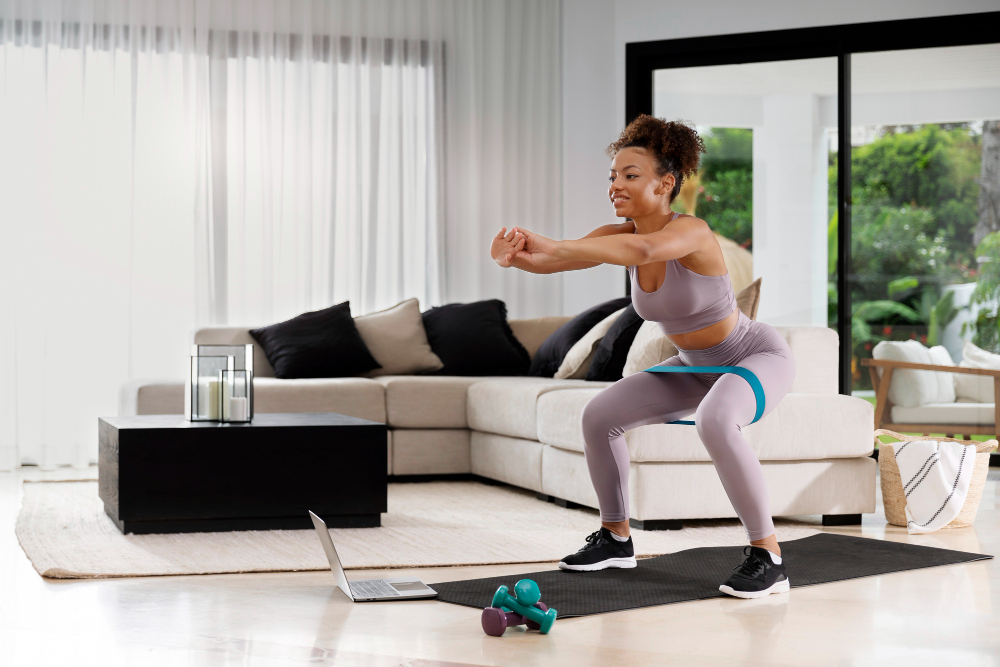
Credit: redhanger.com
Environmental Impact Of Washing Gym Clothes Frequently
Frequent washing uses water, energy, and detergent, which can affect the environment. Some people worry about this and try to wash less often. But there are ways to reduce your impact without risking hygiene.
How To Wash Responsibly
- Wash full loads: Don’t run the machine for just a few items.
- Use cold water: Most gym clothes clean well in cold water, saving energy.
- Choose eco-friendly detergent: Look for biodegradable, fragrance-free options.
- Air dry when possible: This saves energy and is gentle on synthetic fabrics.
Microplastics Issue
Synthetic fabrics (like polyester) shed microplastics in the wash, which can reach rivers and oceans. Using a special laundry bag (such as a Guppyfriend) can catch these fibers.
Water Use Comparison
Here’s a quick look at how much water is used for washing:
| Washing Method | Water Used (Liters) | Energy Use (kWh) |
|---|---|---|
| Hand Wash (small batch) | 15-20 | 0.05 |
| Machine Wash (full load) | 50-70 | 0.5-1.2 |
| Dryer (per load) | 0 | 2.0-3.0 |
If you’re concerned about the environment, focus on washing full loads and using less energy, rather than skipping washes for hygiene reasons.
Practical Tips For Handling Sweaty Gym Clothes
Proper care can help you keep your workout gear fresh, extend its life, and save time.
1. Air Out Immediately
After your workout, take off sweaty clothes as soon as possible. Hang them up to dry before putting them in the laundry basket. This prevents bacteria and mildew from multiplying.
2. Wash As Soon As You Can
The longer sweat sits in fabric, the harder it is to remove odor. Try to wash gym clothes the same day, or within 24 hours.
3. Use The Right Detergent
Choose a detergent designed for sports fabrics. These products target sweat, body oils, and bacteria better than regular detergents.
4. Avoid Fabric Softener
Fabric softener can leave a coating on activewear, making it less effective at wicking sweat and more likely to trap bacteria.
5. Wash Inside Out
Turn clothes inside out to wash. This helps remove sweat and oils from the parts that touch your skin.
6. Cold Water Is Best
Most gym clothes clean well in cold water, which protects fabric and color.
7. Air Dry When Possible
Heat from dryers can damage elastic fibers and shorten the life of your gear. Air drying is gentler.
8. Use Vinegar For Odors
If clothes smell even after washing, add half a cup of white vinegar to the rinse cycle. This helps neutralize stubborn odors.
9. Don’t Overload The Machine
Give your clothes space to move around. This ensures a deeper clean.
10. Keep Your Gym Bag Clean
Bacteria can collect in your gym bag. Wipe it down regularly and let it air out.
Common Mistakes People Make With Gym Clothes
Many people develop bad habits with activewear. These mistakes reduce the lifespan of gym clothes and may harm your health.
Re-wearing Without Washing
The most common mistake is wearing the same outfit multiple times without washing, especially if it “doesn’t smell.” This allows bacteria to build up.
Using Too Much Detergent
More detergent does not mean cleaner clothes. It can leave residue and trap odor.
Skipping The Air Out Step
Throwing sweaty clothes straight into a bag or laundry basket lets bacteria multiply quickly.
Using High Heat
Drying on high heat can damage elastic fibers and shrink clothes. Stick to low heat or air dry.
Ignoring Accessories
People often forget to wash headbands, gloves, or knee sleeves, which can also carry bacteria.
How Washing Frequency Affects The Lifespan Of Gym Clothes
It’s normal to worry that frequent washing will wear out your gym clothes faster. But the real damage often comes from improper washing, not how often you wash.
What Shortens Lifespan
- High heat (from dryers or hot water)
- Fabric softener (clogs fibers)
- Harsh detergents
- Overloading the washer
What Preserves Clothes
- Gentle, cold water washes
- Air drying
- Using detergents for athletic wear
- Washing full, not overloaded, loads
Modern gym fabrics are designed for frequent washing. Taking care of them correctly means you can wash after every workout without ruining your gear.
Credit: www.foxnews.com
Gym Clothes And Shared Equipment: Why Hygiene Matters
When you use shared equipment at the gym, your clothes come into contact with more germs. Benches, mats, and machines can carry bacteria and fungi from other people.
Wearing clean clothes every time helps protect your skin from these germs. Dirty clothes can pick up new bacteria more easily, increasing your risk of infection. Always wipe down equipment before and after use, but don’t rely on this alone.
How Sweat Levels Affect Washing Needs
Everyone sweats differently. Some people sweat a lot, while others barely sweat. Your personal sweat rate can affect how often you need to wash your clothes.
Heavy Sweaters
If you sweat a lot, or if you work out in a hot, humid gym, you should always wash your gym clothes after every session.
Light Sweaters
If you barely break a sweat, you might be able to skip a wash in rare cases (like gentle stretching). But bacteria and skin cells still transfer, so regular washing is safest.
Other Factors
- Workout type: Cardio, HIIT, and hot yoga create more sweat than weight lifting or stretching.
- Gym temperature: Warmer rooms mean more sweat.
- Personal hygiene: Showering before the gym can reduce bacteria, but not eliminate the need to wash clothes.
Comparing Washing Frequency: Gym Clothes Vs. Everyday Clothes
It’s easy to wonder if gym clothes should be washed as often as your regular clothes. The answer is clear: gym clothes need more frequent washing.
| Type of Clothing | Washing Frequency | Reason |
|---|---|---|
| Gym Clothes | After every use | Sweat, bacteria, skin cells |
| Everyday T-shirts | 1-2 wears | Low sweat, less bacteria |
| Jeans/Pants | 3-5 wears | Minimal skin contact |
| Jackets/Outerwear | 5+ wears | Rarely touches skin |
Gym clothes are in direct contact with sweaty skin and must be washed more often than regular clothes to prevent odor and infections.
Real-world Experiences: What Gym-goers Say
Many people are surprised at how quickly gym clothes develop an odor or lose their shape if not cared for properly. Here are common experiences from regular gym users:
- “If I skip washing, the smell is impossible to remove, even with extra detergent.”
- “My leggings lost their stretch after a few months because I always used the dryer.”
- “I used to get rashes on my back until I started washing my sports bra every time.”
The most satisfied gym-goers are those who stick to a wash-after-each-workout routine and use gentle washing methods.
Expert Recommendations
Dermatologists, fitness coaches, and sports clothing brands all agree: wash gym clothes after every workout. This keeps your skin healthy, your clothes in good shape, and your gym bag smelling fresh.
The American Academy of Dermatology, for example, warns that re-wearing sweaty clothes increases the risk of skin infections and body acne. Athletic brands like Nike and Lululemon also recommend washing after each use for maximum performance and durability.
For more on hygiene and fabric care, you can visit the CDC’s guidance on clothing hygiene.
Frequently Asked Questions
Should I Wash My Gym Clothes After Every Workout Even If I Didn’t Sweat Much?
Yes, it’s best to wash after every use. Even if you didn’t sweat heavily, bacteria and dead skin cells still transfer to your clothes. This can cause odor and skin irritation over time.
Is It Okay To Air Out Gym Clothes And Wear Them Again?
Air-drying can help reduce odor, but it does not remove bacteria and oils. Wearing unwashed gym clothes increases the risk of skin infections and bad smells. Washing is the only reliable method to clean gym clothes.
Can I Wash My Gym Clothes With Regular Laundry?
Yes, you can wash gym clothes with regular laundry. However, use cold water, avoid fabric softener, and turn them inside out. If you use a sports detergent, it’s even better for removing sweat and odor.
What’s The Best Way To Remove Stubborn Odors From Gym Clothes?
Add half a cup of white vinegar to the rinse cycle, or soak clothes in vinegar and water before washing. Use a detergent made for sports fabrics. Avoid fabric softeners, as they can make odors worse.
Are There Any Fabrics That Need Less Frequent Washing?
Merino wool resists odor longer than most synthetic fabrics, so you may be able to wear it twice if there’s no sweat or smell. Still, washing after every workout is the safest choice for hygiene.
Keeping gym clothes clean is not just about looking or smelling good—it’s about protecting your skin, staying healthy, and making your workout gear last. With these tips and insights, you can feel confident about your gym hygiene routine every time you hit the gym.

Credit: www.self.com
