

Why Do My Gym Clothes Smell? Tips to Eliminate Odor Fast
Why Do My Gym Clothes Smell
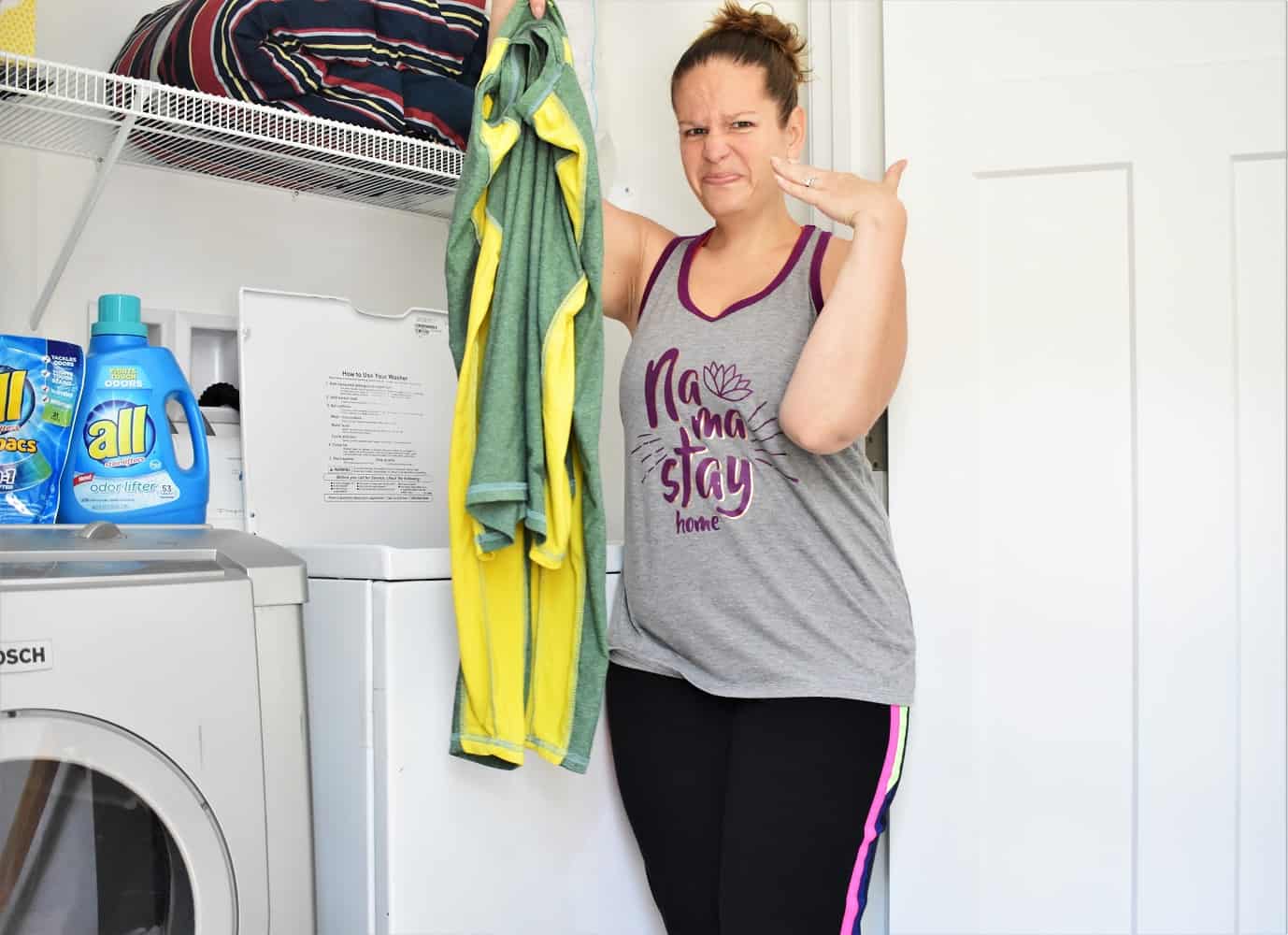
Have you ever pulled your gym shirt out of the laundry, only to notice it still has a strange, unpleasant odor? You are not alone. Many people find that gym clothes smell even after washing, which can be both frustrating and embarrassing. This stubborn odor can make you feel less confident at the gym or in public, and sometimes it seems impossible to get rid of.
Understanding why gym clothes hold onto these smells is the first step to solving the problem. It’s not just about sweat; several factors play a role. The type of fabric, bacteria, sweat composition, washing methods, and even your personal habits all work together to create that familiar gym stench.
If you want your workout gear to stay fresh, you need to know what’s really causing the odor and how to tackle it head-on.
This article goes deep into the science and practical reasons behind smelly gym clothes. You will learn how sweat interacts with modern fabrics, why traditional washing doesn’t always work, and what changes you can make to keep your workout gear smelling clean.
We’ll also cover tips that most beginners miss, such as the hidden role of detergent buildup and how your diet can affect body odor. By the end, you’ll have a clear roadmap to fresh, odor-free gym clothes – and more confidence every time you work out.
The Science Of Sweat And Odor
When you exercise, your body cools itself by producing sweat. Sweat itself is mostly water and has little to no smell. However, your skin is home to millions of bacteria. When sweat mixes with these bacteria, they break down proteins and fatty acids in the sweat, creating odor molecules that smell unpleasant.
Why Sweat Alone Isn't The Problem
It’s easy to blame sweat for your gym clothes’ smell, but the real culprit is the interaction between sweat and bacteria. There are two main types of sweat glands:
- Eccrine glands: Found all over your body, produce watery, mostly odorless sweat.
- Apocrine glands: Located mainly in your armpits and groin, produce a thicker sweat full of proteins and lipids. This type of sweat is a feast for bacteria, which quickly turn it into smelly compounds.
Modern gym sessions activate both types of glands. The apocrine sweat is the main source of strong, persistent odors.
How Bacteria Thrive On Gym Clothes
Bacteria love the warm, damp environment created by sweaty gym gear. Synthetic materials like polyester and spandex, which are common in activewear, can trap moisture close to the skin. These fabrics often don’t breathe as well as cotton, so sweat and bacteria stay trapped for longer. This creates the perfect condition for odor-causing bacteria to multiply.
The Role Of Fabric In Odor Retention
Not all fabrics are equal when it comes to smell. The material your gym clothes are made from can make a big difference in how quickly they start to stink – and how hard it is to get rid of the smell.
Comparison Of Common Gym Fabrics
Here’s a look at how different fabrics compare in their tendency to hold onto odor:
| Fabric | Odor Retention | Breathability | Ease of Cleaning |
|---|---|---|---|
| Polyester | High | Medium | Low |
| Spandex/Lycra | High | Low | Low |
| Cotton | Low | High | High |
| Merino Wool | Very Low | High | Medium |
| Bamboo | Low | High | Medium |
Polyester and spandex are popular for their stretch and moisture-wicking abilities, but they tend to hold onto odor molecules more than natural fibers like cotton or merino wool. Synthetic fibers are hydrophobic (repel water), so they don’t absorb sweat – but this also means that sweat and bacteria remain on the fabric’s surface, making it easy for smells to linger.
Why Synthetic Fabrics Smell More
- Hydrophobic fibers: Synthetic materials don’t soak up water, so sweat stays on the surface.
- Electrostatic attraction: Synthetic fibers can attract and hold onto odor molecules due to their electrical charge.
- Tight weaves: Many athletic clothes have tight weaves to improve performance, but this makes it harder for water and detergent to penetrate and remove trapped odor.
How Washing Methods Affect Gym Clothes Odor
You might think regular washing is enough to keep your gym gear fresh. However, traditional laundry routines often do not remove all bacteria and odor molecules from activewear.
Common Laundry Mistakes
- Using too much detergent: Many people believe extra detergent will get clothes cleaner, but it often leaves behind residue. This residue can trap bacteria and make smells worse.
- Washing in cold water only: Cold water saves energy, but it may not kill bacteria or remove sweat oils as effectively as warm water.
- Overloading the machine: Stuffing the washer full means clothes don’t move freely, so detergent and water can’t reach every part of the fabric.
- Skipping pre-soak: Sweat and bacteria have more time to set in if you don’t rinse or soak your clothes soon after wearing.
- Not drying quickly: Leaving clothes wet in the washing machine or gym bag gives bacteria more time to grow, causing stronger odors.
Why Smells Remain After Washing
Many modern detergents are designed for everyday dirt, not sweat and bacteria. They may not break down the stubborn proteins and lipids left by sweat. Some detergents also contain fabric softeners, which can leave a coating on synthetic fibers. This coating acts like a film, trapping bacteria and making future odors more likely.
How Washing Temperature Impacts Odor
- Hot water: More effective at killing bacteria and dissolving sweat oils, but can damage synthetic fibers and cause shrinkage.
- Cold water: Gentler on fabrics, but less effective at removing odor.
For most gym clothes, a warm water wash is a good compromise – strong enough for cleaning, but gentle enough to protect the fabric.
The Hidden Role Of Detergent And Fabric Softener
Many people overlook how their choice of detergent and fabric softener affects gym clothes odor. The wrong products can actually make the smell worse over time.
Detergent Buildup
Detergent that isn’t fully rinsed out can leave a sticky residue. This residue traps sweat, bacteria, and odor molecules inside the fabric. Over time, this buildup makes each wash less effective, and your clothes start to smell even after being cleaned.
Fabric Softener Problems
Fabric softeners are designed to coat fibers and make them feel smooth. This is fine for towels or sheets, but not for gym clothes. The coating can:
- Block the fabric’s ability to wick moisture away from your skin
- Trap bacteria and odor inside the fibers
- Reduce breathability, making you sweat more
For activewear, it’s usually best to avoid fabric softeners completely.
How Enzyme Detergents Can Help
Some detergents contain enzymes that break down proteins, fats, and starches. These are especially good for gym clothes, as they target the same compounds that cause odor. Enzyme-based detergents work best in warm water and with a good rinse cycle.
Credit: www.snackinginsneakers.com
Sweat, Diet, And Personal Factors
Not all body odor is the same. Your unique biology, diet, and habits can change how your sweat smells – and how easily your gym clothes develop odor.
How Diet Affects Sweat Smell
Certain foods can make your sweat smell stronger or more unpleasant. For example:
- Garlic and onions: Contain sulfur compounds that can be excreted in sweat.
- Red meat: Some studies suggest it can make body odor more pungent.
- Spicy foods: Stimulate sweat glands and may change the odor.
- Alcohol: Can be released through sweat, adding a sour smell.
Health And Hormones
Your hormonal balance can affect both how much you sweat and how it smells. For example, stress can activate apocrine glands, producing thicker, smellier sweat. Some health conditions (like diabetes or thyroid issues) may change sweat composition.
Medications And Supplements
Certain medicines and supplements can change your body’s chemistry, leading to different or stronger odors. If you notice a sudden change in your sweat smell, consider if you started a new supplement or medication recently.
Gym Habits That Make Clothes Smell Worse
Sometimes, it’s not just what you wear or wash – it’s what you do before and after your workout that can make a difference.
Leaving Clothes In The Gym Bag
Wet, sweaty clothes stuffed in a closed gym bag provide perfect conditions for bacteria to multiply. The longer they stay damp, the stronger the odor will be.
Not Showering Before Exercise
If you haven’t showered in a while, bacteria and oils already on your skin will mix with sweat during your workout. This leads to more odor that transfers to your clothes.
Wearing The Same Clothes Repeatedly
Reusing gym clothes without washing allows bacteria to build up, making it much harder to remove smells later.

Credit: tripulse.co
How To Prevent And Remove Odor From Gym Clothes
Now that you know why gym clothes smell, here’s how to fix it. These steps help both prevent new odors and remove old ones.
Step-by-step Odor Removal
- Rinse clothes immediately: As soon as possible after your workout, rinse clothes in cold water to remove sweat and slow bacteria growth.
- Pre-soak in vinegar or baking soda: Soak clothes in a solution of water with either white vinegar (1 cup per gallon) or baking soda (1/2 cup per gallon) for 30-60 minutes. This helps neutralize odor.
- Wash with enzyme detergent: Use a high-quality enzyme detergent, which is more effective on sweat and bacteria.
- Avoid fabric softener: Skip softeners, as they trap odor.
- Wash in warm water: Not too hot (to protect fabric), but warm enough for cleaning power.
- Extra rinse cycle: Make sure all detergent and residues are removed.
- Dry thoroughly: Hang clothes in direct sunlight if possible. UV rays can kill bacteria and help remove odors.
Regular Odor Prevention Tips
- Wash gym clothes after every use, even if they don’t smell strong yet.
- Turn clothes inside-out before washing. The inside collects most sweat and bacteria.
- Use less detergent, not more. Rinse well.
- Store clean gym clothes in a dry, ventilated space.
- Consider anti-microbial sprays for stubborn odors.
Comparing Home Remedies And Commercial Products
Here’s a quick comparison of common odor-fighting methods for gym clothes:
| Method | Effectiveness | Cost | Best For |
|---|---|---|---|
| White vinegar soak | High | Low | General odor removal |
| Baking soda soak | Medium | Low | Mild odors |
| Enzyme detergent | Very High | Medium | Persistent odors |
| Anti-microbial spray | Medium | High | Quick freshening |
| Sun drying | Medium | Free | Extra bacteria kill |
Why Some Odors Never Go Away
Sometimes, no matter what you try, certain pieces of gym clothing just keep smelling. Here’s why this happens:
Permanent Odor Embedding
After many uses, odor molecules can become permanently bonded to synthetic fibers. If bacteria and sweat proteins have built up over time, they may have penetrated deep into the fabric where washing can’t reach. At this stage, even strong detergents and soaking may not work.
Damage From Overwashing
Aggressive washing, hot water, or harsh chemicals can damage the fabric’s surface. This rough texture traps more bacteria and odor in the future, making the problem even worse.
When To Replace Old Gear
If you’ve tried every cleaning method and the smell still lingers, it’s time to consider replacing your gym clothes. Most activewear lasts for dozens of washes, but not forever. If the fabric feels sticky, rough, or you notice a permanent odor, buying new gear may be the only way to stay fresh.
Credit: www.nike.com
Non-obvious Tips Most Beginners Miss
Most guides stop at basic washing advice, but here are two important insights many gym-goers don’t realize:
- Rotate Your Workout Clothes: Wearing the same clothes every session gives bacteria more time to build up. Owning a few extra shirts and shorts allows each item to rest (and dry) fully between uses, reducing the chance for deep odor embedding.
- Clean Your Washing Machine: Over time, detergent and bacteria can build up inside your washer, especially in the seals and detergent tray. Run an empty hot cycle with vinegar or a washer cleaner every month to ensure your machine isn’t spreading odors back into your gym clothes.
The Environmental Impact Of Smelly Gym Clothes
Smelly gym clothes are not just a personal problem – they can have a wider impact on the environment. Many people wash their activewear more often or use extra detergent, which increases water and energy use. Overusing cleaning products also adds more chemicals to wastewater, which can harm local water sources.
Choosing Sustainable Gym Clothes
Some brands now make activewear from natural fibers or recycled materials. Merino wool, bamboo, and certain treated polyesters are better at resisting odor and need less frequent washing. Choosing these can help reduce your environmental footprint and keep you smelling fresher, too.
For more information on how sustainable fabrics work, check out this Merino wool overview.
Frequently Asked Questions
Why Do My Gym Clothes Still Smell After Washing?
Odor molecules and bacteria can become trapped in synthetic fabrics, especially if you use too much detergent or fabric softener. These products can leave a residue that holds onto smells. Try enzyme-based detergents, avoid softeners, and use an extra rinse cycle for better results.
Is It Better To Use Hot Or Cold Water For Washing Gym Clothes?
Warm water is usually best for activewear. Hot water can damage synthetic fibers, while cold water may not remove sweat and bacteria as effectively. Always check the care label, but a warm wash with enzyme detergent is a good general rule.
Can I Use Bleach To Remove Odors From Gym Clothes?
Bleach can damage the fibers in most activewear and may reduce their moisture-wicking abilities. It’s usually better to use white vinegar or enzyme detergents, which are safer and more effective for removing sweat odors.
How Often Should I Wash My Gym Clothes?
Wash your gym clothes after every workout, even if they don’t seem very dirty. This prevents bacteria and odor from building up. Letting sweat sit for too long makes it much harder to remove smells later.
Does Drying Gym Clothes In The Sun Help With Odor?
Yes, drying gym clothes in direct sunlight can help kill bacteria and remove odors. The sun’s UV rays are natural disinfectants. If possible, hang your clothes outside to dry after washing, especially if you struggle with persistent smells.
Keeping your gym clothes fresh is not just about washing them more often. By understanding the real reasons behind persistent odor and changing how you care for your activewear, you can stay confident, comfortable, and ready for every workout. With the right habits and knowledge, you’ll never have to worry about gym clothes smell again.
