

How to Prevent Gym Clothes from Smelling: Freshness Hacks
How To Prevent Gym Clothes From Smelling
If you go to the gym often, you know the struggle: you wash your gym clothes, but after one workout, they smell bad again. Sweat, bacteria, and body oils stick to athletic fabrics. Even after washing, the smell can stay. This can be embarrassing and uncomfortable. But you can keep your gym clothes fresh longer with the right methods. In this article, you’ll learn practical strategies to prevent gym clothes from smelling, why odors happen, and how to build habits for cleaner, fresher workout gear.
Why Do Gym Clothes Smell?
Gym clothes are made with synthetic fabrics like polyester, nylon, or spandex. These materials are lightweight and wick sweat away from your skin. However, they also trap sweat, bacteria, and oils in the fibers. This creates a perfect environment for bacteria to grow and produce odor.
Sweat itself doesn’t smell. But when sweat mixes with bacteria on your skin and clothes, it creates the unpleasant odor. The bacteria break down sweat, which releases smelly compounds. Synthetic fabrics hold on to these compounds more than cotton. This is why your gym shirt or shorts can smell worse than regular clothes.
One non-obvious insight: Using too much detergent can make odors worse. Detergent buildup traps bacteria and sweat deep in the fabric. Another common mistake is leaving gym clothes in a gym bag after a workout. The dark, damp environment encourages bacteria to multiply.
The Best Ways To Prevent Gym Clothes From Smelling
There is no single solution. You need a mix of washing habits, storage tips, and fabric care. Let’s break down the most effective strategies.
1. Change Out Of Gym Clothes Immediately
After your workout, remove your gym clothes as soon as possible. If you keep wearing sweaty gear, bacteria will keep growing. If you can’t shower right away, at least change into dry clothes.
Pro Tip: Bring a spare set to the gym so you can change before leaving.
2. Air Out Gym Clothes Right After Use
Don’t toss sweaty clothes into your gym bag. Instead, let them air out. Hang them or lay them flat in a well-ventilated area. This reduces moisture and slows bacteria growth.
Example: If you’re at home, hang your clothes outside or near an open window. If you’re at the gym, try to drape your clothes over your bag until you get home.
3. Wash Gym Clothes After Every Workout
It’s tempting to reuse gym clothes, but this makes odors worse. Wash your gear after every workout. This removes sweat, bacteria, and oils before they get deep into the fabric.
Quick Tip: If you don’t have time for a full wash, rinse your clothes with cold water. This helps remove some sweat and bacteria.
4. Use Cold Water For Washing
Hot water can damage synthetic fabrics and set odors. Cold water is gentler and keeps the fabric strong. Most modern detergents work well in cold water.
Non-obvious insight: Cold water helps prevent sweat odors from getting “baked” into the fabric.
5. Choose The Right Detergent
Regular detergent sometimes isn’t enough for gym clothes. Look for detergents made for sports or active wear. These are designed to break down oils and bacteria in synthetic materials.
Recommended: Products labeled “sports,” “active,” or “odor-fighting.”
6. Avoid Fabric Softener
Fabric softener leaves a coating on clothes, trapping bacteria and sweat. This makes odors worse over time. Skip fabric softener for gym clothes.
Fact: Fabric softener can also reduce moisture-wicking abilities of technical fabrics.
7. Use White Vinegar Or Baking Soda
White vinegar and baking soda are natural odor removers. Add half a cup of vinegar or baking soda to your wash. They break down bacteria and neutralize smells.
How to use:
- Pour vinegar or baking soda into the washing machine drum before adding clothes.
- Do not mix vinegar and baking soda together.
8. Turn Clothes Inside Out Before Washing
Sweat and bacteria collect on the inside of your clothes. Turning them inside out helps water and detergent reach the dirtiest parts.
Tip: This also helps preserve logos and prints.
9. Don’t Overload The Washing Machine
Too many clothes at once means less water and detergent reach each item. Wash gym clothes in small loads.
Example: If you have several gym shirts, split them into two smaller washes.
10. Dry Clothes Completely
Never store gym clothes damp. Dampness encourages bacteria and mold. Dry clothes fully before putting them away.
Options: Air dry in sunlight for fresh smell, or use a dryer on a low setting for synthetics.
11. Store Gym Clothes In A Breathable Bag
Avoid plastic bags or sealed containers. Use a mesh or fabric bag to let air flow. This stops moisture buildup and keeps clothes fresher.
Practical tip: Some sports brands sell mesh laundry bags for this purpose.
12. Use Antibacterial Sprays
After washing, spray gym clothes with an antibacterial spray. This kills lingering bacteria and prevents odors from returning.
Products: Look for sprays made for fabrics or sports gear.
13. Wash Gym Bag Regularly
Your gym bag can collect sweat, bacteria, and odors. Clean your bag every few weeks. If it’s machine washable, use cold water. Otherwise, wipe with soapy water and let it air dry.
Non-obvious insight: Even if your clothes are clean, a dirty gym bag can transfer odors back onto them.
14. Separate Gym Clothes From Regular Laundry
Gym clothes need special care. Wash them separately from towels, jeans, or other clothing. This prevents cross-contamination and helps your gym gear get cleaner.
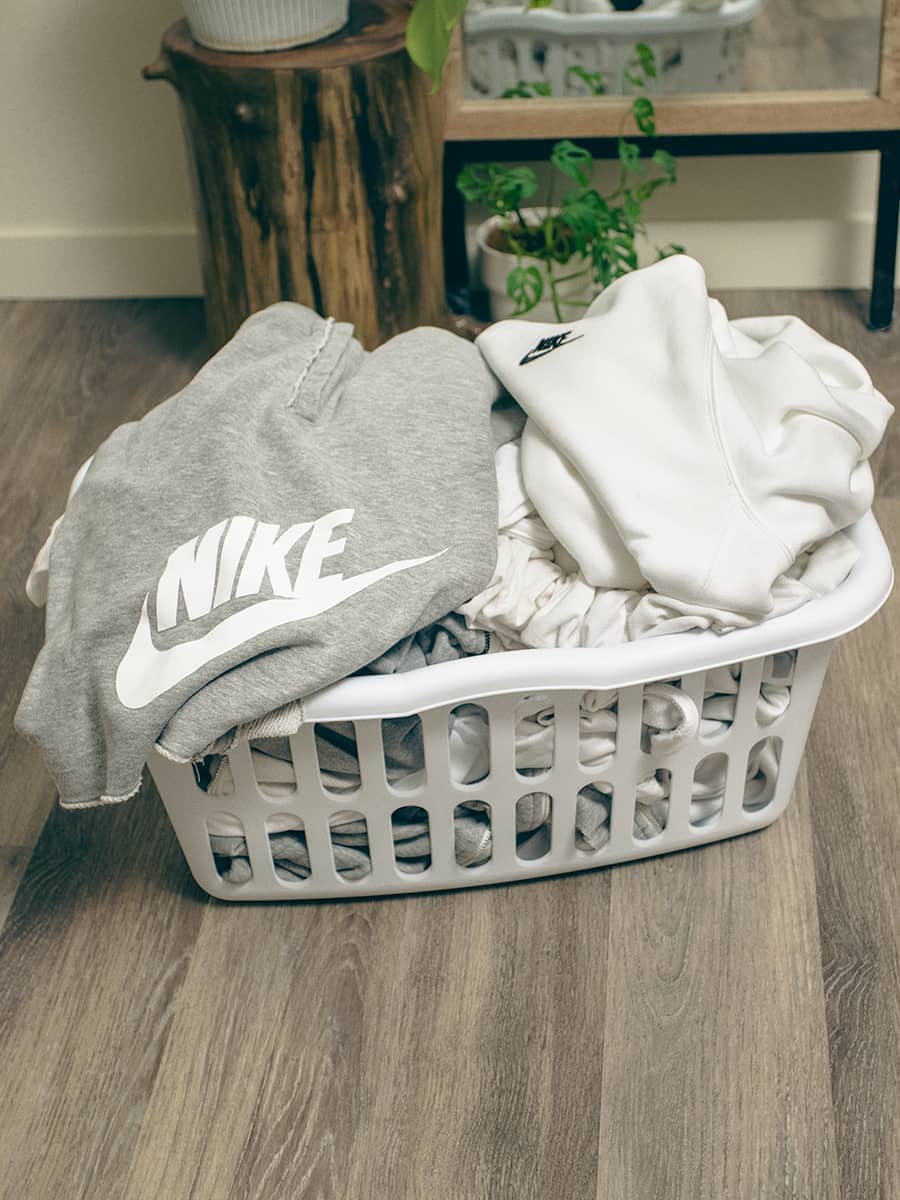
Tip: Keep a laundry basket just for workout gear.
15. Use Enzyme Cleaners For Tough Odors
Enzyme cleaners break down organic matter, including sweat and bacteria. These are more powerful than regular detergents for stubborn smells.
How to use: Follow product instructions and soak clothes for a few hours before washing.
16. Avoid Using Too Much Detergent
More detergent doesn’t mean cleaner clothes. Excess detergent can stay in the fabric and trap odors. Use the recommended amount.
Fact: Detergent buildup is a common cause of persistent smells.
17. Wash Clothes Promptly After Use
Don’t let dirty gym clothes sit for days. The longer they stay unwashed, the worse the smell. Wash them within 24 hours if possible.
Practical advice: Set a reminder to wash gym clothes right after each workout.
18. Try Odor Remover Additives
Some brands sell odor remover additives to mix with detergent. These are made for tough smells in sports gear.
Products: Look for “odor eliminator” or “sport booster” labels.
19. Sun Dry For Extra Freshness
Sunlight naturally kills bacteria and removes odors. Hang gym clothes in direct sunlight after washing.
Example: If possible, use a clothesline outdoors.
20. Avoid Leaving Gym Clothes In The Car
Leaving sweaty clothes in a hot car increases bacteria growth. Always take gym clothes home right after your workout.
Tip: Keep a spare bag in your car for emergencies, but don’t store dirty clothes there.
21. Wash Clothes In Shorter Cycles
Long wash cycles can damage synthetic fabrics. Choose a shorter, gentle cycle for gym clothes.
Fact: Many washing machines have a “sports” or “quick wash” setting.
22. Rinse Clothes Before Washing
If clothes are very sweaty, rinse them in cold water before putting in the washing machine. This removes extra sweat and bacteria.
Step-by-step:
- Fill a sink with cold water.
- Soak clothes for 10–15 minutes.
- Squeeze out excess water.
- Wash as usual.
23. Avoid Using Dryer Sheets
Dryer sheets can coat fabrics and trap odors. They also reduce the effectiveness of moisture-wicking materials.
Tip: Air dry instead, or use dryer balls if you prefer the dryer.
24. Use Less Heat When Drying
High heat can damage synthetic fibers and lock in odors. Use low or medium heat settings.
Data: Most synthetic workout gear lasts longer when dried at lower temperatures.
25. Wash New Gym Clothes Before First Use
New clothes often have chemicals or coatings that can trap sweat and bacteria. Wash new gym gear before wearing.
Practical tip: This also removes residues from manufacturing.
26. Keep Your Washing Machine Clean
A dirty washing machine can transfer smells onto your clothes. Clean your machine once a month. Run an empty cycle with hot water and vinegar.
Non-obvious insight: Mold can grow in washing machine seals and drum.
27. Use Essential Oils For Natural Freshness
Add a few drops of essential oil (like tea tree or lavender) to your wash. This gives a pleasant scent and has antibacterial properties.
How to use: Mix oil with baking soda or vinegar before adding to washing machine.
28. Avoid Wearing Gym Clothes For Long Periods
Only wear gym clothes during workouts. Don’t lounge in them after exercising. This reduces sweat and bacteria buildup.
Tip: Change into clean clothes immediately after exercise.
29. Choose High-quality, Anti-odor Fabrics
Some brands make gym clothes with anti-microbial technology. These resist bacteria and odors.
Example: Look for “silver-infused” or “odor-resistant” labels.
30. Keep Your Skin Clean
Clean skin produces less bacteria and sweat. Shower before workouts if possible, and always after.
Fact: Using antibacterial soap can reduce the bacteria transferred to gym clothes.
Credit: tripulse.co
Data Comparison: Detergents For Gym Clothes
Below is a comparison of three types of detergents for gym clothes. Notice how sports detergents perform better for odor removal.
| Detergent Type | Odor Removal | Fabric Care | Price Range |
|---|---|---|---|
| Regular Detergent | Moderate | Good | Low |
| Sports Detergent | Excellent | Excellent | Medium |
| Enzyme Cleaner | Superior (for tough odors) | Good | High |
Fabric Types And Odor Risk
Different fabrics have different risks for trapping odors. Here’s a quick overview:
| Fabric | Odor Risk | Recommended Care |
|---|---|---|
| Polyester | High | Wash after every use, avoid fabric softener |
| Spandex | Medium-High | Cold wash, air dry |
| Cotton | Low | Regular wash, higher heat OK |
| Anti-microbial blends | Low | Follow label, gentle wash |

Credit: www.nytimes.com
Common Mistakes That Make Gym Clothes Smell
Many people make mistakes that worsen odor problems. Here are some to avoid:
- Leaving clothes in a gym bag overnight. Even a few hours is enough for bacteria to grow.
- Using fabric softener. This creates a sticky layer.
- Overusing detergent. Causes buildup and traps odors.
- Not drying clothes completely. Dampness leads to mold and bacteria.
- Mixing gym clothes with regular laundry. Less effective cleaning.
- Ignoring washing machine cleanliness. Residues transfer to clothes.
- Wearing gym clothes for long periods. More sweat and bacteria.
Avoiding these mistakes is key to keeping your gym gear fresh.
Advanced Tips For Odor Prevention
If you still struggle with smells, try these advanced methods:
Try A Double Wash
Wash gym clothes twice in separate cycles. First, use vinegar or baking soda. Second, use detergent. This removes tough odors.
Soak In A Pre-wash Solution
Soak clothes in a mix of cold water and enzyme cleaner for 30 minutes before washing. This helps break down sweat and bacteria.
Invest In Anti-odor Laundry Bags
Some bags are made with silver threads or anti-bacterial coatings. They keep gym clothes fresher between workouts.
Track Washing Frequency
Keep a simple log of wash dates. This helps you avoid accidental reuse of unwashed clothes.
Use A Uv Sanitizer
UV sanitizers kill bacteria on fabrics. They are used for sports gear like gloves or shoes, but can help with gym clothes too.
Practical Routine For Fresh Gym Clothes
Building habits is important. Here’s a practical routine:
- Change out of gym clothes right after exercising.
- Air out clothes immediately.
- Wash within 24 hours using cold water and sports detergent.
- Add vinegar or baking soda for odor removal.
- Dry clothes completely in sunlight or with low heat.
- Store in a mesh bag.
- Clean gym bag and washing machine regularly.
Following this routine will dramatically reduce odor problems.
The Science Behind Odor Removal
Odor molecules are tiny, but they stick tightly to synthetic fibers. Detergents break apart oils, but bacteria can survive deep in the fabric. Vinegar and enzyme cleaners attack bacteria and odor molecules directly. Sunlight and air drying also kill bacteria naturally.
Studies show that sports detergents remove up to 70% more odor than regular detergents. Enzyme cleaners can remove 90% of tough smells. Essential oils offer natural antibacterial benefits, but don’t replace proper washing.
Credit: www.nike.com
Useful Products And Tools
Here are some products and tools that help prevent gym clothes from smelling:
- Mesh laundry bags for air flow.
- Sports detergents for odor removal.
- Enzyme cleaners for tough smells.
- Antibacterial sprays for extra freshness.
- UV sanitizers for advanced cleaning.
- Essential oils for natural scent.
You can find many of these in supermarkets or online. For more details on odor science, visit Wikipedia.
Simple Checklist For Every Gym Visit
- Bring a spare set of clothes.
- Change right after working out.
- Air out sweaty clothes.
- Take clothes home immediately.
- Wash within 24 hours.
This checklist helps you build good habits.
Frequently Asked Questions
How Often Should I Wash Gym Clothes?
You should wash gym clothes after every workout. Waiting longer increases odor risk. If you can’t wash immediately, rinse them in cold water and air them out.
Can I Use Regular Detergent For Gym Clothes?
Regular detergent can work, but sports detergents are better for removing sweat and bacteria. If you use regular detergent, add vinegar or baking soda for extra odor removal.
Is It Safe To Use Vinegar Or Baking Soda On Gym Clothes?
Yes, both are safe for most fabrics. Use half a cup per wash. Avoid mixing them together in the same wash. Always check care labels for special instructions.
What Is The Best Way To Dry Gym Clothes?
Air drying in sunlight is best because sunlight kills bacteria. If you use a dryer, choose a low or medium heat setting to protect synthetic fibers.
Why Do Gym Clothes Smell Even After Washing?
Odors can remain if bacteria and sweat are trapped deep in the fabric. Using too much detergent, fabric softener, or not drying clothes fully are common reasons. Try enzyme cleaners, vinegar, or baking soda for tough smells.
Keeping your gym clothes fresh isn’t difficult, but it requires regular care and the right methods. By following these strategies, you can enjoy odor-free workouts and feel confident every time you exercise. The extra effort pays off: your clothes last longer, smell better, and you stay comfortable before, during, and after the gym.
