

Why Do Gym People Wear Headphones? Top Reasons Explained
Why Do Gym People Wear Headphones
Stepping into a gym, you’ll quickly notice something: most people are wearing headphones. Some have big over-ear models, others use tiny earbuds. You may wonder, “Why do gym people wear headphones?” Is it just about music, or is there more to it? If you’re new to fitness centers or simply curious, the answer goes much deeper than simple entertainment.
Wearing headphones at the gym is more than a trend. It’s a mix of science, psychology, and personal comfort. Headphones help gym-goers focus, boost their performance, and even manage their emotions. They’re not just accessories—they’re powerful tools for a better workout experience.
Let’s explore all the reasons why headphones have become almost essential in gyms, what benefits they offer, and what you might want to consider if you’re thinking about bringing your own pair.
The Psychological Power Of Music
Music is not just background noise. For many, it’s the main reason to wear headphones at the gym. But why does music matter so much during a workout?
Music can change your mood, give you energy, and help you push through tough exercises. Fast, upbeat songs can make you feel stronger or more excited. Slow songs can help you relax and stretch. Science shows that music can reduce perceived effort—this means you feel like you’re working less hard, even if you’re doing the same amount of exercise.
Listening to music through headphones creates a personal environment. In a noisy gym, music helps you block out distractions and focus only on your goals. This “mental bubble” is one reason so many gym-goers never leave home without their headphones.
How Music Affects Your Workout
- Improves motivation: The right song can make you want to move.
- Reduces boredom: Music keeps your mind busy, especially during repetitive exercises.
- Helps with timing: Songs with strong beats help with pacing, like during running or cycling.
- Boosts endurance: Studies show people often work out longer when listening to music.
Creating Personal Space In A Shared Environment
Gyms can be crowded and full of strangers. Not everyone enjoys small talk or being interrupted while lifting weights. Headphones act as a signal: “I’m busy right now.” For many, this is one of the most valuable benefits.
Social Cues And Boundaries
Wearing headphones lets others know you prefer to focus on your workout. It’s a polite way to avoid unnecessary conversations. This doesn’t mean gym-goers are unfriendly, but they want to make the most of their time.
Headphones help create a personal space in an environment that often feels public. Even if the gym is busy, headphones make you feel in control and less exposed.
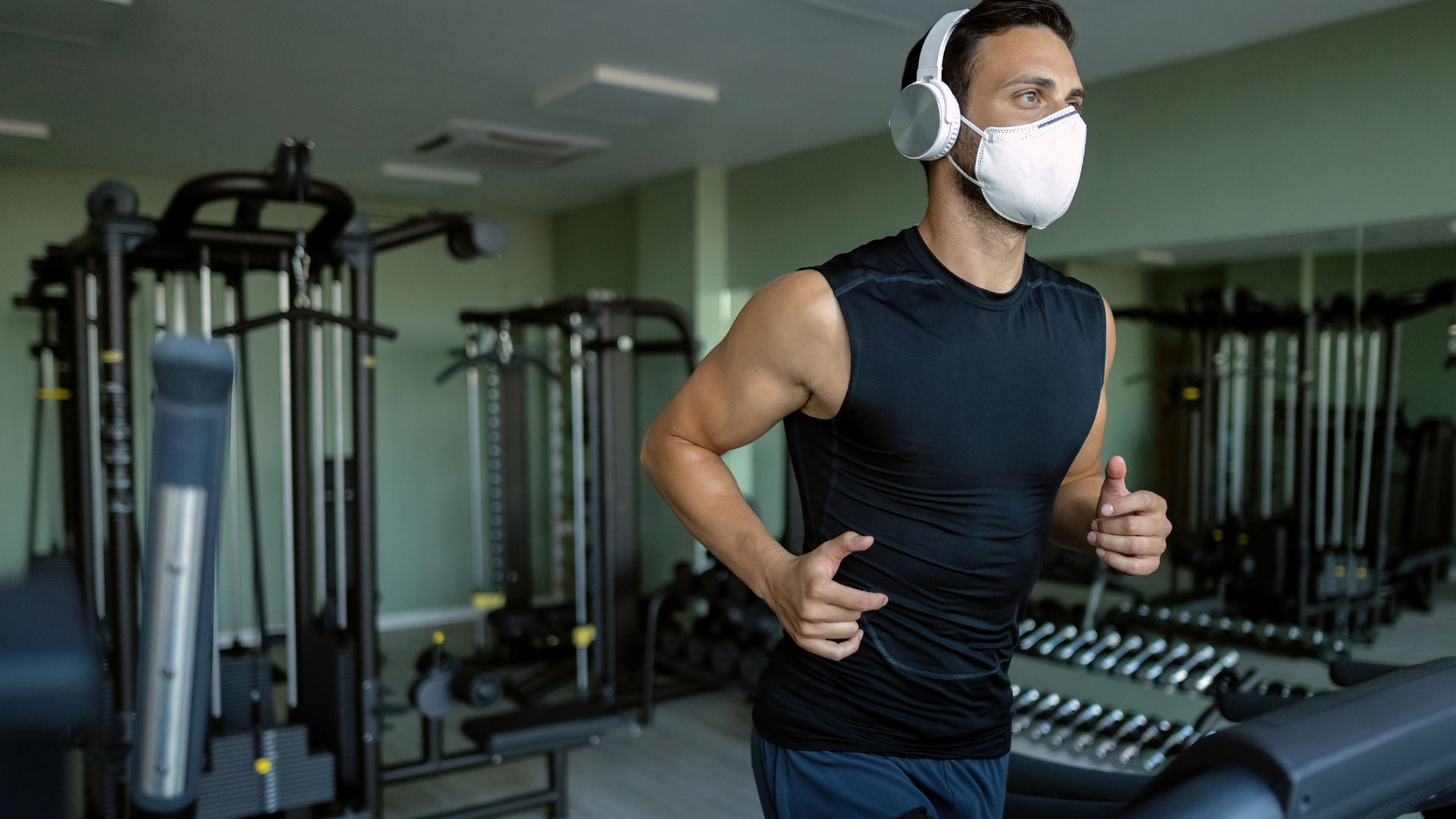
Credit: www.ersnet.org
Blocking Out Distractions
Gyms can be noisy places—clanking weights, loud music, people talking, and sometimes even the sound of fitness classes. For many, these sounds make it hard to concentrate.
Focus Through Noise Isolation
Modern headphones, especially noise-canceling models, are designed to block out external sounds. This helps you focus on your exercises, your breathing, and your form. With fewer distractions, your workouts become more effective.
Blocking out noise is not just about comfort. It can also improve safety. For example, when you’re not distracted by outside conversations, you’re less likely to make mistakes with equipment.
Boosting Performance With Rhythm And Tempo
One of the less obvious reasons for wearing headphones is the power of rhythm. Many gym-goers match their movements to the beat of the music.
Using Music To Regulate Intensity
- Faster beats can help you move quickly during cardio or high-intensity workouts.
- Slower beats can help you cool down or stretch at the end.
- Custom playlists let you control the tempo of your session.
Research has found that exercising in time with music can improve performance. Your body naturally wants to move to the beat, so you might run faster or lift more without even thinking about it.
Managing Anxiety And Stress
Gyms can be intimidating, especially for beginners. You might worry about people watching you or making mistakes. Headphones can help reduce these feelings.
Creating Comfort And Confidence
Listening to familiar music can make you feel at home. It gives you something to focus on besides your worries. For people who feel anxious in social settings, headphones are a tool for managing stress and building confidence.
This is especially important for people who are new to fitness centers. A favorite playlist can turn a stressful environment into a safe, comfortable space.
Setting A Consistent Workout Routine
Headphones and music also help with building habits. Many people use the same playlist every time they exercise. This tells the brain, “It’s time to work out. ” Over time, just putting on headphones can help you switch into exercise mode.
The Power Of Ritual
- Starting signal: Music marks the beginning of your workout.
- Routine reinforcement: Repeated actions (like putting on headphones) help habits stick.
- End-of-workout cue: A cool-down song signals it’s time to relax.
This routine makes it easier to stay motivated and keep coming back to the gym.
Masking Unwanted Gym Noises
Not all gym sounds are pleasant. Some people find the clanging of weights, grunting, or loud instructions annoying or embarrassing. Headphones help you control what you hear.
Taking Control Of Your Audio Environment
With headphones, you decide what enters your ears. This can make the gym feel more welcoming and less stressful. For those sensitive to loud or sudden noises, headphones provide comfort.
Some gym-goers use white noise or nature sounds instead of music. These sounds can be calming and help with focus, especially during stretching or yoga.
Enhancing Privacy For Personal Development
Improving fitness is often a personal journey. Many people don’t want others to know what they’re listening to or how they’re motivating themselves. Headphones offer a private, tailored experience.
Individual Preferences
- Podcasts or audiobooks: Some prefer learning while exercising.
- Motivational speeches: Others like to hear encouraging words.
- Language lessons: A few combine workouts with language practice.
This personal approach helps people stick to their routines and enjoy their time at the gym.
Keeping Track Of Progress And Timing
Headphones can do more than play music. Many modern models connect to fitness apps, track workout stats, or even give audio feedback.
Smart Headphones And Apps
- Voice prompts: Remind you when to switch exercises.
- Interval timers: Help with high-intensity interval training (HIIT).
- Workout tracking: Some headphones measure heart rate or calories burned.
This technology helps you stay on track, measure your results, and make adjustments for better performance.
Encouraging Consistency And Motivation
One of the main challenges in fitness is staying consistent. Headphones and music help by making workouts more enjoyable and less like a chore.
Turning Exercise Into Enjoyment
If you look forward to your playlist, you’re more likely to show up. When exercise feels good, it’s easier to make it a habit. Over time, this boosts your results and helps you reach your goals.
Supporting Different Workout Styles
Not everyone does the same type of exercise. Some lift weights, others run or cycle, and some prefer group classes. Headphones are flexible tools for all these activities.
Examples Of Use
- Weightlifters: Use music for energy between sets.
- Runners: Listen to podcasts during long cardio.
- Yoga enthusiasts: Play calming sounds for relaxation.
- Cyclists: Use tempo-based playlists for pacing.
With so many options, headphones support every style and goal.
Protecting Hearing And Hearing Health
Gyms often play loud music over speakers. For some, this volume is uncomfortable or even harmful. Headphones allow you to control the volume and type of sound you hear.
Reducing Risk Of Hearing Damage
Choosing the right headphones and keeping the volume at safe levels can protect your ears. Over-ear headphones are often better at blocking outside noise, so you don’t need to turn them up as loud.
This is important because long-term exposure to loud environments can harm your hearing.
Avoiding Unwanted Advice Or Criticism
While some people enjoy tips from others, many prefer to focus on their own routines. Wearing headphones is a way to politely avoid unsolicited advice or criticism.
Staying Focused On Your Own Progress
When you wear headphones, you’re less likely to be interrupted by others telling you what to do. This helps you stick to your plan and avoid confusion or doubt.
Increasing Workout Efficiency
Time is valuable. Headphones help you stay on task and avoid distractions, which makes your workouts more efficient.
Maximizing Your Gym Session
- Shorter rest times: Music helps you keep moving.
- Fewer interruptions: Less likely to be stopped by others.
- Clear structure: Audio cues guide your routine.
In the end, you get more done in less time.
Expressing Personal Style
Headphones come in many colors, shapes, and designs. For some gym-goers, they’re also a way to show personal style or identity.
Fashion And Function
- Matching gear: Headphones can coordinate with your gym clothes.
- Unique models: Some prefer bold, colorful designs.
- Brand loyalty: Popular brands are part of gym culture.
While not the main reason for most, style is a fun bonus for many.
Types Of Headphones Popular In The Gym
Not all headphones are equal. Some are better suited for the gym than others. Let’s compare the most popular types:
| Type | Pros | Cons |
|---|---|---|
| Over-ear | Great sound, noise isolation, comfortable | Bulky, may get hot during exercise |
| On-ear | Lighter, less heat, good sound | May slip during movement, less isolation |
| In-ear (earbuds) | Lightweight, secure fit, sweat-resistant | Some discomfort after long use |
| Wireless/Bluetooth | No cords, freedom of movement | Needs charging, sometimes connectivity issues |
| Wired | Stable connection, no battery needed | Cords can get in the way |
Choosing the right type depends on your workout, comfort, and budget.
Practical Tips For Using Headphones At The Gym
Wearing headphones seems simple, but a few tips can improve your experience:
- Choose sweat-resistant models: Gyms are sweaty places. Make sure your headphones can handle moisture.
- Keep volume safe: Loud music can damage your hearing. Use noise-canceling models to keep volume lower.
- Stay aware of surroundings: For safety, especially when moving around equipment, lower your volume or use awareness modes.
- Clean regularly: Sweat and dirt can build up. Wipe headphones after each workout.
- Bring a case: Protect your headphones from damage when not in use.
- Respect gym policies: Some gyms have rules about headphones—follow them to avoid problems.
Common Mistakes Beginners Make
If you’re new to using headphones at the gym, avoid these common errors:
- Too loud volume: This can harm your ears and stop you from hearing important warnings.
- Wearing bulky headphones for cardio: Heavy models may slip or become uncomfortable during running.
- Ignoring gym etiquette: Still be polite and aware of others, even if you’re in your own zone.
- Forgetting to charge wireless headphones: Always check battery level before leaving home.
- Blocking out all sound: In some gyms, you need to hear instructions or alarms for safety.
How Headphones Impact Gym Culture
Over time, headphones have changed the way people interact at the gym. They’ve made workouts more personal and private. While this means less socializing, it also means more focused sessions.
For some, the gym was once a place to meet friends. Today, many prefer to keep to themselves. This is not bad or good—it’s a personal choice. Headphones give you control over your gym experience.
The Science Behind Music And Exercise
Why does music work so well during workouts? It’s not just imagination—there’s real science behind it.
Brain Chemistry And Physical Response
When you listen to enjoyable music, your brain releases dopamine, a chemical that makes you feel happy. This can reduce feelings of pain and fatigue. Music also helps with coordination and timing, making movements smoother.
Some studies suggest that people who listen to music during exercise can improve performance by up to 15%. This can mean running faster, lifting heavier, or lasting longer.

Credit: www.rtings.com
Real-world Examples
To see how headphones are used, let’s look at some examples:
- Serious athletes: Many professional athletes use headphones before competitions to get in the right mindset.
- Busy professionals: Those with limited time use music to focus and make workouts more efficient.
- People recovering from stress: Music helps manage anxiety and keeps motivation high.
How Headphones Compare To Gym Speakers
Some gyms play music for everyone. Why do people still bring their own headphones?
| Feature | Personal Headphones | Gym Speakers |
|---|---|---|
| Personal choice | Yes | No |
| Volume control | Yes | No |
| Noise isolation | Yes | No |
| Workout timing | Customizable | Generic |
| Distraction level | Low | High |
This comparison shows why many prefer their own headphones, even in gyms with high-quality sound systems.
When Not To Wear Headphones
While headphones are popular, there are times when it’s better to leave them off:
- During group classes: Instructors may need your full attention.
- In emergency situations: You must be able to hear alarms or instructions.
- When sharing equipment: It’s polite to communicate with others.
- If you’re a beginner: Sometimes, learning from others is more important.
Knowing when to take off your headphones is part of good gym etiquette.
What To Look For When Buying Gym Headphones
If you’re thinking about buying headphones for the gym, here’s what matters most:
- Fit and comfort: They should stay in place and feel good during movement.
- Sweat and water resistance: Look for models rated for sports use.
- Battery life: For wireless models, choose long-lasting batteries.
- Sound quality: Clear sound makes a big difference.
- Noise cancellation: Helps with focus but should be used carefully for safety.
- Durability: Gym headphones should survive drops and sweat.
Don’t be fooled by marketing. Test different models if you can, and choose what feels right for your needs.
Non-obvious Insights Most Beginners Miss
Many new gym-goers think headphones are only for music, but podcasts, audiobooks, or even language lessons can make workouts feel productive. Another thing beginners often forget is that headphones create a “reset button”—putting them on before a workout helps signal your brain that it’s time to focus, even if you’re tired or distracted.
Some people also use specific songs or sounds for different exercises. For example, fast-paced songs for cardio, and calm sounds for stretching. Over time, you can develop a personalized system that boosts your results.
The Social Side: Connecting Or Isolating?
Wearing headphones can mean less social interaction. Some people enjoy this, but others miss the community feeling. If you want to connect with others, try taking your headphones off between sets or after your session.
Headphones give you the power to choose—be social when you want, and focus when you need.

Credit: www.woolyyarn.com
Headphones And Safety: What You Need To Know
While headphones help with focus, they can also create risks. If you can’t hear what’s happening around you, you might miss important warnings or instructions. For safety:
- Lower your volume when moving around machines.
- Use awareness mode if your headphones have it.
- Stay alert to your environment, especially in busy gyms.
Safety always comes first, even if you love your music.
Making The Most Of Your Gym Time
In the end, headphones are a tool. They help you create the best possible workout for yourself—focused, efficient, and enjoyable. Whether you use them for music, motivation, or blocking out distractions, they play a big role in modern fitness culture.
Remember, the best gym routine is the one you enjoy and can stick with. Headphones are just one way to make workouts something you look forward to.
For more on the science of music and exercise, you can read this detailed overview on Wikipedia.
Frequently Asked Questions
Why Do So Many Gym People Wear Headphones?
Most gym-goers wear headphones to focus on their workout, block out distractions, and listen to music or motivational content. Headphones also help create a personal space and can boost motivation and performance.
Does Listening To Music Really Improve Workout Performance?
Yes, research shows that music can increase endurance, reduce fatigue, and make exercise feel easier. The rhythm and tempo of music help regulate movement and keep motivation high.
Are There Any Safety Risks To Wearing Headphones At The Gym?
There are some risks, especially if you can’t hear what’s happening around you. It’s important to keep volume at a safe level and stay aware of your environment, especially when moving around heavy equipment.
What Type Of Headphones Are Best For Gym Use?
The best headphones for the gym are usually sweat-resistant, comfortable, and secure-fitting. Wireless earbuds are popular for their lightweight design, but over-ear models are good for noise isolation.
Should I Always Wear Headphones At The Gym?
Not always. There are times—like during group classes or when using shared equipment—when it’s better to leave headphones off. Balance focus with safety and courtesy to others.
The next time you see someone with headphones at the gym, remember: it’s not just about music. It’s about focus, motivation, and making exercise a personal, enjoyable experience. If you haven’t tried it yet, bringing your own headphones might just change the way you feel about working out.
