

Best Way to Dry Gym Clothes: Quick Tips for Fresh Workout Gear
Drying gym clothes well is not just about saving time. It keeps your workout gear fresh, extends its life, and helps you avoid unpleasant odors or bacteria. Many people throw their gym clothes in the dryer and hope for the best.
But this can damage the fabric, shrink your favorite shirt, or make your clothes smell worse. If you want your gym clothes to last and stay comfortable, it’s important to learn the best way to dry them. This guide will help you understand why drying matters, show you step-by-step methods, and answer common questions.
Whether you live in a humid area or struggle with sweat odors, you’ll find practical solutions here.
Why Drying Gym Clothes Properly Matters
Gym clothes are different from regular clothes. They use synthetic fabrics like polyester, nylon, or spandex. These materials are made to wick moisture away from your skin and dry quickly. But they can also trap sweat and bacteria, leading to bad smells. If you dry them wrongly, you risk damaging the fabric or making odors worse.
Proper drying has three main benefits:
- Prevents odors: Sweat and bacteria can stay trapped if clothes don’t dry fully.
- Preserves fabric: High heat or rough handling can break down fibers, making clothes lose stretch or color.
- Reduces health risks: Damp clothes can cause skin irritation or even fungal infections.
Many people don’t realize that air drying is often better than machine drying for gym clothes. But you need to know the right steps to make it effective and convenient.
Understanding Gym Clothes Fabric
Before you start drying, it’s helpful to know what your gym clothes are made of. Most workout gear uses moisture-wicking fabrics. These include:
- Polyester: Lightweight, dries fast, but can trap sweat smells.
- Nylon: Smooth, strong, dries quickly, but may lose shape with heat.
- Spandex: Stretchy, often blended with other fibers, sensitive to heat.
- Cotton blends: Softer, but absorbs sweat and dries slower.
Look for the care label inside your clothes. It tells you the best drying method. Ignoring the label is a common mistake, and can ruin your gear quickly.
Common Mistakes When Drying Gym Clothes
Many people make simple errors that reduce the life of gym clothes:
- Using high heat in the dryer: This can shrink or damage synthetic fibers.
- Not drying clothes fully: Dampness leads to odors or mildew.
- Leaving clothes in the gym bag: Sweat stays trapped, making bacteria multiply.
- Hanging clothes in a closed space: Without air flow, drying is slow and smells build up.
- Mixing gym clothes with heavy fabrics: Towels or jeans can rub against your workout gear, causing wear or snagging.
Avoiding these mistakes helps keep your clothes fresh and ready for your next workout.
Best Methods To Dry Gym Clothes
There are several effective ways to dry gym clothes. The best method depends on your space, weather, and how quickly you need your clothes.
Air Drying Indoors
Air drying is gentle and safe for most gym clothes. Here’s how to do it right:
- Shake out your clothes after washing. This removes excess water and helps prevent wrinkles.
- Lay flat on a drying rack or hang on a clothesline. Choose a spot with good air flow, like near a window or fan.
- Leave space between items. Don’t overlap clothes; air needs to circulate.
- Flip clothes after a few hours. This helps both sides dry evenly.
- Check for damp spots. If you notice some areas still wet, adjust the position or add a fan.
Air drying takes more time, but it preserves the fabric’s stretch and keeps odors away.
Outdoor Drying
Drying gym clothes outdoors is fast and effective, but you need to watch out for sun damage.
- Hang clothes on a clothesline or drying rack outside.
- Choose a shaded area if possible. Direct sunlight can fade colors and weaken fibers.
- Make sure clothes are spread out and not touching each other.
- Bring clothes inside if it rains or if the weather is humid.
Outdoor drying also lets the fresh air remove lingering smells. But avoid strong sunlight for delicate fabrics.
Using A Dryer (machine Drying)
A dryer is quick, but must be used carefully with gym clothes.
- Set the dryer to low heat or “air fluff” mode.
- Place clothes inside without heavy items like towels or jeans.
- Remove gym clothes as soon as the cycle ends to prevent wrinkles.
- Avoid fabric softeners. They can leave residues on moisture-wicking fabrics, making them less effective.
Machine drying is not recommended for clothes with a lot of spandex or delicate fibers. Always check the care label first.
Using A Fan Or Dehumidifier
If you live in a humid area, air drying can take too long. A fan or dehumidifier helps speed up drying.
- Place clothes on a rack near a strong fan.
- Turn on the fan and make sure air moves across all items.
- In very humid rooms, use a dehumidifier to remove moisture from the air.
This method is quick and gentle, and prevents musty smells.
Drying With Towels
A towel can help soak up extra water from gym clothes before drying.
- Lay a clean towel flat.
- Place gym clothes on top, then roll the towel up with the clothes inside.
- Press firmly, but don’t wring. The towel absorbs water without damaging fabric.
- Then hang or lay clothes out to finish drying.
This is useful when you need your clothes dry fast but don’t want to use a dryer.
How Long Does Each Drying Method Take?
To help you compare, here’s a simple table showing average drying times:
| Drying Method | Average Time | Best For |
|---|---|---|
| Air Drying Indoors | 6–12 hours | Delicate fabrics, odor prevention |
| Outdoor Drying | 2–6 hours | Quick drying, fresh air |
| Machine Drying | 30–60 minutes | Speed, thick fabrics |
| Fan or Dehumidifier | 3–8 hours | Humid environments |
| Towel Method | Pre-dries in 5–10 minutes | Quick moisture removal |
These times depend on fabric type, room temperature, and how wet your clothes are.
Comparing Air Drying And Machine Drying
Many people wonder which method is best for gym clothes. Here’s a comparison:
| Factor | Air Drying | Machine Drying |
|---|---|---|
| Fabric Care | Gentle, preserves shape | Can damage with high heat |
| Odor Prevention | Better, as air removes smells | Can trap odors if not dried fully |
| Speed | Slow | Fast |
| Energy Use | None | High |
| Convenience | Needs space | Easy, but must watch settings |
Air drying is safer for most gym clothes, but machine drying is faster. If you use a dryer, always choose low heat.
Step-by-step Guide: Best Way To Dry Gym Clothes
To get the best results, follow these steps:
1. Wash Immediately
Don’t let gym clothes sit in your bag. Wash them as soon as possible to prevent bacteria and odors.
2. Use Gentle Spin Cycle
If using a washing machine, select a gentle spin. This reduces stress on fabrics and removes excess water.
3. Shake Out Clothes
After washing, shake each item. This prevents wrinkles and speeds up drying.
4. Lay Flat Or Hang
Use a drying rack or hang clothes on a line. For items like leggings, lay flat to prevent stretching.
5. Allow Air Flow
Place the rack in a spot with good air movement. Near a window, fan, or vent is ideal.
6. Flip After A Few Hours
Turn clothes over to help both sides dry.
7. Check For Dryness
Feel the fabric to make sure it’s fully dry. Moisture can hide in seams or thick parts.
8. Avoid Direct Sunlight
For bright or stretchy clothes, avoid strong sunlight. It can fade colors and weaken fibers.
9. Store Only When Dry
Don’t fold or put away gym clothes until they are completely dry. This prevents mildew.
These steps are simple, but many people skip one or two. Doing all of them keeps your gym clothes in great shape.
Dealing With Odors And Bacteria
Even after washing, gym clothes can smell. This is because synthetic fabrics hold onto sweat and bacteria. Here’s how to handle it:
- Add a cup of white vinegar to the rinse cycle. Vinegar kills bacteria and removes odors.
- Use sports detergent. These are made for moisture-wicking fabrics and remove sweat better than regular detergent.
- Dry clothes in fresh air. Outdoor drying removes smells faster.
- Don’t use fabric softener. It leaves residue and makes odor worse.
If your clothes still smell after drying, try washing with baking soda or soaking in vinegar water before drying.
Tips For Drying In Humid Climates
Humidity makes drying gym clothes harder. Here are practical solutions:
- Use a fan or dehumidifier to speed up drying indoors.
- Choose outdoor drying when the weather is dry and sunny.
- Hang clothes in a room with air conditioning. Cool air removes moisture.
- Dry clothes in the morning or midday, not at night. Humidity rises in the evening.
- Leave space between clothes so air can circulate.
These small changes make a big difference in humid areas.
Preventing Damage To Gym Clothes
Gym clothes can lose shape, stretch, or color if dried badly. Here’s how to protect them:
- Avoid high heat in the dryer. Use low or no heat.
- Don’t wring or twist clothes. This damages fibers.
- Lay leggings or tanks flat instead of hanging. Hanging can stretch straps or waistbands.
- Store gym clothes in a dry, cool place. Damp storage causes mildew.
- Separate gym clothes from rough fabrics like jeans or towels.
Many people don’t realize that drying is just as important as washing. Take care with each step.

Credit: www.amazon.com
Extra Drying Hacks Most People Miss
Here are two advanced tips many beginners don’t know:
- Use mesh laundry bags for drying. These keep clothes separated, prevent stretching, and speed up drying by letting air flow around each item.
- Dry shoes separately. If your gym shoes are wet, stuff them with newspaper and place near a fan. Never dry shoes with gym clothes, as they can transfer odors.
These tricks help you dry your full workout outfit quickly and safely.
Eco-friendly Drying Choices
Drying gym clothes can use a lot of energy if you rely on a dryer. To reduce your environmental impact:
- Choose air drying whenever possible. It uses no energy and is gentle.
- Use a drying rack made from recycled materials.
- Dry clothes outdoors when weather allows.
- Avoid disposable dryer sheets. They don’t help gym clothes and create waste.
Eco-friendly drying keeps your gym clothes and the planet healthy.
How To Dry Gym Clothes Faster
Sometimes you need your gym clothes dry in a hurry. Here’s how to speed things up:
- Use a towel to absorb water before air drying.
- Hang clothes near a heater or radiator, but not directly on it.
- Turn on a fan or open windows for airflow.
- Spin clothes twice in the washer for extra water removal.
- Use a hair dryer for spot drying, but keep it on low and move frequently.
These methods cut drying time, but still protect your clothes.
Best Drying Racks And Tools For Gym Clothes
Choosing the right tools makes drying easier. Here are some useful options:
- Foldable drying rack: Takes up little space, holds many clothes, and can be moved outside or inside.
- Wall-mounted rack: Good for small apartments. Folds away when not in use.
- Hangers with clips: Great for bras, tanks, and shorts.
- Mesh drying mats: Ideal for leggings or delicate tops that need to lay flat.
Investing in the right drying tools prevents stretching and keeps clothes neat.
When To Replace Gym Clothes
Even with good drying, gym clothes wear out. Watch for these signs:
- Fabric feels rough or loses stretch.
- Colors fade or look patchy.
- Persistent odor even after washing and drying.
- Holes or tears, especially in seams.
If you notice these, it’s time to invest in new gear. Drying correctly can double the life of your gym clothes, but nothing lasts forever.
Caring For Gym Clothes After Drying
Once your clothes are dry, store them well:
- Fold and place in a drawer or shelf.
- Keep them away from damp areas.
- Don’t leave gym clothes in your gym bag overnight.
- Use breathable storage bins for long-term storage.
Proper storage keeps your gym clothes fresh between workouts.
Data: How Drying Method Impacts Fabric Longevity
Research shows that drying gym clothes with high heat reduces their life by up to 30%. Air drying preserves stretch and color much longer.
| Drying Method | Average Fabric Life (Wash Cycles) | Common Issues |
|---|---|---|
| Air Drying | 100+ | Occasional wrinkles |
| Machine Drying (High Heat) | 70 | Shrinking, loss of stretch |
| Machine Drying (Low Heat) | 90 | Mild fading, some odor |
Choosing air drying helps your gym clothes last longer and stay comfortable.
Taking Care Of Special Gym Items
Some workout gear needs special attention:
- Sports bras: Lay flat to dry. Hanging can stretch straps.
- Compression wear: Avoid dryers. Air dry to preserve compression.
- Shoes: Remove insoles and laces. Dry separately with newspaper.
- Hats or headbands: Hang on clips or lay flat.
Each item has its own drying needs. Check the care label and use the gentlest method possible.

Credit: bangclothes.com
Gym Clothes Drying For Busy Lifestyles
If you’re short on time or space, here’s what you can do:
- Use a small drying rack in your bathroom or balcony.
- Dry clothes overnight by combining air drying with a fan.
- Keep a backup set of gym clothes in case one set isn’t dry.
- Wash and dry clothes as soon as you finish your workout.
These tips help you fit drying into your daily routine without stress.
Why Fabric Softener Should Be Avoided
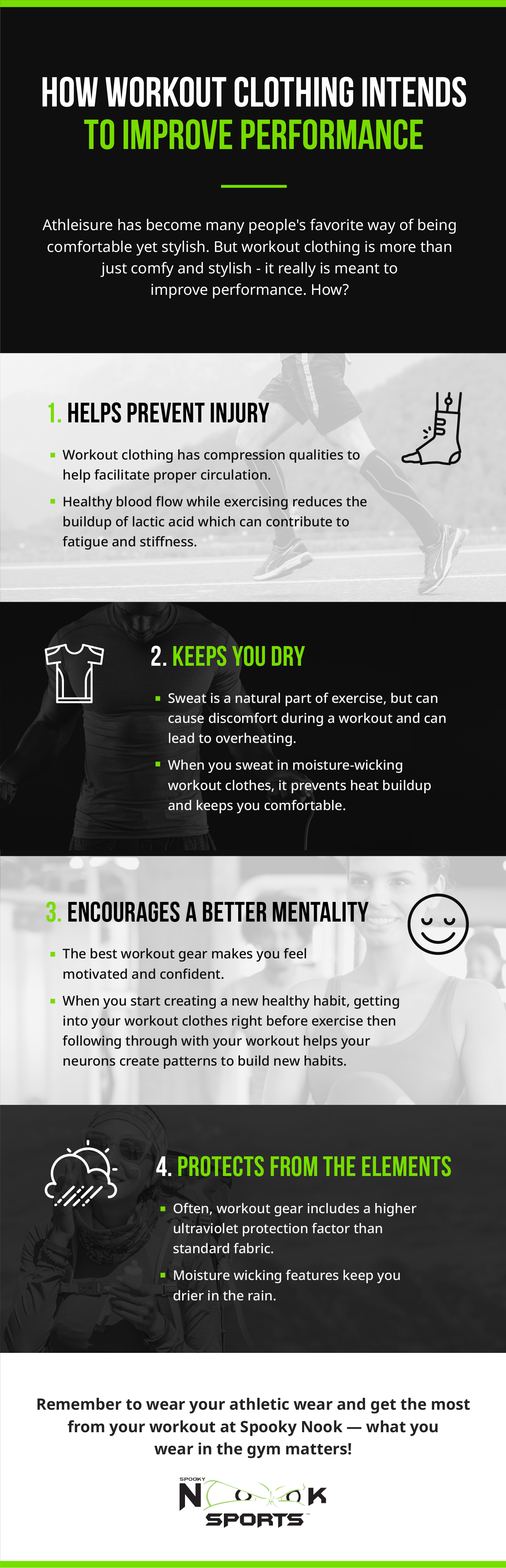
Fabric softeners are popular, but not good for gym clothes. They coat fibers, making them less breathable and trapping odors. Over time, this ruins the moisture-wicking ability. Instead, use white vinegar or sports detergent for freshness.
Credit: www.spookynooksports.com
Storing Gym Clothes After Drying
After drying, store gym clothes properly:
- Fold and keep in a dry, cool place.
- Avoid plastic bags, which trap moisture and cause mildew.
- Use drawers or bins with good air flow.
If clothes smell even after drying, they need a deeper wash or longer drying time.
Summary: Best Way To Dry Gym Clothes
The best way to dry gym clothes is to use air drying in a spot with good air flow, avoid high heat, and check for full dryness. If you need speed, combine towel drying with a fan. Always separate gym clothes from rough fabrics, and never leave them damp. Proper drying keeps your workout gear fresh, prevents odors, and extends its life. By following these steps, you’ll enjoy comfortable, long-lasting gym clothes and feel confident after every workout.
Frequently Asked Questions
How Can I Dry Gym Clothes Fast Without A Dryer?
You can dry gym clothes quickly by rolling them in a towel to absorb water, then hang near a fan or open window. Using a gentle spin cycle in the washer also helps remove more water, speeding up air drying.
Is It Safe To Dry Gym Clothes In Direct Sunlight?
Direct sunlight dries clothes quickly but can fade colors and weaken fibers. For delicate or bright gym clothes, choose a shaded spot or dry indoors with good air flow.
What Should I Do If Gym Clothes Still Smell After Drying?
If gym clothes smell even after drying, wash them with white vinegar or sports detergent. Make sure to dry in fresh air and avoid fabric softener, which traps odors.
Can I Dry Gym Clothes With Other Laundry Items?
It’s best to dry gym clothes separately. Heavy fabrics like towels or jeans can rub against workout gear, causing wear or stretching. Dry gym clothes alone or with other lightweight items.
Why Do Synthetic Gym Clothes Dry Faster Than Cotton?
Synthetic fabrics like polyester and nylon are designed to wick moisture away and dry quickly. Cotton absorbs more water and takes longer to dry. That’s why gym clothes made from synthetic fibers are best for quick drying.
If you want more details about fabric care, check out Consumer Reports for expert advice.
By following these tips, you’ll keep your gym clothes fresh, comfortable, and ready for your next workout. Drying well is simple—but makes a big difference.
